
John Lee Hancock
88 connections found

View:
Connections, in both directions
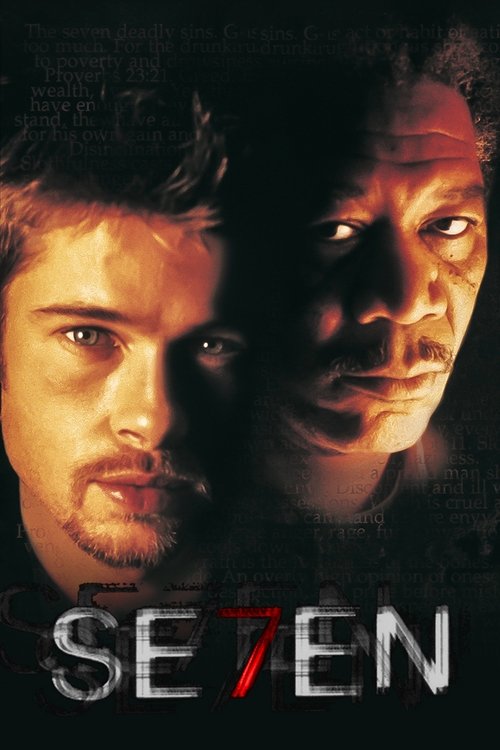


Think of the early to late-1990s/early-aughts heyday of such cop-saviour fantasies as Kiss the Girls, The Glimmer Man, The Watcher, Washington’s own The Bone Collector and Fallen, or Se7en (but without David Fincher’s nihilistic themes and uncompromising aesthetic).
You know the one’s, the kind of movie that hit its popular apex with The Silence of the Lambs , followed by a boatload of bad knockoffs until David Fincher refined and eventually perfected the genre with Se7en and Zodiac .
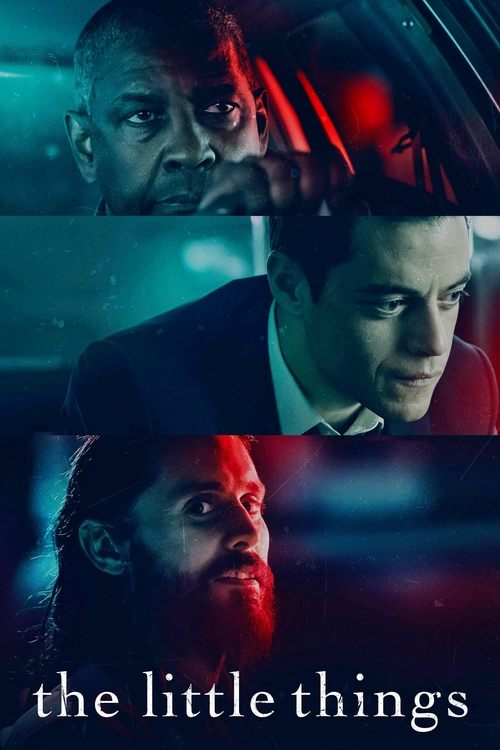
Written and directed by John Lee Hancock (see “The Blind Side” and the locally shot “The Founder”), “The Little Things” will be inevitably compared to David Fincher’s “Se7en.”
We’ve since seen the same concept done better in masterpieces such as “Se7en” (1995), “Zodiac” (2007) and “Prisoners” (2013).
What could have been an interesting film turns out to be nothing more than a lackluster Se7en rip-off.
To be fair, before watching the film, I was pretty excited to delve back into the vibe of Se7en and myriad other serial killer movies of the 1990s, Hollywood projects aping The Silence of the Lambs while reacting to the age of grunge and Dahmer and Marilyn Manson.
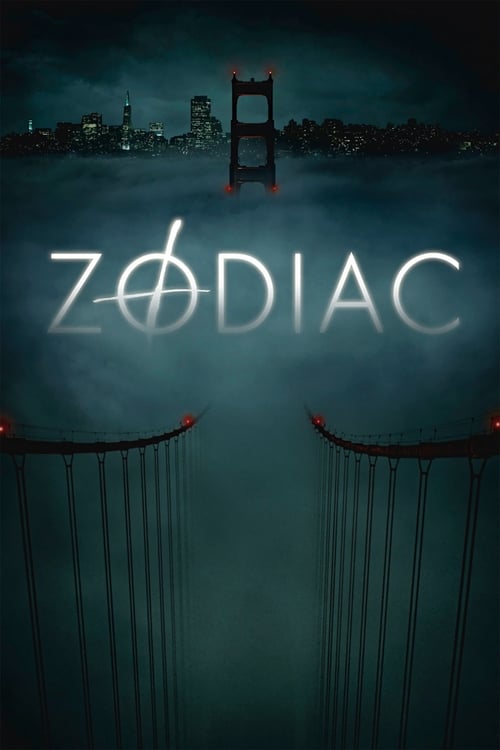
The opening scene in the midnight-dark, period piece serial killer thriller “The Little Things” feels like a lift from a certain segment in “The Silence of the Lambs,” as if to acknowledge we’re in for a derivative thrill ride — and though writer-director John Lee Hancock actually penned the original screenplay for this psychological crime noir some 30 years ago, in terms of visual style and mood it reminded me of “Lambs,” with echoes of such works as “L.A. Confidential” and David Fincher’s “Seven” and “Zodiac.”
You know the one’s, the kind of movie that hit its popular apex with The Silence of the Lambs , followed by a boatload of bad knockoffs until David Fincher refined and eventually perfected the genre with Se7en and Zodiac .
It is not a great movie, although it reminds me of a couple: “Seven” and “Zodiac,” two gritty David Fincher classics that clearly influenced Hancock’s film.
While the movie’s generic kinship with the much-grislier “Seven” is obvious, it also seems to echo — or anticipate, depending on how you look at it — the lingering chill of a superior David Fincher serial-killer thriller, “Zodiac” (2007).
We’ve since seen the same concept done better in masterpieces such as “Se7en” (1995), “Zodiac” (2007) and “Prisoners” (2013).
It’s a total Zodiac vibe as the unseen stranger forces her off the road, and is preparing to murder her, but she fortunately is able to run away and is saved by a passing truck.
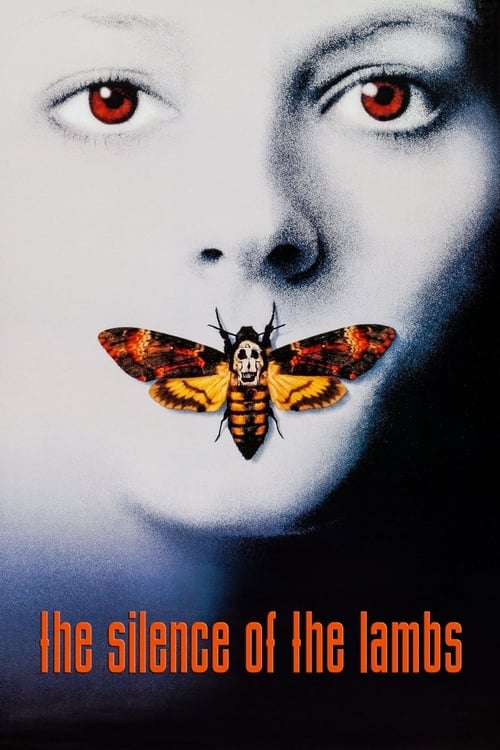
The Silence of the Lambs (1991)
Directed by Jonathan Demme
influenced The Little Things (2021)
Visuals Themes
The opening scene in the midnight-dark, period piece serial killer thriller “The Little Things” feels like a lift from a certain segment in “The Silence of the Lambs,” as if to acknowledge we’re in for a derivative thrill ride — and though writer-director John Lee Hancock actually penned the original screenplay for this psychological crime noir some 30 years ago, in terms of visual style and mood it reminded me of “Lambs,” with echoes of such works as “L.A. Confidential” and David Fincher’s “Seven” and “Zodiac.”
You know the one’s, the kind of movie that hit its popular apex with The Silence of the Lambs , followed by a boatload of bad knockoffs until David Fincher refined and eventually perfected the genre with Se7en and Zodiac .
In many ways, it feels like a script that’s been collecting dust since the ’90s, recalling crime thrillers of its era such as “The Silence of the Lambs” (1991).
To be fair, before watching the film, I was pretty excited to delve back into the vibe of Se7en and myriad other serial killer movies of the 1990s, Hollywood projects aping The Silence of the Lambs while reacting to the age of grunge and Dahmer and Marilyn Manson.
It wants to play in the same space as 1991’s The Silence of the Lambs , 1995’s Seven , and even lesser titles like 1999’s Washington vehicle The Bone Collector .
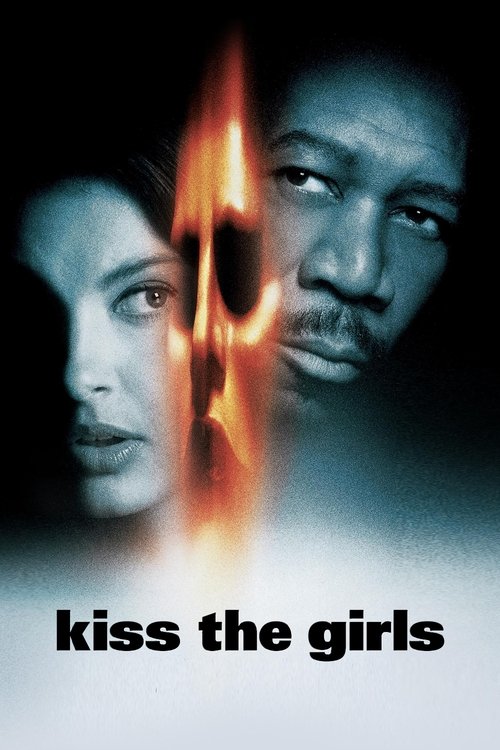
Think of the early to late-1990s/early-aughts heyday of such cop-saviour fantasies as Kiss the Girls, The Glimmer Man, The Watcher, Washington’s own The Bone Collector and Fallen, or Se7en (but without David Fincher’s nihilistic themes and uncompromising aesthetic).
And so the stalwart star officially surpasses Morgan Freeman — you know, Kiss the Girls and GOAT serial-killer thriller Seven — as the king of this broody genre.
Titles like Fallen , Kiss the Girls , The Bone Collector , Taking Lives , and Suspect Zero , just to name a few.
And it wasn’t just written in 1990, it still feels like it could’ve been made then, too — an unambiguous positive at a time when most straight-to-streaming fare is so cheap and glossy that it makes 20th century shlock like “Kiss the Girls” and “The Bone Collector” feel like Visconti movies by comparison.
The goal is to capture thrilling and pulpy mystery’s such as Kiss the Girls or other various Alex Cross cases.
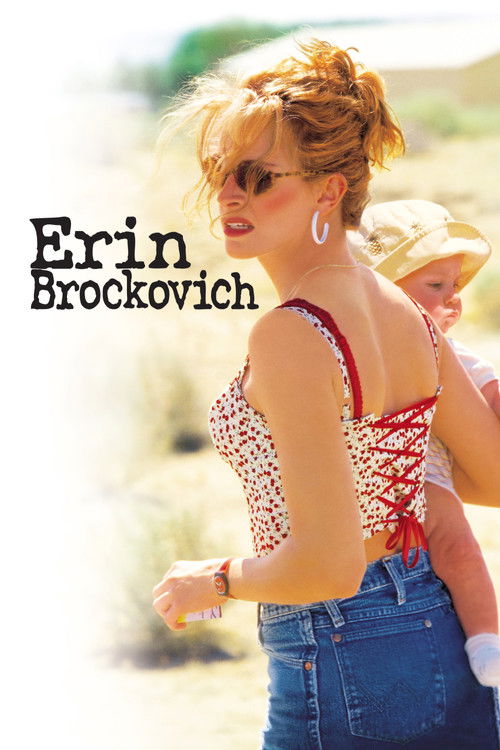
Were reminded of Julia Roberts in Erin Brockovich but with a touch of Hilary Swanks Freedom Writers inspiration.
There's some of the Julia Roberts vibe from Erin Brockovich here and it would be foolish to assume the actress was unaware of the Oscar potential inherent in the part when she accepted it.
Bullock may have found her Erin Brockovich in Tuohy, commanding the screen with grit and determination in an Oscar-worthy role if ever there was one.
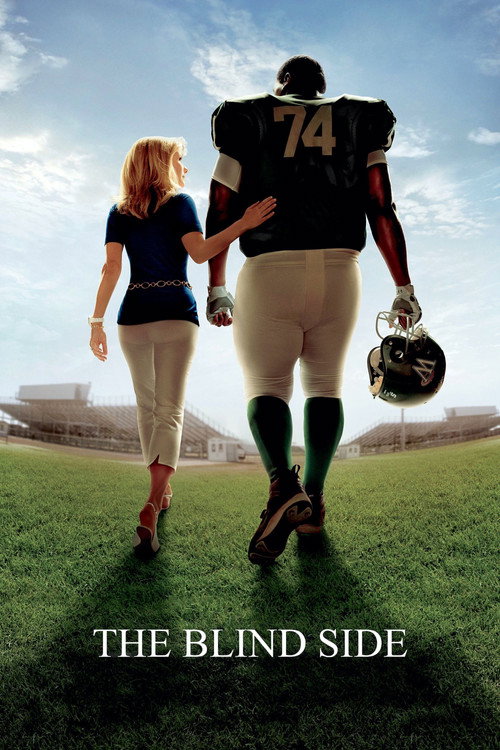
Bullock, making a comic-dramatic play for "Erin Brockovich" territory, is perfectly suited to play the tart, no-nonsense Leigh Anne, who, when she sees Oher (Quinton Aaron) walking alone on a cold, rainy Memphis night, spontaneously invites him to stay with her family.
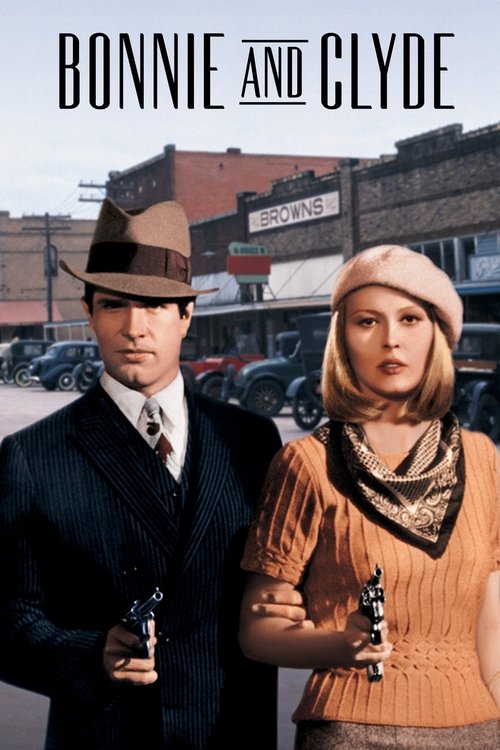
Fifty years ago, Arthur Penn’s Bonnie and Clyde fired the first salvo in the New Hollywood revolution by portraying the infamous outlaws as fight-the-man folk heroes.
For those who don’t know, Frank Hamer’s estate never forgave 1967’s Bonnie And Clyde for the officer’s “false” portrayal – hence Hancock’s passionate desire to honor the man wife Gladys (played by Kim Dickens) loved, cared for, and supported.
But this movie about chasing Bonnie and Clyde is also a movie about Bonnie and Clyde.
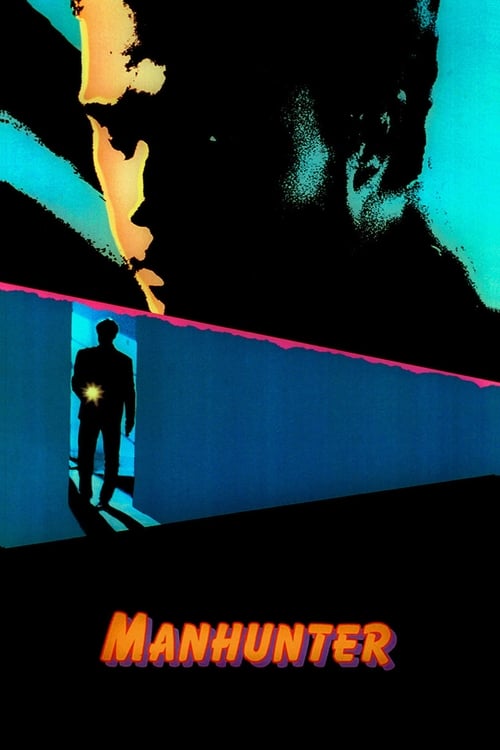
Manhunter (1986)
Directed by Michael Mann
influenced The Little Things (2021)
Plot Themes Characters
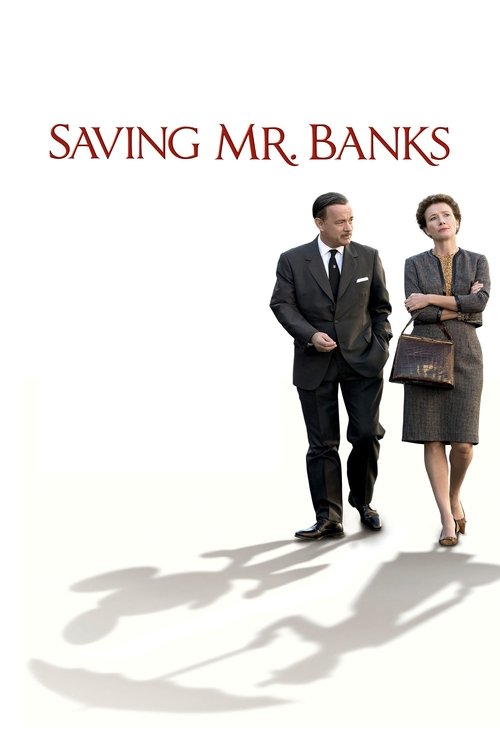
And you’ve really seen the rest of the movie before — almost literally, since “The Little Things,” written and directed by John Lee Hancock (“The Blind Side,” “Saving Mr. Banks”), is a serial-killer procedural that would like to be “Se7en,” with a great many touches lifted from “Manhunter,” but it plays more like a not-so-very-special episode of “C.S.I.”
In fact, the first half of the movie fails at trying to be a mix between "Seven" and "Manhunter" with its gruesome crime scenes and the skilled detective character, who sees all the angles.
For anyone who pines for the days of “Manhunter,” “Silence of the Lambs” and “Se7en,” “The Little Things” is like a warm blanket of, you know, morgue forensics, grisly crime scenes and serial killer mania.
Washington is delightful to watch in full “Manhunter” mode, but it lacks punch because so much of his identity and history is played very close to the vest.
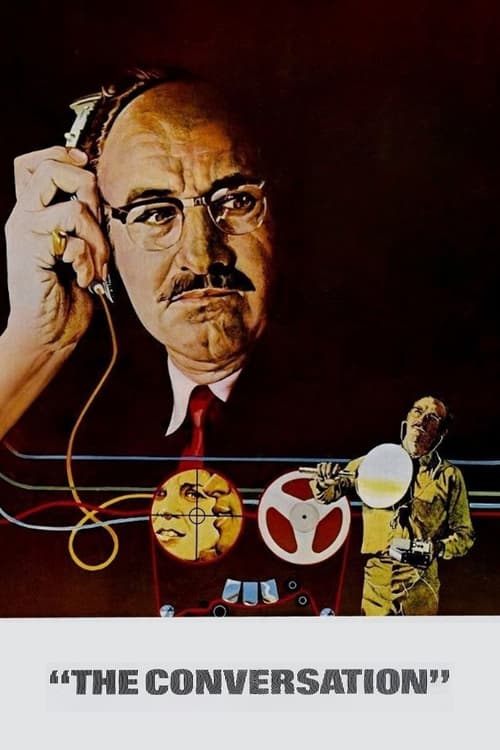
The Conversation (1974)
Directed by Francis Ford Coppola
influenced The Little Things (2021)
Visuals
It reminded me of John Cazale in the mirrored van in The Conversation .
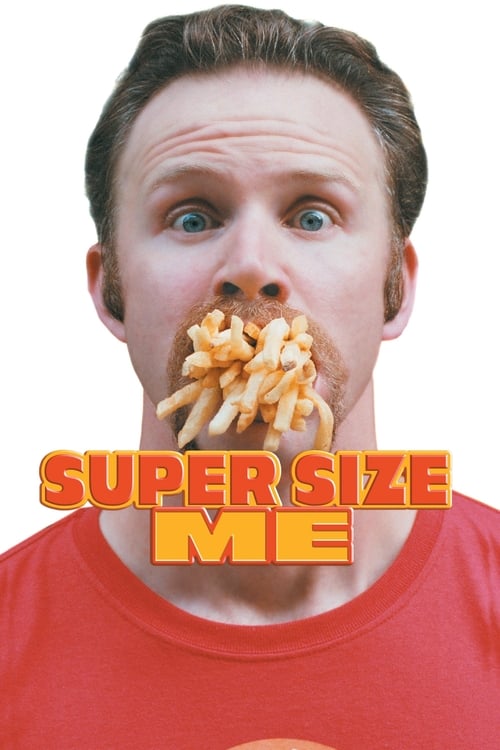
“The Founder” isn’t a McDonald’s takedown in the manner of, say, Morgan Spurlock’s documentary “Super Size Me”; it is, on one level, an elegy for what the company might have been, but it’s also wise enough to know that McDonald’s is interesting only because of what it became.
This is not Super Size Me , not a denunciation of McDonald’s as a dealer pushing junk food on susceptible consumers.
If Morgan Spurlock’s “Super Size Me” hasn’t already given you second thoughts about patronizing McDonald’s, “The Founder” wants to eliminate any doubt.
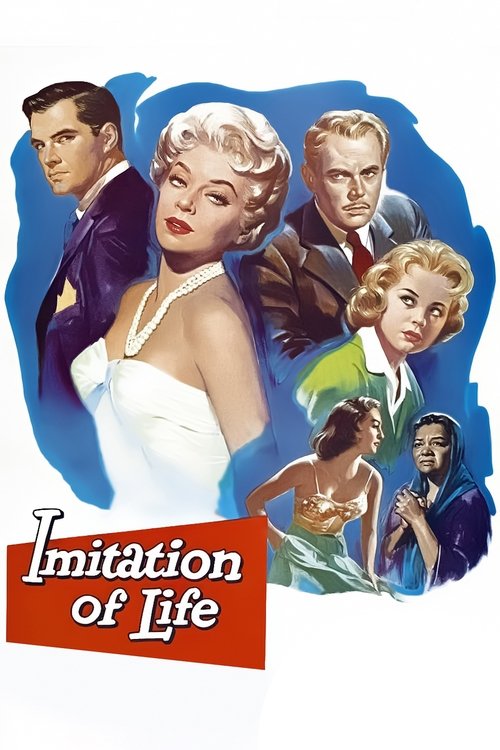
Cast as Michael’s errant, drug-addicted mother, Lenox takes her role, which amounts to only a few lines of dialogue, and fills it out with such delicate, shamed emotion that it’s hard not to resent the director for insistently cutting back to Our Star, the ever-bland Bullock, who listens in such an oblivious, absent way to Lenox’s heartfelt attempts to communicate that I was reminded of Lana Turner inanely marveling at the fact that her long-time maid Annie (Juanita Moore) has friends in Imitation of Life (1959).
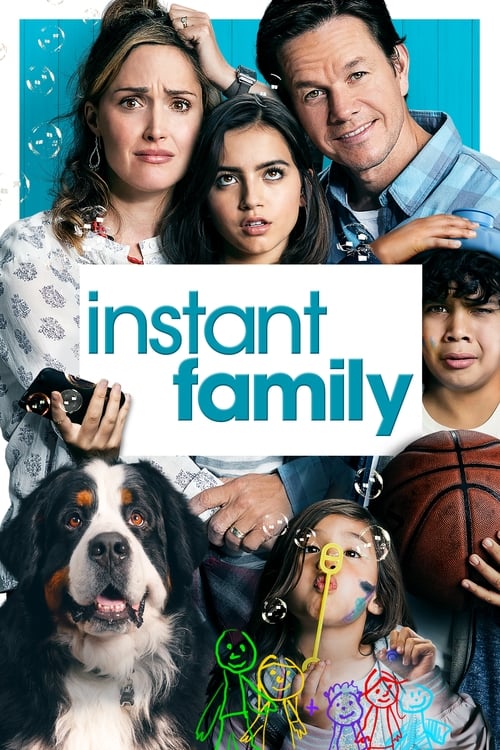
The film thinks it is attempting humour by pointing out the absurdity; complete with references to The Blind Side and Avatar .
We get to follow the parental journeys of some of the others in the support group as well, the best of which is a straight-laced, no-sense-of-humor-having blond woman (comedian Iliza Shlesinger), who, though she vehemently denies it and is probably in denial about it herself, is looking to re-create the storyline from Sandra Bullock’s movie, 2009’s “The Blind Side.”
Here, they meet a cross section of hopeful couples looking to complete their own families: the Christian couple, the gay couple, the couple struggling to conceive and the single mom who aspires to turn a disenfranchised African-American child into an athletic phenom (jokes about Sandra Bullock in “The Blind Side” follow).
It’s so tragic, in fact, that’s often flippant in conflict and outcome, and from Annie to The Blind Side , it’s little more than a machine to wring out tears and self-righteousness.
Her whole bit about The Blind Side was freaking brilliant.
When asked what she hopes to gain from the adoption process, she describes the plot of the film The Blind Side .
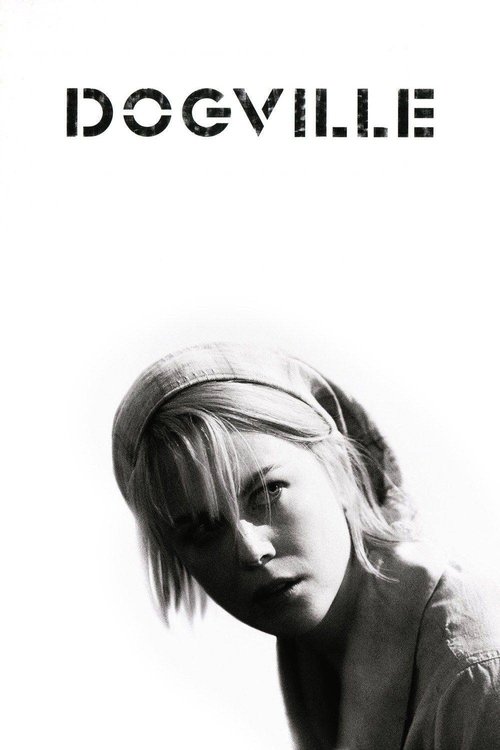
Hancock knows how to find visually elegant ways to depict the art of creation, and he scores a coup early on: Dick choreographing a mock version of the first McDonald’s kitchen on a tennis court, employees swirling and darting like dancers over chalk outlines à la Lars von Trier’s “Dogville.”
It’s like Martha Graham, Dogville, and Ronald McDonald had a beautiful cinematic child.
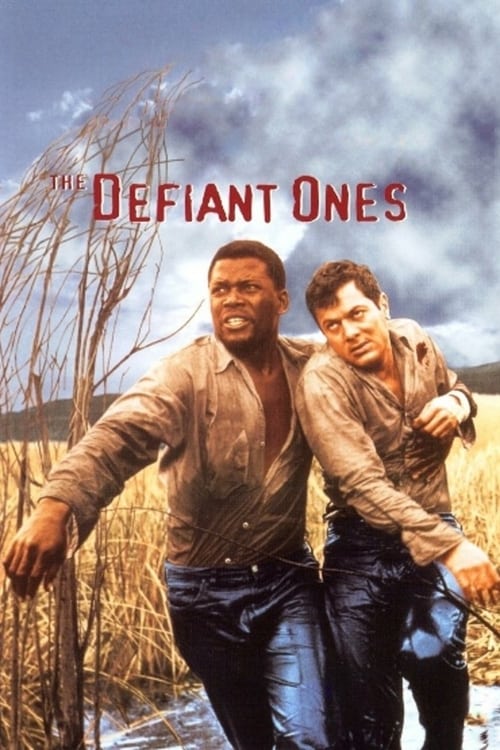
Second, there is the “Magical Negro,” the Black character teaches Whites compassion, folklore-like lessons and other doses of emotionality (think Hattie McDaniel in Gone With The Wind, Sidney Poitier in The Defiant Ones, or, a recent example, Morgan Freeman in Bruce Almighty).
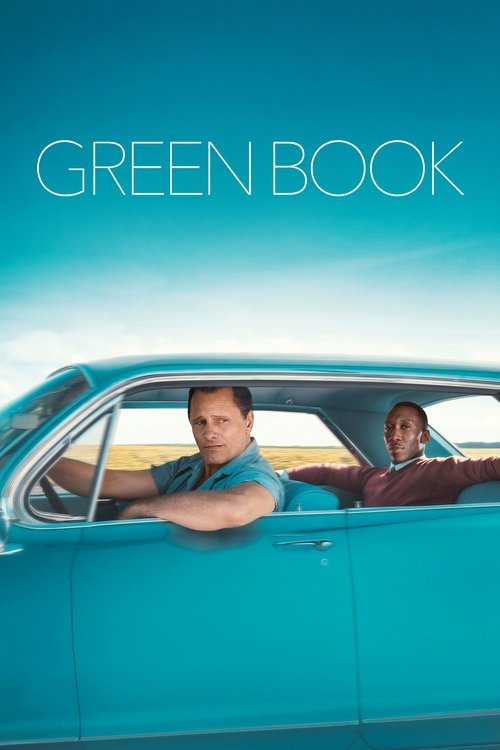
Green Book (2018)
Directed by Peter Farrelly
influenced by The Blind Side (2009), The Little Things (2021)
Themes
Green Book has echoes of other films such as Driving Miss Daisy, In the Heat of the Night, Hidden Figures, The Help and The Blind Side, among those that come to mind.
I walked out of “Green Book” thinking I had just seen one of the biggest eventual hits of TIFF—this movie has what I would call the “10th Best Picture Nominee” potential a la “The Blind Side” and “ The Help ” in that it’s wildly crowdpleasing with the kind of easy-to-swallow message that a lot of critics will consider pandering and problematic while mainstream America eats it up.
Much like other mainstream movies that depict racism that it’ll be inevitably compared to like The Blind Side and The Help, Green Book attempts to showcase its subject matter in a sugar-coated manner as if times weren’t that rough for African-Americans back then.
A well intentioned and certainly entertaining crowd pleaser, Green Book belongs to the same cinematic pedigree as films like Driving Miss Daisy, The Help, and The Blind Side; movies where a white person and a black person will reach a common form of human understanding during times of racial segregation or hardship.
In the ignoble tradition of “Crash,” “The Blind Side” and “The Help,” here’s a movie that purports to explore racism in America while coddling fragile white viewers at the expense of its characters of color.
The casting felt like a bright spot, even if Hancock is not exactly known for turning out performances from his actors that survive the test of time ( The Blind Side , in a post- Green Book world, is dying for a reevaluation), but the work that Washington, Malek, and Leto put in feels as exhausted as the film itself.
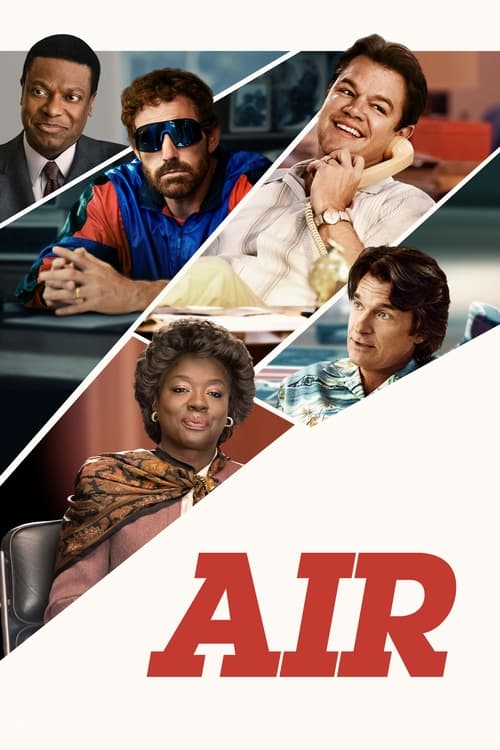
Affleck’s given us something like “Jerry Maguire” without the romance crossed with “The Founder,” the (underrated) tale of mixer salesman Ray Kroc inspired by a burger drive-thru.
That was the case with “Steve Jobs” (2015), which unfolded the creation myth of Apple; with “The Founder” (2016), which did the same for McDonald’s; with “Tetris,” now on Apple TV+; with the upcoming “BlackBerry,” which is not, alas, about the harvesting of soft fruits; and with “Joy” (2015), which gave us our first chance—pray God it not be our last—to watch Jennifer Lawrence trying her hardest to sell mops.
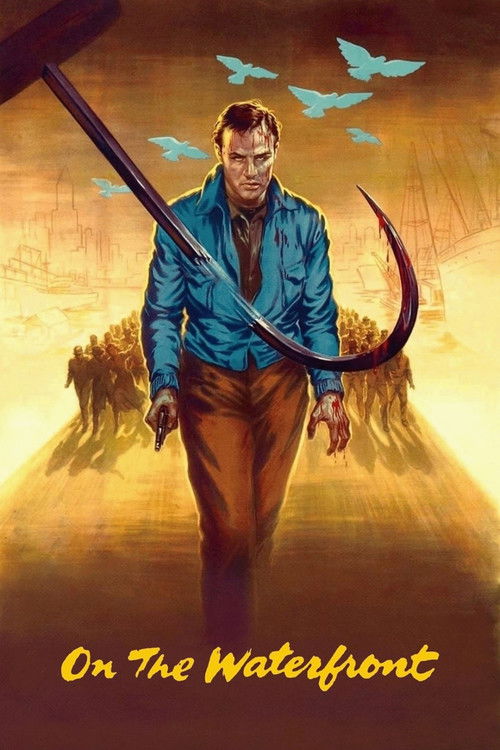
Kroc dreams big, and believes in his ability to make those big dreams happen – a point further underscored when he ducks into a showing of On the Waterfront.
Kroc is depicted as desperate; he watches On The Waterfront and his favourite song is Pennies From Heaven, he’s evangelical about the potential of McDonald’s, and his marriage to Laura Dern has hit a wall, which makes this “professional leech” a “wolf in the henhouse” with everything to play for.
Meanwhile, it’s interesting to watch Michael Keaton plow through the myriad facts provided by members of the McDonald family estate to orchestrate some character details of his own—swigging rye, gleaning inspiration from his favorite movie On the Waterfront, listening joyfully to the song “Pennies From Heaven” as his marriage to the wife who sees through him (Laura Dern) tanks.
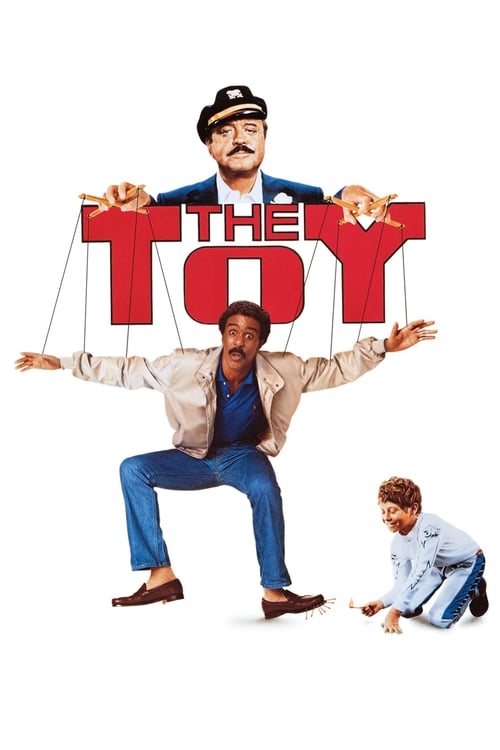
Just in time for Christmas, professional schmaltz peddler John Lee Hancock updates Richard Pryor's The Toy by giving another privileged white brat a black man he can fuck with, call his victories his own, and keep in the guest room.
If The Founder had guts to make enemies with Ronald McDonald, it could be this century’s Citizen Kane, indicting us in his 119-country conquest.
As director John Lee Hancock said recently, the raw material could be developed in any number of ways: as a dark penetrating story of a mogul who fails as a human being (Citizen Kane or There Will Be Blood ), as a barbed satire ( The Wolf of Wall Street ) or, as a story of betrayal ( The Social Network ).
Listen closely in The Founder and there’s somber complementary music evoking Bernard Herrmann’s score for Citizen Kane.
As director John Lee Hancock said recently, the raw material could be developed in any number of ways: as a dark penetrating story of a mogul who fails as a human being (Citizen Kane or There Will Be Blood ), as a barbed satire ( The Wolf of Wall Street ) or, as a story of betrayal ( The Social Network ).
What the two movies do have in common — with each other, and with another Sorkin-scripted drama, “The Social Network” — is a fascination with a powerfully disruptive moment in American commerce.
The story of how businessman Ray Kroc essentially stole the McDonald’s empire from brothers Dick and Mac McDonald has the makings of a fascinatingly dark drama about greed and betrayal, along the lines of David Fincher’s The Social Network.
In that sense, The Founder is remarkably like David Fincher’s The Social Network, which heavily fictionalized the story of Facebook’s creation without particularly touching on why the social platform is such an addictive draw for some people, or how it changed the way large segments of the world interact with each other today.
John Lee Hancock’s whip-smart, breezy, sunny and yet also darkly funny “The Founder” tells the story of Kroc’s takeover of McDonald’s in a fashion that reminded me of a half-century-earlier version of “The Social Network,” with burgers instead of Facebook; a fiftysomething salesman in lieu of a cocky Ivy Leaguer, and the hunky-handsome Winklevoss twins replaced by a couple of super-square brothers who woke up one day and learned they didn’t even own the rights to their own names any more.
In its frank and finger-pointing portrayal of the greedy foundations on which the company’s global real estate empire is built, the film is similar to The Social Network or Steve Jobs; it’s also driven through choppy narrative waters by a single powerhouse performance.
It’s a professionally done tale of the uplifting variety—no different, at bottom, than when Cary Grant and Betsy Drake adopted sullen, physically-challenged Clifford Tatum Jr. and taught him how to be a part of a family in Room for One More (1952).