

James DeMonaco
101 connections found
View:
Connections, in both directions


The result resembles The Purge by way of Before Sunrise, with just enough satirical bite to sharpen the comedy without overwhelming the romance.
So, One Night Only is both a boy-meets-girl romantic comedy and a dystopian movie, as if Anyone But You was set in the world of The Purge.
Think The Purge, but sex instead of murder.
Essentially, this is The Purge, but for sex, so don’t think too much about it.
Think of “One Night Only” as “The Purge” with hormones instead of homicides.
One Night Only has a premise quite similar to The Purge. Premarital sex is banned in the country, but people are allowed to break the ban for just 12 hours once a year.
As the motley, bickering quintet traverses the dark and deadly streets, trying to survive against ridiculous odds, some old-school synth music helps create a brooding B-movie vibe reminiscent of The Warriors and Escape From New York, but unfortunately it doesn’t last long.
That might remind some viewers of similar films such as Walter Hill's "The Warriors" where a small group of characters must make their way across a city at night and avoid or fight off those who wish to do them harm.
Writer/director DeMonaco returns to the series with the burden of exposition already eliminated, allowing him to treat downtown L.A. as a cruel playground where every intersection brings with it the promise of a new threat: Sergeant and company run afoul of white-collar poachers, territorial snipers, and mask-wearing gangs, who bring to mind The Warriors.
By adding a variety of bad guys here, DeMonaco gives The Purge: Anarchy a bit of The Punisher meets The Warriors vibe, which is something I instantaneously fell in love with.
In fact, we'd advise against it because The Purge: Anarchy stands firm on its own two feet and has more in common with classics like The Warriors (including an auditory homage to the classic Barry De Vorzon score during a key chase sequence) and Escape From New York than it does with the Ethan Hawke and Lena Headey starring snoozer.
Now The Purge: Anarchy employs the same concept as wallpaper for an action-thriller that swipes alternately from The Warriors and Escape from New York but lacks the style of either.
Part of the story brings to mind The Handmaid's Tale and another part echoes some of the themes in La Zona , a hard-hitting Mexican film about the violence that erupts between the haves and the have-nots when the poor are given the shaft in order to protect the privileges of the rich and the powerful.
What should be a taut thriller stretches into an overextended slog with periodic scolding lectures, an exercise in metaphor akin to Shirley Jackson’s “The Lottery” or Margaret Atwood’s The Handmaid’s Tale, but with far less faith in its audience.
And it reminds me, too, of The Handmaid’s Tale — The Purge is to American attitudes about violence and public safety what that other film was to the nation’s attitudes about women’s sexuality.
Rather, the film recalls the broad-strokes surrealism of a Shirley Jackson story, like that high-school standby “ The Lottery .”
Unlike Shirley Jackson, whose classic short story “The Lottery” was an obvious inspiration, writer-director James DeMonaco overemphasizes his violent shocker’s political content (“Things like this are not supposed to happen in our neighborhood!”
James DeMonaco’s The Purge has a great short-story concept, the kind that would fuel a nice 10- to 12-page shocker in which we observe what we think is an ordinary day only to slowly discover that there is something horrible about to take place (think Shirley Jackson’s “The Lottery”).
What should be a taut thriller stretches into an overextended slog with periodic scolding lectures, an exercise in metaphor akin to Shirley Jackson’s “The Lottery” or Margaret Atwood’s The Handmaid’s Tale, but with far less faith in its audience.
Enough of them have read Shirley Jackson's horror story "The Lottery" to devise an annual day of shocking ritual to solve America's problems with poverty, violence and homelessness.
Writer-director James DeMonaco clearly hopes to make a significant moral statement on the level of Shirley Jackson’s literary masterpiece The Lottery.
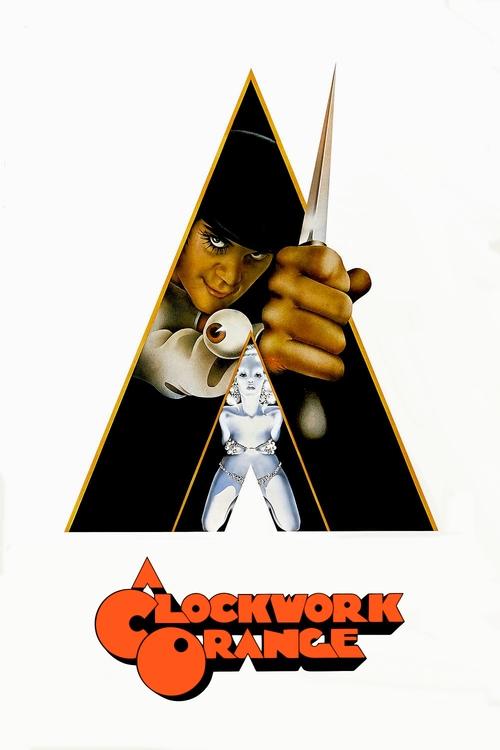
A Clockwork Orange (1971)
Directed by Stanley Kubrick
influenced The Purge (2013)
Themes Characters Visuals
There are strong echoes of “A Clockwork Orange,” “Halloween,” and even “The Terminator” – all great films to mimic – but aside from its high concept, “The Purge” utterly fails to make a name for itself.
Soon a band of marauding preppies show up on the doorstep, cavorting with cleavers while their leader (Rhys Wakefield) does his damnedest to channel Malcolm McDowell in A Clockwork Orange.
That members of the bloodthirsty mob wear masks seems to have less to do with the rules of the movie (after all, their activities are temporarily legal) than with writer-director James DeMonaco’s desire to pay homage to “A Clockwork Orange’’ — as well as well as a raft of other, more effective movies ranging from “Straw Dogs’’ to “Funny Games.’’
Things become more complicated when a number of Purge revelers (led by a menacingly smiling Rhys Wakefield who'd make Alex from "A Clockwork Orange" proud) arrive at the house in full creep-out mode, including wearing exaggerated masks, wielding all sorts of weapons and being quite desirous of having their escaped "rabbit" (the stranger the boy let in) returned to them for the pleasure of their hunt.
It’s a startling idea—one that, if you think about it too much, is pretty much untenable, but on first glance carries a powerful philosophical charge given that it rests on the unsettling notion that human violence is inherent and therefore must be indulged in some way at some time (in this respect, it has much thematically in common with A Clockwork Orange, which suggested the futility and even immorality of eradicating violence).
It also unashamedly cribs from more disturbing films like Straw Dogs , Funny Games and A Clockwork Orange.
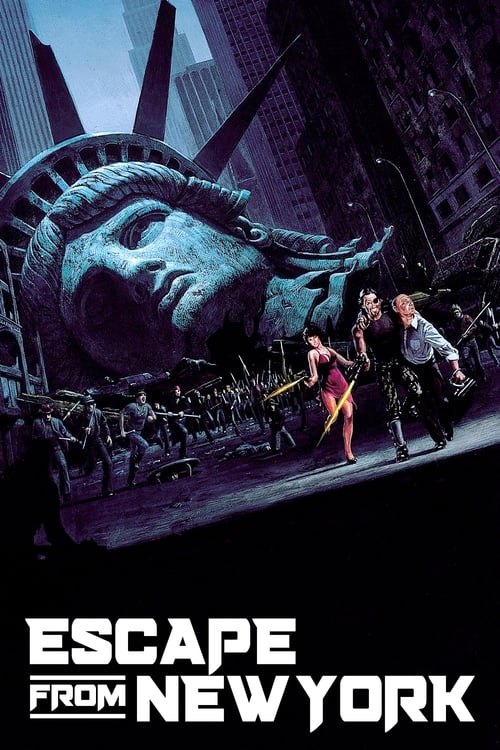
Escape from New York (1981)
Directed by John Carpenter
influenced The Purge: Anarchy (2014), The Purge (2013)
Plot Themes Visuals
(Imagine if John Carpenter had dedicated 30 minutes of Escape from New York to convincing us that turning Manhattan into a maximum-security prison made perfect sense.)
The first picture (which starred Ethan Hawke, notably absent here) showed us an upscale home invasion, the new “Anarchy” tries for a “Warriors”/“Escape From New York” vibe as it follows five people trapped in the streets.
In fact, we'd advise against it because The Purge: Anarchy stands firm on its own two feet and has more in common with classics like The Warriors (including an auditory homage to the classic Barry De Vorzon score during a key chase sequence) and Escape From New York than it does with the Ethan Hawke and Lena Headey starring snoozer.
A significant number of them will also die, but only after running themelves ragged, Escape From New York-style, through downtown war zones, led by a stoic, vendetta-minded tough guy (Frank Grillo, getting it just right, like he's in training for the Surliness Olympics).
Now The Purge: Anarchy employs the same concept as wallpaper for an action-thriller that swipes alternately from The Warriors and Escape from New York but lacks the style of either.
It's still not a great movie, but its drive-in aesthetics recall such films as "Escape From New York," "The Most Dangerous Game" elements of the first film magnified in a climactic bit of satire that's a memorable set piece.
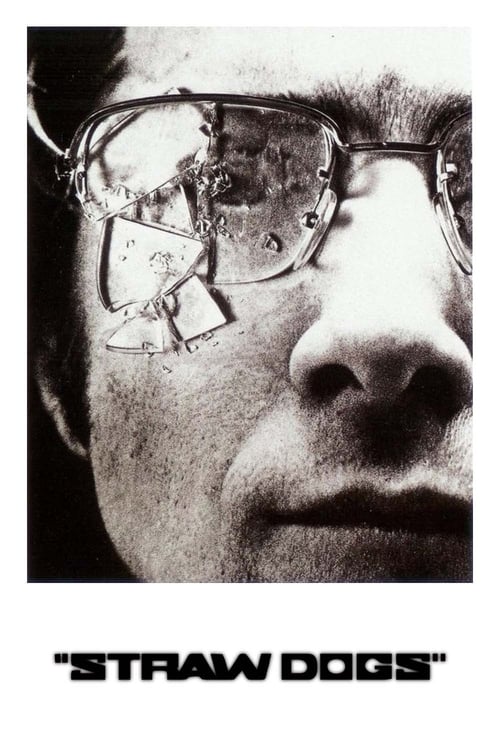
What follows is a mix of Sam Peckinpah's classic "Straw Dogs" and Michael Haneke's two "Funny Games" films, as the mild-mannered Sandins must make difficult choices and tap into their inner animals.
Lifting ideas from “Funny Games,” Sam Peckinpah’s classic “Straw Dogs” and apparently an original TV episode of “Star Trek,” “The Purge” also features a wounded black man (Edwin Hodge) Charlie allows into the Sandin house when he begs for help and “Purgers” in masks recalling the “V for Vendetta” face appear, led by a fellow who resembles Heath Ledger (Aussie Rhys Wakefield).
Unlike, for example, Sam Peckinpah’s masterful Straw Dogs (1971), DeMonaco doesn’t spend enough time with the characters pre-Purge to give us much insight beyond the bare necessities, so their eventual devolution into primordial self-protection feels more like genre machinations than psychological intrigue.
DeMonaco has spoken of his debt to Sam Peckinpah's Straw Dogs and John Carpenter's Assault on Precinct 13, the latter providing Hawke with a star vehicle via the DeMonaco-scripted 2005 remake.
Like Sam Peckinpah's "Straw Dogs," "The Purge" challenges liberal pacifism by daring us not to get wrapped up in its demented revenge plot.
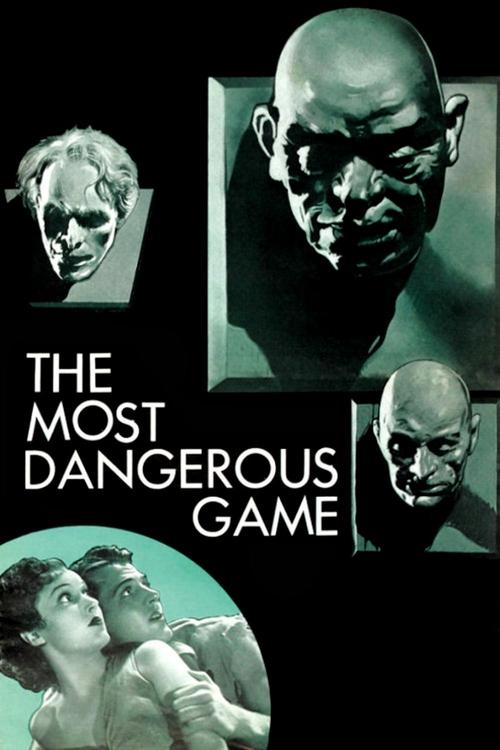
The Most Dangerous Game (1932)
Directed by Irving Pichel
influenced The Purge: Anarchy (2014), The Purge (2013)
Themes Plot
"The Purge" is the progeny of such films as "The Most Dangerous Game," "Funny Games" and "The Strangers," but is far from the equal of any of them.
And his third-act nod to The Most Dangerous Game is amusing in spots.
This time around, DeMonaco, who wrote both “Purge” movies and has once again secured a first-rate cast, ups the ante on the one-percenters versus the poor theme by staging a replay of the classic “The Most Dangerous Game,” with the super-rich as hunters and the mob as hunted.
It's still not a great movie, but its drive-in aesthetics recall such films as "Escape From New York," "The Most Dangerous Game" elements of the first film magnified in a climactic bit of satire that's a memorable set piece.
Despite being like an open-invitation “Hunger Games” or modern, legal, domestic update of “The Most Dangerous Game,” the “Purge” franchise retains some suspense and thrives on Grillo’s sturdy resolve.
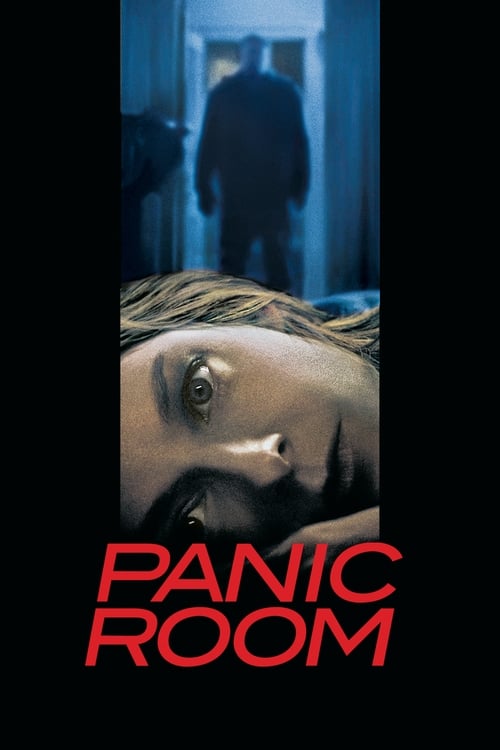
Panic Room (2002)
Directed by David Fincher
influenced The Purge (2013), The Purge: Anarchy (2014)
Themes Plot
The suburban-insecurity theme also stirs memories of David Fincher's Panic Room, Jonathan Kaplan's Unlawful Entry and even Neil Labute's Lakeview Terrace; the barely concealed bloodlust of the bourgeoisie recalls The Last House on the Left; while the idea of state-sanctioned, carefully contained mayhem was executed on a grander scale in The Hunger Games and Rollerball.
It’s neither as entertaining as David Fincher’s Panic Room, nor as viscerally terrifying as Bryan Bertino’s claustrophobic The Strangers.
He’s put just enough thought into the script to get his home-invasion-on-steroids plot — it’s “Panic Room” meets “The Hunger Games”! — under way.
I did have some logistical issues with the pic (such as why the family waits until nearly the last minute before activating and raising their shields, not to mention why there's no fortified safe room in the house in case of a system failure or breach) and realize that "Panic Room" essentially told the same sort of basic tale more effectively more than a decade ago.
Here’s what The Purge isn’t: It’s not a nerdy, obsessive detailing of security systems and how they gradually break down, so don’t expect Panic Room.
The promising premise of "The Purge" quickly turns into "Straw Dogs" meets "Panic Room".
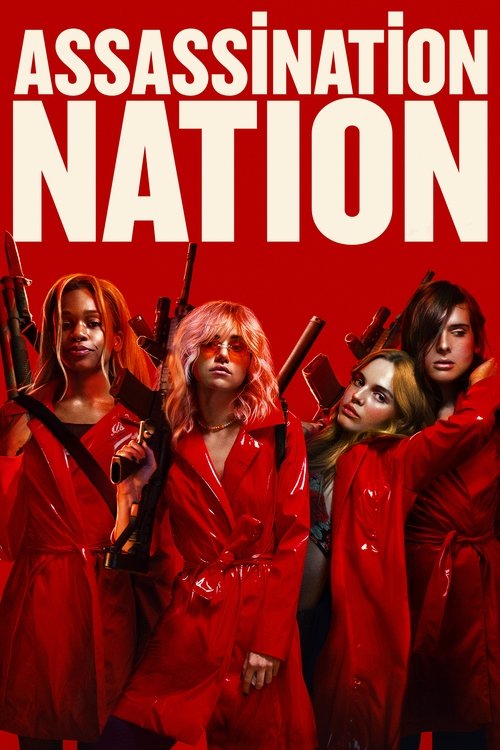
Imagine The Purge crossed with Heathers liberally dosed in more blood than Carrie and that’s a good approximation of Sam Levinson’s film, where a small American town turns on its young women for doing exactly what society has told them to do – until they fight back.
The violence, dialogue and mayhem cuts extremely close to the bone, with the final part of the film playing out as part home-invasion, partly like The Purge, and part revenge flick.
With that, the film instantaneously takes a turn towards the direction of “ The Purge ” as Salem’s attacks on the girls intensify, launching a full-fledged thriller where our vengeful heroines unavoidably arm up.
In the case of Sam (son of Barry) Levinson’s latest, a cross between Tragedy Girls and The Purge, the result is the self-conscious, self-righteous and sloppy Assassination Nation.
Levinson’s screenplay is bursting with wit, hilarity, and scorn, dragging society through a meat grinder while serving up commentative sociocultural cocktails (taking gruesome shots at the facade of “good-natured” neighborhoods, like if Shadow of a Doubt was assaulted by The Purge).
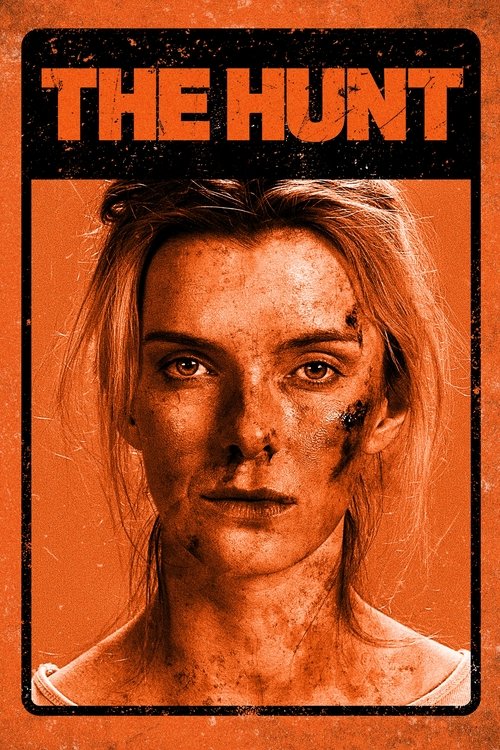
The Hunt (2020)
Directed by Craig Zobel
influenced by The Purge (2013), The Purge: Anarchy (2014)
Themes Plot
Even with an impressive Amazonian turn from central star Betty Gilpin as a battle-hardened Southerner, it’s fair to say that The Hunt is following in the footsteps of a different tradition—chiefly the trend in social satire genre flicks, including Get Out (2017), Ready or Not (2019) and, most obviously considering the shared production house, The Purge (2013- ).
On the surface, The Hunt resembles straight-forward hack ’em ups like Blumhouse ‘s The Purge, but Craig Zobel (of Z for Zachariah and Homestar Runner) has a little more on his mind.
( The Hunt comes to us by way of Blumhouse Productions, the company behind movies like The Purge and Get Out. ) Many are gunned down or blown to bits before we even have any sense of who they are.
This is a satirical thriller, in some ways reminiscent of The Purge series, that can’t seem to maintain focus or initiative as it moves along from one scene to the next.
Quite often, when producer Jason Blum presents something controversially topical, we get The Purge franchise.
Throughout The Purge series, the idea of political identity remains a lasting thematic undercurrent, coming to the forefront in obvious fashion in The First Purge, which was marketed with a blatant “Make America Great Again” tip of the hat towards #45 and his followers.
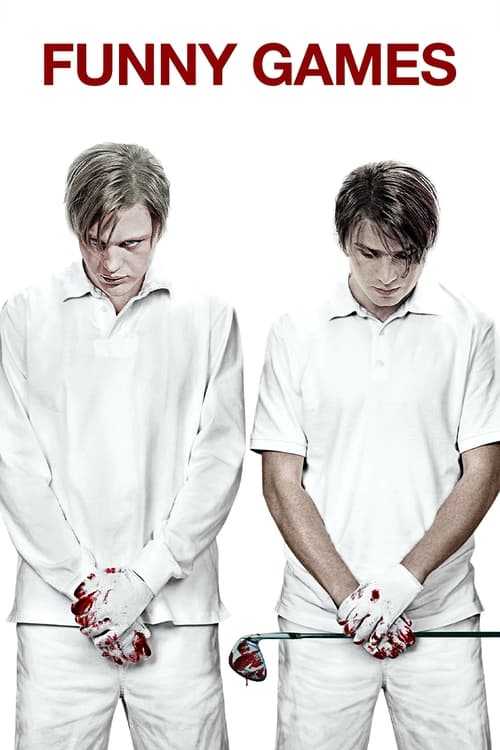
Their leader—played by Rhys Wakefield, channeling Michael Pitt in Funny Games —offers Hawke a deal: If the family hands over Hodge, the Purgers will leave them alone; if they don’t, they’ll have no choice but to break into the house and kill everyone inside.
What follows is a mix of Sam Peckinpah's classic "Straw Dogs" and Michael Haneke's two "Funny Games" films, as the mild-mannered Sandins must make difficult choices and tap into their inner animals.
The tension is well sustained and the film is an effective, predictable cross between Assault on Precinct 13 (the remake of which DeMonaco scripted) and Funny Games (the fair-haired preppy leader of the sinister besiegers is a dead ringer for one of the psychopathic kids in Michael Haneke's film).
And then, the plot finally decides to begin: the gang hunting the wounded man arrives at the Sandin house, and the very articulate young man leading them (Tony Oller, who I don't suppose was cast entirely because of his uncanny resemblance to Brady Corbet, of the American Funny Games , though it surely didn't hurt) informs the family that if they don't turn out the refuge, all the security systems in the world won't stop hell from raining down on them.
But by far the worst performances, however, come from Wakefield, who should have recognized that what he’s doing was already satirized by Michael Haneke in “Funny Games,” and by Arija Barekis as a suspiciously solicitous neighbor.
Like Michael Haneke with Funny Games, DeMonaco (Staten Island) seems adamant about making sure people experience and interpret his movie the correct way, taking in the full symbolic heft of his thoughts on economic disparity, and not getting too much visceral enjoyment out of the action.
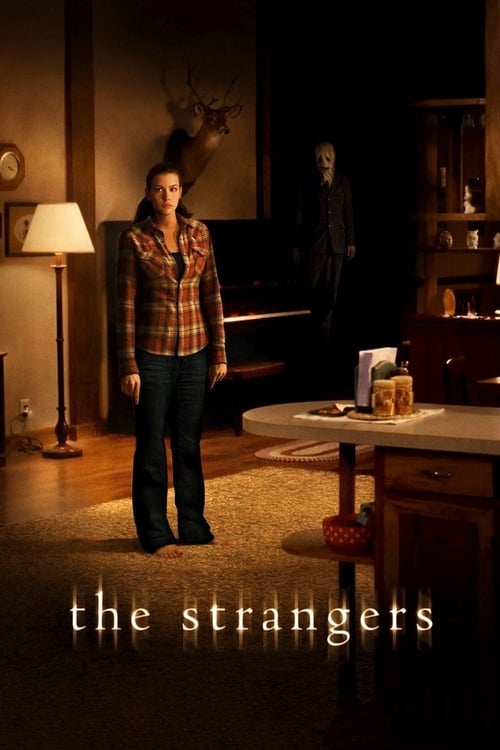
The baddies carrying out their siege on the heroes’ house wear creepy masks and tend to pop up in unexpected places, which brings to mind 2008’s The Strangers, another home-invasion thriller that was far scarier, less self-important and had the courage of its convictions.
Home Alone crosses paths with The Strangers and, of all things, Gareth Evans’ The Raid in writer-director James DeMonaco’s The Purge, a despicable, ugly and valueless exercise in hate, that purges all potential out of its interesting, original concept.
These neighbors wear scary masks just like the ones donned by the twisted homicidal home invaders in 2008's "The Strangers."
It doesn’t help that the film appears to be lifting heavily from Bryan Bertino’s The Strangers.
Five years ago, Bryan Bertino's The Strangers opened one weekend earlier to reap healthy returns, and DeMonaco tips his hat to that predecessor by having his psychopaths also don spooky masks as they come-a-calling on their middle-class suburban prey.
Unlike 2008's superior, unsparingly disturbing " The Strangers ," which "The Purge" resembles quite a bit, there is a tendency to rely on a series of close calls and people being in the right place at the right time.
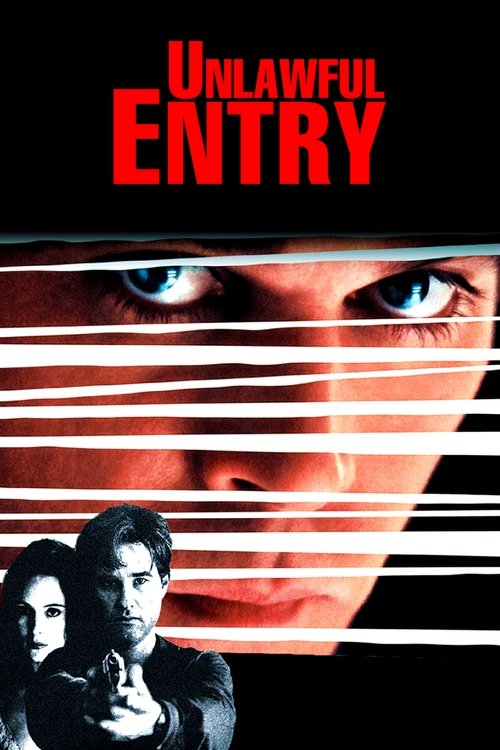
The suburban-insecurity theme also stirs memories of David Fincher's Panic Room, Jonathan Kaplan's Unlawful Entry and even Neil Labute's Lakeview Terrace; the barely concealed bloodlust of the bourgeoisie recalls The Last House on the Left; while the idea of state-sanctioned, carefully contained mayhem was executed on a grander scale in The Hunger Games and Rollerball.

Soylent Green (1973)
Directed by Richard Fleischer
influenced The Purge: Election Year (2016)
Themes Visuals
Not, perhaps, since “Soylent Green” has a future-shock parable been so memorably obvious in its metaphor.
, and — as I noted in my review of The Purge: Anarchy — probably the best satire on America since the grim futures that 1970s SF (think: Rollerball and Soylent Green) showed us.
Another thing he excels at is borrowing from other really good genre movies like Clockwork Orange, Soylent Green, The Warriors, Total Recall, and especially John Carpenter’s Escape from New York.

Assault on Precinct 13 (1976)
Directed by John Carpenter
influenced The Purge (2013), The Purge: Election Year (2016)
Plot Themes
Writer/director James DeMonaco isn't too far from his comfort zone as he previously scripted the 2005 remake of John Carpenter's "Assault on Precinct 13."
PHOTOS: Summer Sneaks 2013 But it's almost astonishing how little genuine tension exists in the ensuing siege scenario, considering DeMonaco's familiarity with John Carpenter's unnerving classic "Assault on Precinct 13," the clichéd remake of which he wrote.
So, on the page, we have a mesh of “Night of the Living Dead,” with the black man, the soldier, the Other, in their midst, as well as the confined but endlessly volatile spaces of “Halloween” and “Assault on Precinct 13.” (There’s even a bit of John Carpenter’s vulnerable young women who quickly turn strong.)
Writer/director James DeMonaco, who previously scripted the surprisingly effective 2005 remake of John Carpenter's " Assault on Precinct 13 ," cuts creative corners this way throughout "The Purge."
DeMonaco, who wrote the so-so remake of John Carpenter’s classic “Assault on Precinct 13,” once again mines similar material.
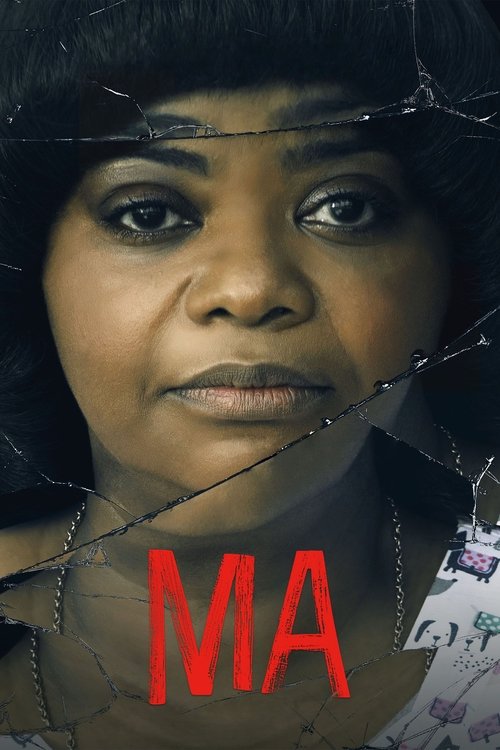
"Ma" is a curious match of director and material with Tate Taylor, known for glossy, rather anonymous mid-budget Oscar bait such as "The Help", "Get On Up" and "The Girl on the Train", getting down and dirty with Blumhouse, the hit-making genre house behind "The Purge" and "Get Out".
Curiously, this film is backed by Blumhouse, the studio behind the recent strand of blatantly socially conscious horrors such as The Purge (2013), Get Out (2017) and Us (2019).
Luego, esto parecía, desde los trailers, un intento más de lectura social estadounidense a través del terror; algo que no es completamente ajeno a Blumhouse, a pesar de su tendencia al horror barato, y que vimos con cintas como Get Out , Cam , Whiplash y The Purge .
It comes from Blumhouse Productions, the scrappy company that profits with misfit, low-budget franchises like “Paranormal Activity,” “Insidious,” “The Purge” and “Happy Death Day,” in addition to the great “Get Out.”

Society (1990)
Directed by Brian Yuzna
influenced The Purge (2013), The Purge: Anarchy (2014)
Themes
But the attempt at social commentary—along with the final revelation of who the family’s ultimate savior turns out to be (an outcome that the least-seasoned filmgoer will predict without any trouble)—is delivered with a hysterical sledgehammer, rather like the one Brian Yuzna used in his little-seen but similarly themed “Society” back in 1989.
This episode, which tries for a sense of surrealism it never achieves, pales in comparison to the similarly off-the-wall, but far more literal, portrayal of the rich feeding off the poor in Brian Yuzna’s wacky but oddly effective 1989 satire “Society.”
Yet as the plot progresses, the movie surprises us by veering into fascinatingly surrealist territory with shades of the 'rich literally feed off the poor' ending of Brian Yuzna's allegorical shocker Society.
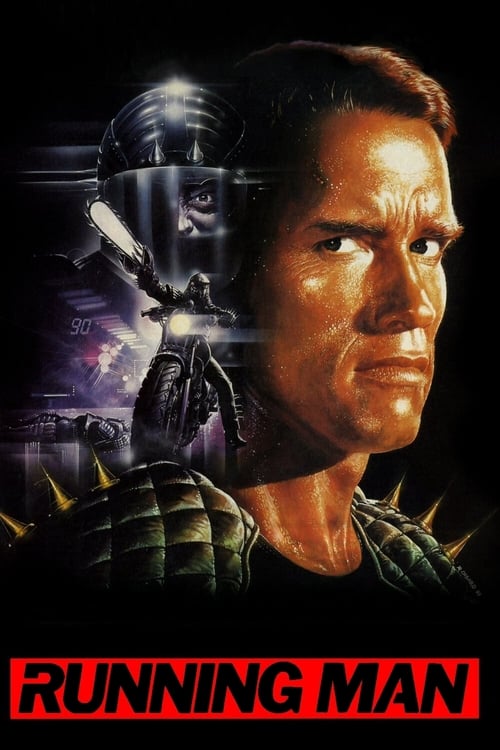
In what quickly begins to resemble a new age version of The Running Man, we follow the enigmatic and vengeful Sergeant ( Frank Grillo ) as he dares to head out into the streets during the Purge.
In a strange way, I was reminded of Schwarzenegger's The Running Man and there's a sequence in The Purge: Anarchy that seems designed to pay homage to The Hunger Games .
Instead, The Purge: Anarchy becomes a blend of The Running Man and any wackadoo government conspiracy movie ever made, still refusing to grasp everything The Purge has to offer.
The sequel not only stays out of suburban homes for long periods of time; it refuses to stay anywhere for more than 29 seconds — because if your goal is to make a movie that evokes films like The Warriors, Escape from New York, Invasion of the Body Snatchers and The Running Man, it only makes sense to keep the story moving at a brisk clip.

What follows is a mix of Sam Peckinpah's classic "Straw Dogs" and Michael Haneke's two "Funny Games" films, as the mild-mannered Sandins must make difficult choices and tap into their inner animals.
Nor has he considered the ingenuity, determination and bloodlust of the well-dressed young man outside his gates, whom the credits call Polite Stranger (Rhys Wakefield) and whose smirking façade is creepily similar to one of the icy home invaders in Michael Haneke’s Funny Games.
(Fans of pastiche may have fun picking out the movie's influences: What starts as an intriguing mix of "The Lottery," "The Hunger Games" and "The Stepford Wives" becomes a pretentious, pumped-up replay of the sadistic hit "The Strangers" and Michael Haneke's cruel and pompous "Funny Games.")
The main bad guy is a clear allusion to Michael Haneke’s thriller Funny Games, a movie that purposefully upset its audience in order to get them to think about their relationship to cinematic violence.