
Jerry Zucker
44 connections found
Filmography
View:
Connections, in both directions



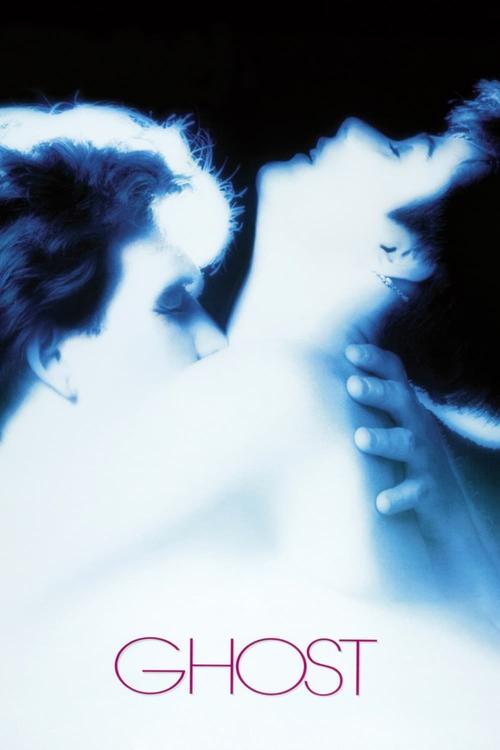
Oh, and while the romance here is mostly quiet, there's a kitchen scene that may do for peach pies what "Ghost" did for pottery wheels.
Inevitably, this major set piece is reminiscent of the famous pottery scene in " Ghost ," not just in its staging but in its comparative lack of passion.
You may come out talking about the pie-making scene — like the pottery sequence in “Ghost,” except not — but it probably won’t be for the right reasons.
He's a master chef - I suppose the peach pie baking scene is intended to mimic the clay molding in Ghost - and a whiz at fixing broken things.
(On the latter point, there's even a pie-making sequence that stirs memories of Ghost's pottery-spinning segment.)
The film’s centerpiece is a pie-making scene that reminded me of the pottery scene in Ghost.
The movie tries to combine “The Sixth Sense” and “Ghost” to reflect on the painful gulf between life and death, while also hinting at our ability to retain something from those we've lost.
All right, there are lots of precedents for this kind of narrative model starting with Ghost (1990), and Anthony Minghella's Truly, Madly, Deeply, released the same year.
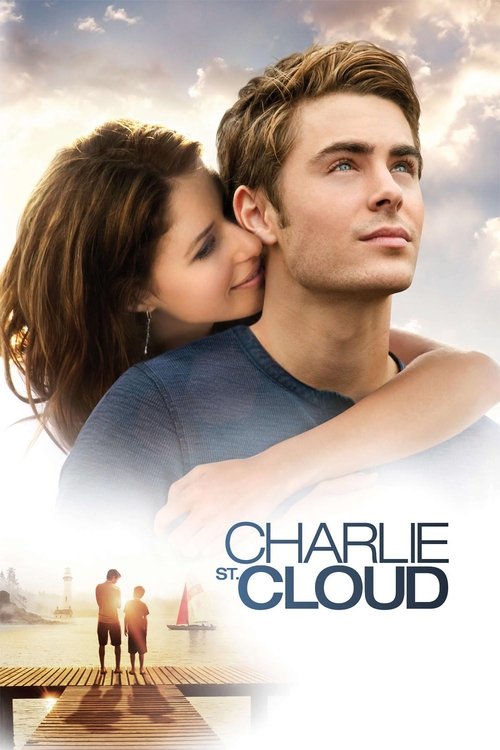
It’s possible that Zac Efron’s legion of young, female admirers will embrace their idol in this lachrymose supernatural melodrama, a wannabe cross between Ghost and The Sixth Sense .
Director Burr Steers, who helmed (no pun intended) Efron in the charming body-switch comedy 17 Again, shrouds the film with a guilt-edged melancholy that evokes the atmosphere of Ghost and The Sixth Sense.
But he's not given much of a chance to demonstrate more than a piercing gaze and some of the best crying since Demi Moore in "Ghost."
Efron is clearly talented, and he can shed a single tear on cue in the same uncanny manner Demi Moore did in Ghost.
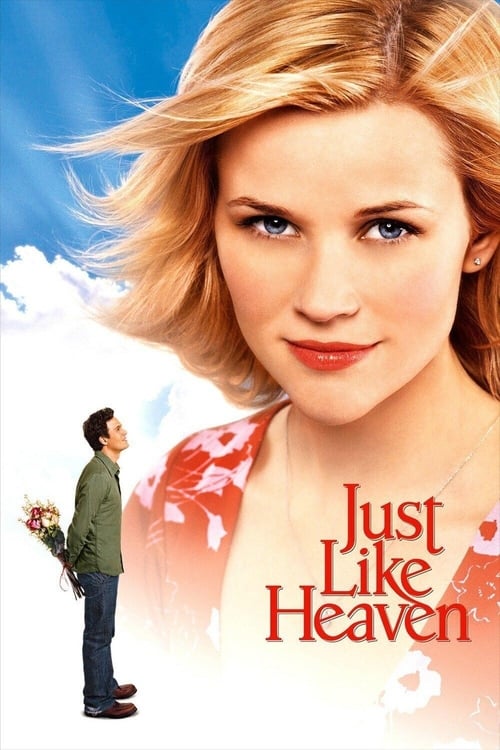
(CNN) -- "Just Like Heaven" could draw comparisons to the wildly successful 1990 film "Ghost."
From here, the script follows the conventions of the traditional Hollywood supernatural romance -- from "Blithe Spirit" to "Portrait of Jennie" to "Ghost."
The movie is like a lot of things - such as similarly themed films "High Spirits," "Ghost" and "City of Angels" - but heaven isn't one of them.
The premise is a high-concept reimagining of Ghost, though director Mark Waters aims more for slapstick than mawkish sentiment.
Just Like Heaven: Reese and Ruffalo Remarkable in Thinly-Veiled Variation on "Ghost"…
Just Like Heaven tries to be an unholy union of Ghost and All of Me, and the result is rarely humorous, rarely romantic, and rarely affecting.
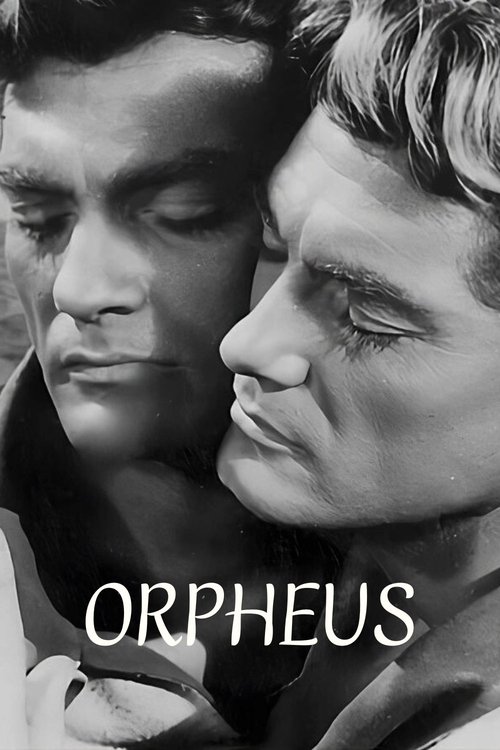
Jerry Zucker's 1990 fantasy combines elements of Spielbergian wistfulness a la Always (a dead man yearns to tell his beloved how much he loves her) and what appear to be very dim memories of Cocteau's Orpheus (a hunk walks through walls).
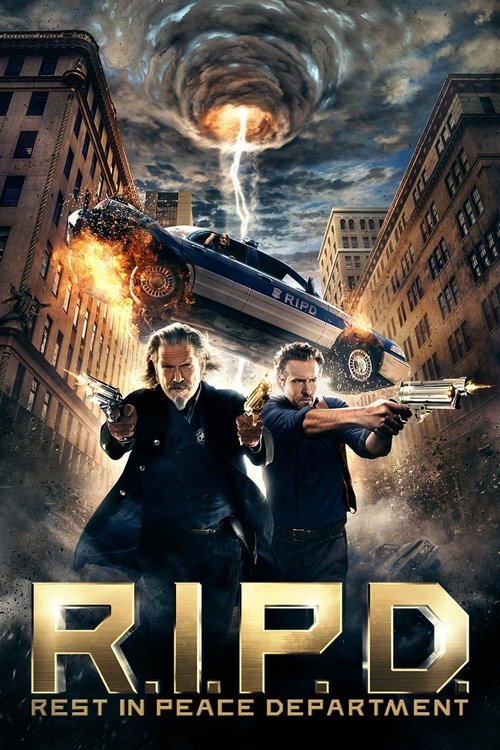
Novel in a comic book, certainly, but here's it's just empty window dressing for a concept, style, and presentation that feels like the unholy combination of Dead Heat (1988), Ghost (1990), Ghostbusters (1984), and (dear lord) Cowboys and Aliens.
The convoluted but never interesting story, written by David Dobkins, Phil Hay and Matt Manfred, combines element of “Ghostbusters,” “Men in Black” and “Ghost.”
But it seems unwise to turn Ghost into another movie that trashes a city (Boston) and in which the odd-couple cops try to stop the backstabbing Tony Goldwyn character from Ghost — played by Kevin Bacon here, using his Mystic River accent — from assembling a device that opens a portal that will send what appears to be a gushing cyclone of billions of undead monsters to Earth.
A little “Ghost,” a lot of “Men in Black,” “R.I.P.D.” has Mary-Louise Parker as the Proctor of the Afterlife, the station chief who pairs up partners and gives these guys their marching orders.
An unholy mash-up of “Men in Black,” “Ghost” and the short-lived CW series “Reaper,” Robert Schwentke’s “R.I.P.D.” is yet another comic-book adaptation that should have stayed on the page.
The team head back to Earth, where Nick watches with unease as (shades of Ghost) his girlfriend (Stephanie Szostak) is comforted by his ex-partner and Roy exposes various "deados" by eating Indian food (huh?) in front of them.
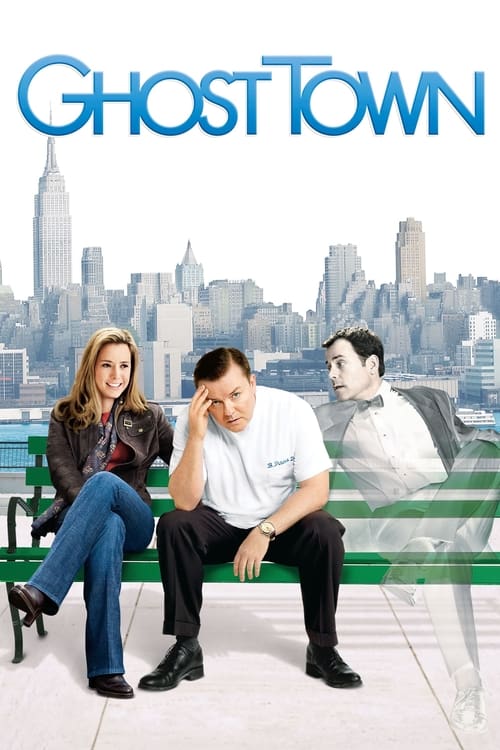
Breezing into screwball-romance terrain charted by such otherworldly standards as "Blithe Spirit," "Topper" and "Ghost," writer-director David Koepp seems liberated by the chance to put repartee front and center.
The living pass through the dead in an amusing way reminiscent of 1990's "Ghost" and each time it happens, the mortals sneeze.
"Ghost Town" plays a bit like a blend between the Bill Murray comedy "Groundhog Day" (1993) and the Patrick Swayze tear-jerker "Ghost" (1990).
Derailed by a romantic subplot, Ghost Town fails to make use of the dead as proper comedic fodder.

If this setup reminds you of another “Ghost” story starring Patrick Swayze and Demi Moore, rest assured there’s no medium played by Whoopi Goldberg arriving to intervene and no pottery was harmed during the making of this picture.
Unlike such genre diverse films as the 1946 Abbott and Costello comedy, “The Time of Their Lives,” the 1947 supernatural romance, “The Ghost and Mrs. Muir” and more recent features as the two versions of “Ghostbusters” and the Patrick Swayze-Demi Moore weeper “Ghost,” spirits and humans do not interact in this story.
Imagine if the 1990 tearjerker Ghost had been remade as a movie that thoroughly examined the nature of grief, lamented the passing of love, and tried desperately to articulate the ineffable paradox in searching for permanence from within a transient life.
I bring up the late actor because of his appearance in the thematically similar and far more engaging and certainly more visually and narratively kinetic "Ghost."
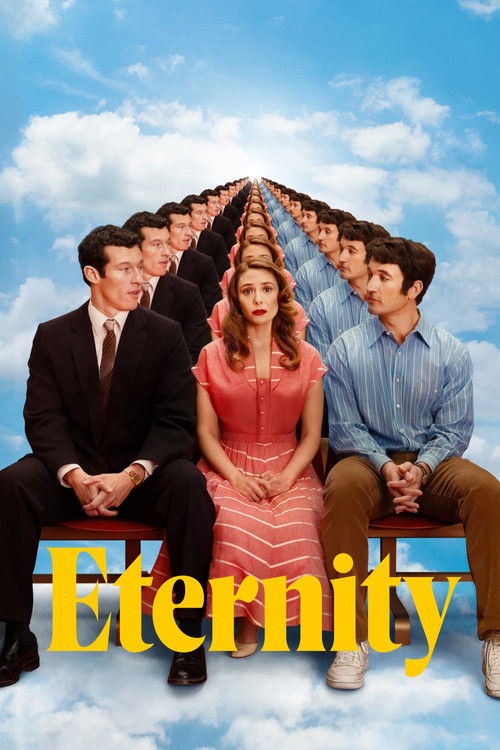
Desde su premisa, Eternity se ubica en una tradición que va de A Matter of Life and Death (Powell & Pressburger, 1946) a What Dreams May Come (Vincent Ward, 1998), pasando por Ghost (Jerry Zucker, 1990).
It’s all smoke and mirrors, sure, but there’s a certain comfort in a life after death where Patrick Swayze can still spin pottery! “Ghost” is for the lovelorn ceramics obsessives…
…an ambitious afterlife romance that could more neatly play alongside films of the era like Heart and Souls, What Dreams May Come and Ghost.
…fun fact: her breakout performance was in the Broadway production of Ghost…

The resurrection of Chris Pine within the body of another recalls, of course, the Patrick Swayze/Whoopi Goldberg dilemma in Ghost (1990), in which, for audience comfort, we’re invited into the disillusionment of the protagonist for optics.
By taking a page from 1990’s “Ghost,” co-writer/director Patty Jenkins manages to bring Steve back into the narrative.
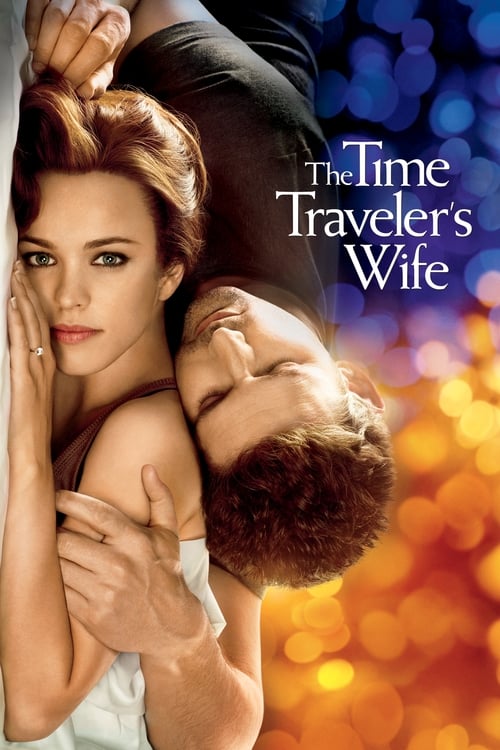
Given that it's a romance with science fiction elements, it makes sense that Rubin was the man for the job, especially since he won an Oscar for writing the 1990 mega-hit Ghost.
Wisely Rubin, who won an Oscar for his Ghost original screenplay, keeps the details of Niffenegger’s story intact but simplifies the premise just enough to make it palatable and coherent for movie audiences.
Maybe the novel by Audrey Niffenegger, which a number of people seem to have read and enjoyed, was more convincing, but the unsatisfactory, yo-yo script by Bruce Joel Rubin, who wrote Ghost, makes no real effort to explore the inner emotions of the characters.
And in the hands of director Robert Schwentke (Flightplan) and screenwriter Bruce Joel Rubin (Ghost, Deep Impact), the problem isn’t the timeline—it’s everything else.
Adapted from Audrey Niffenegger's 2003 best-seller, the movie was scripted by Bruce Joel Rubin, who took home a 1990 Academy Award for " Ghost ," another tear-jerking love story featuring a physically absent hubby.
Adapted by Bruce Joel Rubin (who wrote Ghost , which seems fitting) and directed by Robert Schwentke ( Flightplan ), it succinctly establishes the world it takes place in -- a world where time travel is possible -- and then lets us experience, to some extent, the feelings and emotions that would naturally occur in such a world.
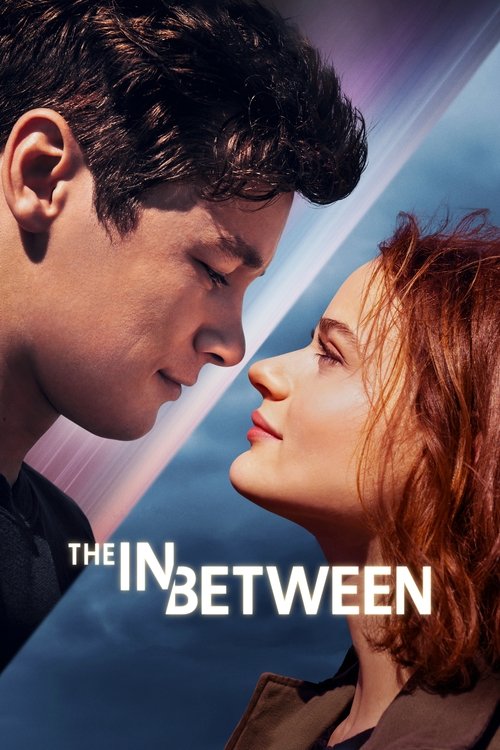
The spirit of “Ghost” literally haunts “The In Between,” a romance about two high school students whose love affair is tragically cut short, including a cameo by the poster for the 1990 blockbuster which starred Demi Moore and Patrick Swayze.
While that same idea has been used many times before on the big screen — most popularly with “Ghost,” in which Patrick Swayze stayed temporarily tethered to the world after his murder because he wanted to warn his lovely girlfriend (Demi Moore) that the killer might be coming for her — its treatment is far more flimsy in “The In Between.”
Like “Ghost” and “Truly Madly Deeply,” this is a story of love and loss.
Paramount+ obliges with a “Ghost”-like supernatural teen romance that’s made all the better thanks to its two magnetic leads — Livermore native Kyle Allen and Joey King.
Evoking the 90s classic Ghost , Paramount+ original movie The In Between is an adorable otherworldly romance that comes right at the perfect time of year: the movie-starved opening stretch.
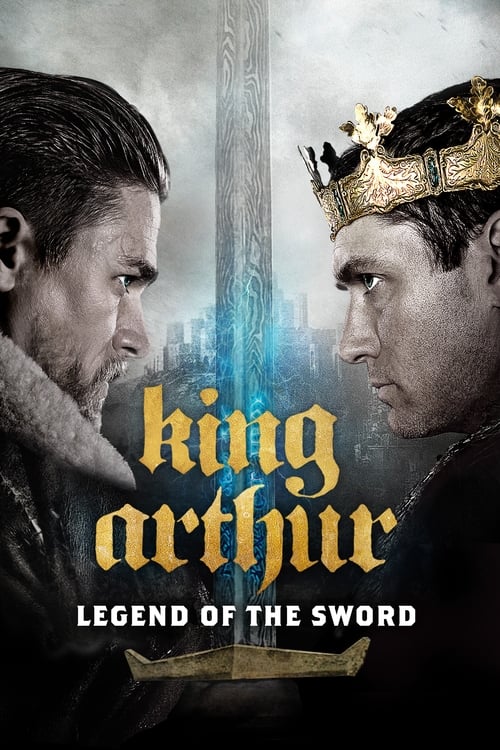
King Arthur: Legend of the Sword (2017)
Directed by Guy Ritchie
influenced by First Knight (1995)
Plot
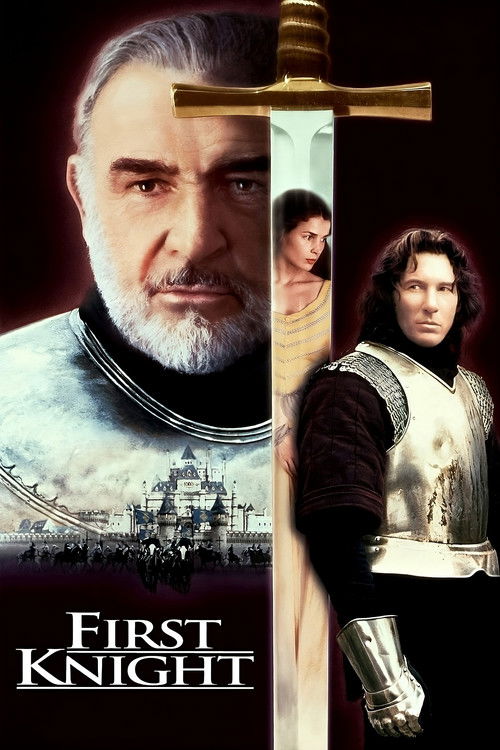
Antoine Fuqua’s King Arthur was the last costly wannabe blockbuster to ask what Arthurian legend would be like if it were boring, and before that, there was Jerry Zucker’s First Knight .
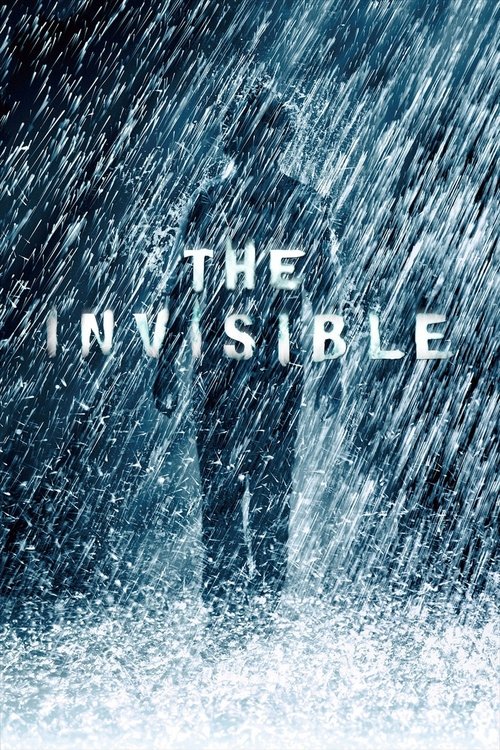
The plot sounds like "Rebel Without a Cause " grafted onto "Ghost ," but in fact "The Invisible" is a remake of a 2002 Swedish hit, "Den Osynlige ," which was based on an original novel.
As if in a dream or in the movie Ghost , Nick Powell (Justin Chatwin), a troubled rich kid, can see himself dying in the woods but is powerless to do anything — he’s in limbo and unable to interact with the material world.
In one of the strangest groupings comes David S. Goyer’s The Invisible , which is equal parts The Sixth Sense , Ghost and It’s a Wonderful Life .
Yes, it sounds a bit like “Ghost” with a teenager, only the main character isn’t dead in this film.
It’s a remake of the 2002 Swedish thriller Den Osynlige , but it comes off like a toothless, teenybopper take on Ghost .
"A mash-up of Ghost and The O.C. with a point-of-view directed with uncompromising resolve at the protagonist's navel is bad?" Sadly, yes.
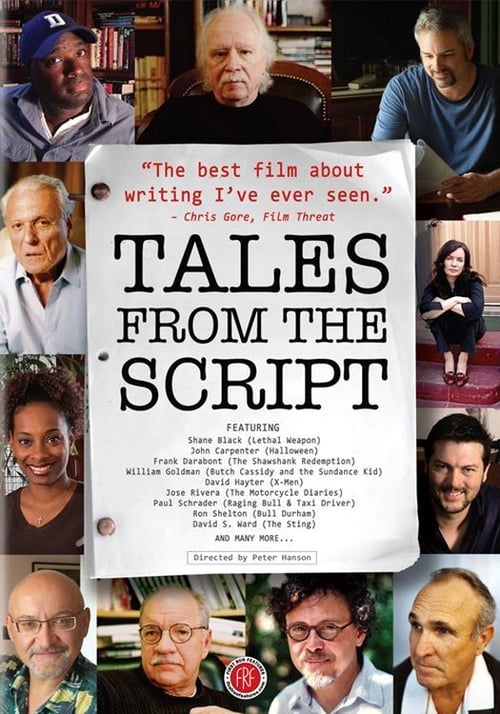
And Ghost Oscar winner Bruce Joel Rubin has an uplifting story about one person's gratitude for My Life that seems to make up for all the bad stuff associated with the craft.
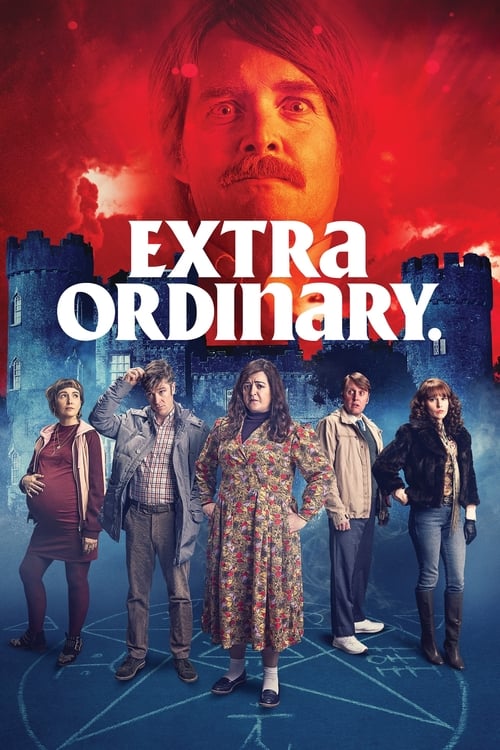
And all that derivative “Ghost Busters,” “Exorcist,” “Ghost Town” and “Ghost” stuff?
To get them to shove off, Martin must allow them into his body (think Whoopi Goldberg in Ghost).
Imagine if Whoopi Goldberg told Demi Moore to fuck off and then never came around in Ghost ?

Although the characters sometimes seem a bit remote and aloof -- nearly everyone has his or her own personal turmoil to handle or political agenda to advance -- and the storytelling drags in the first hour, "King Arthur" makes an intriguing companion piece to some of the other screen interpretations of the legend, such as director John Boorman's opulent "Excalibur," which portrayed Camelot as a place ripe with sorcery and eroticism, and the underrated "First Knight," another revisionist take on the story, which starred Julia Ormond as a feisty Guinevere torn between Sean Connery's Arthur and Richard Gere's Lancelot.
The tradition was perpetuated in the 20th century by T.H. White (The Once and Future King), Mary Stewart (The Crystal Cave and its several sequels), Marion Zimmer Bradley (The Mists of Avalon), and, of course, by countless cinematic adaptations, including Robert Bresson's Lancelot du lac, John Boorman's Excalibur, Jerry Zucker's First Knight, and Monty Python and the Holy Grail.
If you're looking for something closer to the Arthur legends, or if you just want to see some old-fashioned knights in shining armor rescuing fair damsels in distress, you might consider John Boorman's excellent "Excalibur" (1981), the best of the lot; or "Ivanhoe" (1952), "Knights of the Round Table" (1953), "Prince Valiant" (1954), "The Black Knight" (1954), "Sword of Lancelot" (1963), "Lancelot du Lac" (1974), "Sword of the Valiant" (1982), "First Knight" (1995), "Dragonheart" (1996), the musical "Camelot" (1967), or even the zany "Monty Python and the Holy Grail" (1975).
The last version of this story I remember seeing was 1995’s First Knight in which Sean Connery and Richard Gere fought it out over Julia Ormond.

Here is another film that ponders the big life-or-death existential questions, in the grand cinematic tradition of 1946’s A Matter Of Life And Death or, say, 1990’s Ghost.
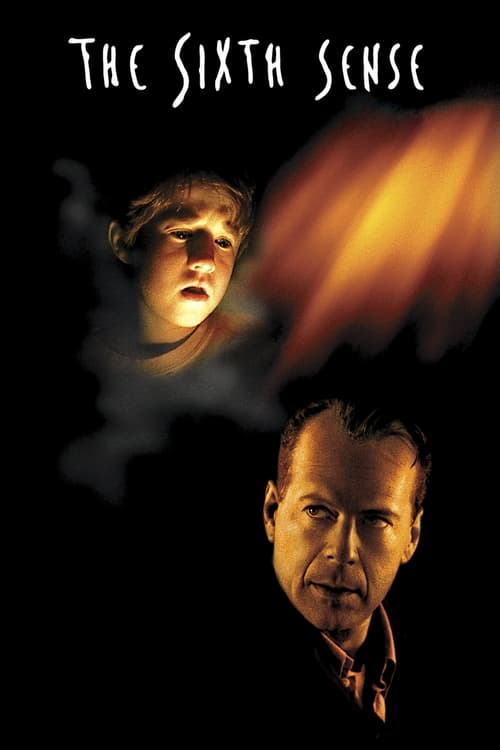
Ultimately, it has less in common with Blair Witch than with such quivering lumps of sentiment as Ghost (1990) and Field of Dreams (1989).
"The Sixth Sense" smears "Ghost" sentiment, heartbreak and romantic redemption all over "Jacob's Ladder's" brilliant head game with Willis doing his best Bruno-Ganz-in- "Wings of Desire" right down to the pose he strikes in a black trench coat on a front lawn.
Oddly enough, I think that if the misleading advertising campaign is overlooked, this film will draw in more of a Ghost crowd, rather than people looking for another scare-fest along the lines of The Blair Witch Project.
I'd be willing to bet studio suits wanted to dumb down this movie and re-write it with wanton warm fuzzies (a la "Ghost").
I'll admit that I've always been a sucker for this type of "after death" story, and have usually found such films -- whether they're intentionally frightening or just romantic "dramedies" such as "Ghost," the underrated "Always" and the fabulous "Heaven Can Wait" -- highly involving and often thought-provoking.

As Sam and Molly circle each other, accompanied by the rapturous strains of the Righteous Brothers singing ''Unchained Melody,'' Ghost becomes the movie Steven Spielberg's Always wanted to be ?
And now, in the past few months, we've had ghost stories: Spielberg's "Always," Bo and John Derek's hideous "Ghosts Can't Do It," the aforementioned "Ghost Dad" and this one, with the no-nonsense title "Ghost."
Jerry Zucker's 1990 fantasy combines elements of Spielbergian wistfulness a la Always (a dead man yearns to tell his beloved how much he loves her) and what appear to be very dim memories of Cocteau's Orpheus (a hunk walks through walls).
If ghosts are real and the day comes when it's time for me to check out, you'll probably find my spirit chilling at a movie theater, watching movies and knocking phones out of rude texters hands like I'm Vincent Schiavelli in "Ghost."