
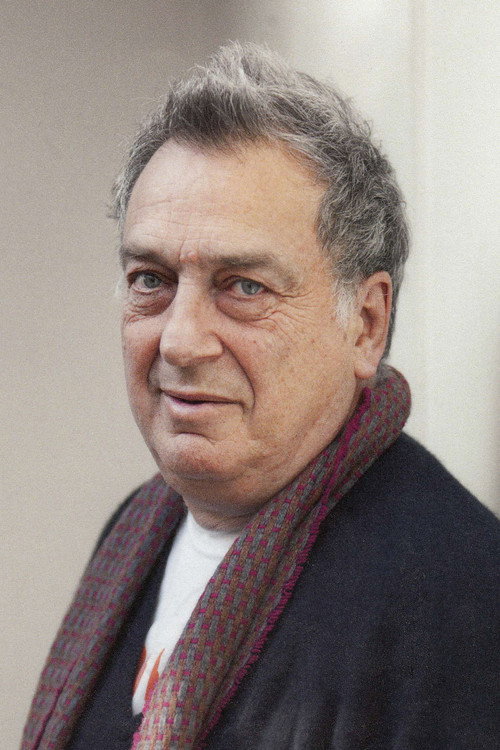
Stephen Frears
124 connections found
Filmography
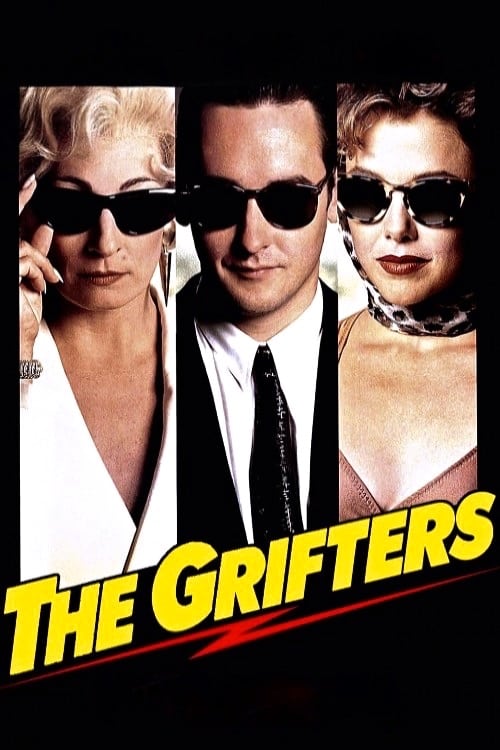 The Grifters 1990
  Sammy and Rosie Get Laid 1987
 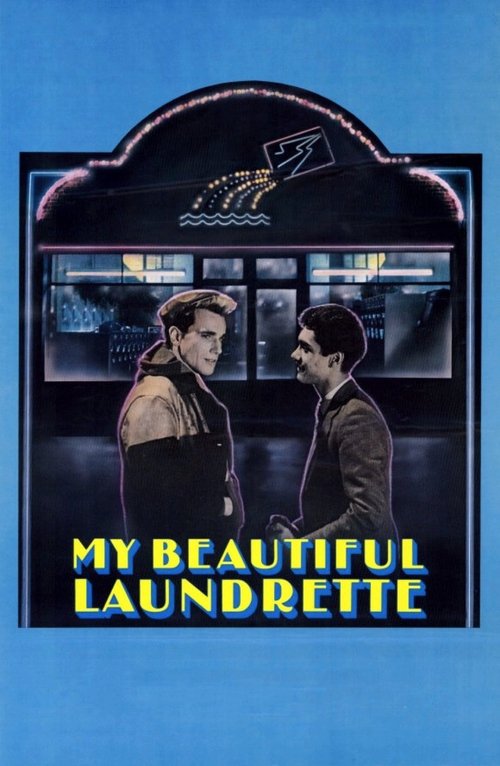 My Beautiful Laundrette 1985
 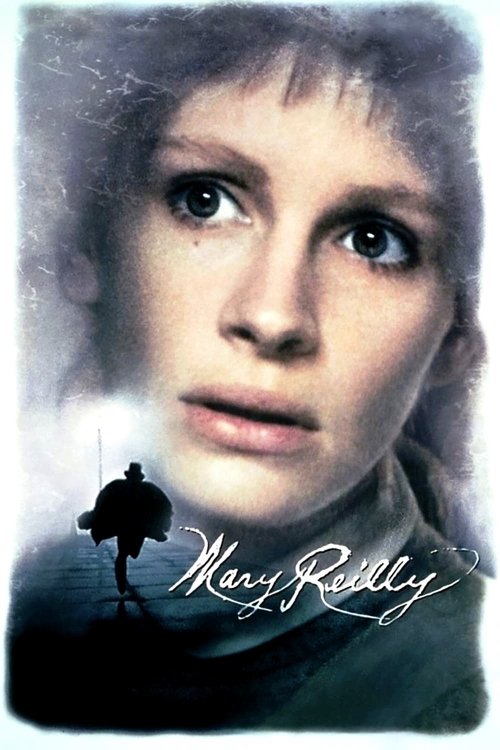 Mary Reilly 1996
 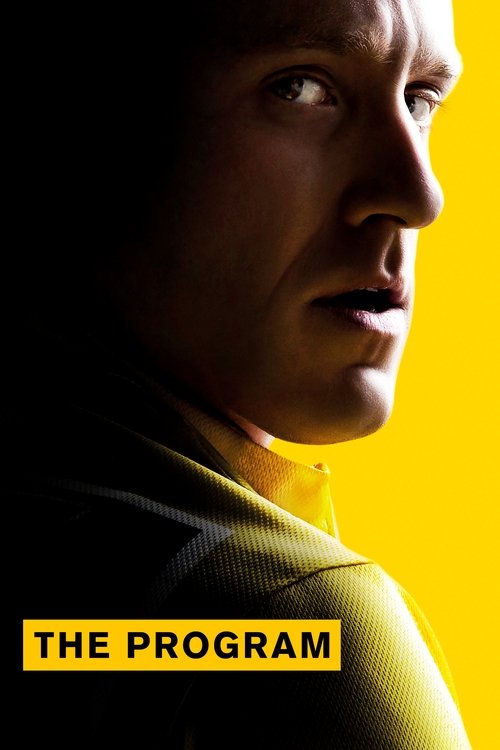 The Program 2015
 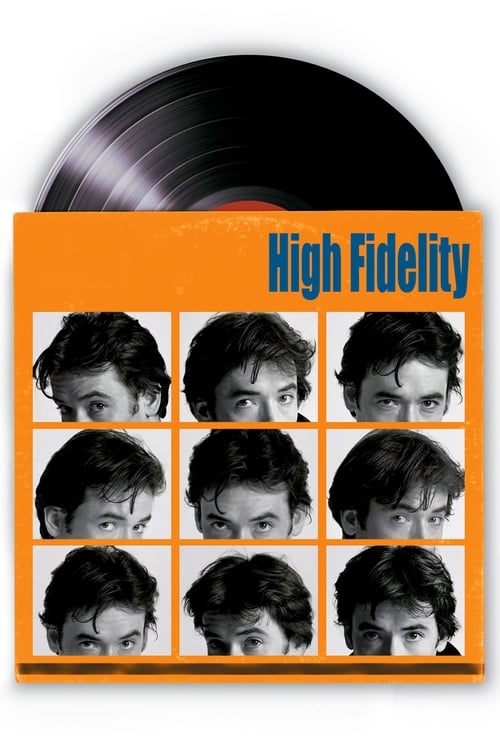 High Fidelity 2000
 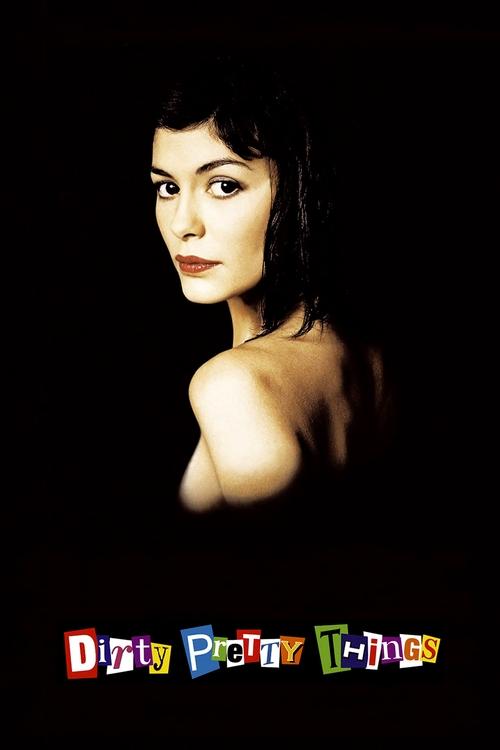 Dirty Pretty Things 2002
 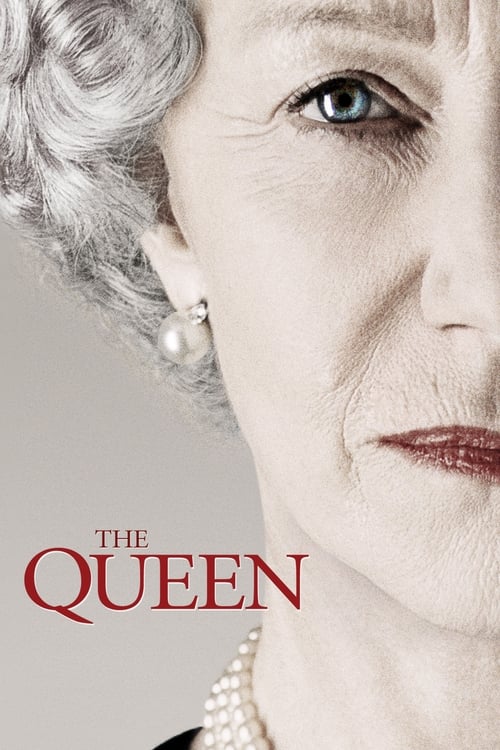 The Queen 2006
  Dangerous Liaisons 1988
  The Hit 1984
  Liam 2001
  Tamara Drewe 2010
  Muhammad Ali's Greatest Fight 2013
 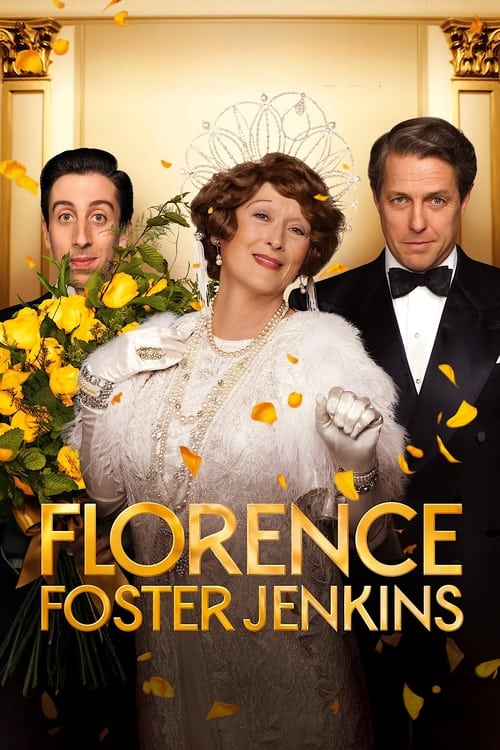 Florence Foster Jenkins 2016
 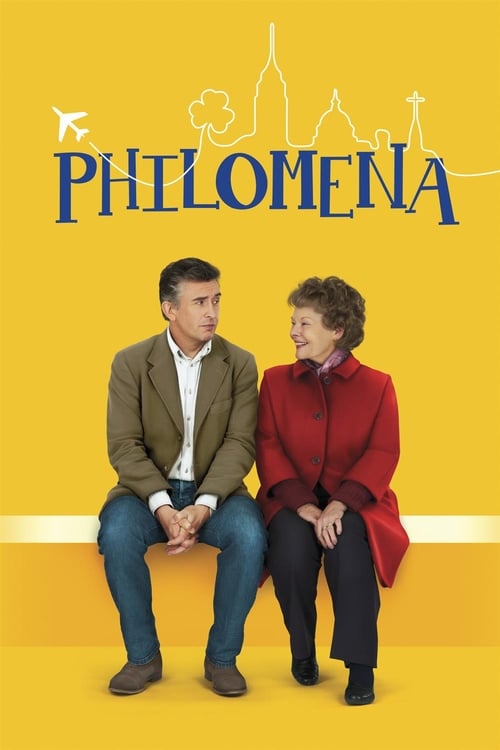 Philomena 2013
 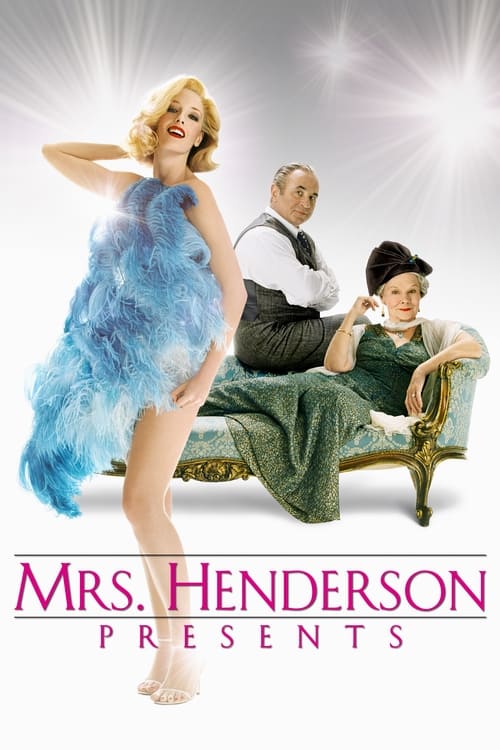 Mrs. Henderson Presents 2005
  Prick Up Your Ears 1987
  Hero 1992
  The Van 1996
  The Hi-Lo Country 1998
  The Snapper 1993
  Chéri 2009
  Victoria & Abdul 2017
  Fail Safe 2000
 View:
Connections, in both directions


The reason for that, aside from Dench's acting, is the strength of her story, which has parallels to the tales told in Peter Mullan 's considerably more savage 2002 feature, "The Magdalene Sisters."
The nuns' cruelty to the younger Philomena is akin to what we saw in Peter Mullan's "The Magdalene Sisters" (who are even cited in one scene) and it opens the door for Sixsmith's questioning of the place of religion in modern society.
The depiction of events at the convent brings to mind Peter Mullan's poignant and unflinching 2002 film The Magdalene Sisters which revealed the inhuman treatment of large numbers of "fallen women" in Irish Catholic asylums where they worked in profit-making laundries as virtual slaves.
Star Steve Coogan (various Alan Partridge series and movies) and Jeff Pope ("Pierrepoint: The Last Hangman") have adapted Sixmith's book 'The Lost Child of Philomena Lee' as an odd couple road movie with flashbacks recalling Peter Mullen's 2002 Venice Film Festival winner "The Magdalene Sisters."
Though it flickers with the fury that coursed through Peter Mullan’s The Magdalene Sisters , another film about this chapter in U.K. history, Philomena ultimately strives to be a tale of forgiveness.
Hinds and Hjejle (whom Stateside audiences might remember as the female lead in High Fidelity) have terrific chemistry as two lost, lonely souls who find comfort in each other for a brief idyll.
He is assigned to drive Lena (Danish actress Iben Hjejle of "High Fidelity"), a writer of ghost stories.
The Eclipse is lifted by its leads, however, who turn in sensitive performances: fine character actor Hinds (There Will Be Blood, Rome, Munich) radiates a permanent sadness and polite discomfort, while Hjejle (High Fidelity) reveals a lovely mixture of yearning and impulsiveness.
One of his charges is Lena Morelle (Iben Hjejle, a Danish actress best known here for the John Cusack comedy “High Fidelity’’), a pretty, nervy writer of supernatural fiction.
He is assigned to be the driver for one of the authors at the festival, Lena (Iben Hjejle of “High Fidelity”), who writes non-fiction books about encounters with ghosts.
He's also been seeing the ghost of his father-in-law who is not yet dead, so he is more than a little intrigued by the author he is tasked with hosting as Lena Morelle (Iben Hjejle, "Mifune," "High Fidelity") writes knowingly of ghosts in her latest book, "The Eclipse."
Hearts Beat Loud (2018)
Directed by Brett Haley
influenced by High Fidelity (2000)
Characters Themes Plot
For the past 17 years the cantankerous Frank has run Red Hook Records, despite his High Fidelity-style approach to customer service.
Yes, shades of High Fidelity should indeed come to mind but, this is more than mere music snobbery.
Today the shop is endangered due to rising rents, but in any case it’s not clear how they could have survived on what can’t have been much of an income—Frank is an older version of John Cusack’s character in High Fidelity , more interested in maintaining his sense of superiority over customers than in selling records, and isn’t interested in cashing in on the hipster taste for vinyl—but they have a spacious and comfortable apartment, nice clothes, and apparently none of the problems that tend accompany real, rather than hipster, poverty, from bad teeth to poor education to abuse by the police.
Picture an older version of John Cusack’s list-obsessed record store owner in High Fidelity, a guy whose cynical worldview has mellowed into something approaching resigned indifference.
High Fidelity (2000), Empire Records (1995), Ghost World (2001), and even Last Shop Standing , Pip Piper 2012’s documentary about the rise and fall of about two dozen independent mom-and-pop outlets in the U.K., all gave me a tickle.
The first scenes give every indication that we’re going to see a lackluster update of High Fidelity.
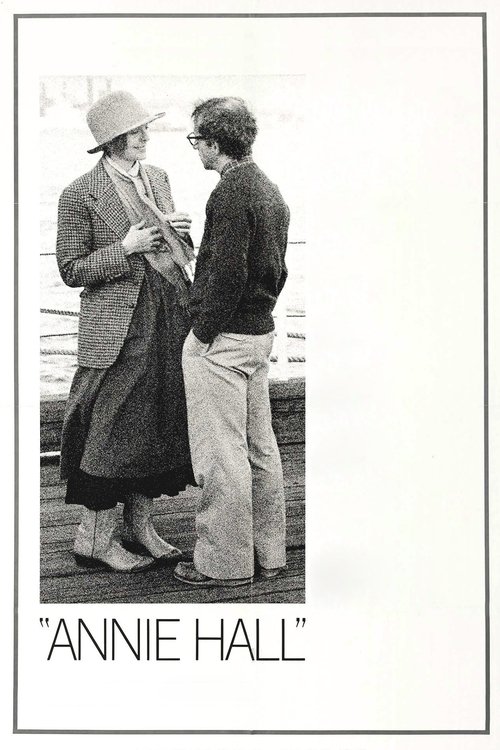
There's more than a hint of Woody Allen in the project, from the neuroses of the main character to the Annie Hall-type dissection of a failed romance, but without the stigma that some movie-goers attach to anything Allen does.
All I know is that Cusack’s direct address to the camera and his self-reflective narration of his failed relationships doesn’t seem nearly as effective now, at least in the first part of the film, as Woody Allen’s “Annie Hall,” which was made 23 years earlier, or Rob Reiner’s “When Harry Met Sally . .
Heureusement, plutôt que de se tourner bêtement vers l’utilisation de la fameuse voix off, les quatre scénaristes optèrent pour une solution beaucoup plus créative - et de loin plus brillante - en répétant le même stratagème qui avait fait en grande partie le charme du remarquable Annie Hall de Woody Allen.
Cameos, flashbacks, zany fantasies, scenes repeated with different outcomes: The movie is a slacker's Annie Hall (1977).
British director Stephen Frears does a good job at adapting the cult Nick Hornby novel into a dynamic, free form picture which borrows a few storytelling tricks from Woody Allen's "Annie Hall" (notably how Cusack's character talks directly to the camera) without losing its original flavor.
High Fidelity is practically an update of Annie Hall, featuring fourth-wall breaking, fantasy sequences, a protagonist who has had several relationships, and a realistic ending in which the future is still up in the air.
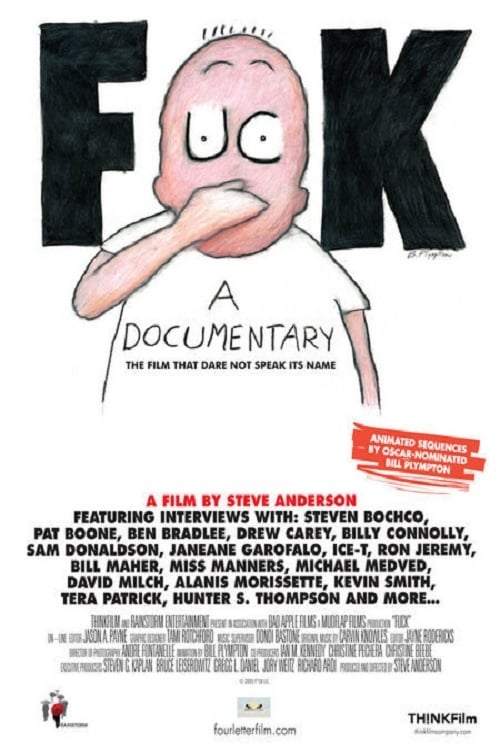
The film was actually made in 2005 and perhaps the distributors could have urged Anderson to splice some non-American material into this, some reference to Kenneth Tynan, say, or Hanif Kureishi talking about the original title for Sammy and Rosie Get Laid – The Fuck – to give this broader appeal.
Rather, it’s a murky fusion of parent and peer reminiscent of Roy and Lilly Dillon in The Grifters.
Blue Is the Warmest Color (2013)
Directed by Abdellatif Kechiche
influenced by My Beautiful Laundrette (1985)
The few truly erotic scenes in movies—such as Alan Bates and Jennie Linden in Ken Russell’s Women in Love (1969), Bates and Oliver Reed’s nude wrestling match in the same film, Daniel Day-Lewis and Gordon Warnecke in Stephen Frears’ My Beautiful Laundrette (1985)—capture the abandonment and essence of the events, not the mechanics and certainly not for seven minutes.
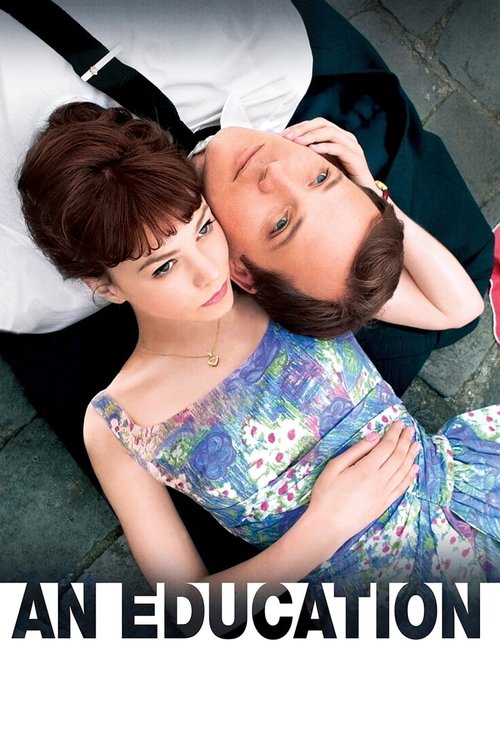
Hornby may have been pigeonholed as a writer who tells men's stories (or even the stories of boyish men) with High Fidelity and About a Boy, but his work here, building from the foundation of Barber's memoir, builds compelling, human characters regardless of gender or class or age; it's some of his finest work.
High Fidelity, arguably the best Hornby film, held out hope that he might still rescue himself on the strength of John Cusack, Stephen Frears, and the brotherhood of vinyl record geekdom.
When sitting down to watch a film penned by Nick Hornby (High Fidelity, About A Boy) you expect something lighthearted and emotional, with a bit of British humor.
Funnily enough, it's boys' own novelist Nick Hornby (High Fidelity) who adapted this story from the memoir by journalist Lynn Barber and, though liberties have been taken and names changed, he paints an accurate portrait of this precocious girl which remains just as smart.
The screenplay by Nick Hornby (" About a Boy " and " High Fidelity ") is based on a memoir by a real person, the British journalist Lynn Barber.

Director Steve Pink (Grosse Point Blank, High Fidelity) gives his comedians plenty of slack, and they find funny ways to fill it.
For fans of John Cusack , the last few years have been a fairly bewildering time as the actor whose mere presence in a film was an almost certain indication that it would be of greater intelligence, ambition and quality than most ("The Sure Thing," "Tapeheads," "Say Anything," "Grosse Pointe Blank" and "High Fidelity" to name but a few) has lately been found in a string of projects so questionable that even Nicolas Cage might have hesitated to appear in them if they had come his way.
On that movie, director Steve Pink and star John Cusack continued a theme they established in both "Grosse Pointe Blank" and "High Fidelity," which they co-wrote.
Here’s why: With the original, director Steve Pink (Grosse Pointe Blank, High Fidelity) turned what should have been a bullshit, nonsensical comedy into a wryly clever parody of its star’s past resume.
As McMoon, The Big Bang Theory’s Simon Helberg is perfectly cast, an accomplished pianist whose nervous laugh not only echoes Tom Hulce’s cackle in Amadeus , but also weirdly mirrors the shriek with which Streep hits a high C. Hugh Grant is on career-best form as Florence’s partner/manager St Clair Bayfield, a self-proclaimed “eminent actor and monologist” (he has performed Hamlet many times, although sadly “not as yet in the principal role”) whose recitals provide an appetiser to Jenkins’s own thrillingly bonkers tableaux vivants – winged set pieces mounted for the “Verdi Club”.
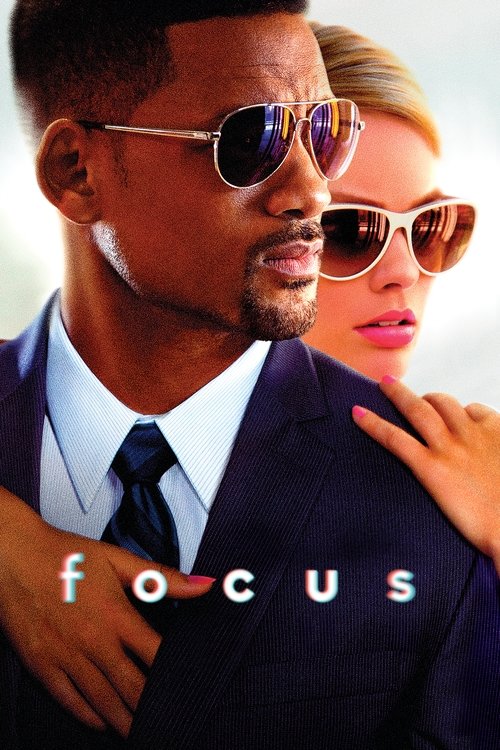
This is a movie, an amusement, not some somber statement about the con game a la 1990’s The Grifters or any number of outside-the-law dramas.
While movies about conmen are nothing new, Focus takes a different approach than something like The Grifters or others since it’s built around the romantic chemistry between Smith and Robbie, both good-looking actors who have a substantial amount of charm.
When it comes to con flicks it's more Oceans Eleven without the famous ensemble cast than say The Grifters.
You have, in dozens of better movies, from "The Sting" to "The Grifters" to the "Ocean's Eleven" series and "American Hustle."
See “The Sting,” “House of Games,” “The Grifters.”
A romantic caper stocked with con artists, good looks but little sizzle, Focus is no Trouble in Paradise, House of Games or The Grifters.
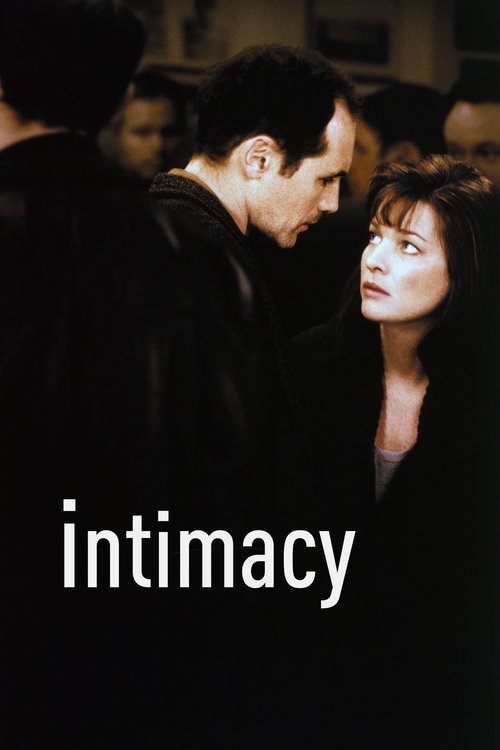
Intimacy (2001)
Directed by Patrice Chéreau
influenced by My Beautiful Laundrette (1985), Sammy and Rosie Get Laid (1987)
This time around, Chereau is not pulling from French history but two stories: "Intimacy" and "Night Light" by Hanif Kureishi, the gifted writer of "My Beautiful Laundrette," "Sammy and Rosie Get Laid" and "My Son the Fanatic."
Based on the novel "Intimacy" and the story "Nightlight," by Hanif Kureishi the Pakistani-British writer best known for his screenplay "My Beautiful Laundrette" this is a surprisingly moving film.
Based on stories by Hanif Kureishi ("My Beautiful Laundrette," "Sammy and Rosie Get Laid") and directed by Frenchman Patrice Ch�reau ("Queen Margot"; this is his first English-language film), "Intimacy" is an earnest but ultimately pretentious production.
Adapted by Chereau and Anne-Louise Tridivic from "Intimacy" and "Night Light" by "My Beautiful Laundrette" writer Hanif Kureishi, it stars Mark Rylance and Kerry Fox as lovers who know nothing about each other but meet weekly for searing sexual encounters.
This time around, Chereau is not pulling from French history but two stories: "Intimacy" and "Night Light" by Hanif Kureishi, the gifted writer of "My Beautiful Laundrette," "Sammy and Rosie Get Laid" and "My Son the Fanatic."
Based on stories by Hanif Kureishi ("My Beautiful Laundrette," "Sammy and Rosie Get Laid") and directed by Frenchman Patrice Ch�reau ("Queen Margot"; this is his first English-language film), "Intimacy" is an earnest but ultimately pretentious production.
The screenplay was co-written by Fontaine and playwright and screenwriter Christopher Hampton (“Dangerous Liaisons,” “A Dangerous Method”).
The screenplay is by Christopher Hampton, Oscar-winner in 1989 for his script for "Dangerous Liaisons," adapted from his own play.
And the adapted screenplay comes from a respected writer: Christopher Hampton (who won an Oscar for adapting " Dangerous Liaisons ").
Adapted by the playwright Christopher Hampton (“ Dangerous Liaisons ,” “ Atonement ”), the film adheres to Lessing’s own spare, unyielding prose — a framework Fontaine regrettably festoons with vapid beauty shots and longingly pretty gazes.
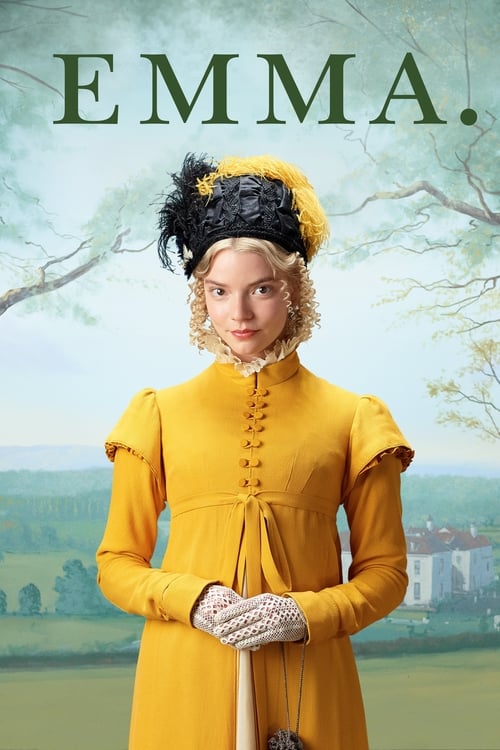
Emma is sort of a kindlier version of Glenn Close’s carnivorous marquis from “Dangerous Liaisons,” a self-appointed matchmaker and string-puller.
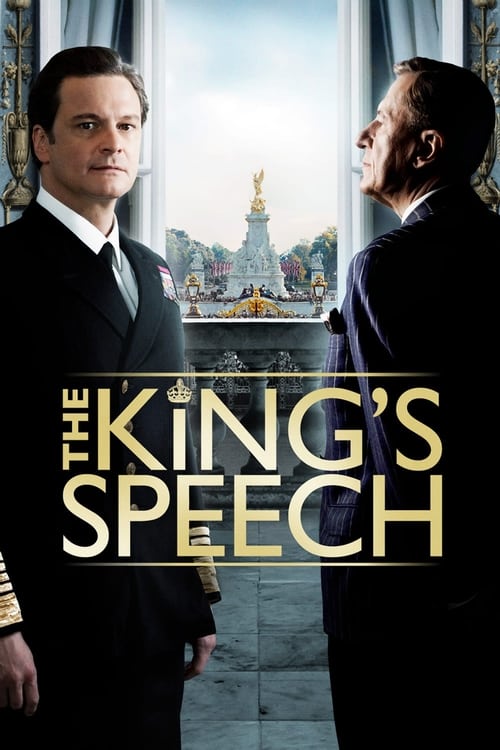
The King's Speech (2010)
Directed by Tom Hooper
influenced by The Queen (2006)
Characters Themes Plot
Perhaps the best way to describe the way Firth inhabits the character is to recall Helen Mirren's astounding turn in The Queen .
In this sense, The King's Speech is an altogether more significant and ambitious work than Stephen Frears's admirable The Queen of 2006 and far transcends any political arguments about royalty and republicanism.
Working from the British-royalty-biopic template perfected by Peter Morgan ( The Deal , The Queen ), The King’s Speech provides a cute, complication-free portrait of the Duke of York (Colin Firth), who would eventually become King George VI of England, and his difficulty overcoming a lifelong stammer.
Like The Queen (2006) , its a story about the effect of ordinary people on the vitality of the monarchy and, specifically in the case of The Kings Speech , how a sympathetic teacher befriended a reluctant king and helped him overcome his fears and disabilities to help lead the free world to victory over Hitler and his Nazi army.
Biopics as different as Ed Wood and The Damned United have chronicled public failure, showing how even the most driven of individuals can sometimes produce embarrassments.
Instead, like “Ed Wood” (1994), it’s a movie in which love of art and kindness of heart triumphs over lack of talent.
Though the script has genuine affection for Foster Jenkins, and Meryl Streep does her level best to imbue her with humanity, it can’t balance empathy with an honest acknowledgment of her artistic shortcomings the way, say, Ed Wood managed so beautifully.
Frears presents Jenkins as lovingly as Tim Burton presented his title character in Ed Wood , the real-life Z-movie maestro played to perfection by Johnny Depp.
The question of whether the title character is oblivious to her own flaws is left moot, as it was in the case of Ed Wood, Tim Burton’s film about the legendarily dreadful director.
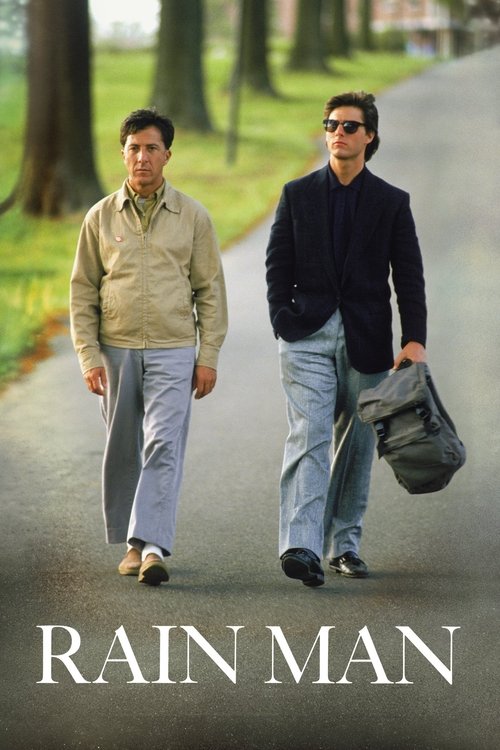
The great Fritz Weaver ("Marathon Man") as Justice Hugo Black, Barry Levinson (director, "Rain Man") as Justice Potter Stewart , Harris Yulin ("24") as Justice William O. Douglas , Ed Begley Jr. ("Arrested Development") as Justice Harry Blackmun , Dana Ivey ("Boardwalk Empire") as Harlan's secretary, and Kathleen Chalfant ("The Laramie Project") as Harlan's wife all contribute greatly to making the film better than it really is.
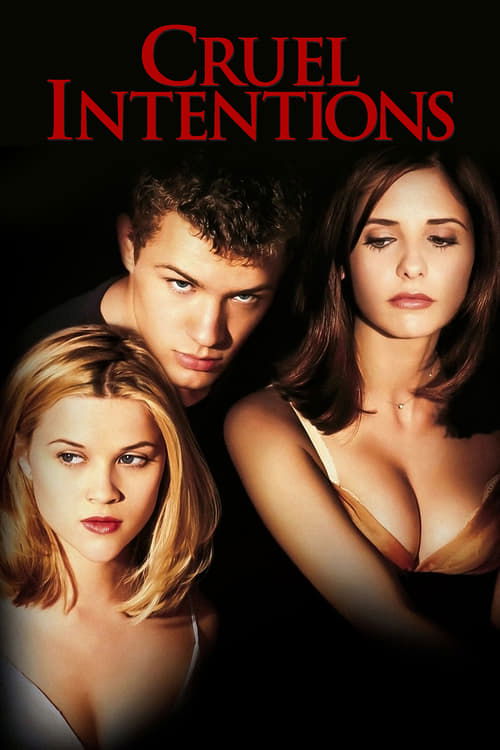
Cruel Intentions (1999)
Directed by Roger Kumble
influenced by Dangerous Liaisons (1988)
Characters Plot
Glenn Close and John Malkovich made gender politics diabolical sport in "Dangerous Liaisons" as the two appealed to one another's self-loathing.
I knew Dangerous Liaisons (1988), starring Glenn Close and John Malkovich, was really good, but I forgot how good until last night.
"Cruel Intentions" is literally "Dangerous Liaisons" transplanted to present-day Upper East Side Manhattan and featuring ruthless teenagers playing sexual power games instead of 18th Century French aristocrats.
"Cruel Intentions'' is a modern-day version of "Dangerous Liaisons,'' with rich kids in a prep school playing roles that were written for jaded French aristocrats in the wicked 1782 novel by Choderlos De Laclos.
It's Les Liaisons Dangereuses, the 1782 French novel of sexual manipulation that led to the 1988 films Dangerous Liaisons and Valmont (as in Sebastian Valmont).
Now comes Cruel Intentions, inspired by Choderlos de Laclos's "Les Liaisons Dangereuses" (better known in this country as "Dangerous Liaisons").
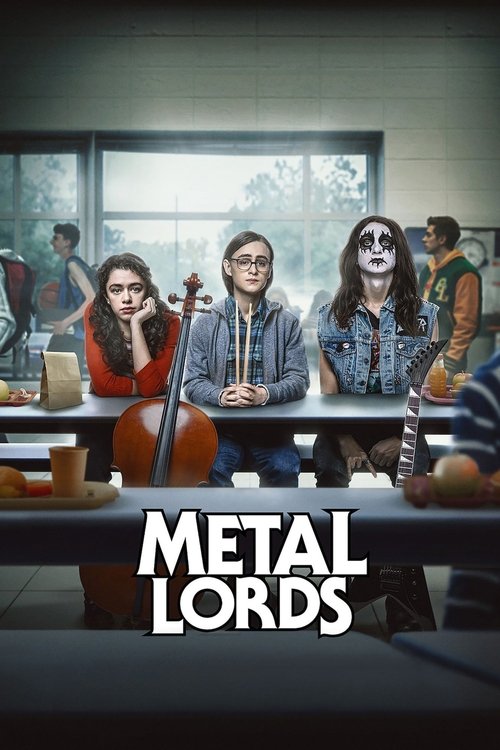
Any movie that ostensibly pays tribute to this has got to do better than a screenplay that amounts to little beyond a series of predictable teen picture cliches, with a touch of a "High Fidelity" rip-off, a pinch of "School of Rock" and some completely inconsistent character development thrown in.
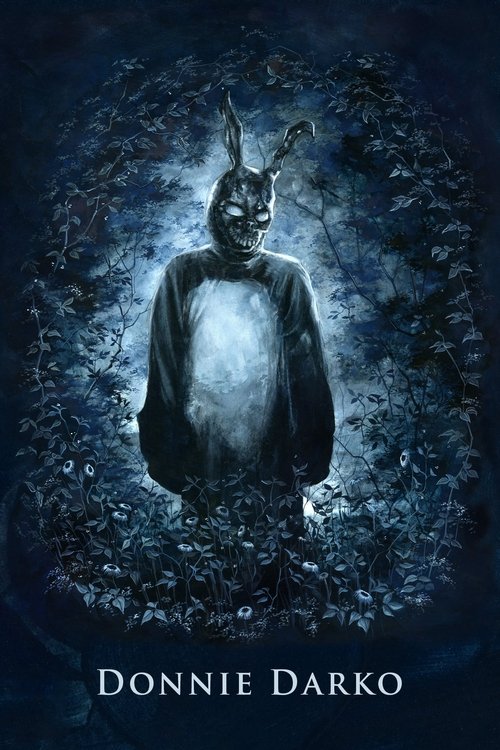
Aside from Foster's determined portrayal, and one excellent exchange about Jake Gyllenhaal and "Donnie Darko," the film's entertainment value barely compares to Lance Armstrong's actual career.