

Domee Shi
81 connections found
Filmography

View:
Connections, in both directions
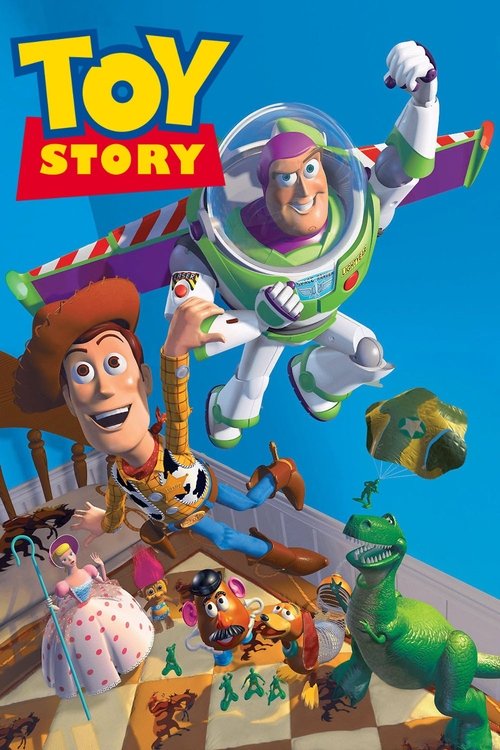


Since its formative first film, Toy Story, the brand has consistently put out quality entertainment for both children and adults that highlights the misunderstood and shows how they’re able to find a way to connect with those around them who at first didn’t seem like they could possibly have any traits in common.
The way Toy Story made us believe that our toys love us back.
…there have been classic and revered examples of male friendship like Woody and Buzz and Mike and Sully throughout Pixar’s history…
…classic and revered examples of male friendship like Woody and Buzz…
…franchises like Toy Story or Inside Out still do tremendously well in terms of business (and toy sales)…
Films like “Toy Story” and “The Incredibles” shaped many of our childhoods.
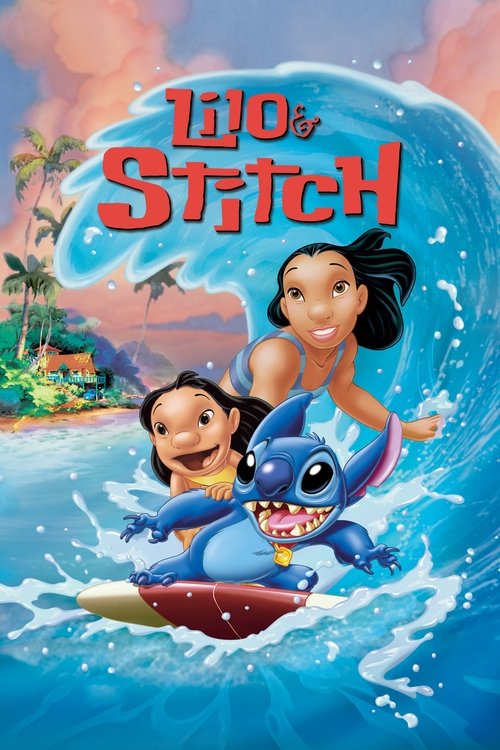
For older viewers, Elio feels like it samples freely from films like Close Encounters of the Third Kind, E.T.: The Extra-Terrestrial, Disney’s Lilo & Stitch, and even How to Train Your Dragon.
…a young boy, feeling unloved despite his Aunt Olga's concern, looking to the stars for companionship (hello "Lilo & Stitch!").
“Elio” feels like a focus group wanted to make the next “Lilo and Stitch” (2002)…
Elio’s sci-fi trappings should help sell the film for family audiences who have presumably already taken in the live-action remakes Lilo & Stitch and How To Train Your Dragon.
At times, he feels a lot like Lilo from Lilo & Stitch (the original of course), who is largely misunderstood.
…the human child meets otherworldly companion formula (Lilo & Stitch, Ron’s Gone Wrong)…
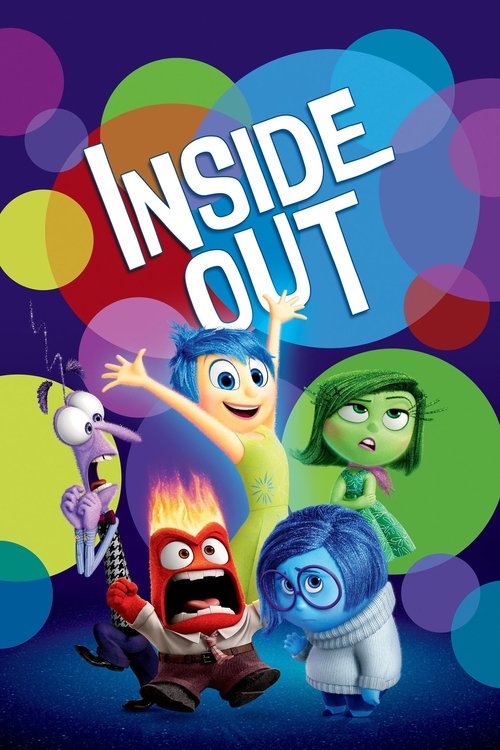
Films like Brave and the Inside Out movies show that they’re more than capable of creating family drama without offing the parents offscreen…
While it may not reach the emotional heights of Inside Out or Up, Elio stands out for its tremendous heart, visual splendour, and the poignant journey of its young protagonist.
En Inside Out, cada emoción era un engranaje de una maquinaria humana tan frágil como extraordinaria.
The way Inside Out validated that all our emotions are worthy, including sadness.
You can’t get a $1.6 billion hit like “Inside Out 2” without first taking a chance on “Inside Out.”
Like Inside Out and Soul before it, Elio features mesmerizing and colorful depictions of this magical place known as the Communiverse.

Films like “Up” and “WALL-E” masterfully wove story and sentiment together to form soulful movies that hit the head and heart in equal measure.
Hablamos de 'Wall·E' (2008) y 'Up' (2009), pero no solo. El prólogo de 'Elio' promete algo parecido…
While it may not reach the emotional heights of Inside Out or Up, Elio stands out for its tremendous heart, visual splendour, and the poignant journey of its young protagonist.
En Up, cinco minutos bastaron para contarte toda una vida de amor, pérdida y aceptación.
How Up brought a widowed man an unlikely friendship.
Pixar used to weave these themes into bold, imaginative stories—think “Up” or “Finding Nemo”—that captivated audiences of all ages.
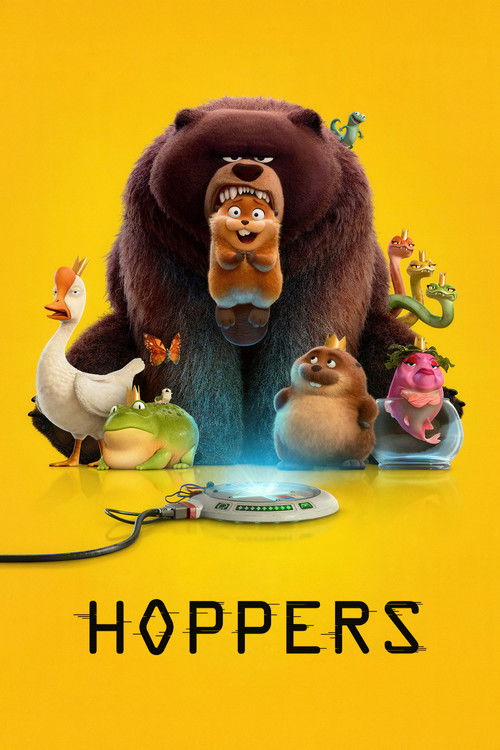
Hoppers (2026)
Directed by Daniel Chong
influenced by Turning Red (2022), Elio (2025)
Themes Visuals
In a post-Incredibles 2 era, only Turning Red felt like the masterpieces the animation studio consistently released and pushed the medium forward in unexpected territories.
The design and some “takes” of the humans seem to be influenced by anime (much like what we saw in LUCA and TURNING RED).
Enrico Casarosa’s Luca and Domee Shi’s Turning Red were two of the studio's most original and best efforts in years…
Pixar is certainly no stranger to films about human beings turning into animals. In fact, between Brave (2012), Soul (2020), and Turning Red (2022), it seems to be a pretty prevalent theme.
Recent Pixar films like Elemental and Elio felt too beholden to rigid narrative structures and “respectability”.
And while it’s not as impactful as last year’s Elio, it still tells a story of friendship that transcends species.
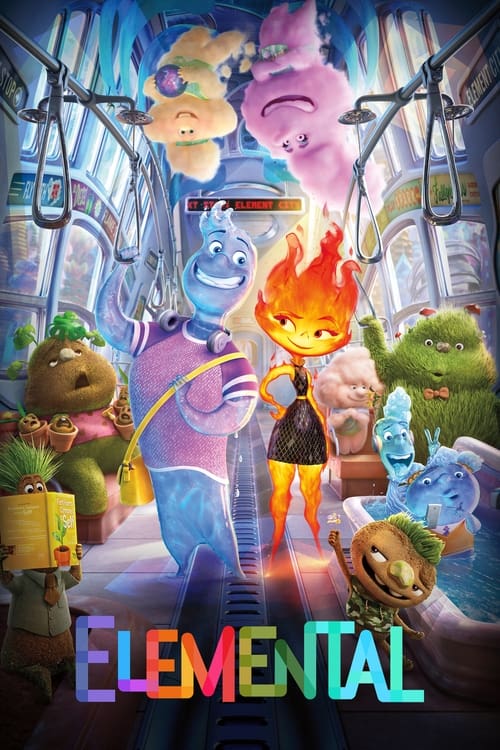
It’s been described as the best Pixar film in years which I think is selling Elemental, Soul and Turning Red short.
If Elemental proved anything, it’s that Pixar’s 2020s films have a baseline.
It is very similar to recent Pixar films like Soul, Turning Red, and Elemental, both aesthetically and thematically.
“Elemental,” while not top-tier Pixar, at least offered a fresh concept—anthropomorphized elements in a romantic comedy setting.
Para fans más del Pixar de ‘Elemental’ que del de ‘Coco’…
Pixar doesn’t turn out many clunkers, though the recent “Elemental” came close.
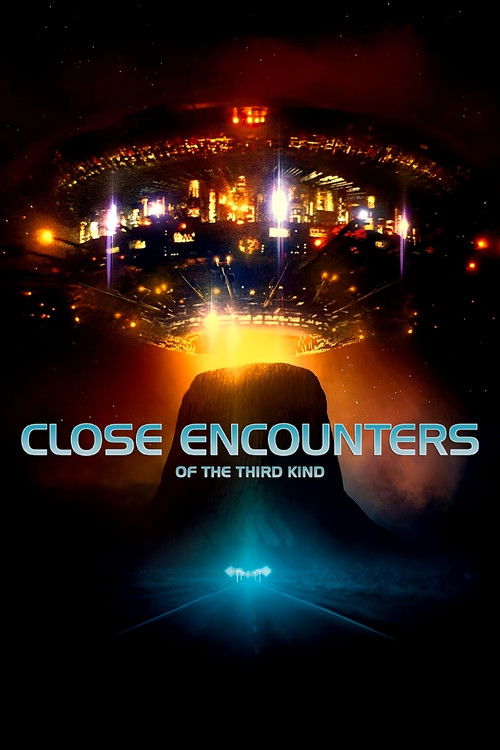
Close Encounters of the Third Kind (1977)
Directed by Steven Spielberg
influenced Elio (2025)
Themes Plot
For older viewers, Elio feels like it samples freely from films like Close Encounters of the Third Kind, E.T.: The Extra-Terrestrial, Disney’s Lilo & Stitch, and even How to Train Your Dragon.
…reference points might include Close Encounters of the Third Kind, since ‘watch the skies’ and ‘we are not alone’ are two of the central motifs…
That tendency continues with Elio, which will inspire comparisons to everything from Close Encounters Of The Third Kind to E.T. The Extra-Terrestrial to Pixar’s own Wall-E.
I thought about Steven Spielberg’s Close Encounters of the Third Kind quite a bit while watching Elio.
They may have thought that this would add more dramatic weight to his third act “decision” that also builds on the finale of Spielberg’s 77 alien epic.
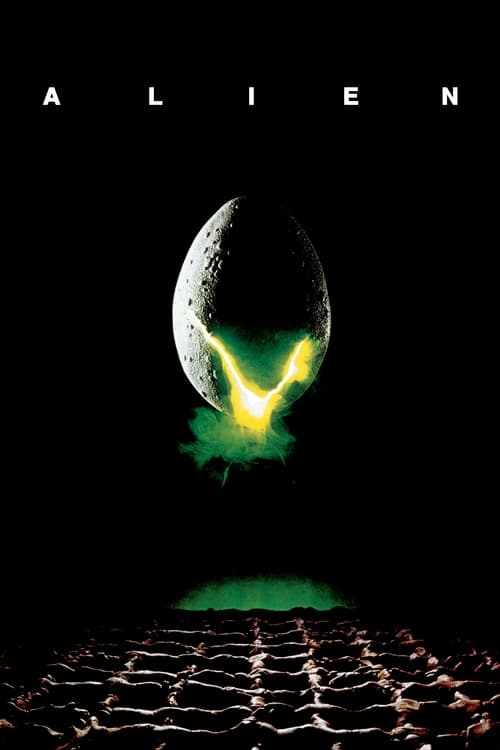
…influenced in their cinematography by alien encounter flicks of the Seventies and Eighties, including Alien and The Thing…
Una aventura espacial inspirada por clásicos como 'Alien', 'Star Wars' 'E.T. El extraterrestre' y 'Encuentros en la tercera fase'…
Sci-fi fans will know the terminology and appreciate the homage to the Alien, Terminator, and Dune franchises along the way.
…the “Alien” franchise…
Molina, Sharafian, and Shi playfully inject numerous references to other sci-fi classics like Terminator 2: Judgment Day and Alien…
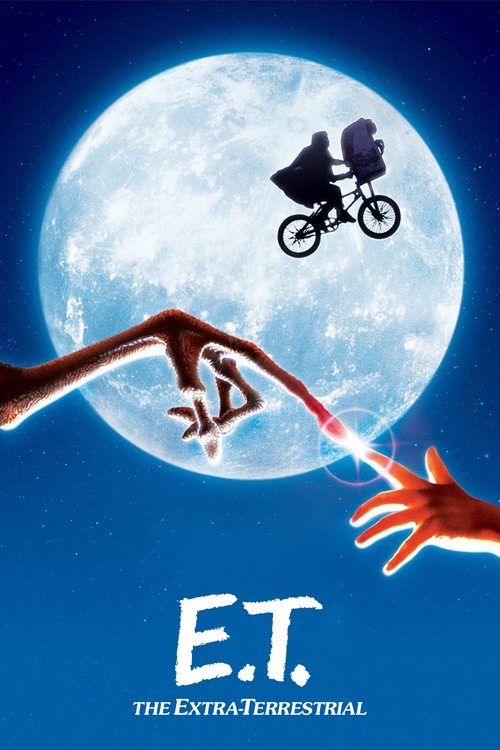
E.T. the Extra-Terrestrial (1982)
Directed by Steven Spielberg
influenced Elio (2025)
Themes Visuals
“E.T. the Extra-Terrestrial” (1982)…
Yes, there are several terrific scenes inspired by sci-fi classics (E.T. is obvious at the camp’s forest, while the clone recalls the many “Body Snatchers” adaptations).
That tendency continues with Elio, which will inspire comparisons to everything from Close Encounters Of The Third Kind to E.T. The Extra-Terrestrial to Pixar’s own Wall-E.
…add a healthy dose of Spielbergian sentiment (mostly via “E.T.”)
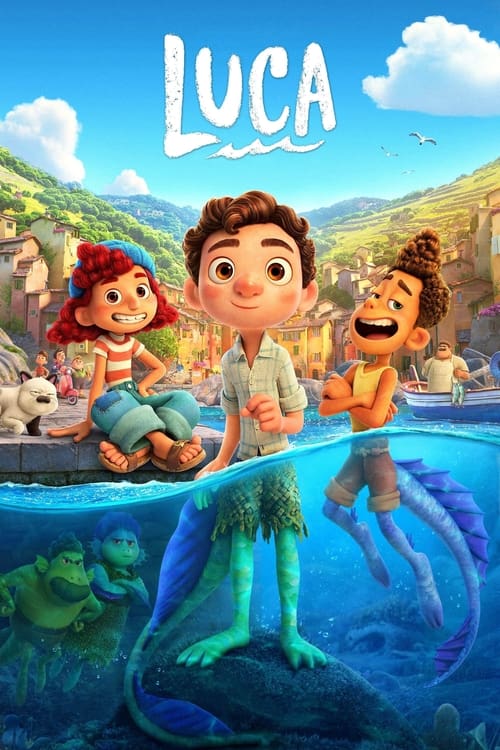
…there’s also been a string of films that are harder to warm to (Elemental, Turning Red, Luca)…
Elio returns to an animation style reminiscent of Luca and Turning Red…
In recent times, Pixar has focused on adolescent characters trying to find their way, in pictures such as Luca and Turning Red.
Joining 2021’s Luca and forgotten old classics like The Fox and the Hound, Elio carves a formative path…
Elio is a must-watch if you enjoy Pixar’s more unique, character-driven films (such as Luca or Onward), emotional coming-of-age stories, or even a blend of animated science fiction and fantasy.
The human characters are also well done, though they seem to harken back to the “rounded” facial features seen in TURNING RED and especially LUCA, but just as expressive (yes, the “acting” is superb all around).
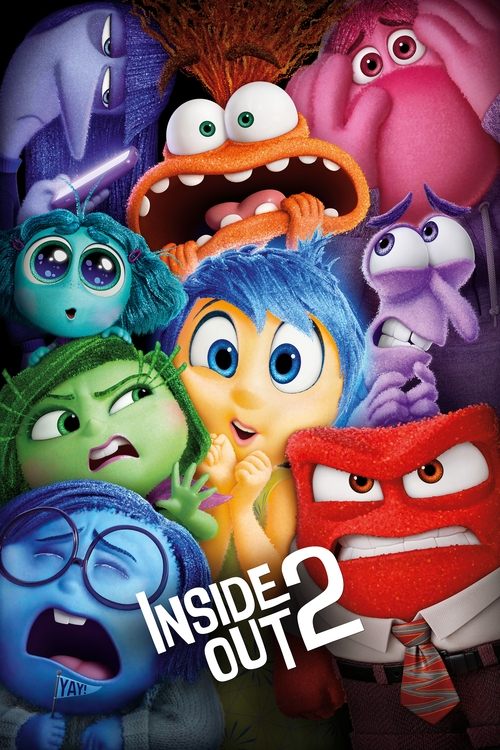
After the massive success of last summer’s “Inside Out 2,” Pixar has returned to what it does best: creating original, home-grown stories.
If you didn't know, before Inside Out 2 came out last year, Pete Docter and some Disney executives said the studio was moving away from "autobiographical-driven tales."
(By comparison, last year’s Inside Out 2 amassed a whopping $1.7bn.)
“Inside Out 2” rose to the top of the box office in the year of release.
Less than a year after Inside Out 2, Pixar returns with Elio…
…last year, Inside Out 2 was dubbed the highest-grossing animated film of all time…
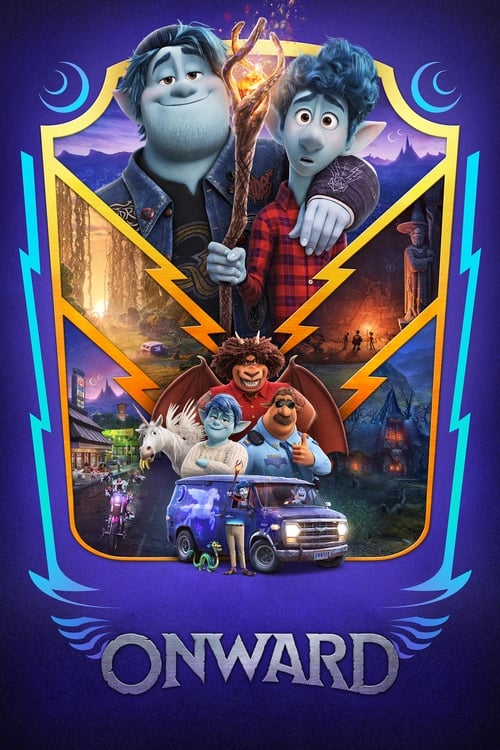
There are numerous Pixar films that explore grief from the perspective of a young character, such as The Good Dinosaur and Onward.
…en este caso nos remite un poco a la visual de «Unidos», película de 2020 que por la pandemia pasó un poco desapercibida pero que trataba muy bien el vínculo entre hermanos…
…the oddly plastic animation style the studio adapted circa Onward…
Elio is a must-watch if you enjoy Pixar’s more unique, character-driven films (such as Luca or Onward), emotional coming-of-age stories, or even a blend of animated science fiction and fantasy.

La trama trepidante diluye a ratos el espíritu filosófico que la emparentaría con 'Soul'…
It’s been described as the best Pixar film in years which I think is selling Elemental, Soul and Turning Red short.
It is very similar to recent Pixar films like Soul, Turning Red, and Elemental, both aesthetically and thematically.
Like Inside Out and Soul before it, Elio features mesmerizing and colorful depictions of this magical place known as the Communiverse.
Elio might be their most visually dazzling film since 2020’s Soul.
You know, tales like the why-did-you-release-this-on-Disney+-you-fools classics Soul, Luca, and Turning Red, which are some of the studio's best work since, let's be honest, Coco.
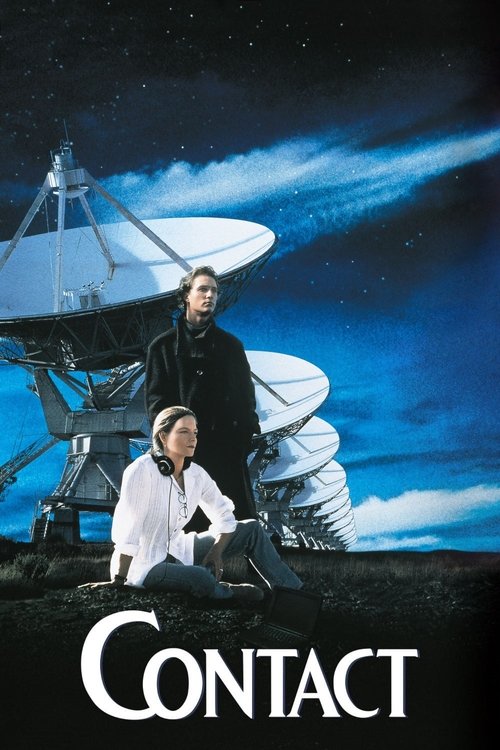
…and Contact (1997) but making it its own…
“Contact” (1997)…
If you take The Wizard of Oz and mash it together with 1997's Contact, you have most of the plot of Elio…
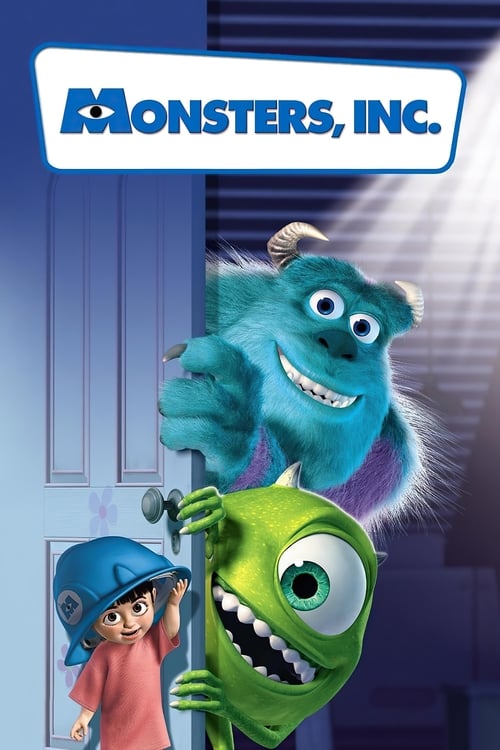
…there have been classic and revered examples of male friendship like Woody and Buzz and Mike and Sully throughout Pixar’s history…
…classic and revered examples of male friendship like Woody and Buzz and Mike and Sully…
It’s got that usual Pixar punch that feels very reminiscent of Inside Out and Monsters, Inc., with that alienation between guardian and child being the driving force of the narrative.
…the beloved animation studio has struggled to recapture the glory of its 90s and 2000s classics like Toy Story and Monsters Inc.

Mei’s ladylike, rule-bound mother may be too prudish to refer to her daughter’s period directly, but the screenwriters for Turning Red (Shi and Julia Cho) have no such qualms: Their heroine’s uncontrollable and often embarrassing girl-to-panda transformation is the clearest movie metaphor for the onset of a young woman’s menstrual cycle since Sissy Spacek got drenched in pig blood at the prom in the terrifying finale of Carrie .
Besides, this mother is far more supportive than shouting, “They’re all gonna laugh at you!” like the underrated horror masterpiece “Carrie” (1976).
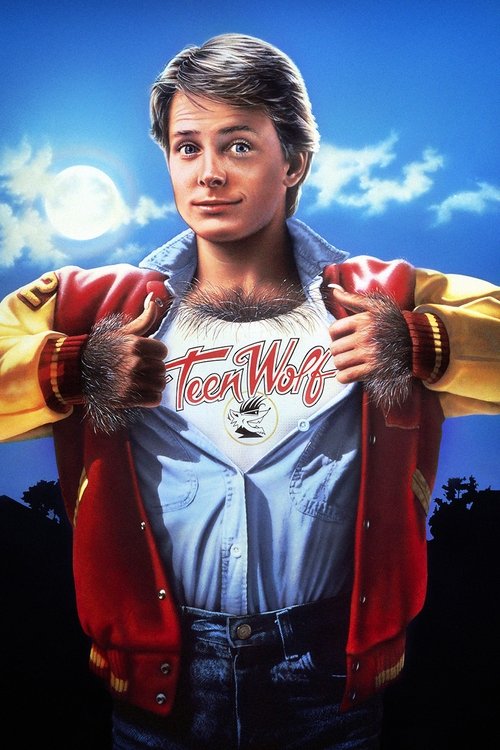
Yeah, “Teen Wolf” did it first – and “Turning Red” shares a few aspects with that 1980s Michael J. Fox hit – but Shi crafts a heartwarming, empowering and fun narrative about female puberty and a changing mother/daughter relationship.
Sure, Teen Wolf sorta got there first, but this is smart, elevated children’s fare.
Though it may take a page or two from the “Teen Wolf” playbook, the premise of “Turning Red” is a more thoughtful repackaging of that narrative.
Adolescence is tough enough without turning into a hideous monster, and movies from Teen Wolf to Ginger Snaps have gotten plenty of mileage out of conflating those two experiences.
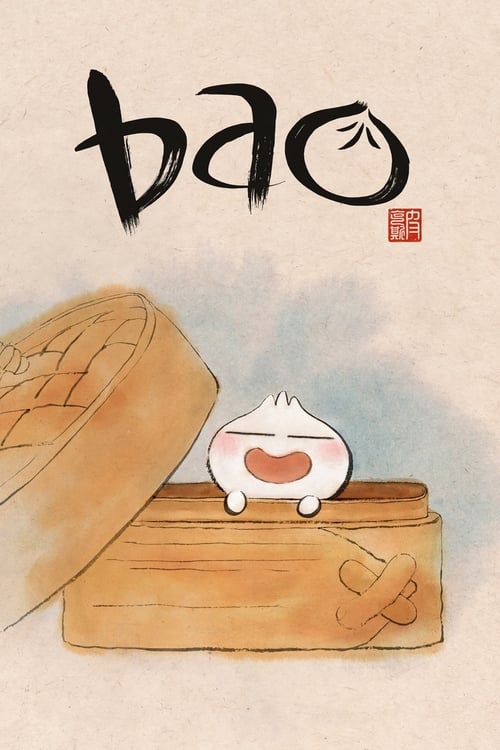
Yes, there’s more than a hint of “Teen Wolf” in this script by Julia Cho and director Domee Shi, who directed the adorable and Oscar-winning Chinese mom and her baby dumpling short, “Bao” a few years back.
What if Pixar made Teen Wolf for younger girls?
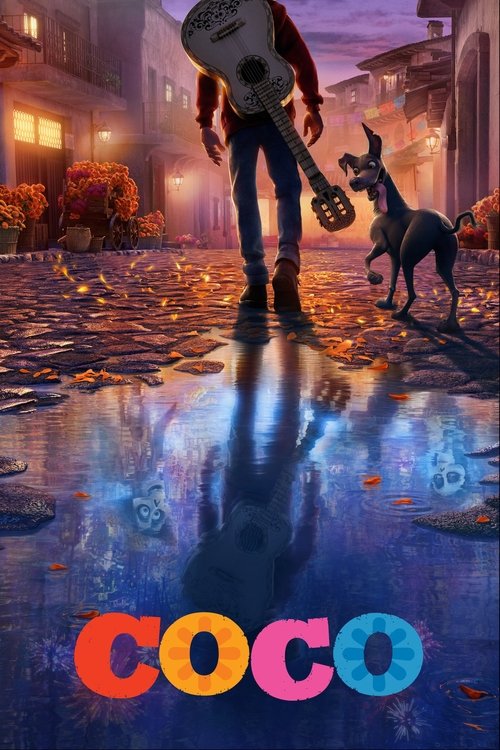
The movie also felt a little like Coco (no surprise since Molina directed both), but not as good as the latter movie.
The marketing folks are making many comparisons to COCO, but this doesn’t come close to that film’s emotional wallop (which packs a punch many years later).
And while there have been some undeniable hits (Coco, Soul)…
Sure they’ve had some critical successes and picked up an Oscar here and there (Inside Out and Coco stand out as some of their best)…
Para fans más del Pixar de ‘Elemental’ que del de ‘Coco’…
You know, tales like the why-did-you-release-this-on-Disney+-you-fools classics Soul, Luca, and Turning Red, which are some of the studio's best work since, let's be honest, Coco.
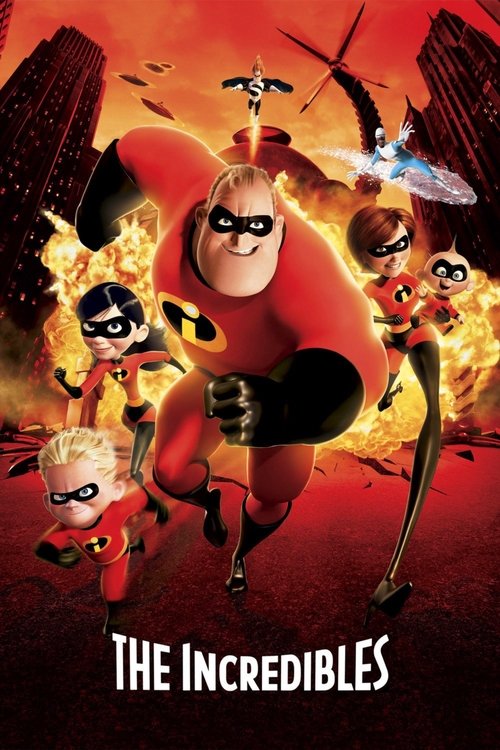
Films like “Toy Story” and “The Incredibles” shaped many of our childhoods.
It's a far cry from some of the studio's more elaborate scripts like Coco or The Incredibles.
It’s not Wall-E or The Incredibles or pick your other favorite Pixar movie from before they started doing sequels every other year.
…followed by their incredible run in the early part of the century (Toy Story 2, Finding Nemo, The Incredibles, Ratatouille, WALL-E, Up, Toy Story 3…wow!)
The Incredibles, Ratatouille.
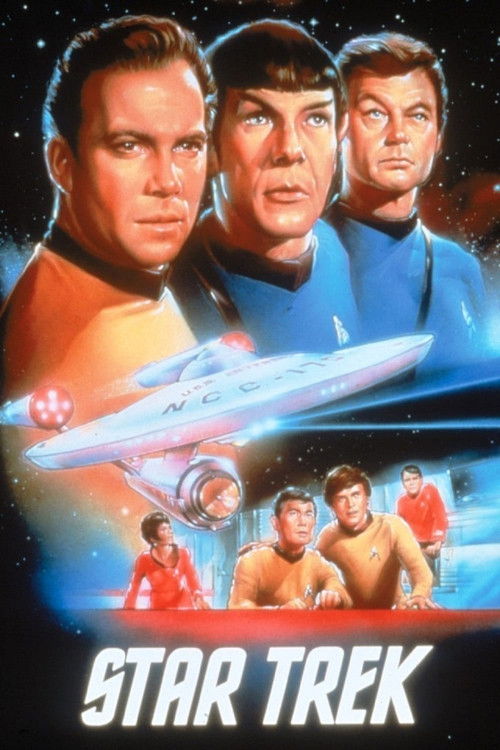
It is an interesting take on the “Star Trek” premise as a bit inept…
The latest Pixar outing, Elio, dares to ask the question, what if Steven Spielberg made a Star Trek?