
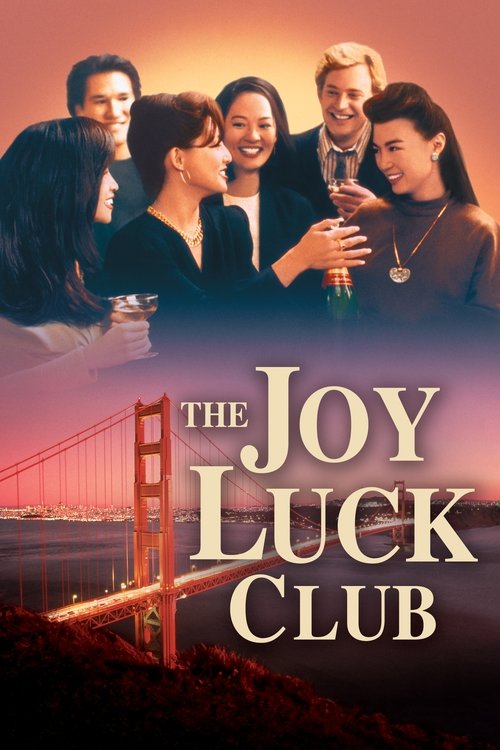
The Joy Luck Club (1993)
Directed by Wayne Wang
Through a series of flashbacks, four Chinese women born in America and their respective mothers born in feudal China explore their pasts.
9 connections found
View:
9 connections, in both directions
What critics compared The Joy Luck Club to



(The early nods to “The Joy Luck Club,” from the San Francisco setting to a brief cameo by the great Tsai Chin, are surely no accident.)

Consider the magical scene in which Mei meets her mother as a young girl and gets to hear what pushy parents so rarely tell their children — perhaps the most resonant expression of long-withheld approval since the beauty parlor scene in “The Joy Luck Club,” when Tsai Chin’s character assures her daughter, “Now you make me happy.”
Which is not to say that “Turning Red” — a cheeky title for a movie that sometimes plays like “Carrie” with the cutes, or “The Joy Luck Club” meets “Ginger Snaps” — deals purely in the metaphorical.

Other new cast members include Macau's Iong’s Magic Shop proprietors (Jay Chou, "The Interview" and Tsai Chin, "The Joy Luck Club") and Richard Laing ("Batman Begins") as Lionel Shrike in flashback.
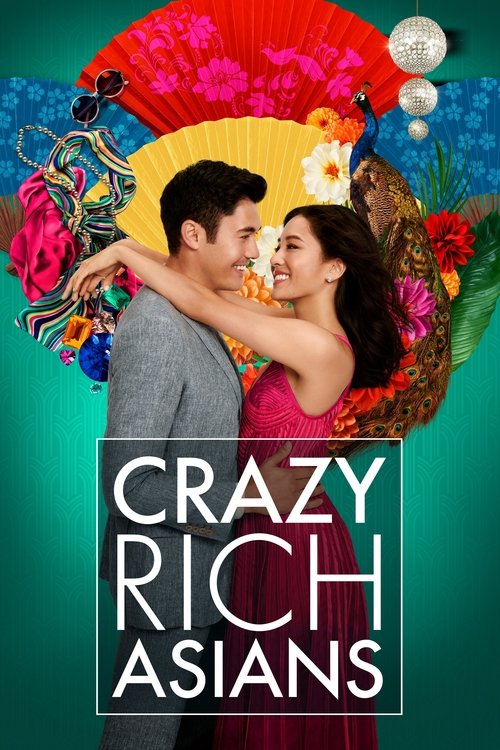
While Crazy Rich Asians has quite rightfully won plaudits for Asian representation (it is, as we have been ceaselessly told, the first major American film to feature a majority-Asian cast since 1993’s The Joy Luck Club) it is, at base, a romantic comedy, and that means it follows certain forms and hits certain expected beats.
You may know this already, but: Crazy Rich Asians is an adaptation of the bestselling book by Kevin Kwan (the first of a series, followed by China Rich Girlfriend and Rich People Problems) and the first studio movie in more than two decades with a majority Asian-American cast (the last one was 1993’s The Joy Luck Club), and the filmmakers turned down a boatload of money from Netflix to get the movie into theaters, eventually partnering with Warner Bros. Director Jon M. Chu (who previously helmed some Step Up films and the sequels of G.I. Joe and Now You See Me ), Kwan, and the film’s producers wanted the movie to be seen as an event experience, to increase visibility while attacking cultural stereotypes about Asian attractiveness, subservience, and masculinity, and they sure as hell nailed it.
It has been way too long since there has been an all Asian-American ensemble and a female Asian-American lead in an American movie...you'd have to go back 25 years to 1993's "The Joy Luck Club" to find the last occurrence of this.
(The precedents include 1993’s The Joy Luck Club, 2004’s Memoirs of a Geisha, 2006’s Letters from Iwo Jima, and my favorite in this list, Justin Lin’s sizzling 2002 teen-rebel movie, Better Luck Tomorrow.)
It’s an important film regardless, as Crazy Rich Asians is the first major Hollywood movie with an exclusively Asian main cast since The Joy Luck Club 25 years ago.
It's the first major Hollywood-produced film featuring an entirely Asian and Asian-American cast since The Joy Luck Club, which debuted 25 years ago.
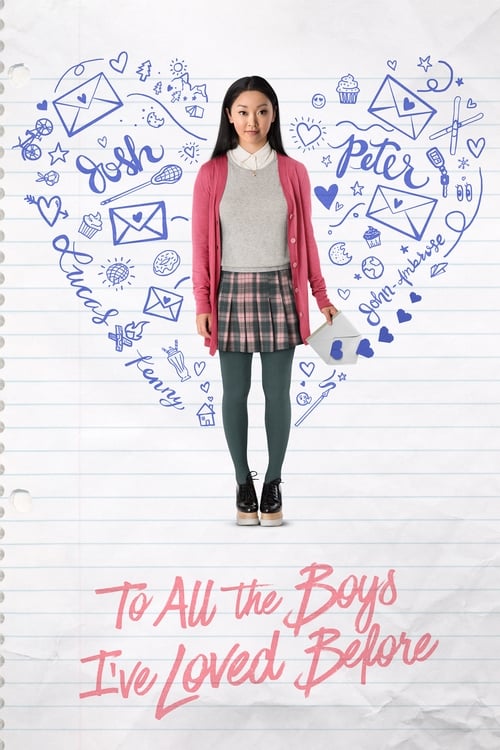
While Crazy Rich Asians is the first major film to feature an all-Asian cast since The Joy Luck Club , which came out 25 years ago, To All the Boys is the first mainstream teen romance to have a young Asian-American actress as its lead.
“Crazy Rich Asians” is the first film in 25 years to star an all Asian American cast since “The Joy Luck Club”, and “To All the Boys” is the first mainstream teen romance to have an Asian American actress as its lead.
Advertisement
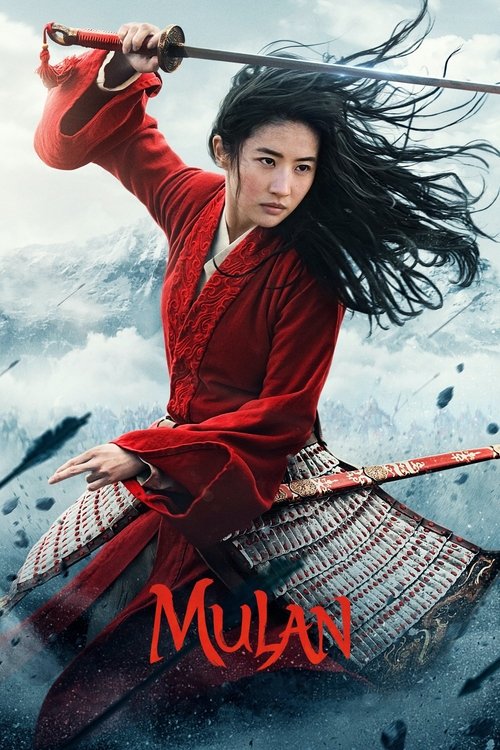
Mulan, played by willowy screen veteran Liu Yifei (“The Forbidden Kingdom,” “In Harm’s Way”) is the daughter of a former soldier (Tzi Ma of “The Farewell”) and a mother (Rosalind Chao, “The Joy Luck Club”) who have to remind her — constantly — that “a daughter brings honor (to the family) through marriage.”
She also finds pathos in gentler family scenes across Tzi Ma (“The Farewell”) and Rosalind Chao (“The Joy Luck Club”) as her loving parents stuck in their traditional ways of matchmaking (Cliche dialogue alert: “Blinded by my own foolish pride”).
His wife (Rosalind Chao, “The Joy Luck Club”) emphasizes that Mulan’s only way to bring honor is to marry well, just as in the animated film.
Her mother, Hua Li (played by The Joy Luck Club ’s Rosalind Chao), teaches Mulan to hide her gift as a form of protection and, instead, to bring “honour to family” as a daughter destined for marriage.
The all-Asian cast also includes notable names like Donnie Yen ( Rogue One , Ip Man ), Li Gong ( Memoirs of a Geisha , Miami Vice ), Jet Li ( The Expendables , Romeo Must Die ), Jason Scott Lee ( Dragon , Lilo & Stitch ), Tzi Ma ( The Farewell , The Man in the High Castle ), and Rosalind Chao ( The Joy Luck Club , The Laundromat ).
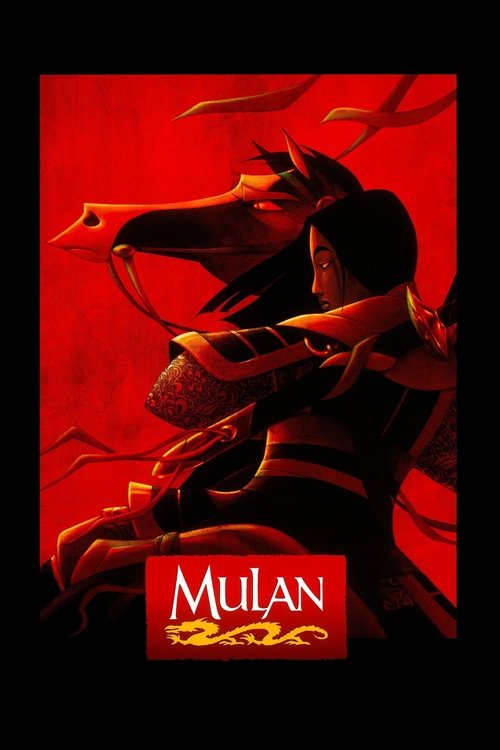
Mulan (voiced by actress Ming-Na Wen, from "The Joy Luck Club" and TV's "The Single Guy") is a big-time tomboy who, when China is invaded by the Huns, steals her crippled father's marching orders and takes his place on the front disguised as a boy.
Mulan herself (drawn to resemble The Joy Luck Club's Ming-Na Wen, her speaking voice) is a winner, and the story is designed to appeal to both boys (lots of action) and girls (a woman in the middle of all that action, plus a little romance): few summer movies will surpass it.
(Ming-Na Wen of "The Joy Luck Club" provides the speaking voice of Mulan.)
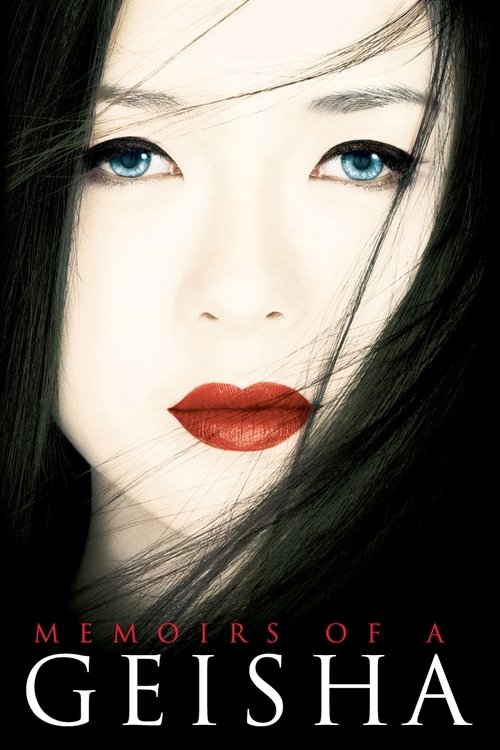
Like The Joy Luck Club, this is a rarity - a motion picture made in the United States with an almost all-Asian cast.

The cast is packed with excellent character actors, unsung talents whose faces you will remember but whose names you've never heard: Tamlyn Tomita (The Joy Luck Club), Adrian Lester (Primary Colors), Nestor Serrano (Runaway Jury), and Kenneth Welsh (Miracle) as a dead ringer for Dick Cheney.