
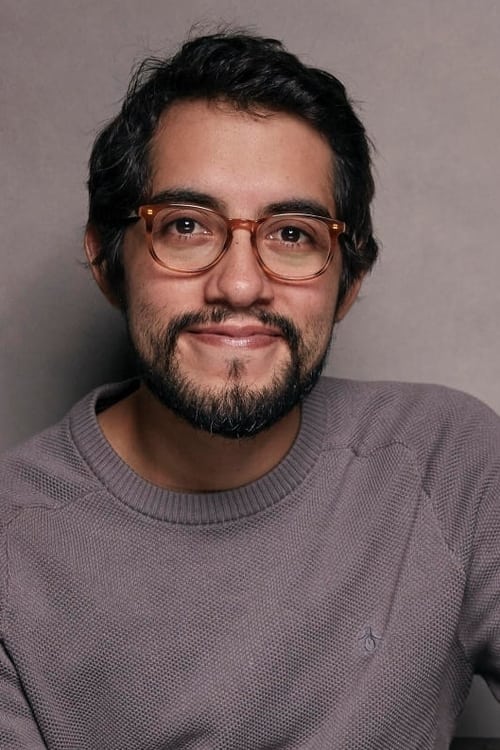
Carlos López Estrada
33 connections found
Filmography
View:
Connections, in both directions
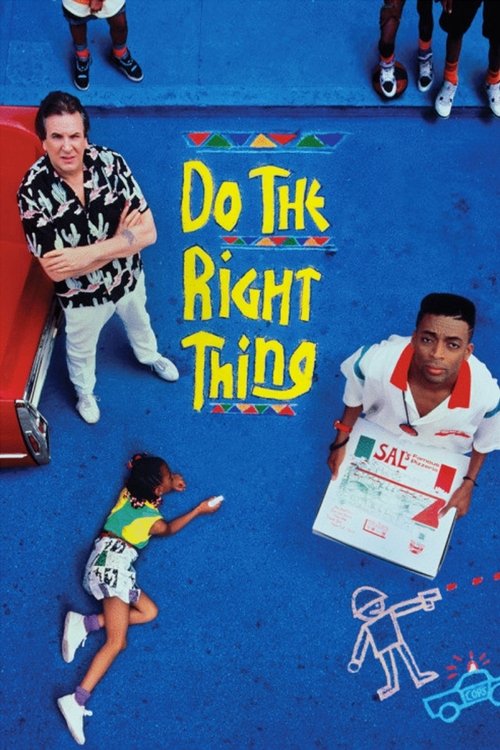


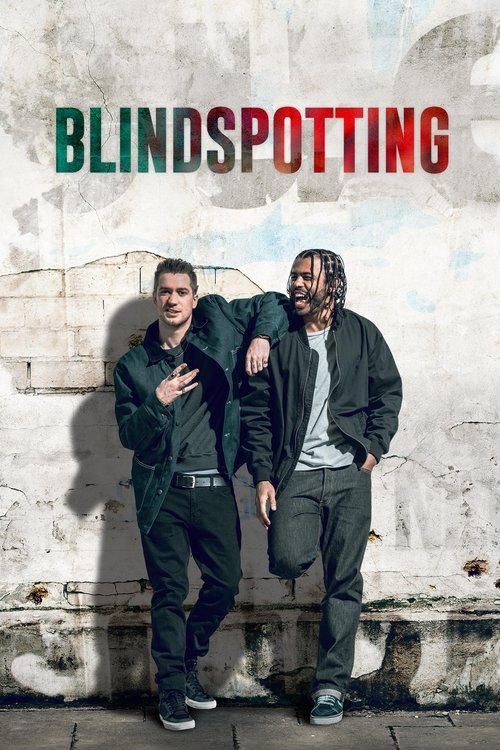
Like “Do the Right Thing” some 30 years ago, “Get Out” last year and “Sorry to Bother You” right now, “Blindspotting” is a searing, intense, sometimes wickedly funny and boldly honest look at race relations, and how we perceive one another — and the horrible mistakes we make based on certain stereotypes that are formulated from the time we are children.
Whether it's Do the Right Thing in Brooklyn, or the Watts portrayed in Killer of Sheep, or Friday and South Central, or Magnolia's journey through L.A.'s aspirational neighborhoods, they become cinematic landmarks.
That is, Blindspotting is the freshest commentary on race relations since Black Lives Matter, and in a film sense, since Do the Right Thing .
Movies are almost always better when they’re about a specific place, and Blindspotting has a facility and familiarity with local slang and archetypes an outsider couldn’t fake, explained in broad character vignettes reminiscent of Spike Lee’s equally loving portrait of Bed-Stuy in Do The Right Thing .
“Do the Right Thing” will likely come to some moviegoers' minds as “Blindspotting” tailspins into its fraught confrontation between Collin and Miles, but the Lee joint it more closely resembles is “Jungle Fever,” with its dexterously handled shifts between humor and pathos.
In the long history of energetic films mixing up heavy drama and stylistic humor, Blindspotting has much in common with something like Do The Right Thing .
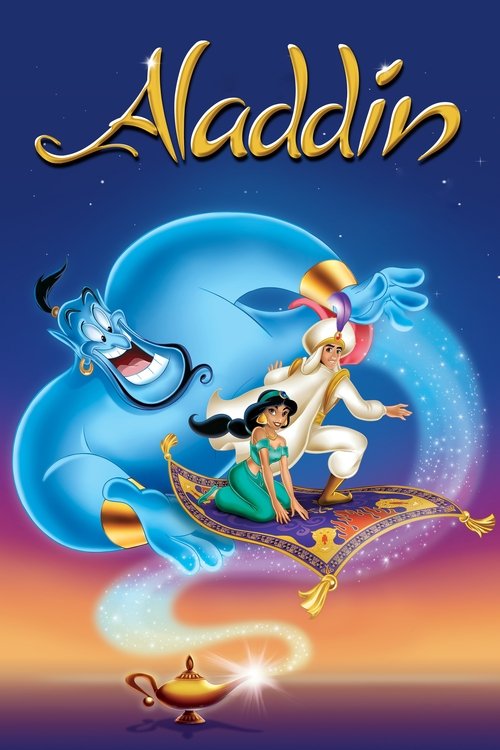
Heralded as a Genie-like figure ahead of the film’s release, Awkwafina’s Sisu can’t find the many notes of the late Robin Williams’ performance in the animated Aladdin , nor quite match his zany energy.
Overflowing with endless humour and gorgeous heart, Awkwafina’s sensational vocal work is reminiscent of the late, great Robin Williams in Aladdin .
And it has Awkwafina, the most inspired Disney choice to voice a fantasy animated character since Robin Williams in “Aladdin.”
Sisu is exuberantly voiced by the comedian/actor Awkwafina, who gives the most energetically creative animation performance in a Disney movie since Robin Williams played the genie in “Aladdin.”
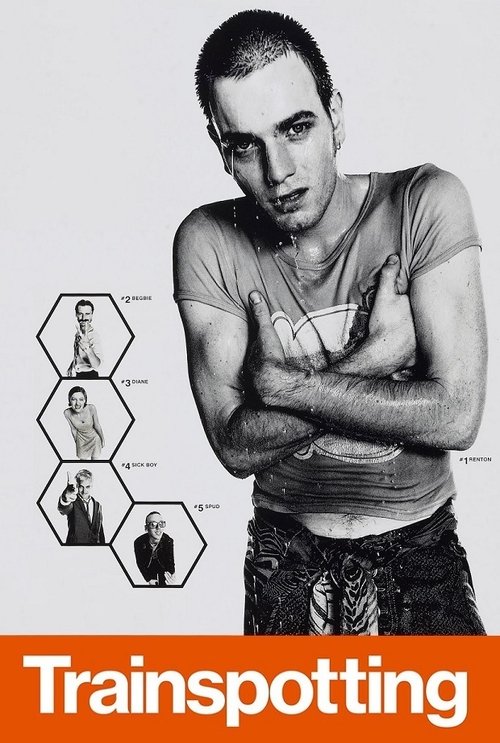
But Blindspotting is also a nod to Danny Boyle’s 1996 film Trainspotting, about a group of friends in Edinburgh, Scotland, who are disenchanted with the stuffy conformist choices that capitalism has foisted upon them.
“Blindspotting” carries the burden of associating itself with Danny Boyle’s 1996 mind-blower “Trainspotting.”
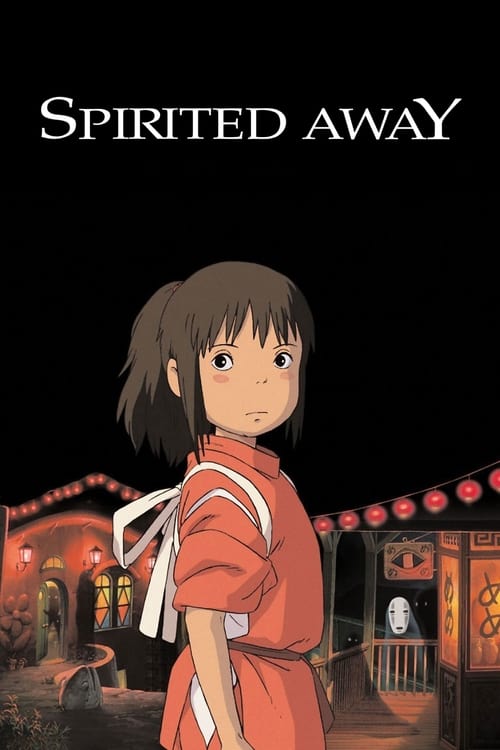
Spirited Away (2001)
Directed by Hayao Miyazaki
influenced Raya and the Last Dragon (2021)
Visuals Characters
On top of that, the animation here is absolutely gorgeous, inventive and imaginative like a Hayao Miyazaki film, reminiscent of the dragon bond in Spirited Away .
Yes, she bears a strong resemblance to dragons we've seen in Asian cinema before—it’s hard not to think of “Spirited Away” when she takes her own form of flight—but she ultimately stands on her own, thanks in part to how her design melds with Awkwafina’s fantastic voice work.
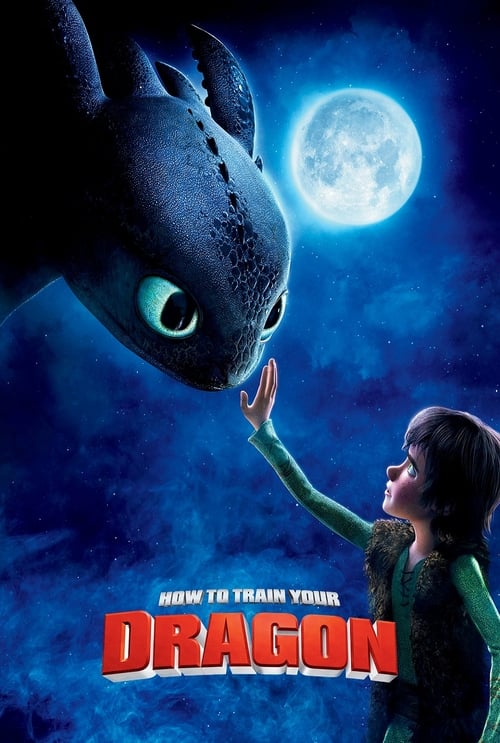
How to Train Your Dragon (2010)
Directed by Dean DeBlois
influenced Raya and the Last Dragon (2021)
Themes Characters Plot
I suppose it’s not fair to compare CGI animated movies about a boy — or girl — and their dragon, but if I must, let me just say this right off the top: I really prefer DreamWorks’ How to Train Your Dragon and both of its sequels to the latest entry from Walt Disney Animation Studios, Raya and the Last Dragon.
Awkwafina’s dragon isn’t menacing like “Game of Thrones” (2011); it’s more adorable like Toothless in “How to Train Your Dragon” (2010).
“Raya and the Last Dragon” needed a truly memorable magical creature — like Toothless in DreamWorks’ “How to Train Your Dragon” — to set it apart, whereas Sisu looks weird, like someone stuck a plastic “My Little Pony” head on a floppy feather-boa body.
If one reads Disney’s press notes synopsis their latest sounds a lot like “Mulan” crossed with “How to Train Your Dragon.”
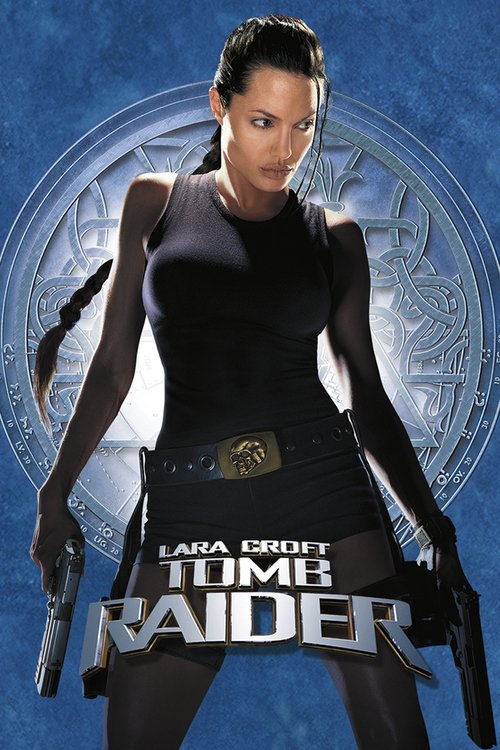
Lara Croft: Tomb Raider (2001)
Directed by Simon West
influenced Raya and the Last Dragon (2021)
Plot Characters
The fascinating mix of action-adventure elements, with numerous affectionate nods to staples Indiana Jones and Tomb Raider, surprisingly works with the overarching fantasy and mythological elements of the magical world inspired by South-East Asian culture.
That said, “Raya” is a pleasant enough kids’ adventure — “Raiders of the Lost Ark” meets “Mulan” who is now a “Tomb Raider.”

The Lord of the Rings (1978)
Directed by Ralph Bakshi
influenced Raya and the Last Dragon (2021)
Plot
Yes the formula is a little familiar, reminiscent of both Avatar: The Last Airbender and The Lord of the Rings , but much like Moana, the fusion of creativity and a different cultural perspective breathes new life into the well-trodden structure.
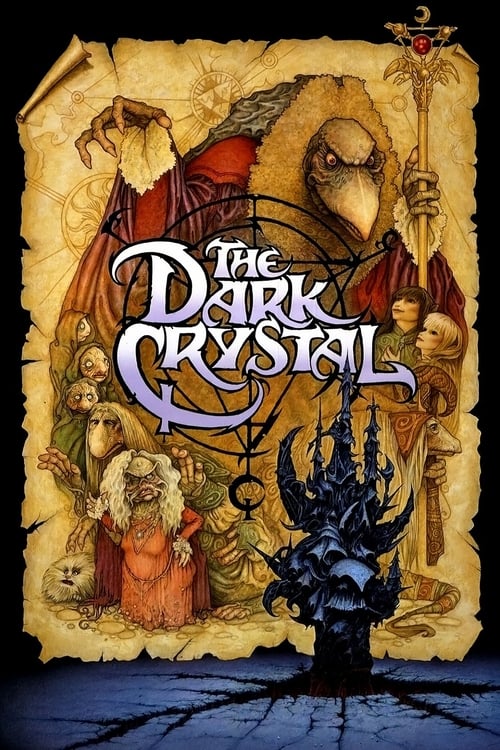
The Dark Crystal (1982)
Directed by Jim Henson
influenced Raya and the Last Dragon (2021)
Themes Plot
Part The Dark Crystal 1982), part Raiders of the Lost Ark (1981), and all Disney, Raya is a fun-filled escapade for the whole family.
Movie buffs may feel like Raya has taken 80 percent of its beats from other animated stories, from The Lion King to The Dark Crystal .
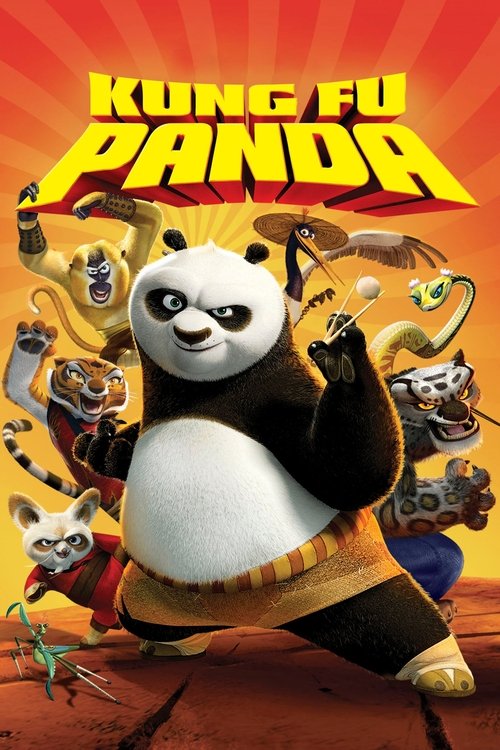
The film borrows animation tricks from the “Kung Fu Panda” movies — animated rod puppets and shadow puppets illustrate the flashbacks to the “legend” that the movie purports to revive.
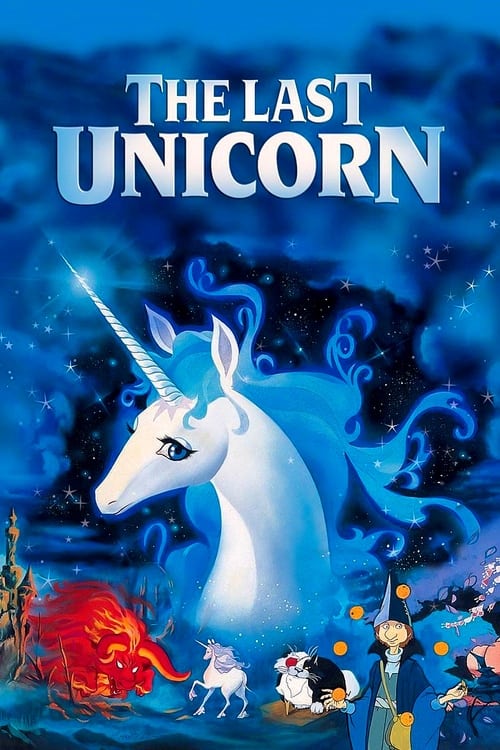
The Last Unicorn (1982)
Directed by Arthur Rankin Jr.
influenced Raya and the Last Dragon (2021)
Characters
There are moments between Sisu and Namaari that remind me of the relationship between Molly Grue and the unicorn in The Last Unicorn.
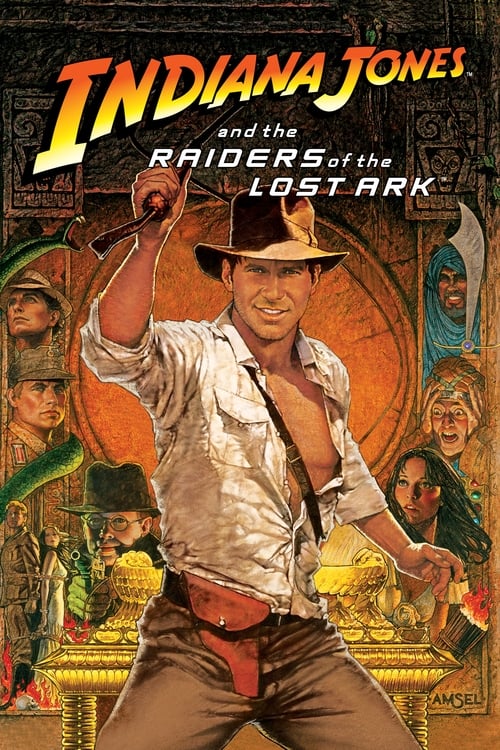
Raiders of the Lost Ark (1981)
Directed by Steven Spielberg
influenced Raya and the Last Dragon (2021)
Themes
Part The Dark Crystal 1982), part Raiders of the Lost Ark (1981), and all Disney, Raya is a fun-filled escapade for the whole family.
That said, “Raya” is a pleasant enough kids’ adventure — “Raiders of the Lost Ark” meets “Mulan” who is now a “Tomb Raider.”
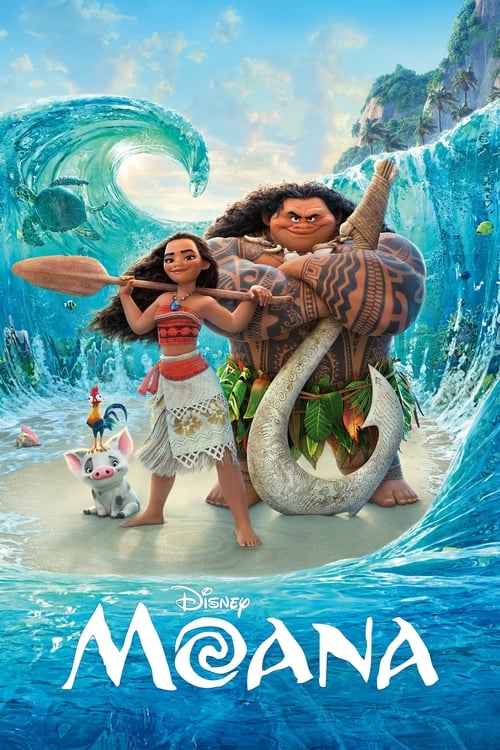
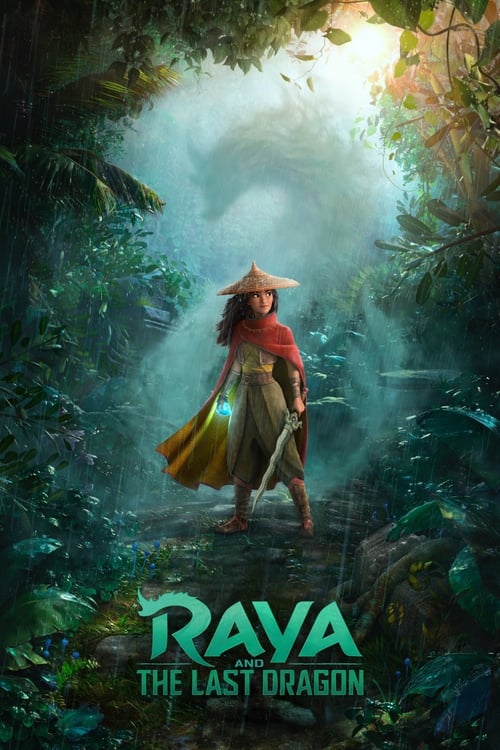
Directed by Carlos López Estrada and Don Hall from a script by Adele Lim and Qui Nguyen, Raya and the Last Dragon plays like a greatest hits record of Disney princess past, borrowing most specifically from Moana and Frozen.
Raya and the Last Dragon directors Don Hall (Big Hero 6 and Moana co-director) and Carlos López Estrada (Blindspotting) borrow and blend visual elements from several Southeast Asian cultures, creating a world that's beautifully realised, feels lived in, and features some gorgeous landscapes.
In fact, it perhaps shouldn’t surprise that Raya and the Last Dragon is directed by Don Hall, credited as a co-director on Moana, the closest touchstone for this latest.
Yes the formula is a little familiar, reminiscent of both Avatar: The Last Airbender and The Lord of the Rings , but much like Moana, the fusion of creativity and a different cultural perspective breathes new life into the well-trodden structure.
Directed by Don Hall (Moana, Big Hero 6) and Carlos López Estrada (Blindspotting), Raya and the Last Dragon is a truly stunning piece of animation, from the fantastically realized dragon to the way water, fire, fog, and even the Druuns are visualized.
2016 was perhaps the last great year for the Mouse House's animation outfit, having given us two gems in Zootopia and Moana .
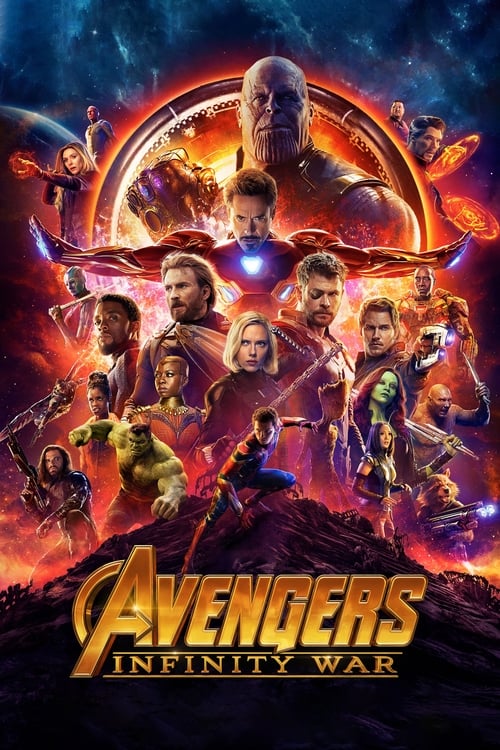
Not only does it recall Thanos’ genocidal snap in “Avengers: Infinity War” (2018), it’s a heartbreaking allegory for the 500,000+ lives we have lost to the COVID-19 pandemic.
Whew, that’s a tall order, but the world’s survival is at stake in a movie that offers elements of “Avengers: Infinity War” (2018), “Avengers: Endgame” (2019), martial-arts pictures, and the Greek story of Medusa, because the Druun, a menacing race of purple brushfires, turn their victims into stone.
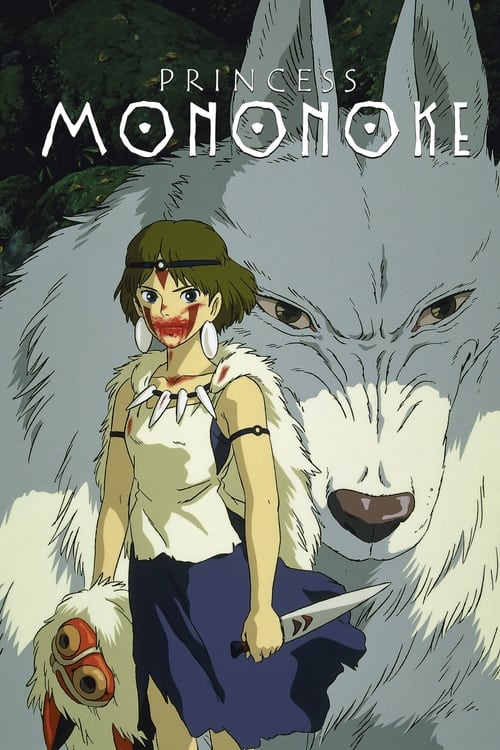
Princess Mononoke (1997)
Directed by Hayao Miyazaki
influenced Raya and the Last Dragon (2021)
Themes
All of these lively characters were impacted by the stone’s fragmentation, and they form an unforgettable core in what is basically an old-fashioned adventure movie that recalls everything from Indiana Jones to "Princess Mononoke."
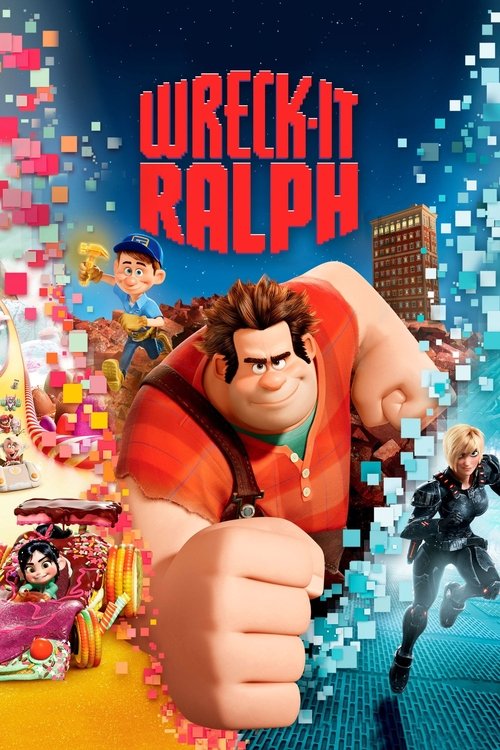
In several recent Disney toons (“Wreck-It Ralph” and “Zootopia” come to mind), the directors take the time to describe the various zones of an extended universe, only to focus in on just a couple corners of the allegedly expansive world.
“Raya and the Last Dragon” lands in the middle-good field of Disney animation like “Wreck-It Ralph” and “Big Hero 6.”
Immediately distinctive is that while existing firmly in Disney fabulist territory, unlike recent (largely) song-free, tech-centric efforts like Wreck-It Ralph and Big Hero 6, it’s not a musical.
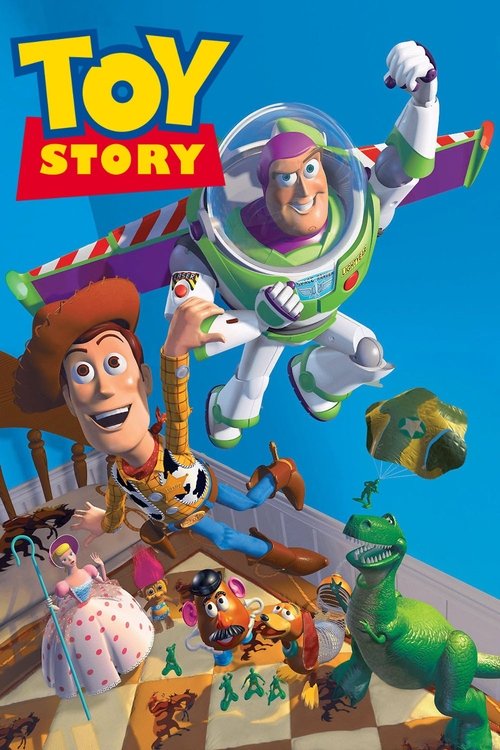
While I’ll always miss the classic look of hand-drawn animation, I’ve grown accustomed to computer-generated characters in the span of Pixar’s “Toy Story” (1995) to Disney’s “Moana” (2016).
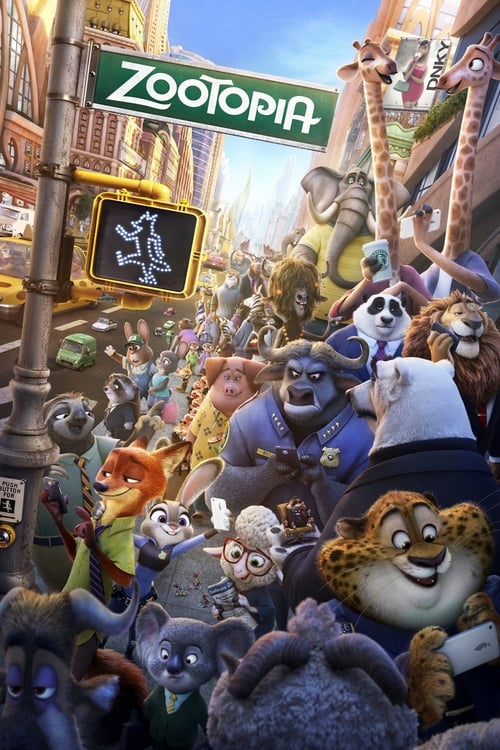
In several recent Disney toons (“Wreck-It Ralph” and “Zootopia” come to mind), the directors take the time to describe the various zones of an extended universe, only to focus in on just a couple corners of the allegedly expansive world.
Zootopia was an unmistakable if imperfect allegory about racism; the Frozen sequel pitted its royal sisters against their own kingdom’s colonialist legacy.
More than ten years ago, longtime best friends Daveed Diggs (“black-ish,” “Wonder,” Tony-winner for “Hamilton”) and spoken word poet/academic Rafael Casal began working on “Blindspotting,” inspired by their experience growing up in the uneasily gentrifying Oakland, California area long before either became successful.
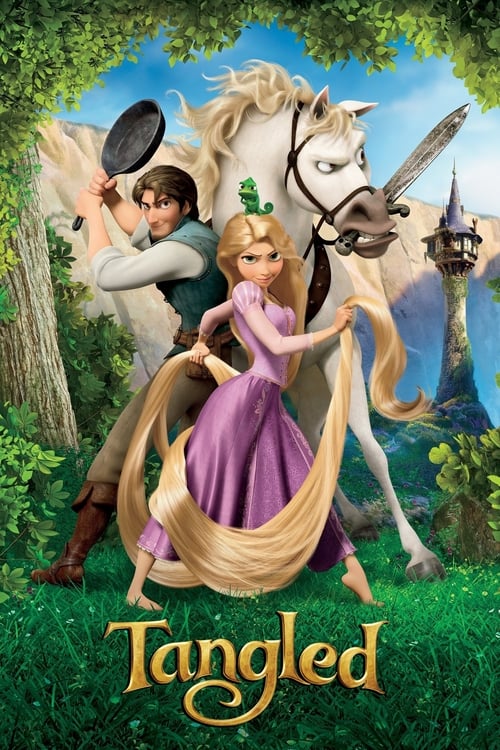
Ever since Disney overhauled its princess archetype in 2010’s Tangled with an agency-seizing Rapunzel, the evolution of its revolutionary heroines has continued — from Frozen ’s convention-bucking royal sisters Elsa and Anna, to seafaring voyager Moana.
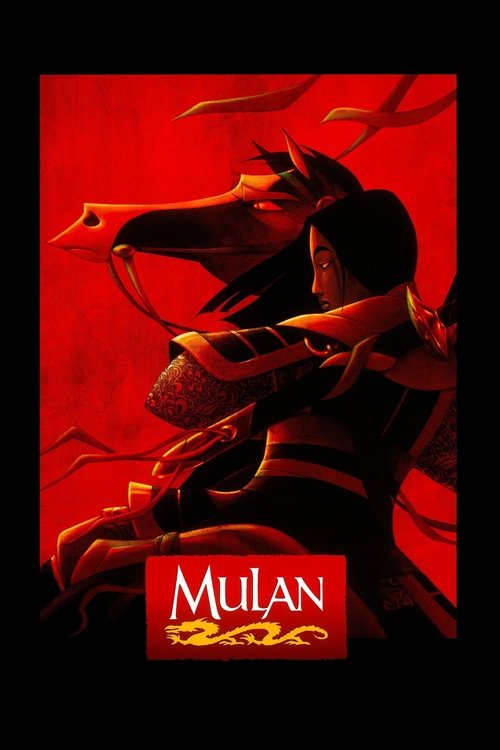
Instead, it’s a close cousin to the one in the animated Mulan (voice provided by Eddie Murphy), the title character in Pete’s Dragon, or the beloved Falkor from A Neverending Story – cuddly, friendly, and unlikely to frighten even the most delicate child.
She’s not reaching for Robin Williams as the genie and not becoming obnoxious like Eddie Murphy in Mulan .