
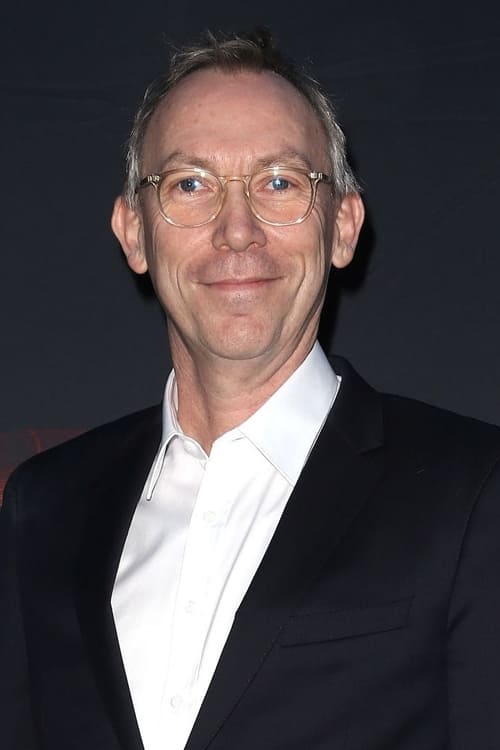
Simon McQuoid
70 connections found
Filmography
View:
Connections, in both directions
Mortal Kombat (1995)
Directed by Paul W. S. Anderson
influenced Mortal Kombat (2021), Mortal Kombat II (2026)
Visuals Themes Plot


…not even a fight scene worthy of the anarchic mania of Paul W.S. Anderson’s 1995 transposition of the game, which at least had a sense of emotional grandeur in the action.
More enjoyable than its predecessor, it is still not strong enough to dislodge my absolute adoration for “Mortal Kombat” (1995).
…part of me yearns for the comparatively simple fights from the first Paul W.S. Anderson Mortal Kombat movie…
Just like its predecessor, Mortal Kombat II starts with a powerful sequence that sets a character up for a great journey, then mostly abandons it in favour of another character and half-asses both characters’ stories.
Unlike the first Mortal Kombat, the stakes here lack any weight, even if Earth is at risk.
Unlike the 2021 film, which simply introduced a bunch of characters, MK2 at least has the tournament to act as a structure to hang the narrative on.

Resident Evil (2002)
Directed by Paul W. S. Anderson
influenced Mortal Kombat (2021), Mortal Kombat II (2026)
Themes Characters Plot
For proof, look no further than the reaction to the trailer for Zach Cregger's "Resident Evil," which has begun the fight all over again.
…oozes that kickass yet sexy early 2000s heroine chic seen in Angelina Jolie’s Lara Croft (Tomb Raider), Milla Jovovich’s Alice (Resident Evil) and Uma Thurman as The Bride (Kill Bill).
The 1992 Midway Games property, which originally was designed as a fighting game modeled after Jean-Claude Van Damme (hence the posturing of the Johnny Cage character), and originally adapted for the screen in 1995 by Paul W.S. Anderson (who would move on to the much more prolific Resident Evil franchise), and then immediately laid to rest after the considerable failure of its 1997 sequel Mortal Kombat 2: Annihilation (helmed by the first film’s DP, John R. Leonetti).
The cheesy “Mortal Kombat” (1995), from the future “Resident Evil” director Paul W.S. Anderson, proved as much, and now there is “Mortal Kombat” (2021), directed by Simon McQuoid, a snazzier, marginally more coherent movie that features a less catchy version of the techno theme song.
Sure, there’s a certain campy pleasure to watching Jean Claude Van Damme and Kylie Minogue leading battle in Street Fighter ; the Resident Evil films (especially the first) have their gory charm; and, whitewashing casting controversy aside, the sight of Jake Gyllenhaal in Prince of Persia is enough of an aesthetic appeal to forgive that film of its sins…but for every one of those, there’s a Double Dragon or a Super Mario Bros. to constantly remind you that the transferred medium is a tough ask.
A few differences in dramatis personae aside, the bare-bones mythology is more or less identical to that of the 1995 film “Mortal Kombat,” a campy hoot best remembered as a calling card for the director Paul W.S. Anderson (who would move on to a more sustained game-adaptation franchise with the “Resident Evil” series).
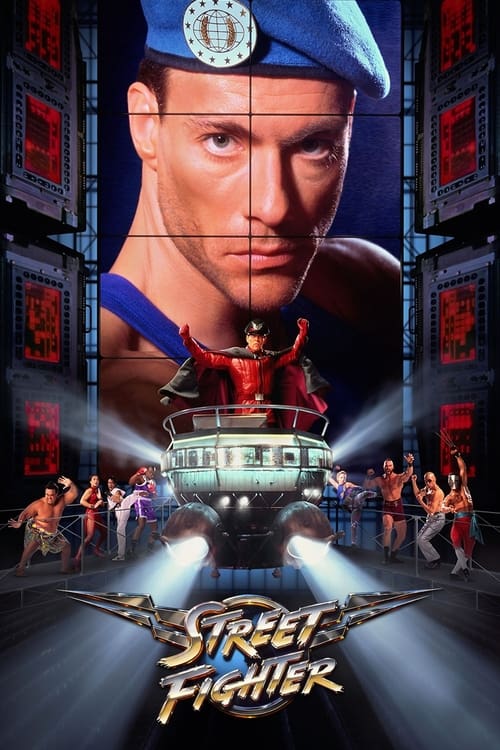
Sure, there’s a certain campy pleasure to watching Jean Claude Van Damme and Kylie Minogue leading battle in Street Fighter ; the Resident Evil films (especially the first) have their gory charm; and, whitewashing casting controversy aside, the sight of Jake Gyllenhaal in Prince of Persia is enough of an aesthetic appeal to forgive that film of its sins…but for every one of those, there’s a Double Dragon or a Super Mario Bros. to constantly remind you that the transferred medium is a tough ask.
Popularized in the 90’s by bombastic adaptations like the original Mortal Kombat series, Super Mario Bros , Street Fighter , that all became known as notable misfires, it was clear that crafting a film that was faithful to the original product yet still worked on its own was a seemingly impossible task.
Compare that to Street Fighter , which came out around the same time and had a much higher level of talent (RIP Raul Julia), yet failed on its own terms because it wanted to tell a story for some reason.
When the original Mortal Kombat arcade game was released in 1992, it was meant as direct competition to and to raise the stakes against the then-popular Street Fighter series.
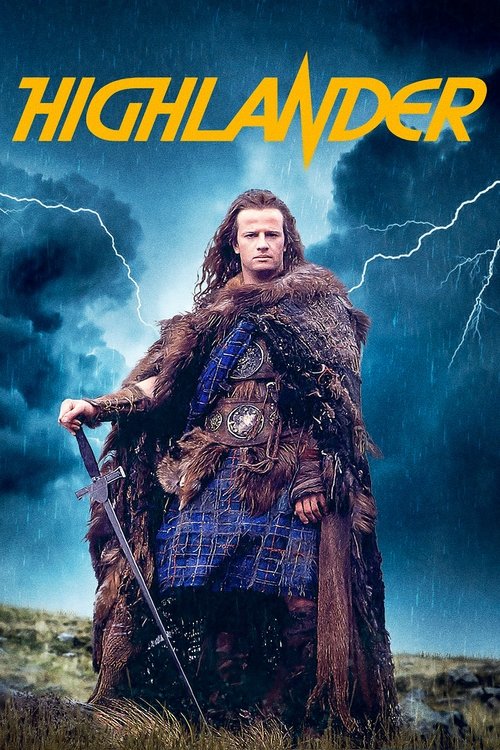
But that could also be that the lightning aspects just harkened back to Highlander for me.
Say what you will about the ’95 Mortal Kombat , but writer Kevin Droney ( Highlander TV series) understood that getting to know the karacters set up stakes so that the fights, ridiculous as they are, kontained weight.
But the garish lighting and focus on swordplay and hokum put it more in league with 90s cheapies like the Highlander TV series or, perhaps, the original Mortal Kombat films (I can’t say for sure as I’ve never seen them).
Digan lo que quieran sobre el Mortal Kombat del 95, pero el guionista Kevin Droney (la serie de televisión Highlander) entendía que conocer a los personajes ponía en juego lo necesario para que las peleas, por ridículas que fueran, tuvieran peso, en esta versión, las peleas son la pieza central, pero en su mayoría carecen de sentido, sobre todo por la forma en que la película establece los acontecimientos de la historia como el período previo al décimo torneo entre reinos.
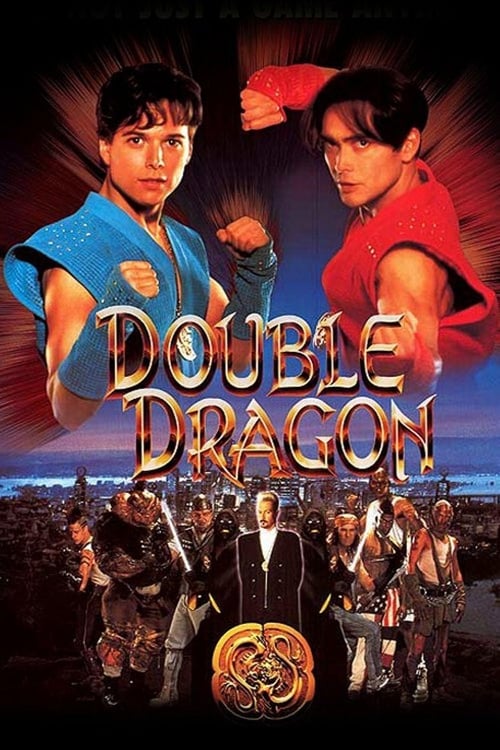
“Double Dragon” was a simple story of two brothers taking on street gangs to rescue a lady, but the 1994 film added in mystical amulets, post-apocalyptic elements and more on top of that basic premise.
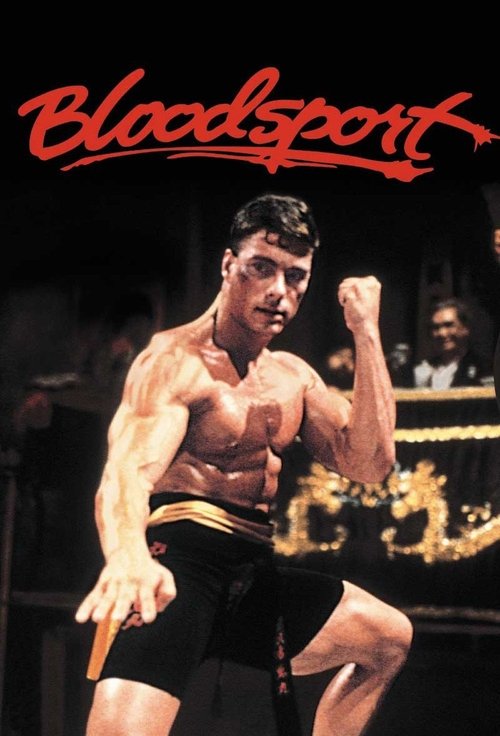
…martial arts films like “Crouching Tiger, Hidden Dragon” and “Bloodsport,”…
The series has always been a “Bloodsport” x “Enter the Dragon” mashup with Marvel-style fighters…
Mortal Kombat isn’t Bloodsport — it’s fantasy…
After all, the "Mortal Kombat" game was heavily influenced by martial-arts films such as "Enter the Dragon" and "Bloodsport," and while those movies weren't exactly character studies, they didn't need to choose one aspect over the other.
Mighty Morphin Power Rangers: The Movie (1995)
Directed by Bryan Spicer
influenced Mortal Kombat (2021)
Visuals
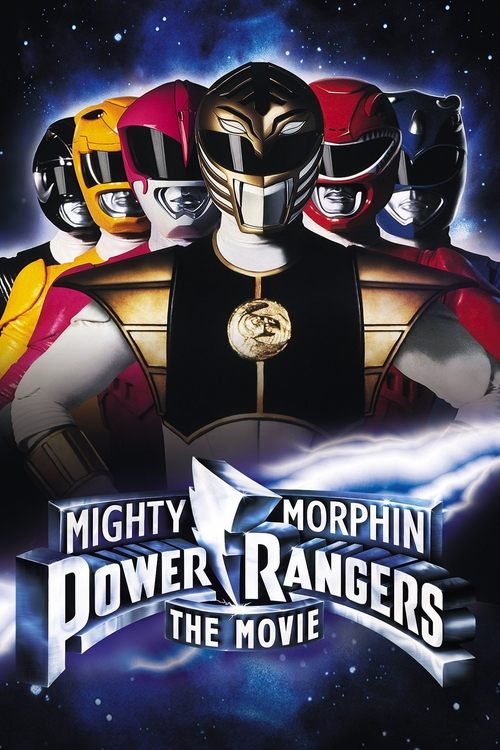
Meanwhile, somewhere in the quarry-esque environs of Outworld, the evil sorcerer Shang Tsung (Chin Han) is traipsing around with his armored minions, contributing to an overall “R-rated Power Rangers ” vibe.
• Minus a couple "Power Rangers" bloopers, the special effects — from Sub-Zero's homicidal-Elsa-from-"Frozen" theatrics to Raiden's Halle Berry-style lightning tantrums — practically make cash register noises.
Lin brings the same charm, power, and thoughtfulness that made him such a hit in Power Rangers .
Huang is a member of Jackie Chan’s stunt team, and Lin played the Black Ranger in the “Power Rangers” film.
As a workaround, Sonya, Jax and Cole eventually meet up with Liu Kang (Ludi Lin, Power Rangers ) and Kung Lao (Max Huang) — the warrior allies of Raiden (Asano Tadanobu, the Thor franchise ).
Super Mario Bros. (1993)
Directed by Rocky Morton
influenced Mortal Kombat (2021), Mortal Kombat II (2026)
Themes
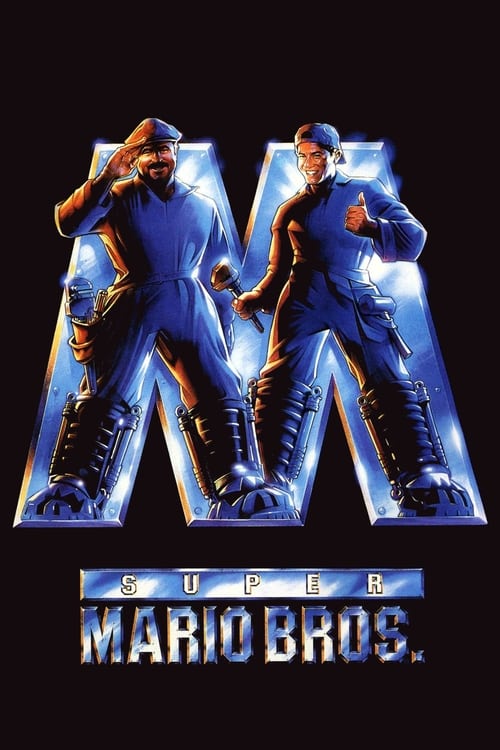
It's a question we've been asking since at least 1993's "Super Mario Bros.," and we're not likely to have a solid answer to it anytime soon.
Popularized in the 90’s by bombastic adaptations like the original Mortal Kombat series, Super Mario Bros , Street Fighter , that all became known as notable misfires, it was clear that crafting a film that was faithful to the original product yet still worked on its own was a seemingly impossible task.
Initial chatter had led me to believe this could be the “one,” but “Mortal Kombat” is no different than several “Resident Evil” movies and “Super Mario Brothers.”
It isn’t needlessly overcomplicated like “Super Mario Bros.” or “Street Fighter: The Legend of Chun-Li,” but it still adds superfluous layers to make itself seem grander.
Mortal Kombat: Annihilation (1997)
Directed by John R. Leonetti
influenced Mortal Kombat (2021), Mortal Kombat II (2026)
Characters
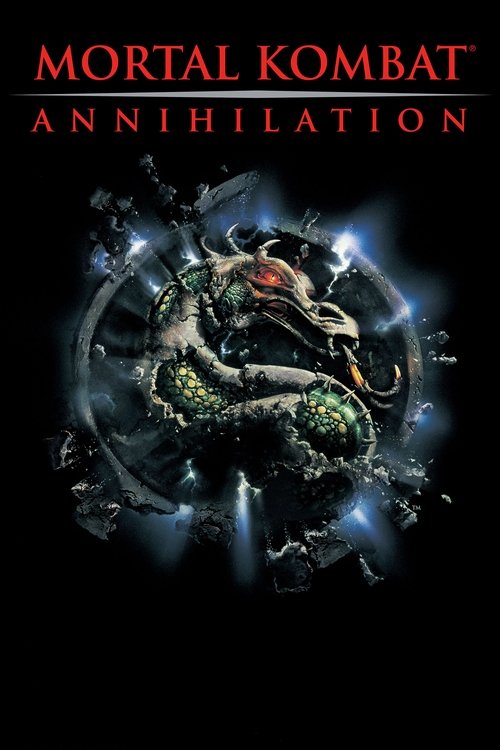
…it didn’t minimize him or cartoonize as in 1997’s “Mortal Kombat: Annihilation.”
MK II is still a good Johnny Cage kick above Mortal Kombat: Annihilation…a realm no MK film wants to be in.
…followed by a 1997 sequel, Mortal Kombat: Annihilation, by John R. Leonetti.
Landing on the latter end of that scale was Mortal Kombat: Annihilation, an original attempt to make a live-action sequel in this franchise…
…the last time we got a Mortal Kombat II in theaters (folks of my generation can remember feeling ripped off when we saw Mortal Kombat: Annihilation)…
The same can't be said for its sequel, Mortal Kombat: Annihilation, which was so disastrous that almost none of the original cast returned.
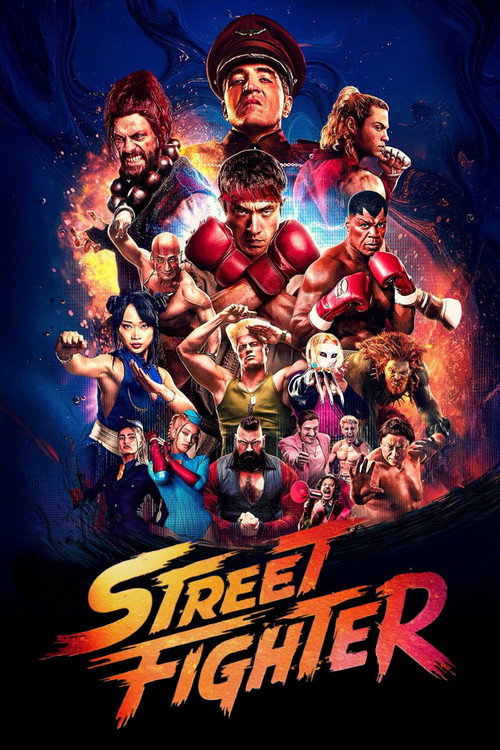
While a “Street Fighter” reboot hits theaters later this year, “Mortal Kombat” got its own back in 2021.
With the new Street Fighter movie on the horizon and going for a much sweatier, colorful, caffeinated vibe, it makes you all the more sad that the other gold standard of fighting games can’t find its footing on the big screen.
In October, Street Fighter will hadouken its way back into cinemas.
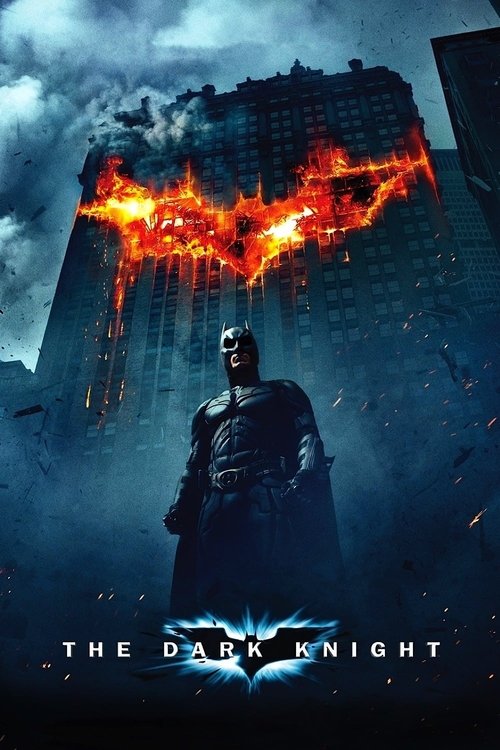
As a result, the movie tends to feel unnecessarily glum and weighty with McQuoid’s further attempt in translating Greg Russo and Dave Callaham’s equally heavy-handed screenplay into a modern superhero film-like vibe populated by Christopher Nolan’s The Dark Knight trilogy.
Before Christopher Nolan’s The Dark Knight became the first film of its kind to be nominated for a Best Picture Oscar, comic book movies were considered slightly smarter action films at best, and gaudy power fantasies at worst.
Despite being focused on one-on-one fights, it’s a universe surprisingly deep in lore: War for the universe, the tournament of champions, good guys led by Lord Raiden (the great Tadanobu Asano, looking disappointed in himself), bad guys gathered by Shang Tsung (The Dark Knight’s Chin Han in an embarrassingly bad wig).
It’s going to take a massive alliance to withstand the challenge from Shang Tsung (Chin Han, The Dark Knight ) and his formidable array of fighters including the cold-hearted assassin Sub-Zero (Joe Taslim, The Raid: Redemption ).
…with classics such as Silent Hill, Resident Evil, Tomb Raider, Sonic the Hedgehog, Mario and Minecraft being remoulded from the consoles to the big screen…
Who could have anticipated, when all of these games first launched, that the best big screen adaptation of all-time would currently be a Sonic the Hedgehog threequel?
In the other corner, weighing in at "Sonic the Hedgehog," we have the Radicalists.
It’s more akin to something like the non-game-based, and yet game- like , Freddy vs. Jason, which of course had a Hong Kong director, Ronny Yu.
We know he’s the comic relief from his references to Magic Mike, Gandalf and Harry Potter.
Cole (along with those unfamiliar with the video game) is introduced to former Special Officer Jackson “Jax” Briggs (Mehcad Brooks); Jax’s military partner Sonya Blade (Jessica McNamee), who runs her operation out of a ramshackle house in Gary, Indiana, and the wisecracking and cynical Kano (Josh Lawson), who makes pop-culture references (calling a shirtless fighter “Magic Mike”) and isn’t nearly as entertaining as he thinks he is.
But the increase in severity doesn’t fix issues with the dialogue, which is frequently generic or just plain silly (even the nonstop humor provided by Kano [Josh Lawson], funny as it may be, doesn’t always line up with the tone and styling of the surrounding elements – such as when he calls a shirtless Liu Kang [Ludi Lin] “Magic Mike”), or the picture’s ability to stand alone as an independent, sensible fantasy yarn.
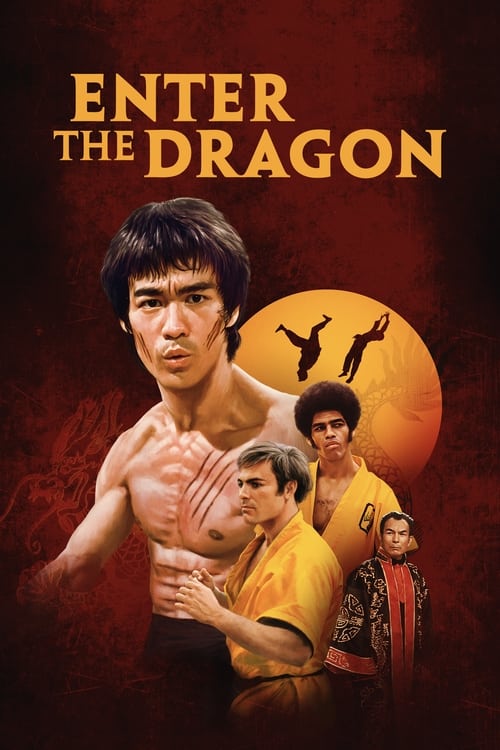
Enter the Dragon (1973)
Directed by Robert Clouse
influenced Mortal Kombat (2021), Mortal Kombat II (2026)
Plot
The series has always been a “Bloodsport” x “Enter the Dragon” mashup with Marvel-style fighters…
After all, the "Mortal Kombat" game was heavily influenced by martial-arts films such as "Enter the Dragon" and "Bloodsport," and while those movies weren't exactly character studies, they didn't need to choose one aspect over the other.
Mortal Kombat should be an inspired version of Bloodsport meets Enter the Dragon .
Director Simon McQuoid makes a surprisingly adept directorial debut with a big budget remounting, which basically serves as a remake of the 1995 film (itself aping the plot of Enter the Dragon ), although with various notable shifts in character focus in the script from Greg Russo and David Callaham.
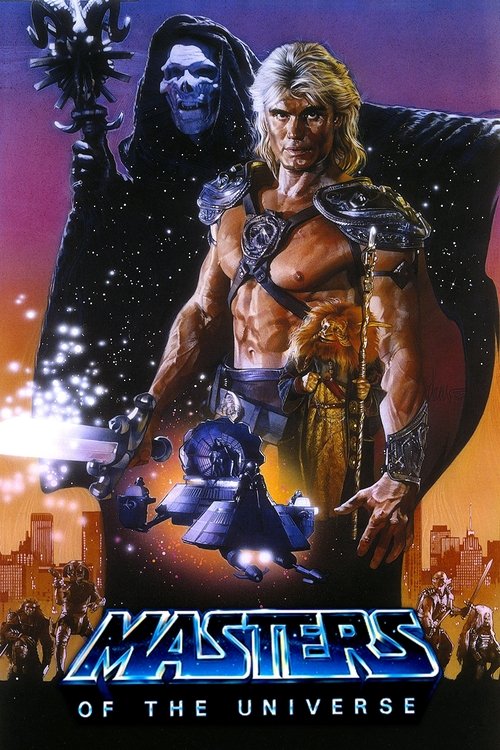
The good guys triumph over the bad guys who, regardless of how authentic they are to their side-scroller counterparts, have all the visual panache of rejected villain concepts from Cannon Films’ Masters of the Universe movie.
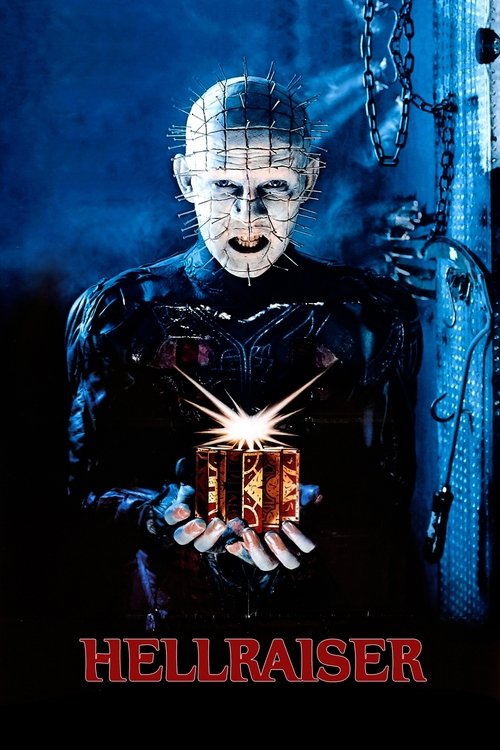
Mortal Kombat has always existed in the weird nexus of Shaw Brothers-esque Asian mythmaking, high-fantasy adventure, Saturday-morning cartoon silliness, and Hellraiser-style gore…
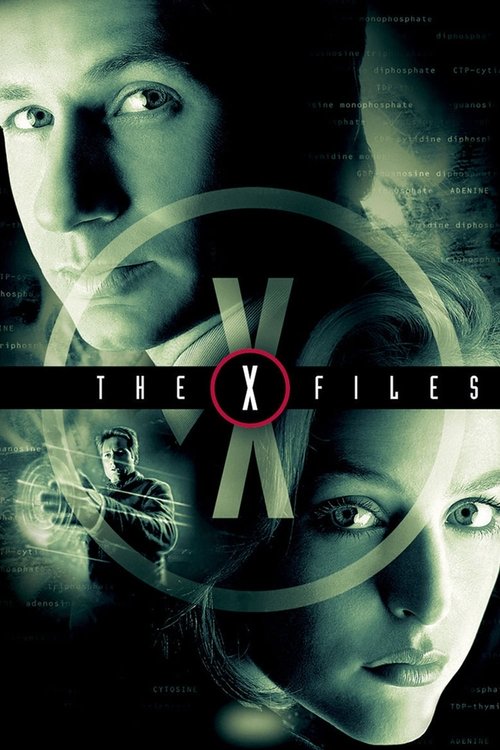
…in the vein of The X-Files and Marvel's expanding Cinematic Universe, no one here is ever truly dead…
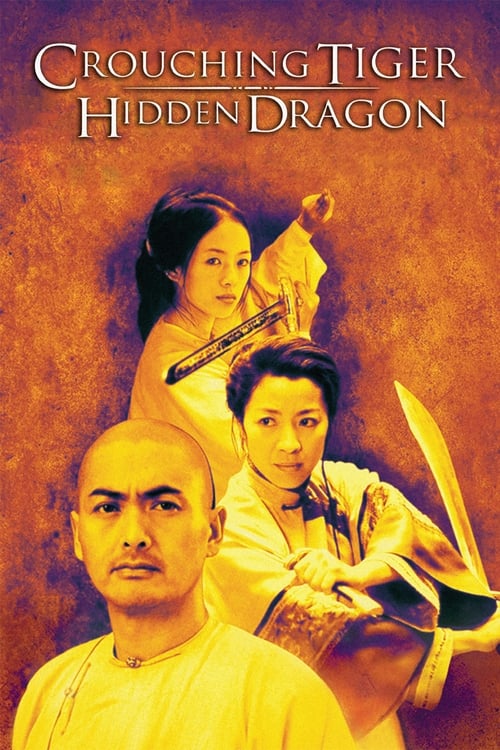
Crouching Tiger, Hidden Dragon (2000)
Directed by Ang Lee
influenced Mortal Kombat II (2026)
Visuals
…martial arts films like “Crouching Tiger, Hidden Dragon” and “Bloodsport,”…
…experience – of every poor adaptation from Hitman to Prince of Persia: The Sands of Time – suggests that this is the best way to avoid disappointment…