
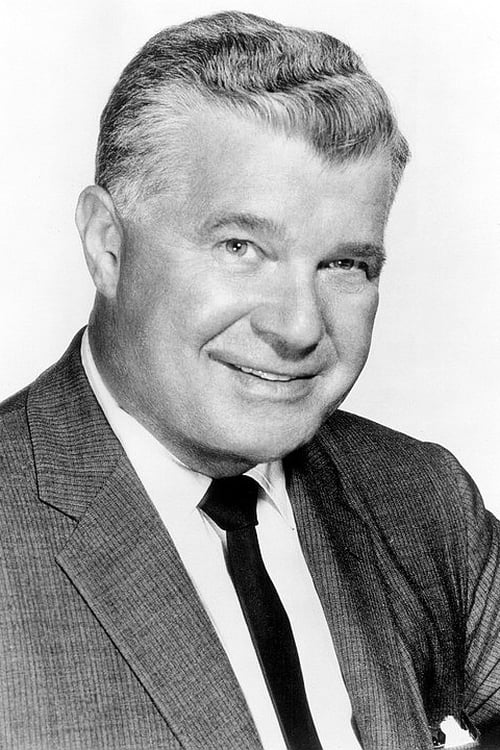
Robert Rossen
13 connections found
View:
Connections, in both directions
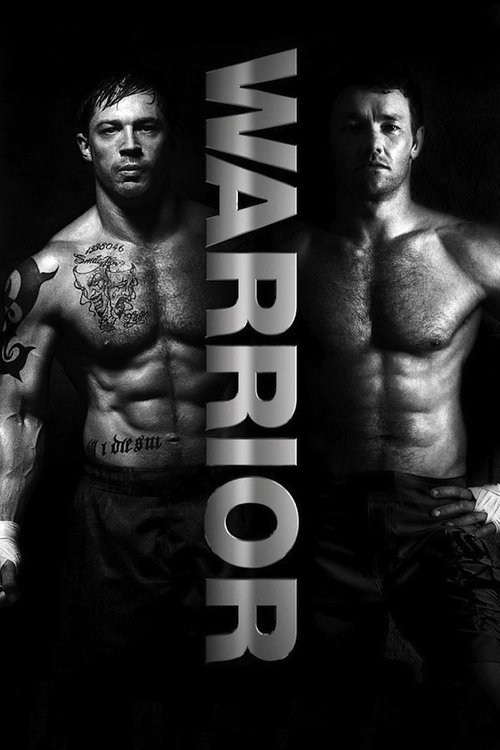


And its fondest fans can point to exceptions — “Body and Soul,” “The Set-Up,” “The Harder They Fall,” “Raging Bull” and even the first “Rocky.”
It may not be MMA’s “Raging Bull,” but it’s good enough to compare to “Rocky” or “Body and Soul” and not embarrass itself or its sport.
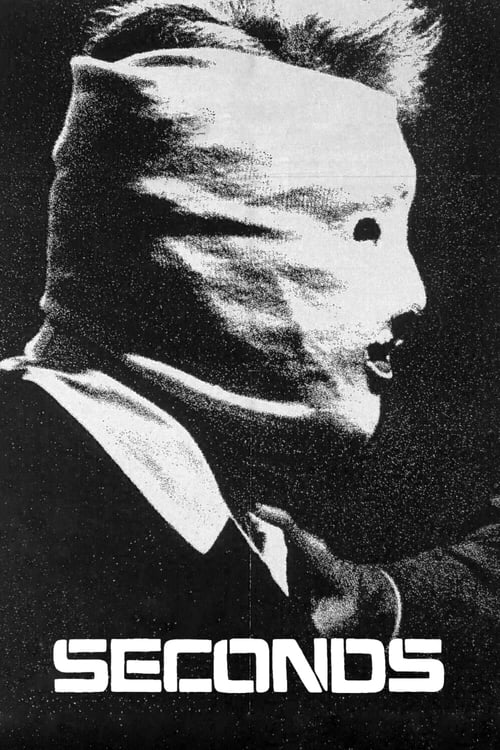
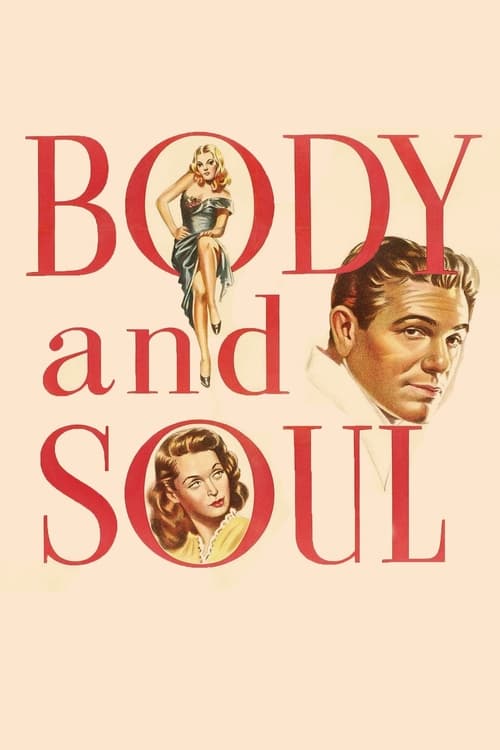
Starkly lit and dizzyingly shot (Howe once strapped on a pair of roller skates to film a boxing match, for 1947's Body and Soul), Seconds fulfills Frankenheimer's vision of a cinematic point-of-view that represents the distorted perspective of madness.
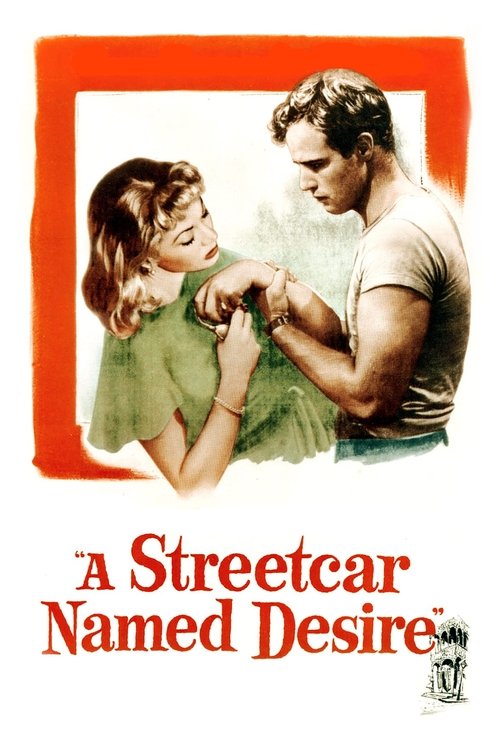
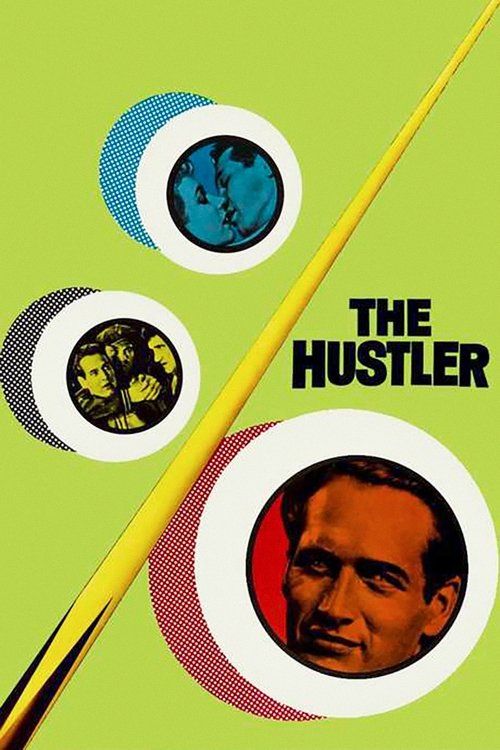
If the narrative structure of the piece is framed by two matches between Eddie and Minnesota, the thematic structure is a freight train to Hell punctuated by first a late-night train ride where Burt lays out what he thinks of Laurie, then this rape sequence, which cements the transition from Elia Kazan's Breem-contaminated A Streetcar Named Desire to the collapse of Breem's Code later in The Hustler's decade.

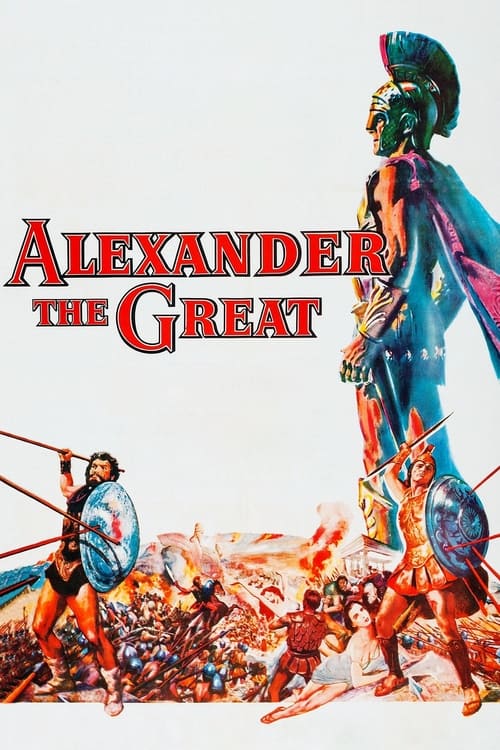
With a Scorsese and a Spielberg film in release in the same month and having secured the title role in Baz Luhrmann's upcoming Alexander the Great, DiCaprio's star is once again one of the brightest in the sky.
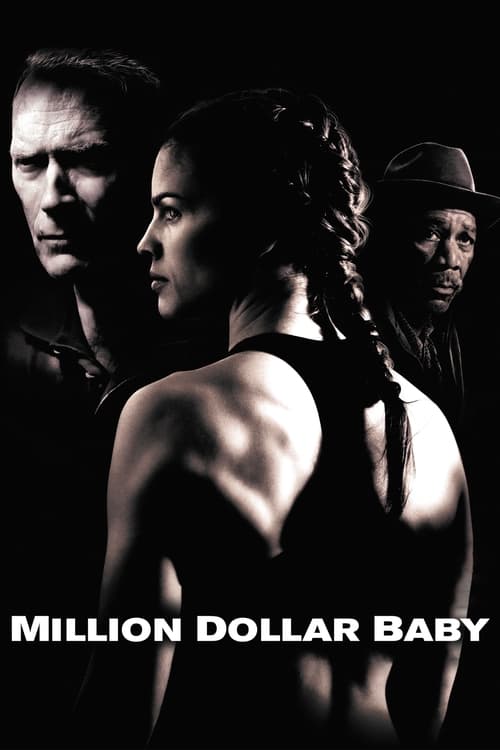
Million Dollar Baby (2004)
Directed by Clint Eastwood
influenced by Body and Soul (1947), The Hustler (1961)
Themes
The best boxing movies—Robert Rossen’s “Body and Soul” (1947), John Huston’s “Fat City” (1972), Scorsese’s “Raging Bull” (1980)—have a special redolence that is as easily recognizable, and as richly satisfying, as the leather-and-manure aroma of a stable.
As a boxing movie, this is every bit as grim as The Set-Up (1949) and Fat City (1972), and as an underlit look at a seedy American subculture, set mainly in a few lairlike locations, it's as dark and doom ridden as the 1961 The Hustler (with which it paradoxically shares a 'Scope format) and Eastwood's own Bird (1988).
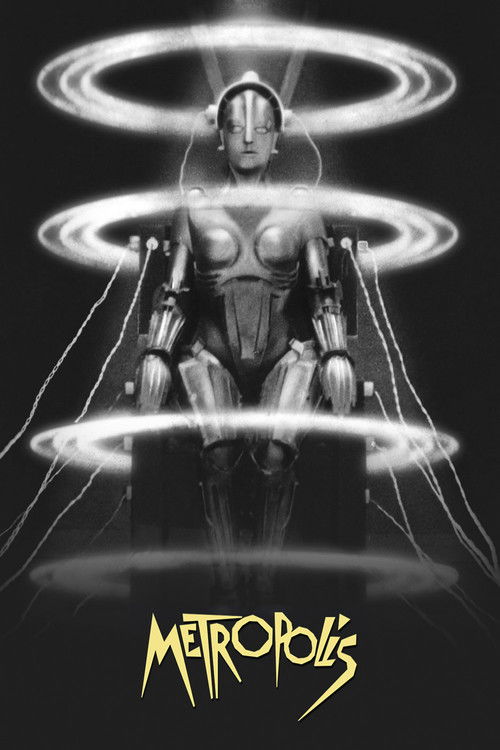
The special effects were the work of Eugene Schuefftan, who later worked in Hollywood as the cinematographer of “Lilith” and “ The Hustler .”
Most of these were done through the pioneering special effects work of Eugene Schuefftan, who later worked on The Hustler near the end of his career.
His director of photography was German emigre Eugen Shuftan, a hugely important in-camera effects innovator on Fritz Lang's "Metropolis," whose prior film had been Georges Franju's unspeakably beautiful 1960 horror masterpiece, "Eyes Without a Face."

In 1986, the same year he played Maverick, the ace naval aviator at the center of Tony Scott’s Top Gun—a career-defining role if ever there were one—Tom Cruise also starred in Martin Scorsese’s The Color of Money, a 25-years-later sequel to Robert Rossen’s antihero classic The Hustler (1961).
Cruise stars opposite Paul Newman, returning as "Fast Eddie" Felson from 1961's The Hustler .
That film was also a long-gestating sequel that saw Paul Newman return years after “The Hustler” to play an older, scrappier version of what was previously a young and scrappy heartthrob.
Much like 1986’s The Color of Money (which just so happened to feature Cruise in a breakthrough performance and came out the same year as the original Top Gun ) supplied a scenario worthy of the return of The Hustler ’s main character, “Fast Eddie” Felson, the same can be said about how this script brings back Capt.
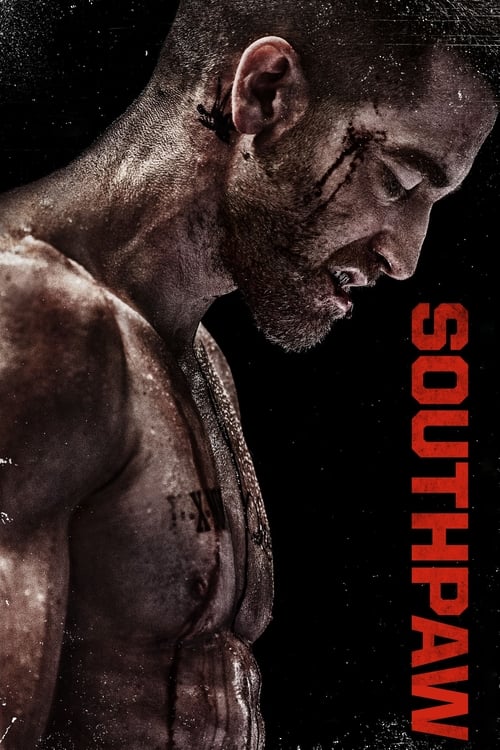
…in fact, you can tick off the storylines from old movie as the “Southpaw” rolls along: A comeback featuring an emotionally scarred, deeply flawed boxer and his young child (“The Champ,” both versions), a death that seriously impacts a fighter’s career (“Body and Soul”), a boxer out to gain self-respect in the ring (“Rocky”); the trainer who must be wooed to work with a fighter he disdains (“Million Dollar Baby”).
And despite speeches about Hope’s graduation from the School of Hard Knocks, he doesn’t function as a bristling working-class hero or antihero, like the fictional protagonists of Golden Boy , Body and Soul , The Set-Up , and Champion.
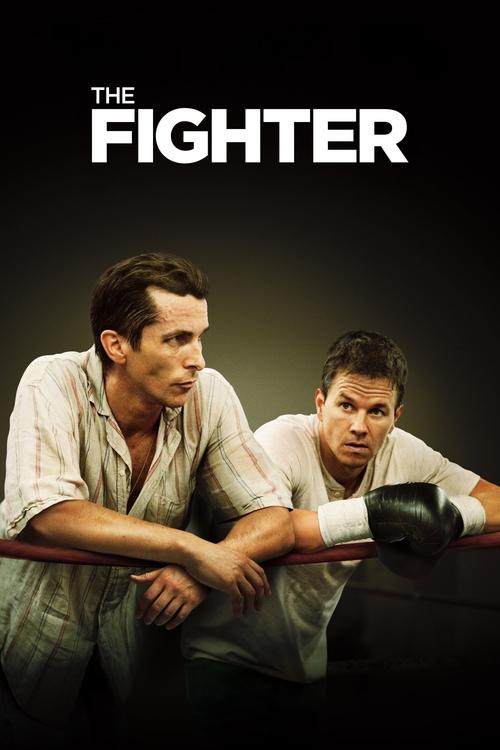
The primal thrill of great boxing movies - Body and Soul and The Set-Up, Rocky and Raging Bull, Million Dollar Baby and Somebody Up There Likes Me - cannot be denied.
Presaged by the Group Theaters 1939 production of Golden Boy, postWorld War II boxing films like Body and Soul, Champion, and The Set-Up were all about class struggle, specifically the brutality of the capitalist system and the pathos of the proletariat; with few exceptions, Hollywood boxers were tragic figures until Sylvester Stallone changed the game, upping the genres ethnic ante and opting for a Cinderella structure, to create one of the greatest success sagas in American movies.
Whatever you think of real-life boxing, there’s no question that as a movie genre it has brought out some of the best in actors and directors, from “Golden Boy” and “Body and Soul” to “Rocky” and “Raging Bull.”
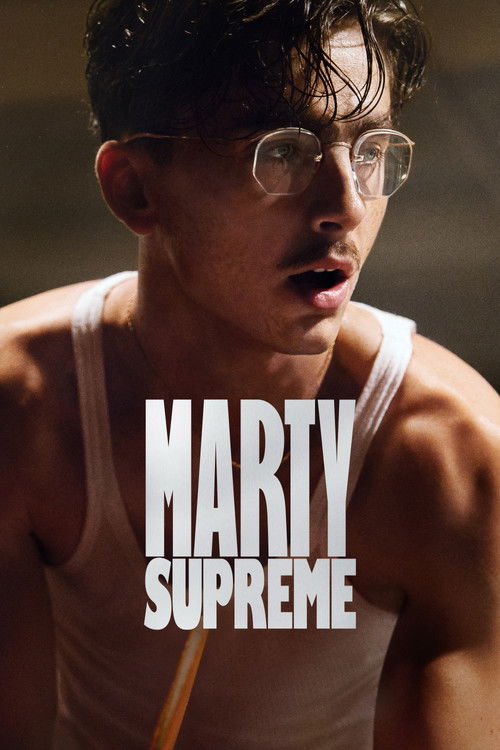
Those parlors might remind some of the shady pool halls seen in Paul Newman’s classic THE HUSTLER, but such ping pong halls really did exist in the neighborhood where the really Marty grew up.
In others, like Oliver Stone's Alexander the Great , he was abysmal.
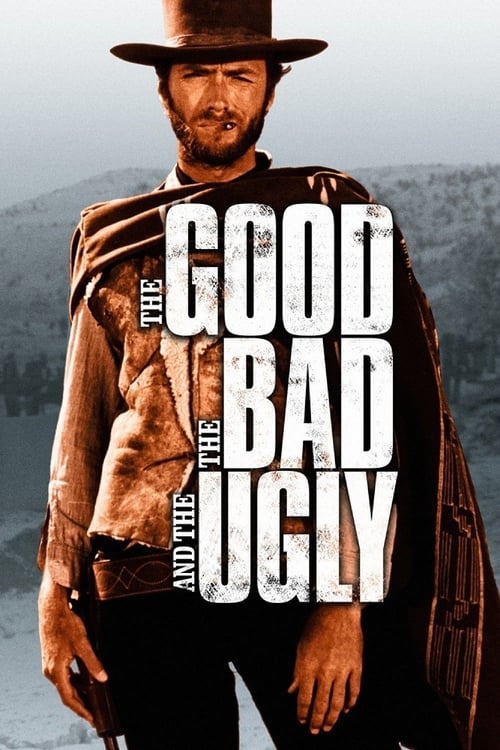
The Good, the Bad and the Ugly (1966)
Directed by Sergio Leone
influenced by Body and Soul (1947)
Visuals
It was like Monk's mesmerizing expansion and contraction of time in his version of ''Body and Soul.''
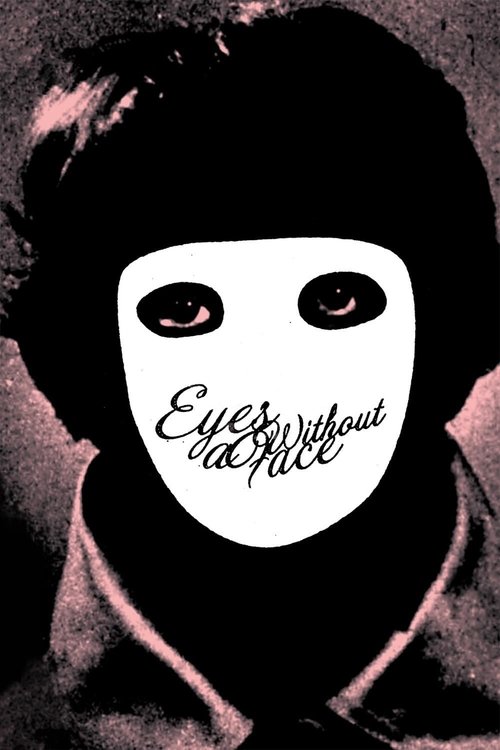
His director of photography was German emigre Eugen Shuftan, a hugely important in-camera effects innovator on Fritz Lang's "Metropolis," whose prior film had been Georges Franju's unspeakably beautiful 1960 horror masterpiece, "Eyes Without a Face."