
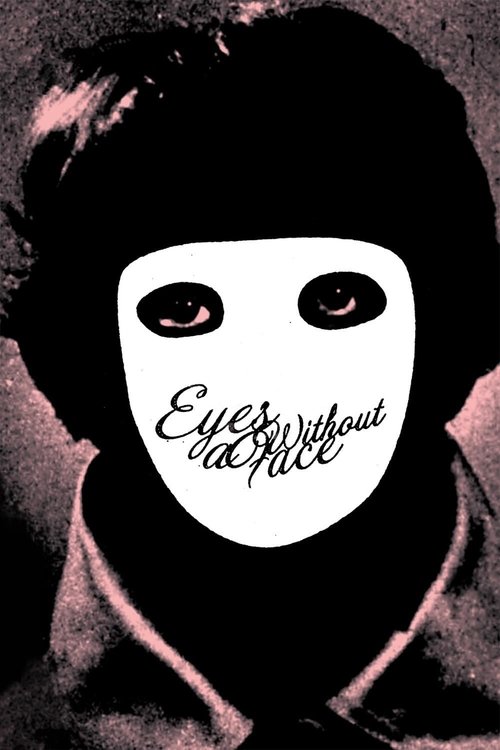
Eyes Without a Face (1960)
Directed by Georges Franju
Dr. Génessier is riddled with guilt after an accident that he caused disfigures the face of his daughter, the once beautiful Christiane, who outsiders believe is dead. Dr. Génessier, along with accomplice and laboratory assistant Louise, kidnaps young women and brings them to the Génessier mansion. After rendering his victims unconscious, Dr. Génessier removes their faces and attempts to graft them on to Christiane's.
13 connections found
View:
13 connections, in both directions
What critics compared Eyes Without a Face to
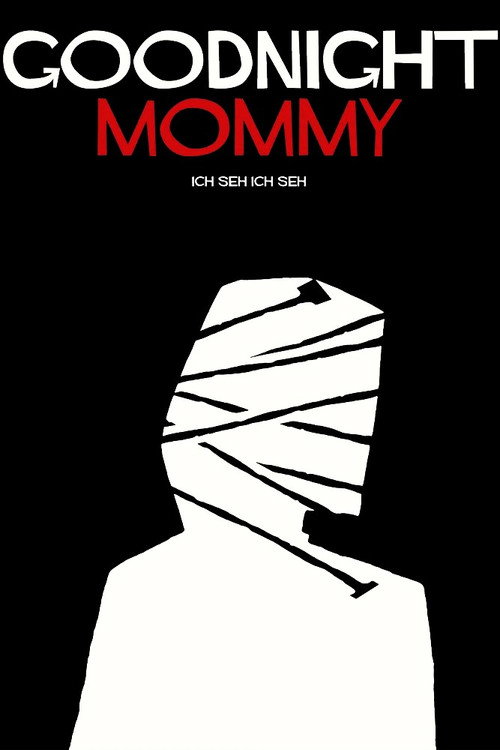


A German-language Austrian production that qualifies as both art film and horror movie (like one of its inspirations, the 1960 French masterpiece "Eyes Without a Face"), the film takes place in and around a remote, modernistic home of wall-sized windows and clear acrylic egg-shaped chairs.
A little “Eyes Without A Face,” a little “Dead Ringers,” with some of the bracing provocation of “Dogtooth,” “Goodnight Mommy” is also reminiscent of the wicked games of their countryman Michael Haneke.
It begins with a remarkable straightforward plot mirroring that classic French nightmare “Eyes Without a Face.”
In her bandages, Wuest evokes memories of such films as "Eyes Without a Face" or the Pedro Almodovar riff on that film, "The Skin I Live In."
She looks like the disfigured daughter in Georges Franju’s “Eyes Without a Face” (1960), and her 9-year-old twin boys, Lukas (Lukas Schwartz) and Elias (Elias Schwartz), have the uncanny menace of the famous Diane Arbus photo of twins , alluded to with chilling effect in Stanley Kubrick’s “The Shining” (1980).
Just look at the ingredients: creepy twins like the girls from The Shining, bandages that scream Eyes Without a Face, not to mention cockroaches, crucifixes, a whispering forest, a graveyard and an entire bunker full of skulls and bones over which the boys clamber in their matching Crocs.
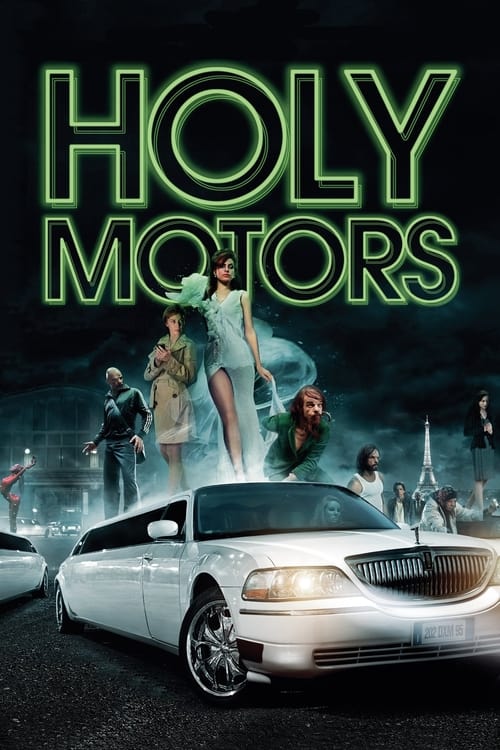
His driver, Céline (Edith Scob, "Eyes Without a Face"), tells him he has nine appointments this day, many hours of work before she can return to "Holy Motors."
It's no accident that the old chauffeur is played by Edith Scob, the star of Franju's classic "Eyes Without a Face."
Carax is especially fixated on Franju’s greatest work, the nocturnal and terrifying 1959 masterpiece, “Eyes Without a Face,” about an obsessive plastic surgeon trying to rebuild his daughter’s face, which he had disfigured in a car accident, from the combined parts of transplants of beautiful kidnapped young women.
The finale of Holy Motors sees Édith Scob, as the impeccably dressed Céline, donning the mask she wore playing a disfigured girl in George Franju’s 1960 horror classic Eyes Without a Face.
His driver is Céline (Édith Scob — mostly known as the daughter with the disfigured face in Georges Franju's "Eyes Without a Face"), and she has two simple responsibilities: give him the detailed file for his next appointment and make sure he arrives on time for it.
A chameleonic blank page, he's a funnier version of the stiff financier in Cosmopolis, riding about in a limo driven by a trusted chauffeur (Edith Scob, whose performance in Franju's Eyes Without a Face is one of many allusions).
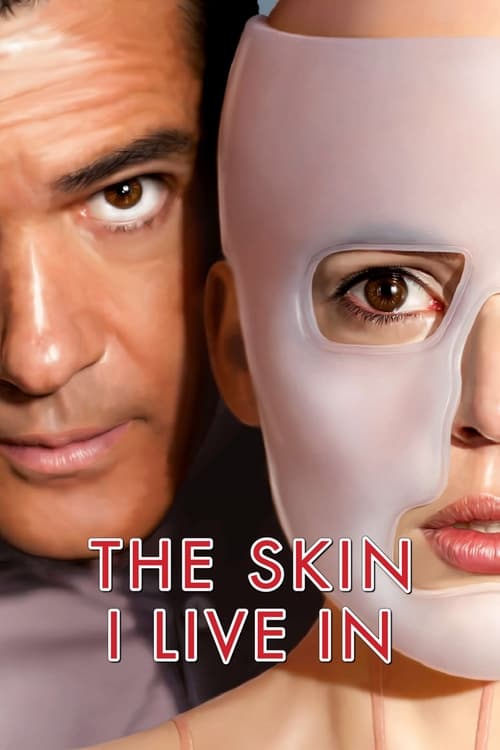
There's a goodly dose of Georges Franju's 1960 French horror classic "Eyes Without a Face."
There are echoes of Georges Franju’s Eyes Without a Face, Hitchcock’s Vertigo and just about anybody’s Frankenstein.
Cinephiles will recognize dreamy allusions, most obviously to Georges Franju's Eyes Without a Face, but there are also deep-red hints of early Dario Argento films, Robert Wiene's The Hands of Orlac and its remake, Karl Freund's Mad Love, and the films of David Cronenberg, among others.
The Skin I Live In is a gaudy mash-up of George Franju’s memorably queasy Eyes Without a Face, with other plot strands lifted from various other sources, including Verdi’s opera Il Trovatore.
The film has elements of Hitchcock and, most of all, George Franju's far, far superior "Eyes Without a Face," but "The Skin I Live In" is structurally rickety.
"Vertigo," "Eyes Without a Face," "Rebecca," "Frankenstein" and every mad doctor movie ever made, including "The Island of Lost Souls," are mixed into this movie's DNA.
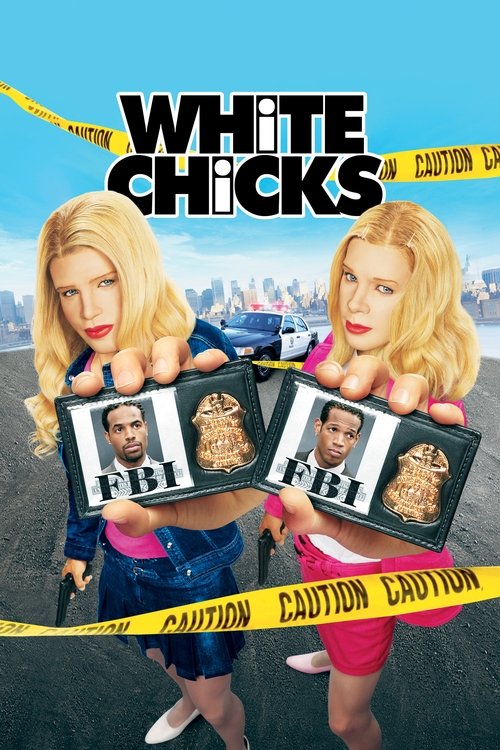
However, as I prefer to do, you can chuck all those edgy jokes out the window (they’re not so edgy they’d dent the lawn) and take it as one man’s sublimely transgressive homage to French director George Franju’s iconic 1959 classic Eyes Without a Face.
Advertisement
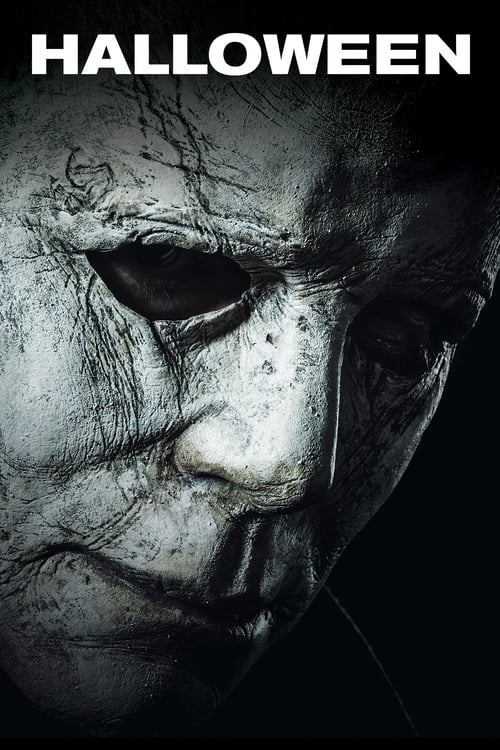
Carpenter was also a classicist who grew up on the films of Howard Hawks and John Ford and looked to Alfred Hitchcock’s “Psycho” and the 1960 French horror film “Eyes Without a Face” for inspiration when making “Halloween.”
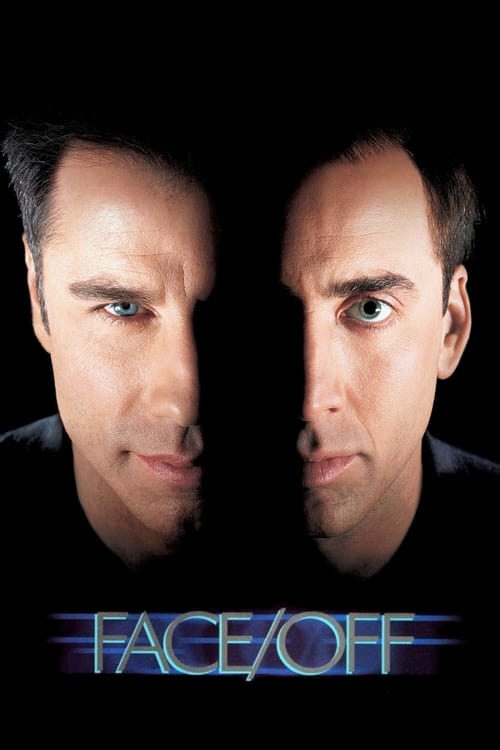
You'd think no director could possibly pull off that kind of Grand Guignol medical procedure -- even though the whole idea has echoes of Georges Franju's 1959 French horror classic "Eyes Without a Face."
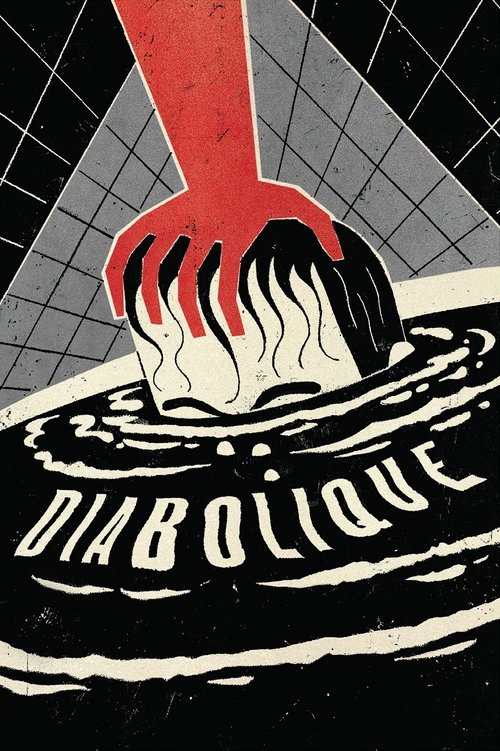
Director Franju brings to this grim story—by Diabolique and Vertigo authors Pierre Boileau and Thomas Narcejac—a wry humor at times, helped along by Maurice Jarre's wonderfully bouncy and off-kilter score.
The idea for "Eyes" was worked on by several writers, including first assistant director and future director Claude Sautet as well as by Thomas Boileau & Pierre Narcejac (whose novels became Clouzot's "Diabolique" and Hitchcock's "Vertigo").
Franju recruited the nefarious duo Pierre Boileau and Thomas Narcejac (responsible for Diabolique and Vertigo among others) to adapt Jean Redon's novel, and the scenario smells of their usual queasy blend of police procedural and obsessional guilt; the cops here fumble around and send a decoy almost to her doom — they don't know they're in Boileau/Narcejac territory and therefore irrelevant.
The great Thomas Boileau and Pierre Narcejac, whose stories provided the basis for Diabolique and Vertigo collaborated on the screenplay with Franju, building a measure of suspense as outside forces conspire to stop the doctor in his tracks, but it's Franju's atmosphere that keeps the film interesting.
Working from an adaptation by the team of Pierre Boileau and Thomas Narcejac (known for the novels that morphed into Vertigo and Diabolique), director Georges Franju has fashioned a terror tale that's as poetic as it is horrific, buoyed by the ascetic camerawork by Eugen Shufftan (a year before he took the Oscar for The Hustler) and an early score by Lawrence of Arabia composer Maurice Jarre.
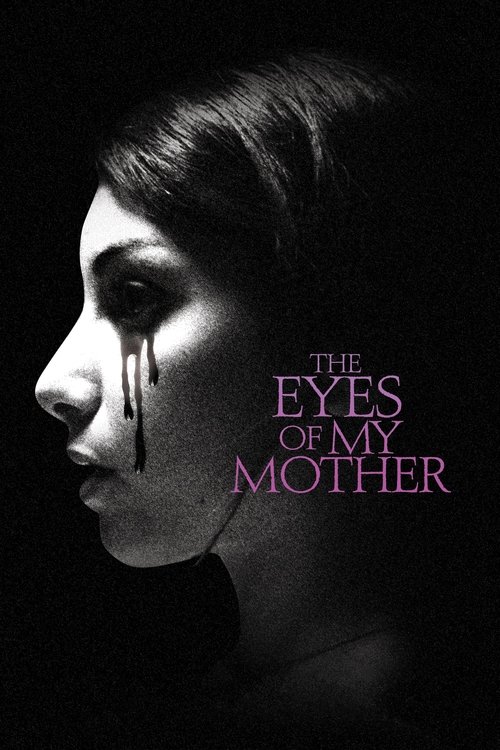
The Eyes of My Mother is roughly analogous to Franjus wonderful Eyes without a Face, in the sense that both affect a non-exploitive art house approach that makes horror stand out in contrast like a bloody carcass tossed onto an intricate silk tablecloth.
Advertisement
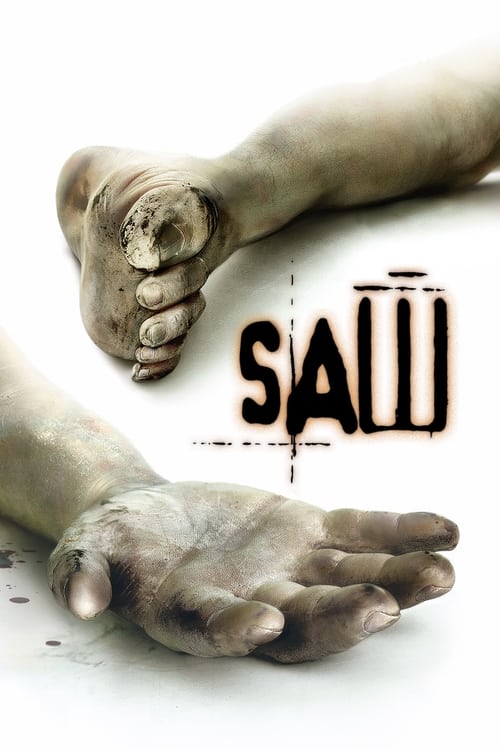
Three Halloween horrors: Saw, Enduring Love, and Eyes Without a Face.
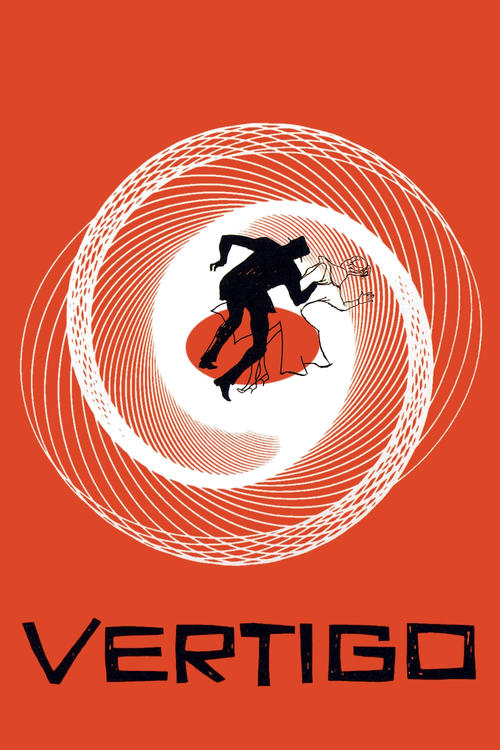
Director Franju brings to this grim story—by Diabolique and Vertigo authors Pierre Boileau and Thomas Narcejac—a wry humor at times, helped along by Maurice Jarre's wonderfully bouncy and off-kilter score.
“Eyes Without A Face” is adapted from a novel by Jean Redon with a screenplay by the team of Pierre Boileau and Thomas Narcejac (whose own published work provided the source material for “Vertigo” and “Les Diaboliques”) among others, and its basic story could easily have provided the framework for a boilerplate B-movie and its Frankenstein-based structure is hardly ground-breaking.
The idea for "Eyes" was worked on by several writers, including first assistant director and future director Claude Sautet as well as by Thomas Boileau & Pierre Narcejac (whose novels became Clouzot's "Diabolique" and Hitchcock's "Vertigo").
Franju recruited the nefarious duo Pierre Boileau and Thomas Narcejac (responsible for Diabolique and Vertigo among others) to adapt Jean Redon's novel, and the scenario smells of their usual queasy blend of police procedural and obsessional guilt; the cops here fumble around and send a decoy almost to her doom — they don't know they're in Boileau/Narcejac territory and therefore irrelevant.
Boileau and Narcejac wrote the novels on which two suspense classics were based: "Diabolique" and "Vertigo."
The great Thomas Boileau and Pierre Narcejac, whose stories provided the basis for Diabolique and Vertigo collaborated on the screenplay with Franju, building a measure of suspense as outside forces conspire to stop the doctor in his tracks, but it's Franju's atmosphere that keeps the film interesting.