
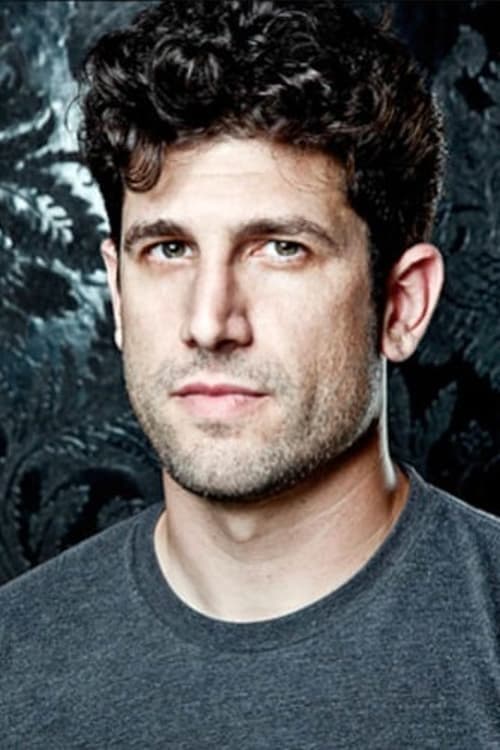
Adam Egypt Mortimer
8 connections found
Filmography
View:
Connections, in both directions



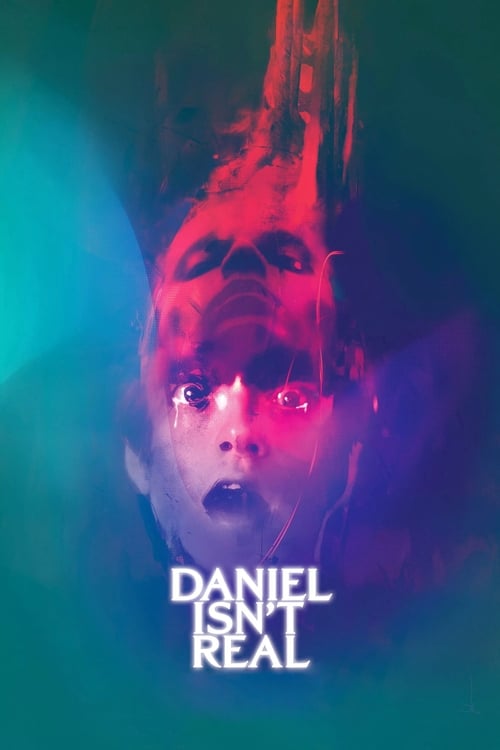
Adapted from the novel In This Way I Was Saved by Brian DeLeeuw (who also co-wrote the script), Daniel Isn’t Real soon brings to mind David Fincher’s cult classic Fight Club .
Daniel Isn’t Real is a psychological trip that you feel genre cinema has taken before – Mandy, Fight Club, Drop Dead Fred and Jacob’s Ladder are all easy reference points – but there are enough stylistic flurries and touches here to make it a memorable film and one that only benefits from repeated viewings.
While the film flirts with ideas of mental illness, religious possession and ancient supernatural forces – and, in doing so, wears myriad influences from The Exorcist and Jacob's Ladder to Donnie Darko and Fight Club prominently on its sleeve – none are explored in any depth beyond their ability to produce a scare.
Based on a novel by Brian DeLeeuw -- who co-wrote the screenplay with director Adam Egypt Mortimer -- Daniel Isn't Real lightly travels familiar territory, with shades of Fight Club , Donnie Darko , and American Psycho.
In the two decades since Fight Club, horror fans have been inundated with their fair share of me-too genre offerings centered on protagonists battling against the voices inside their heads, usually externalised as charismatic and/or terrifying entities.
It’s basically Fight Club for the Instagram generation, with Miles Robbins (son of Tim) appropriately haunted as Luke and Patrick Schwarzenegger (son of Arnold) chillingly smarmy as his cravat-wearing invisible buddy.

Daniel Isn’t Real is a psychological trip that you feel genre cinema has taken before – Mandy, Fight Club, Drop Dead Fred and Jacob’s Ladder are all easy reference points – but there are enough stylistic flurries and touches here to make it a memorable film and one that only benefits from repeated viewings.
While the film flirts with ideas of mental illness, religious possession and ancient supernatural forces – and, in doing so, wears myriad influences from The Exorcist and Jacob's Ladder to Donnie Darko and Fight Club prominently on its sleeve – none are explored in any depth beyond their ability to produce a scare.
Lifting heavily from Jacob’s Ladder (right down to casting Tim Robbins’ son in the lead), it’s true psychological horror, and a pitch black reminder of how nothing’s as dangerous to us as our own minds.
Mortimer cites, in a statement included in his movie’s press notes, a number of obvious sources of inspiration, including “Jacob’s Ladder,” “Requiem for a Dream,” and “Fight Club.”
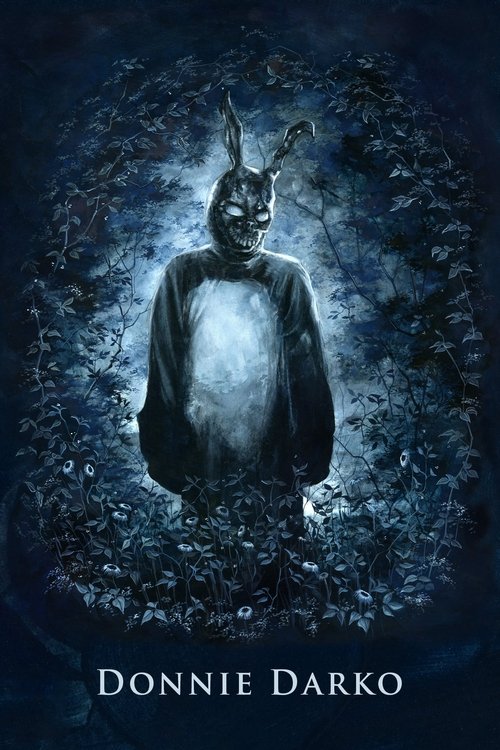
While the film flirts with ideas of mental illness, religious possession and ancient supernatural forces – and, in doing so, wears myriad influences from The Exorcist and Jacob's Ladder to Donnie Darko and Fight Club prominently on its sleeve – none are explored in any depth beyond their ability to produce a scare.
Based on a novel by Brian DeLeeuw -- who co-wrote the screenplay with director Adam Egypt Mortimer -- Daniel Isn't Real lightly travels familiar territory, with shades of Fight Club , Donnie Darko , and American Psycho.
The film is based on a 2009 novel by Brian DeLeeuw, who co-wrote the screenplay with director Adam Egypt Mortimer, but one could make a list of all the films that have clearly influenced it, ranging from obvious titles like "Donnie Darko" and "Fight Club" to the justifiably obscure "Drop Dead Fred."
Some part of this movie wants to be a strangely mysterious coming-of-age tale, akin to Richard Kelly’s Donnie Darko .
In the middle-ish of the scale, you’ve got your Black Swans and your Donnie Darkos, where the line between a character’s mental health and supernatural shenanigans is fuzzier.
The last time a film was this able to collapse the passage of time and make a viewer feel deeply as if still in the manic-but-giddy uncertainties of youth was Donnie Darko.
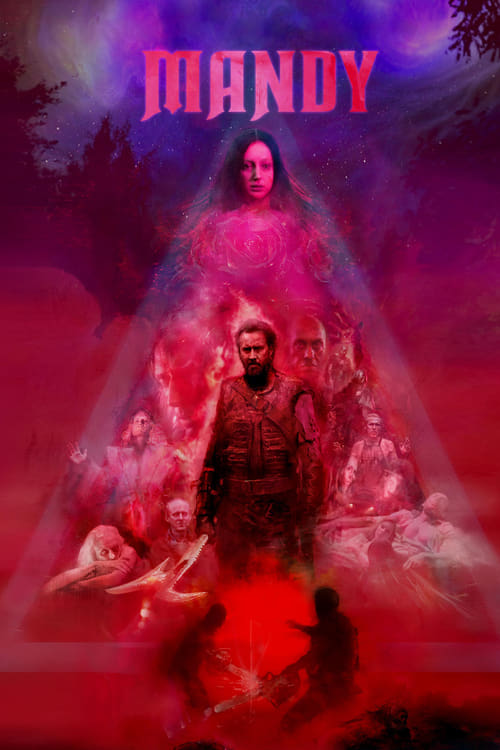
The film is produced by SpectreVision, the team behind last year’s smash hit Mandy , so it stands to reason that it has a certain aesthetic that follows their particular brand.
Daniel Isn’t Real is a psychological trip that you feel genre cinema has taken before – Mandy, Fight Club, Drop Dead Fred and Jacob’s Ladder are all easy reference points – but there are enough stylistic flurries and touches here to make it a memorable film and one that only benefits from repeated viewings.
From the producers of Mandy comes an all-new film to blow audiences’ minds.
The aesthetic immediately recalls 2018’s Mandy , but it works in its own strange and intoxicating way.
The result is a film that, like last year’s Mandy (another SpectreVision joint), produces eye-wateringly beautiful imagery you won’t soon forget in spite of limited resources, wrapped around a genuinely human story and characters no less.
While it may draw comparisons to Mandy in its marketing (they share producers, Elijah Wood among them), it is a different beast that is bizarre in its own unique way, despite also having a taste for similar pulpy 80’s fantasy horror titles, chiefly the likes of Hellraiser and Phantasm.
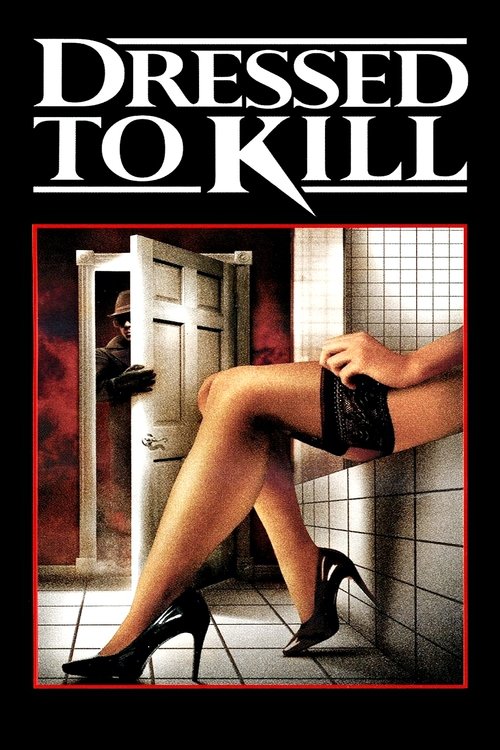
Mirror In The Bathroom: Like Brian De Palma’s Dressed To Kill and Raising Caine , Mortimer’s use of schizophrenia, inner demons, Freudian psychology, and attempted matricide aren’t exactly wielded for commentary, but simply used as plot devices.
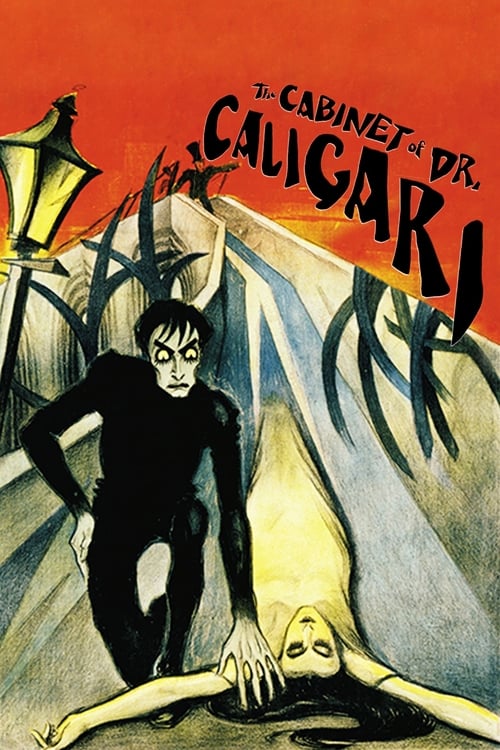
The Cabinet of Dr. Caligari (1920)
Directed by Robert Wiene
influenced Daniel Isn't Real (2019)
Plot
Even as far back as 1920’s The Cabinet of Dr. Caligari, where a twist is presented of mental delusions, instead of actual horrors.
Jagged dramaturgy and hyperactive montages in the manner of Darren Aronofsky (Pi, Requiem for a Dream) unfortunately undercut most of his actors.

Patrick Schwarzenegger ( Scouts Guide to the Zombie Apocalypse , Grown Ups 2 ) stars opposite Robbins as Daniel.