

Damien Chazelle
316 connections found

View:
Connections, in both directions
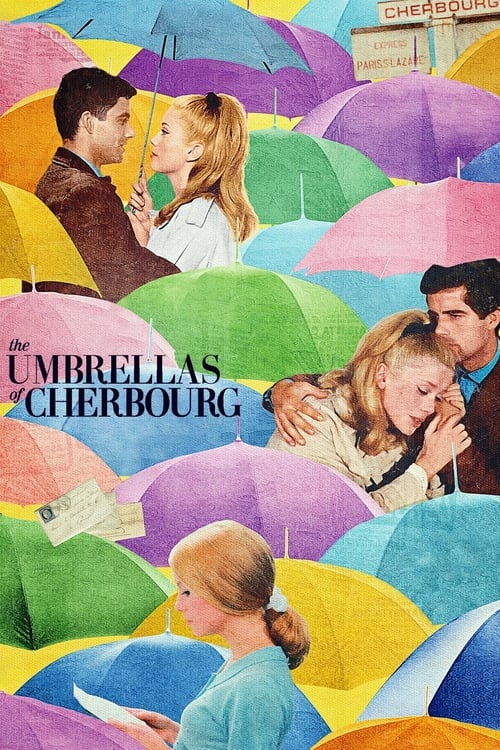
The Umbrellas of Cherbourg (1964)
Directed by Jacques Demy
influenced La La Land (2016)
Themes Visuals


As their fortunes start to seesaw, the film acquires some of the stormy turbulence of “A Star Is Born,” as well as glimmers of the doubt and disconnection of “The Umbrellas of Cherbourg.”
It pays homage to musicals like “Singin’ in the Rain” and Jacques Demy's “ The Umbrellas of Cherbourg ” without every directly mimicking them.
In films like 1964's The Umbrellas of Cherbourg and 1967's The Young Girls of Rochefort, he fused the fancifulness of old Hollywood song-and-dance productions with the soul-searing emotions brought on by broken hearts and dreams too big to bear fruit.
So, too, the lush, lushly colored The Umbrellas of Cherbourg and The Young Girls of Rochefort, by French movie musical man Jacques Demy.
With unmistakable shades of Jacques Demy's "The Umbrellas of Cherbourg" and "The Young Girls of Rochefort" written into its DNA, "La La Land" imagines a reality where singing and dancing is as natural as breathing.
Not everyone loves musicals, though, and La La Land won't seduce anyone who thinks The Sound of Music is grotesquely corny, or that The Umbrellas of Cherbourg is some dusty old foreign film where nothing much happens.
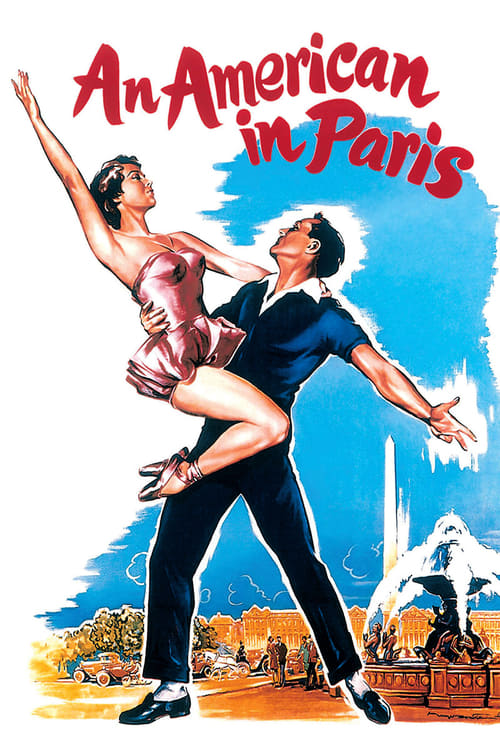
But does all the referencing and homage—and not just to Demy, but also to Golden Age Tinseltown productions like An American in Paris, jazz greats like Miles Davis, and even (in the film's funniest scene) the English new-wave band A Flock of Seagulls—add up to much of anything original?
Singin' in the Rain is saluted, An American in Paris is saluted.
Indeed, even if it had only lived up to the memory of all its many references it would be something special — Chazelle nods to the likes of “Top Hat,” “Singin’ in the Rain,” “The Umbrellas of Cherbourg” and “An American in Paris,” and more, after all.
Of the many inspirations for La La Land—Chazelle clearly knows his An American in Paris and his Annie Hall, too—none echo so loudly as Jacques Demy’s 1964 masterpiece , Les Parapluies de Cherbourg (The Umbrellas of Cherbourg), as well as its lesser sibling, Les Demoiselles de Rochefort.
The camerawork is cleverly evocative of “An American in Paris” and “Umbrellas of Cherbourg.”
And throughout “La La Land,“ there are references to many musicals, from the faux Paris dance finale of “An American in Paris” and the career trajectory melodrama of the 1954 version of “A Star is Born,” as well as the dream ballet from “Oklahoma” and the jazz club scenes from “Funny Face.”

More so than other films about the US space program, including " The Right Stuff " and " Apollo 13 ," it makes the experience seem more wild and scary than grand, like being in the cab of a runaway truck as it smashes through a guardrail and tumbles down the side of a mountain.
Although inferior in its depiction of the early days of the space program to such riveting productions as The Right Stuff, Apollo 13 , and From the Earth to the Moon (the 10-part 1998 mini-series that one might consider to be definitive), First Man offers an intimate portrayal of Armstrong, offering a peek behind the taciturn mask he wore as an icon and hero.
Adapted from James R Hansen’s book by Spotlight screenwriter Josh Singer, First Man’s 60s-set narrative essentially picks up from Philip Kaufman’s 1983 adaptation of Tom Wolfe’s The Right Stuff .
The shot seems to be a deliberate echo of the most iconic still from Philip Kaufman’s 1983 space epic The Right Stuff , in which test pilot Chuck Yeager (Sam Shepard), his glass helmet shattered and scorched, calmly walks from the flaming wreckage of a test plane.
The 1950s - 70s heyday of the United States’ manned space program has been a relatively successful (if strangely infrequent) source of compelling cinematic stories, inspiring both rousing dramas (The Right Stuff [1983], Apollo 13 [1995]) and engrossing documentaries (For All Mankind [1989], In the Shadow of the Moon [2007]).
The moon landing itself, and the other space sequences, don't really look like space movies of the past—you can see Chazelle going to great lengths not to actively lift shots from 2001: A Space Odyssey, Gravity or The Right Stuff.
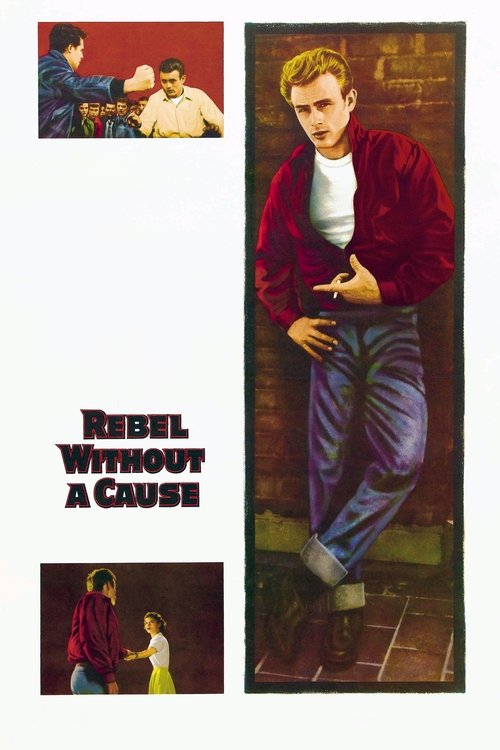
At the Griffith Observatory, where Sebastian and Mia go after having just seen it in “Rebel Without a Cause,” they enter the planetarium and are swept up into the stars, and it’s a transcendently goofy, gorgeously blissed-out moment.
The pair goes to see “ Rebel Without a Cause ” (ending in one of the most magical scenes in years) and films like “ Casablanca ” and “Bringing Up Baby” are name-dropped.
The couple will later rendezvous at a screening of Rebel Without a Cause, but their date is cut short when the celluloid combusts (sell-by date passed indeed).
And Chazelle is fearless about shaping moments that some might find corny: In one of the most astonishing dance sequences, Mia and Sebastian, inspired by a viewing of Rebel Without a Cause, sneak into the Griffith Observatory after hours and literally drift off the ground and into a field of stars.
It also uses self-aware humor, a vivid candy-colored palette, and a series of iconic LA settings, from the Angels Flight funicular to Griffith Observatory, where Rebel Without A Cause set its most famous sequence.
It’s a charming setup that veers from a house party to the Warner Bros. lot and eventually to an old movie house playing “Rebel Without a Cause,” wherein the projector hits a snag just as they lock lips.
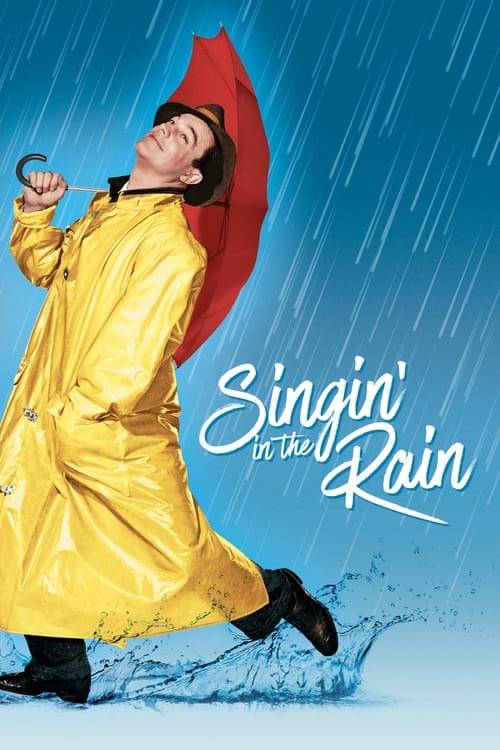
Singin' in the Rain (1952)
Directed by Stanley Donen
influenced La La Land (2016), Babylon (2022)
Visuals Themes
It pays homage to musicals like “Singin’ in the Rain” and Jacques Demy's “ The Umbrellas of Cherbourg ” without every directly mimicking them.
At the climax of Mia and Sebastian’s first dance together — perhaps the film’s finest sequence — the camera cranes up, just like it did when Gene Kelly spun around in Singin’ in the Rain.
Singin' in the Rain is saluted, An American in Paris is saluted.
It's openly aimed at cinephiles who recognize the many overt Singin' in the Rain references, and feel a little internal flutter when its characters stroll across a studio backlot, surrounded by the accoutrements of moviemaking before bursting into song and dance.
Does it reinvent or improve upon “Singin’ in the Rain”, “A Star is Born”, “The Umbrellas of Cherbourg” and the legions of classic films and musicals it references, borrows from?
The natural comparisons will pour in for “Singin’ in the Rain,” “West Side Story” and just about any other big time movie musical you can think of.

Boogie Nights (1997)
Directed by Paul Thomas Anderson
influenced Babylon (2022), La La Land (2016)
Plot Visuals
Here he goes big time with a Technicolor daydream, and the leap from his first to second feature is reminiscent of the jump Quentin Tarantino made from “Reservoir Dogs” to “Pulp Fiction,” or the one that Paul Thomas Anderson made from “Hard Eight” to “Boogie Nights.”
The camera enters the movie’s opening party on a sinuous, elaborately choreographed long take (the first of several such shots) that’s a conscious homage to Paul Thomas Anderson’s Boogie Nights —another movie about a dying industry that’s structured around a series of increasingly sordid parties.
Toward the end, an on-set drug dealer who calls himself “The Count” (Rory Scovel) gets Manny in a fix with a strung-out gangster (Tobey Maguire in a most unsettling cameo) — a rip-off of the Alfred Molina/Wonderland sequence in “Boogie Nights,” until it takes a deranged turn that suggests the “Gimp” scene from “Pulp Fiction.”
Unabashedly borrowing from the likes of Martin Scorsese (pilfering the exaggerated dark comedic streak of The Wolf of Wall Street , Margot Robbie not being the only member of that cast present) and Paul Thomas Anderson (carbon-copying full ideas from Boogie Nights , another look at a corner of the film industry fighting for legitimization) with unfettered abandon, Chazelle may still be searching for an original voice, but his primary goal is to entertain.
A sequence depicting how hard it was to shoot with sound was done better and in significantly less screen time in Singing in the Rain , and the final violent act feels like a copycat version of Paul Thomas Anderson’s “Long Way Down (One Last Thing)” sequence from Boogie Nights .
And we haven’t even gotten to Babylon’s sex-dungeon territory, in which Chazelle appears to lovingly rip-off Boogie Nights’ infamous late-film robbery scene, except that this time Alfred Molina is swapped for a bug-eyed Tobey Maguire, firecrackers are replaced by hacking spittle, and, also, there’s a dude who eats rats.
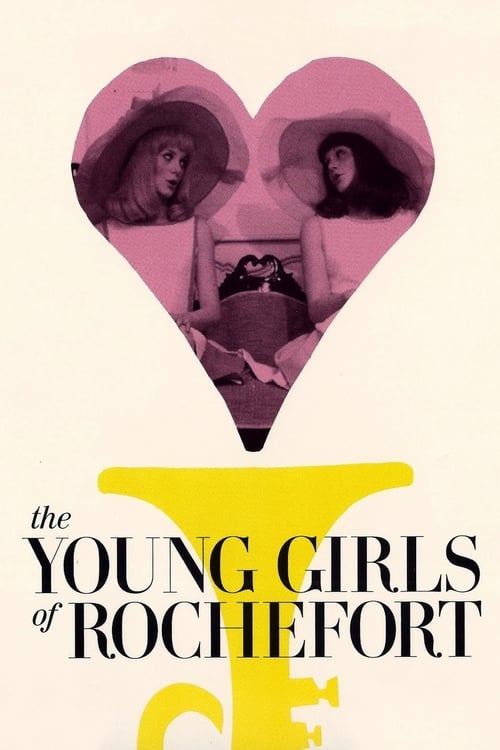
In films like 1964's The Umbrellas of Cherbourg and 1967's The Young Girls of Rochefort, he fused the fancifulness of old Hollywood song-and-dance productions with the soul-searing emotions brought on by broken hearts and dreams too big to bear fruit.
So, too, the lush, lushly colored The Umbrellas of Cherbourg and The Young Girls of Rochefort, by French movie musical man Jacques Demy.
With unmistakable shades of Jacques Demy's "The Umbrellas of Cherbourg" and "The Young Girls of Rochefort" written into its DNA, "La La Land" imagines a reality where singing and dancing is as natural as breathing.
But Chazelle also is chasing the sweetly melancholic rapture of the French New Wave master Jacques Demy, whose Michel Legrand-scored ’60s classics, “The Umbrellas of Cherbourg” and “The Young Girls of Rochefort,” set the rhythm for this movie’s dreamy mélange of the lyrical and the everyday.
Taking its cues from classic Hollywood tropes and candy-colored French musicals such as “The Young Girls of Rochefort,” “La La Land,” a simple boy-meets-girl story set in today’s Los Angeles, is a sumptuous treat, all richly hued midcentury dresses, dazzling lighting and whimsical set pieces.
Chazelle's heart, and color sense, really belongs to the Jacques Demy musicals "The Umbrellas of Cherbourg" and "The Young Girls of Rochefort," with their working-class daydreams of true love and narratives of missed opportunity.

More so than other films about the US space program, including " The Right Stuff " and " Apollo 13 ," it makes the experience seem more wild and scary than grand, like being in the cab of a runaway truck as it smashes through a guardrail and tumbles down the side of a mountain.
The film distinguishes itself from other space epics, such as Ron Howard’s space-program love letter Apollo 13, with Chazelle’s dogged insistence on filming much of the action from Armstrong’s perspective.
The movie succeeds thanks to director Damien Chazelle’s superb visuals, which land somewhere between the quiet indie look of his previous flick, “La La Land,” and the epic sweep of “Apollo 13.” Space has never looked so sexy, or felt so claustrophobic.
The 1950s - 70s heyday of the United States’ manned space program has been a relatively successful (if strangely infrequent) source of compelling cinematic stories, inspiring both rousing dramas (The Right Stuff [1983], Apollo 13 [1995]) and engrossing documentaries (For All Mankind [1989], In the Shadow of the Moon [2007]).
Una vez arriba, suspendido a la merced de las fuerzas naturales (con “Isaac Newton en el asiento del piloto”, como diría el Jim Lovell de Tom Hanks en Apollo 13), Chazelle nos presenta mejor a su protagonista, un hombre que en cualquier otra cinta pronunciaría en este momento alguna línea “de guion”, como sucede en aquella de Ron Howard.
We knew that Tom Hanks, as astronaut Jim Lovell, would survive a catastrophic mishap and make it home alive in Apollo 13—just as we knew that Hanks would safely ditch his plane in the Hudson River as an airline pilot in Sully.
2001: A Space Odyssey (1968)
Directed by Stanley Kubrick
influenced First Man (2018), Babylon (2022)
Visuals Themes
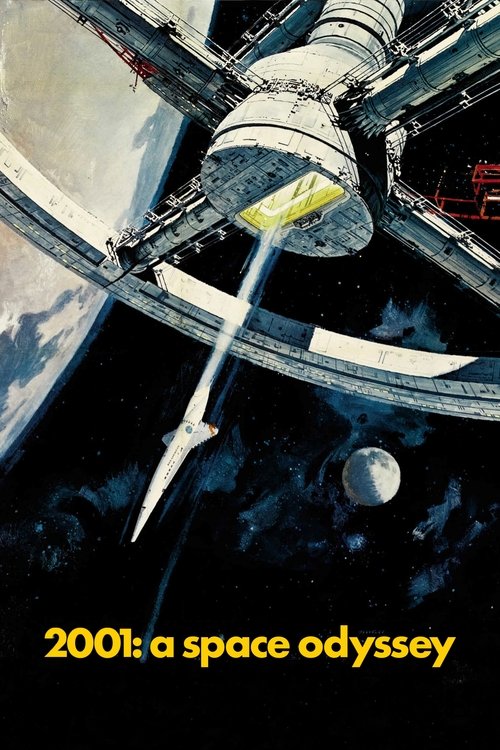
Despite obvious nods to Kaufman and Stanley Kubrick (2001: A Space Odyssey), what he arrives at is plodding and dramatically opaque.
The moon landing itself, and the other space sequences, don't really look like space movies of the past—you can see Chazelle going to great lengths not to actively lift shots from 2001: A Space Odyssey , Gravity or The Right Stuff .
The film is far more Tree of Life than Apollo 13, and there are even shades of Kubrick’s 2001: A Space Odyssey—dwelling on the existential and philosophical nature of space flight, eyes gazing upward at the galaxies behind the glass domes of space helmets.
He complements the too-big-to-comprehend shots of space with a classy gusto akin to 2001: A Space Odyssey, with sumptuous, smooth symphonies further illustrating the wonder in those moments.
What we have never gotten, that I can think of, is a movie about a real or fictional space mission that's as committed as First Man is to creating an extraordinary subjectivity, a you-are-there-ness that captures all the tension and terror of those three flights through a combination of screaming fast editing by Tom Cross, unnervingly close shots of faces, often just Armstrong's determined, wide eyes (superficially and certainly not by accident recalling 2001: A Space Odyssey ), and Justin Horwitz's terrific score, which hammers out in minimalist rage, just about guaranteeing your heart rate is going to spike from listening to it, whatever else happens.
There are certain sequences where you’re reminded of the VAST expanse and beauty of space (agoraphobes beware) that, at times, feel very 2001: A Space Odyssey -inspired.
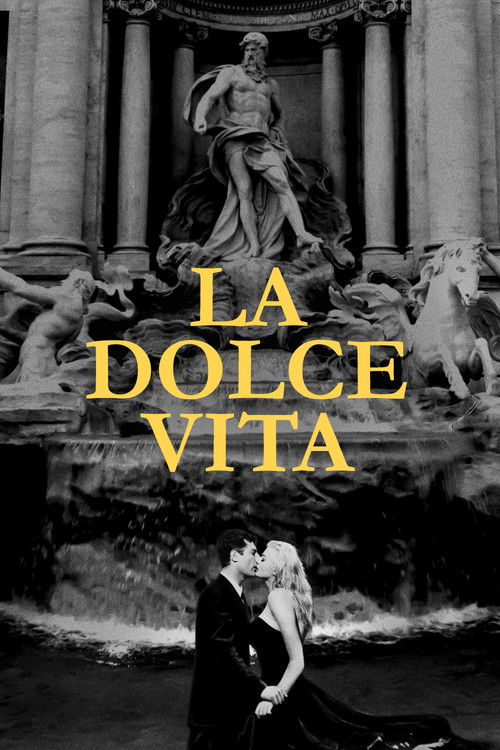
There are whiffs of “La Dolce Vita,” which Chazelle’s film evokes through its manufactured glamour and melancholy sex appeal, and also “The Wolf of Wall Street,” which “Babylon” channels throughout its go-for-broke first hour (while also borrowing half of its cast).
"Babylon" nods to celluloid classics – from “Singin’ in the Rain” to “A Star Is Born” to “La Dolce Vita.”
Chazelle takes heavy inspiration from Singin’ in the Rain , La Dolce Vita , Boogie Nights , and The Wolf of Wall Street , going as far as entirely recreating scenes with a contemporary, dirty twist.
Chazelle has said that he studied a number of movies in this paean to cinema—the production notes list examples as disparate as D. W. Griffith’s Intolerance (1916), Federico Fellini’s La Dolce Vita (1960), and Paul Thomas Anderson’s There Will Be Blood (2007).
Full Metal Jacket (1987)
Directed by Stanley Kubrick
influenced Whiplash (2014)
Characters Themes Dialogue
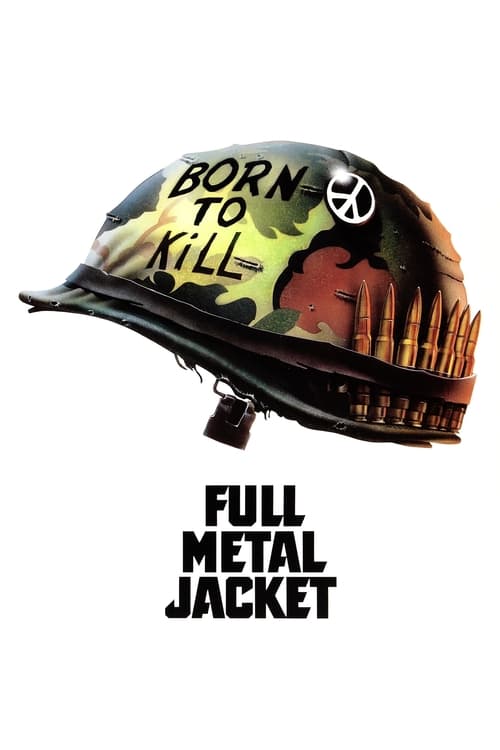
He susses out an out-of-tune band member by ridiculing his weight and calling him Elmer Fudd, a moment absolutely inspired by R. Lee Ermey’s iconic drill sergeant in “Full Metal Jacket.”
That's true about Damien Chazelle's Whiplash, mostly a good-looking reprise of the opening 20 minutes of Full Metal Jacket.
Pitched somewhere between The School of Rock and Full Metal Jacket (Full Metal Racket, perchance), this blisteringly told tale of an aspiring jazz drummer and his bullying mentor is a hugely entertaining, refreshingly subversive take on the well-worn "inspirational teacher" theme.
He attracts the attention of the terrifying conductor (an outstanding J.K. Simmons) of the school’s all-star jazz orchestra, who begins putting him through his blistering paces with a combination of verbal and physical abuse, hilarious sarcastic putdowns and many brutal homophobic “Full Metal Jacket”-style slurs that clearly stunned the politically ubercorrect audience at the Eccles theater.
Simmons is brilliant when he’s in full flow, blending the drill sergeant from Full Metal Jacket with a more sinister line of emotional abuse, while Teller –with his natural charisma in buckets – provides a quiet, but insightful counterpoint.
Fletcher is a crackpot, the music equivalent of R. Lee Ermey’s drill sergeant from Full Metal Jacket .
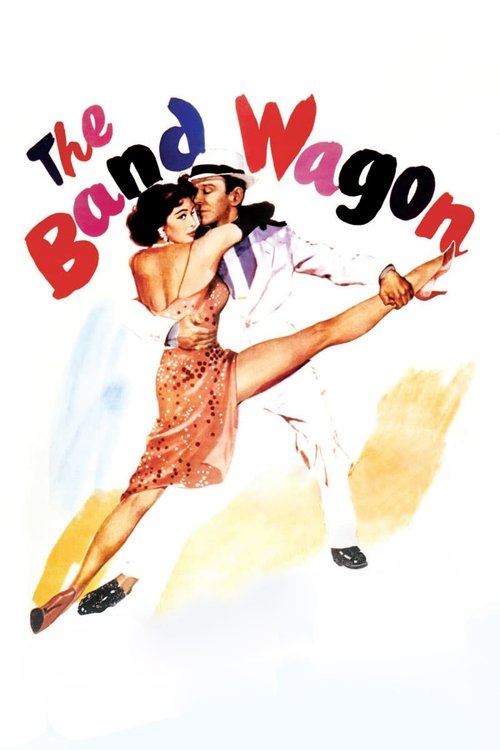
It isn’t the opening dance number on a jammed Los Angeles freeway interchange, or the surreal extended homage to “The Band Wagon” and “Singin’ in the Rain.”
But then "La La Land" isn't trying to be "The Band Wagon."
At the climax, Chazelle pulls it all together with a what-if musical fantasy evoking visual and conceptual aspects of the "American in Paris" ballet, the "Girl Hunt" sequence from another, even greater Minnelli film, "The Band Wagon," the "Broadway Ballet" from "Singin' in the Rain" and more.
One sequence, which is shot in an extended, one-shot take overlooking the city of Los Angeles, has a similar budding romantic vibe as Fred Astaire and Cyd Charisse‘s Central Park dance in The Band Wagon .
He makes allusions to Singin' in the Rain (1952), The Band Wagon (1953), Funny Face (1957), The Umbrellas of Cherbourg (1964), The Young Girls of Rochefort (1967), and more.
The climax is like one of those long ballet sequences in Minnelli's An American in Paris or The Band Wagon, beautiful, and imagining what life might have been like if the lovers had done everything correctly, but then it ends on a more Demy-like note, bittersweet.
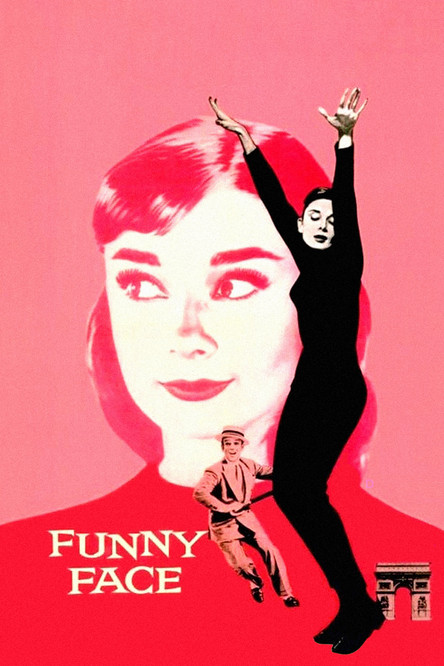
Anyone who has ever splashed through puddles in tribute to Gene Kelly or sighed with blissful contentment at Funny Face will adore La La Land.
And throughout “La La Land,“ there are references to many musicals, from the faux Paris dance finale of “An American in Paris” and the career trajectory melodrama of the 1954 version of “A Star is Born,” as well as the dream ballet from “Oklahoma” and the jazz club scenes from “Funny Face.”
Envuelta en un lustroso atuendo que evoca, desde luego, las películas musicales de Jacques Demy (Los paraguas de Cherburgo, 1964), Vincent Minelli (An American in Paris, 1951) o Stanley Donen (Funny Face, 1965), la película de Chazelle oscila entre la alegre vivacidad y la profunda melancolía, apoyada por el score y canciones de Justin Herwitz, pero su esencia esta más vinculada al espíritu de los musicales de Rene Clair (Le Million, 1931) o el pretendido naturalismo espontáneo del Woody Allen de Todos dicen que te amo (1996), películas en las que una noción de “sinceridad” predomina sobre el rigor técnico de la pirotecnia.
Or maybe you’ll hold out until Chazelle can’t think of anything better to do than stick balloons in Stone’s hands like Audrey Hepburn in Funny Face.
, Funny Face , A Star is Born , The Umbrellas of Cherbourg (particularly) — there are nods to them all.
He makes allusions to Singin' in the Rain (1952), The Band Wagon (1953), Funny Face (1957), The Umbrellas of Cherbourg (1964), The Young Girls of Rochefort (1967), and more.
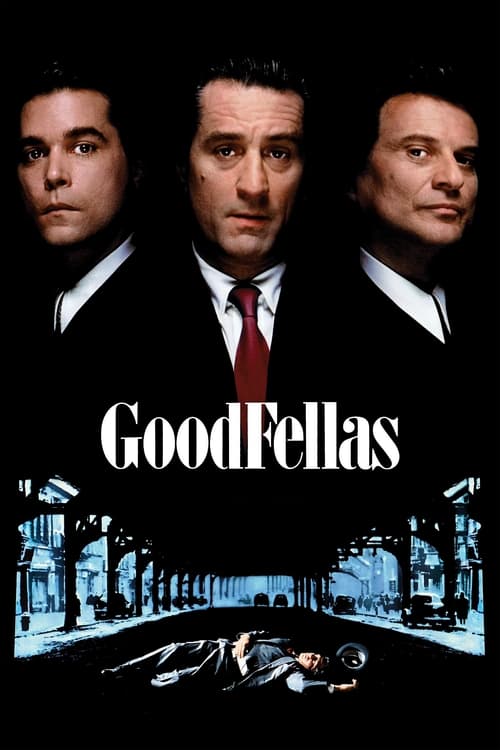
Eventually, Nellie’s gambling and drug addiction lead to an all-time-low sequence, recalling the paranoid, cocaine-addled scenes in Scorsese’s Goodfellas (1990), where Ray Liotta tries to manage cooking pasta sauce, dodging helicopters, and moving drugs in the same afternoon.
Most significantly, Chazelle’s screenplay echoes the up-and-down-and-down-and-down arc of Anderson’s (and of “Goodfellas” before it), giving us the second-hand buzz of the high-highs, and making us pay with the low-lows.
By the time the third hour rolls around, it’s fair to say that “Babylon” does succumb to some of the problems that have plagued other epic “rise-and-fall” films (“Goodfellas,” “Boogie Nights,” etc.), where the plot becomes more manic and messy as a representation of the raucousness that has consumed our characters’ lives – especially with one extended subplot involving a drug lord played by Tobey Maguire that feels very reminiscent of the famous Alfred Molina scene from “Boogie Nights” and goes on for far too long – and while it’s not hard to see the point Chazelle is making, it also leads us to a rather dour denouement that some might say they saw coming all along.
The naive outsider who becomes the consummate insider is a convention of numerous movies, though “Babylon’s” wannabe-epic sprawl and coke-fueled energy bring Martin Scorsese’s “Goodfellas” and “The Wolf of Wall Street” especially to mind.
Part burlesque, part grotesque, “Babylon” takes its pacey cues and shock effects from earlier, much better films: Chazelle doesn’t tell a story so much as string together sequences that alternately quote “Goodfellas” and “Boogie Nights,” without being nearly as horrifyingly elegant or cringe-inducingly pleasurable as either.
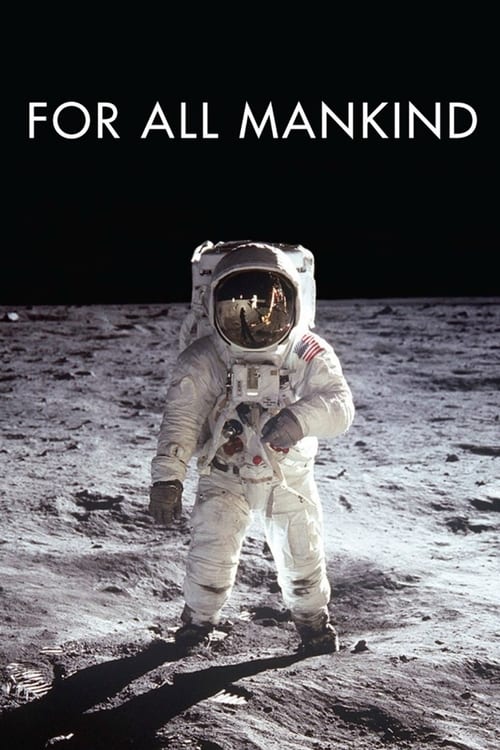
The 1950s - 70s heyday of the United States’ manned space program has been a relatively successful (if strangely infrequent) source of compelling cinematic stories, inspiring both rousing dramas (The Right Stuff [1983], Apollo 13 [1995]) and engrossing documentaries (For All Mankind [1989], In the Shadow of the Moon [2007]).
For another, there is the knowledge that the so-called space race that America took part in during the Fifties and Sixties has already spawned a number of exemplary films running the gamut from narrative features like Phillip Kaufman’s genuine epic “The Right Stuff” (1983) and Ron Howard’s exemplary “Apollo 13” (1995) to documentaries like Al Reinart’s “For All Mankind” (1989) and that any new film on the subject would inevitably be compared to them.
2 1/2 Stars (out of 4) Tweet Asking for the Moon By Jeffrey M. Anderson Best Director Oscar-winner Damien Chazelle returns with First Man, an attempt to tell the story of Neil Armstrong's miraculous moon landing in a more close-up style than did Philip Kaufman's masterful The Right Stuff or Al Reinert's essential documentary For All Mankind.
The flight action scenes are as true to life as any film since the wondrous 1989 documentary For All Mankind, which used original NASA footage to tell the story of the Apollo program — including Armstrong’s “One small step for a man, one giant leap for mankind” proclamation on July 21, 1969, which he evidently thought out beforehand.
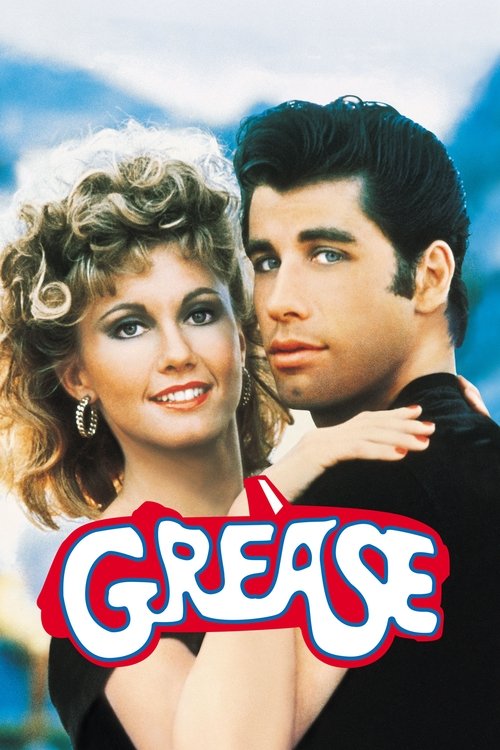
Going back from there to the leg-shaking mastery of Fred Astaire in the 1930s and 1940s, there’s not a lot in between – “Grease” (1978), “Hair” (1979) and “The Umbrellas of Cherbourg” (1964) – to give a kick about.
While we're not negating the power of West Side Story , the joy of Grease , the banging tunes of Chicago - the film pays homage to all of these - in terms of a modern singalong with wisdom, heart, laughs and something to say, La La Land takes them all on, resulting in a feelgood romantic comedy packed with intelligence, and which could elicit tears from a robot.
The sentiment has the audacity to compare writer/director Chazelle's millenial charmer LA LA LAND to actually amazing musicals, presumably in the realm of West Side Story, The King and I, Grease, and even Chicago.
Instead think of Grease and Rocky Horror and Moulin Rouge .
El director ha convertido una premisa bastante simple en una tremenda experiencia para todos los sentidos, que constantemente te hace recordar y viajar a los tiempos de musicales clásicos como Singin’ In the Rain, Grease, Les demoiselles of Rochefort, West Side Story y hasta Moulin Rouge!
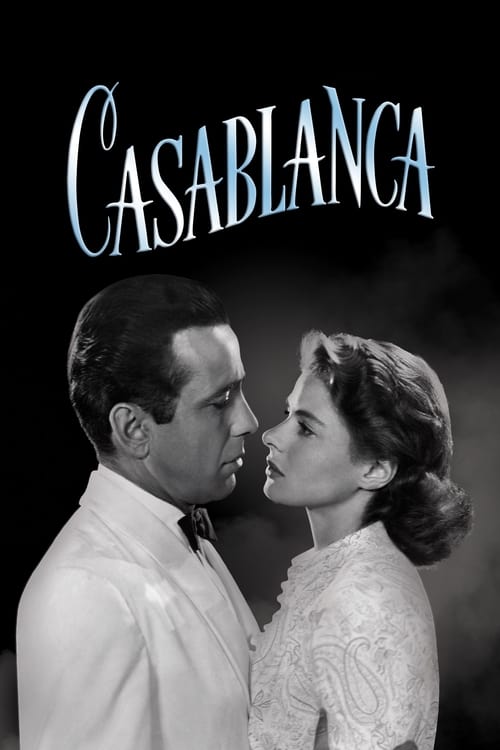
“That’s the window,” struggling actress Mia delightedly tells struggling jazz pianist Sebastian in Damien Chazelle’s La La Land, “that Humphrey Bogart and Ingrid Bergman looked out in Casablanca.”
(There’s a “Casablanca” reference later in the film, too).
She barely makes rent by working at a coffee shop on the Warner Bros. lot, near the make-believe apartment window from which Humphrey Bogart and Ingrid Bergman wistfully looked out in Casablanca.
The pair goes to see “ Rebel Without a Cause ” (ending in one of the most magical scenes in years) and films like “ Casablanca ” and “Bringing Up Baby” are name-dropped.
Mia, portrayed by the luminous Emma Stone , is a struggling actress and aspiring playwright, who works in a coffee shop on the Warner Bros. lot that is, as she loves to point out, across the street from portions of the set from Casablanca.

The third act becomes especially unengaging once the convoluted truth is revealed, transforming the picture from a diluted Whiplash into a feeble Get Out knockoff.
Think Whiplash, Black Swan, or The Perfection, but with much heavier symbolism.
Him settles for being a copy of Whiplash in the style of Get Out, but doesn’t have an iota of the intelligence or horrifying elements to invest in.
The intense mentor whose tactics are questionable and borderline abusive at best calls to mind Damien Chazelle’s Whiplash…
Part Baptist preacher, part Terence Fletcher from Whiplash, part Colonel Kurtz from Apocalypse Now…
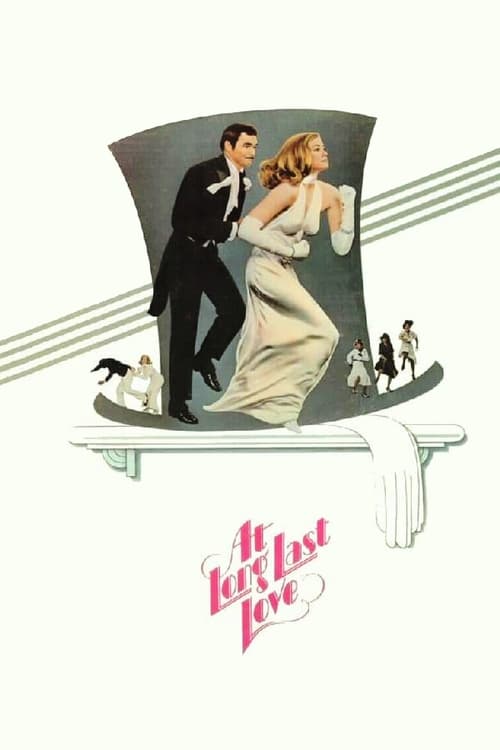
Peter Bogdanovich followed up several ’70s successes — most notably Last Picture Show — with the notorious 1975 flop At Long Last Love, a blatant attempt to ape 1930s musicals.
On the other hand, in its best moments, in those quiet scenes when Stone flashes her eyes at no one in particular, or when the essential loneliness of Hollywood asserts itself — the H'wood of Nathanael West, Raymond Chandler, Raymond Carver, or Elmore Leonard — Chazelle's dream of finding love in Los Angeles can be seen briefly, in between the echoes of At Long Last Love, as the gentlest of tone poems.

As their fortunes start to seesaw, the film acquires some of the stormy turbulence of “A Star Is Born,” as well as glimmers of the doubt and disconnection of “The Umbrellas of Cherbourg.”
Does it reinvent or improve upon “Singin’ in the Rain”, “A Star is Born”, “The Umbrellas of Cherbourg” and the legions of classic films and musicals it references, borrows from?
And throughout “La La Land,“ there are references to many musicals, from the faux Paris dance finale of “An American in Paris” and the career trajectory melodrama of the 1954 version of “A Star is Born,” as well as the dream ballet from “Oklahoma” and the jazz club scenes from “Funny Face.”
That’s what Chazelle has done with musicals like The Umbrellas of Cherbourg and A Star Is Born and Singin’ in the Rain.
The story, a star-crossed romance between a down-and-out actress (Emma Stone) and a brooding jazzbo (Ryan Gosling), may echo Martin Scorsese's New York, New York (1977) and, earlier still, George Cukor's A Star Is Born (1954).
The plot—her artistic career competes with his artistic career—is an old one, A Star Is Born for the iTunes generation.