
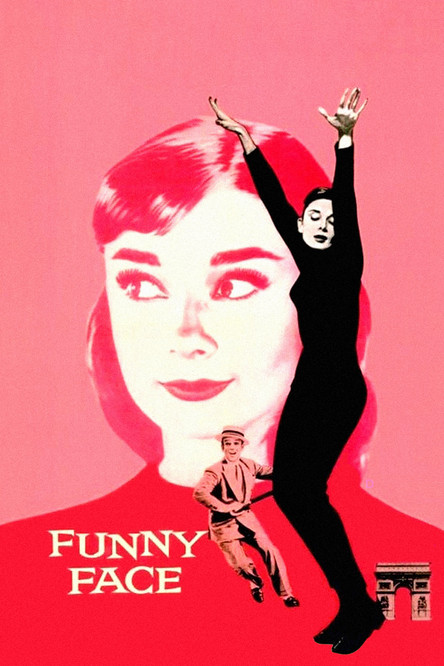
Funny Face (1957)
Directed by Stanley Donen
A shy Greenwich Village book clerk is discovered by a fashion photographer and whisked off to Paris where she becomes a reluctant model.
10 connections found
View:
10 connections, in both directions
What critics compared Funny Face to
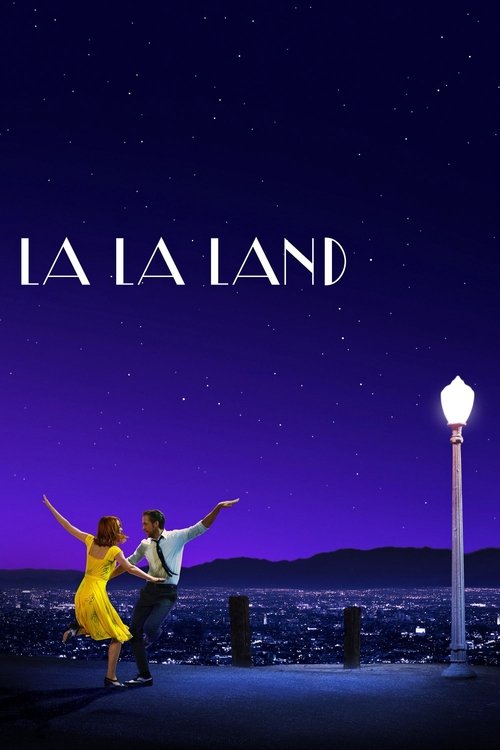


Anyone who has ever splashed through puddles in tribute to Gene Kelly or sighed with blissful contentment at Funny Face will adore La La Land.
And throughout “La La Land,“ there are references to many musicals, from the faux Paris dance finale of “An American in Paris” and the career trajectory melodrama of the 1954 version of “A Star is Born,” as well as the dream ballet from “Oklahoma” and the jazz club scenes from “Funny Face.”
Envuelta en un lustroso atuendo que evoca, desde luego, las películas musicales de Jacques Demy (Los paraguas de Cherburgo, 1964), Vincent Minelli (An American in Paris, 1951) o Stanley Donen (Funny Face, 1965), la película de Chazelle oscila entre la alegre vivacidad y la profunda melancolía, apoyada por el score y canciones de Justin Herwitz, pero su esencia esta más vinculada al espíritu de los musicales de Rene Clair (Le Million, 1931) o el pretendido naturalismo espontáneo del Woody Allen de Todos dicen que te amo (1996), películas en las que una noción de “sinceridad” predomina sobre el rigor técnico de la pirotecnia.
Or maybe you’ll hold out until Chazelle can’t think of anything better to do than stick balloons in Stone’s hands like Audrey Hepburn in Funny Face.
, Funny Face , A Star is Born , The Umbrellas of Cherbourg (particularly) — there are nods to them all.
He makes allusions to Singin' in the Rain (1952), The Band Wagon (1953), Funny Face (1957), The Umbrellas of Cherbourg (1964), The Young Girls of Rochefort (1967), and more.

Like Natalie Portman in "Garden State," Audrey Hepburn in "Funny Face" and Jean Seberg in "Breathless," it establishes Gerwig as a smart, funny woman you'd like to get to know better.
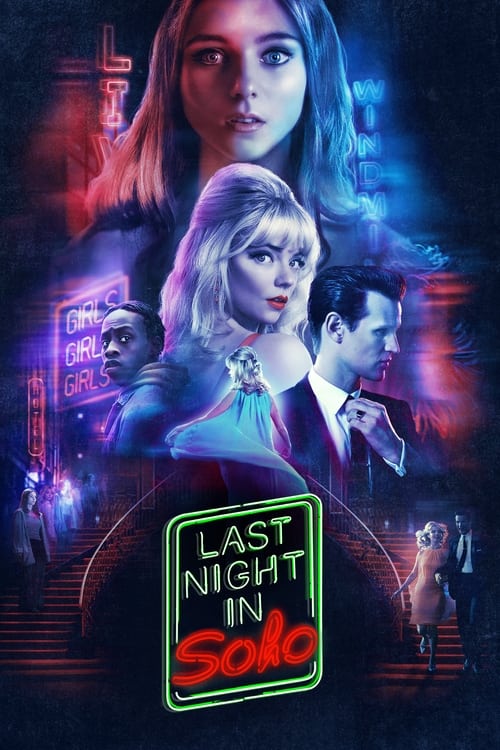
Sandy begins performing as a back-up dancer to another woman at the Rialto and slowly the perfect gauzy effect that Wright had layered onto the films 60’s sequences dissipates into a more dejected grungy look that makes one think despairingly of Christiane F. instead of something like 1957’s Funny Face .
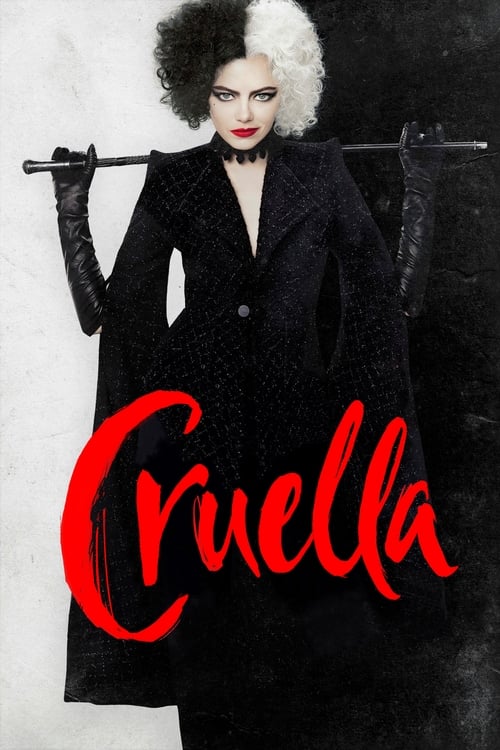
Admirers of queen bees will, no doubt, swarm toward the Baroness, who is partly modelled on the magazine editor in “Funny Face” (1957).
Advertisement
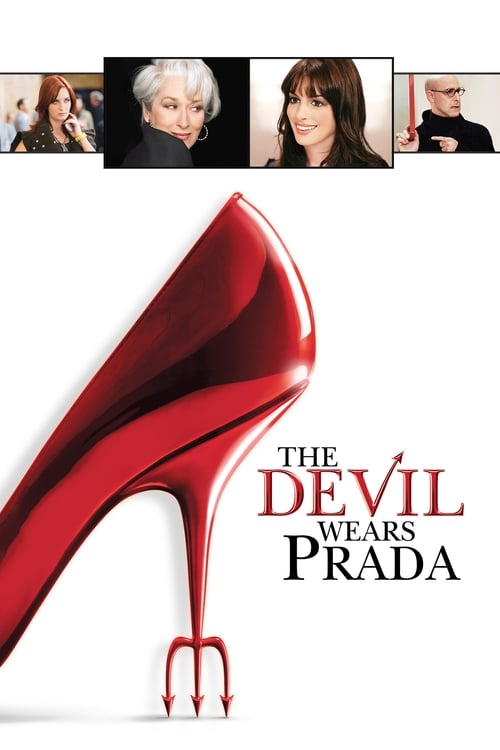
Fashion mavens, and those intrigued by some interesting plot similarities between “Funny Face” and “The Devil Wears Prada,” may enjoy “Fashion Photographers Exposed,” in which 21st century shutterbugs honor the work of Richard Avedon, as well as “The Fashion Designer and his Muse,” a leftover from the last disc and a look at the close creative relationship between Audrey Hepburn and her good friend and lifelong personal fashion designer, Hubert de Givenchy.
That the character works at all is mostly due to Anne Hathaway, who is not only naturally likable, but comes to have a radiance comparable to Audrey Hepburn in Stanley Donen's 1957 musical Funny Face in the latter portions of the film.
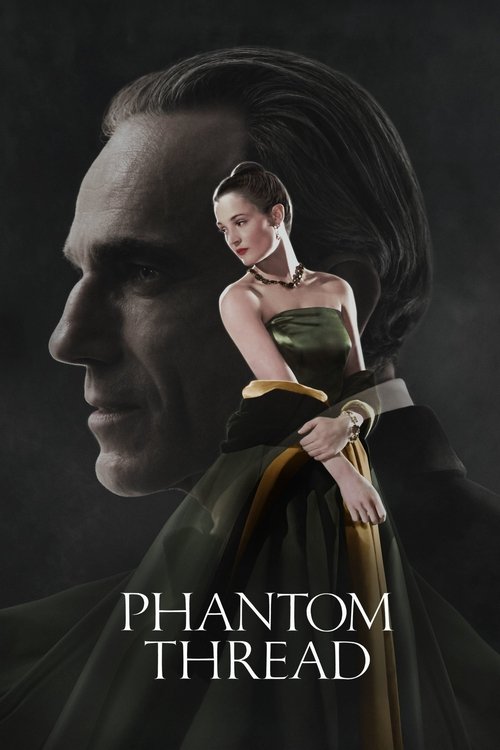
Set in the 1950s, it not only reworks fashion flicks from Lucy Gallant to Funny Face (the complementary confluence of two industries) but perverts their female-objectifying iconography.
But this is not “Funny Face” or “My Fair Lady” or “Pretty Woman” or any number of “ugly” duckling turns to swan with the help of a hairbrush/expensive clothes/great man stories.

You want to cheer her on, bringing back the old motto from “Funny Face.”
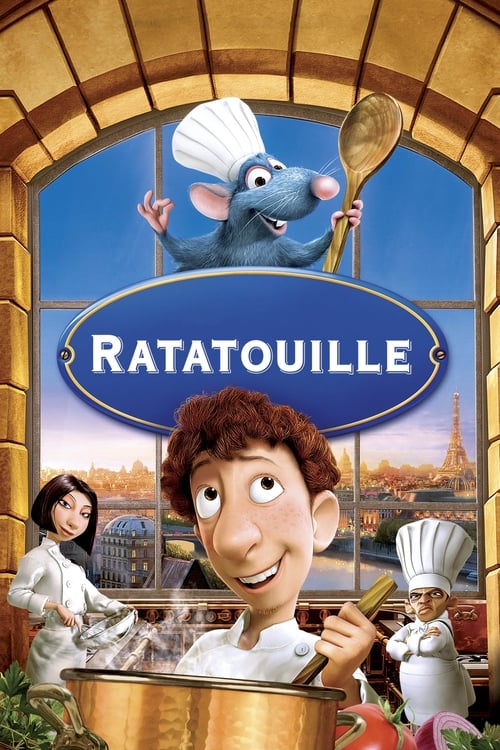
Plus it's crazy about Paris, the way films such as "Funny Face" were crazy about Paris, and rarely have you glimpsed more supple and detailed images of a great city and its eccentric inhabitants.
Advertisement
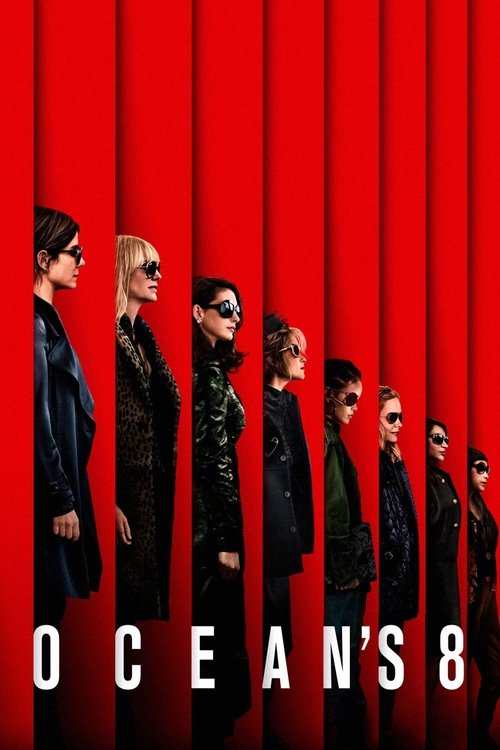
Funny Face is a gold standard of movies about fashion, but technically so is The Bitter Tears of Petra von Kant , and so is the Zoolander franchise.

Hepburn was seemingly most comfortable with director Stanley Donen, with whom she worked three times, on Funny Face (1957), Charade, and Two for the Road (1967).
There's a marvelous use of Paris locations, as you'd expect from the director of Funny Face.
In many ways, Donen even prefigured the New Wave, as any examination of his 1957 musical Funny Face (which teamed Audrey Hepburn with Fred Astaire) reveals.
It still works because director Stanley Donen (“Seven Brides for Seven Brothers,” “Charade”), two great leads, and one almost-as-great but nearly forgotten co-star, make sure it’s a fabulous last gasp.