
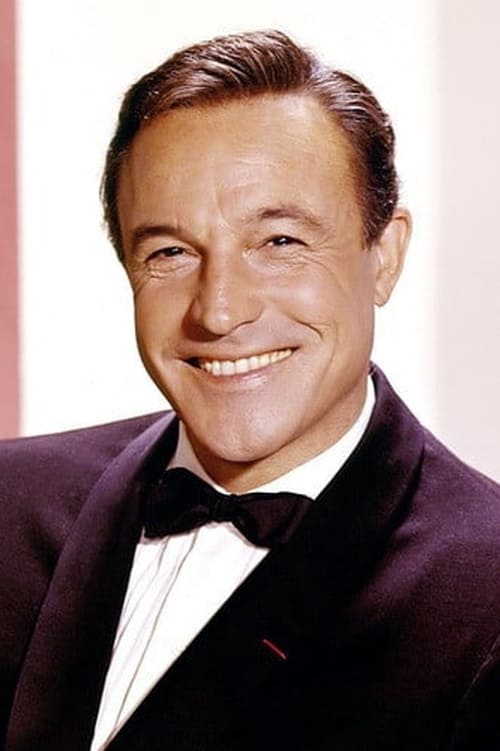
Gene Kelly
12 connections found
Filmography
View:
Connections, in both directions
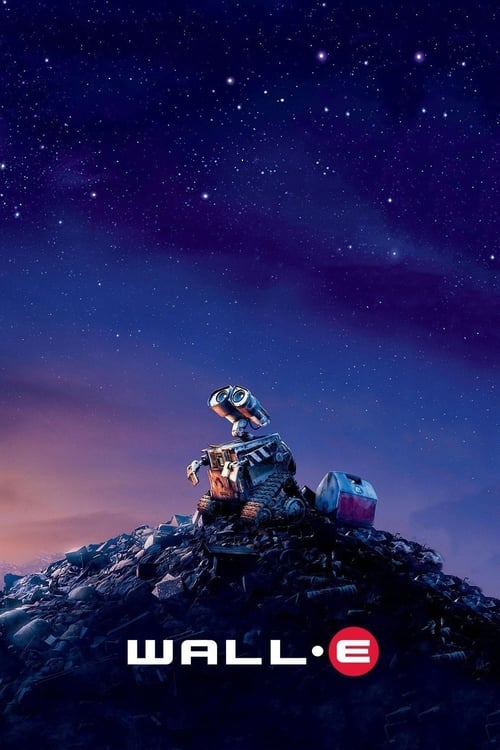


During the intervening centuries between humanity's departure, WALL•E develops a personality and spends his days discovering small treasures among the trash, including a well-worn copy of Hello, Dolly!
Over the course of a few days and star-gazing nights, watching clips from the 1969 Hollywood musical, Hello, Dolly!, WALLE and EVE beep and squeak at one another, loll around, communicating as best they can.
It opens with shots of the stars, the solar system, and eventually the Earth that glide across the screen to the lilt of "Put On Your Sunday Clothes" from Hello, Dolly!
For a bot, the little guy has a lot of personality: He scavenges knickknacks like a flea-market addict, and constant viewings of an old videotape of Hello, Dolly! help him get through the day.

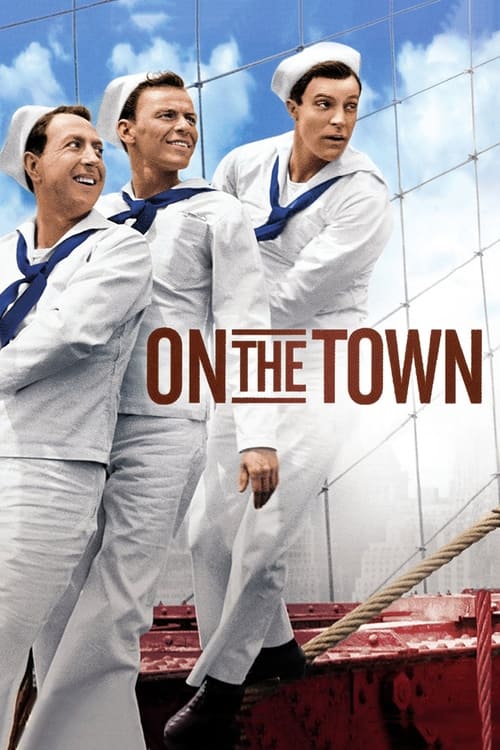
In addition to being geographically thorough (city and state)—and alluding to Bernstein, Comden & Green's On the Town—the title of the film suggests two New York Citys: the real one and our idealization of it.
On an emotional level, the film is a powerhouse, offering some of the most convincingly painful rows ever shot; as a depiction of changes in American music and the entertainment world, it is accurate and evocative; and as a commentary on showbiz films, it's a stunner, sounding echoes of Minnelli's own mother's movies and career (particularly A Star Is Born) as well as other classics like On the Town and the first A Star Is Born (in which Stander also appeared).
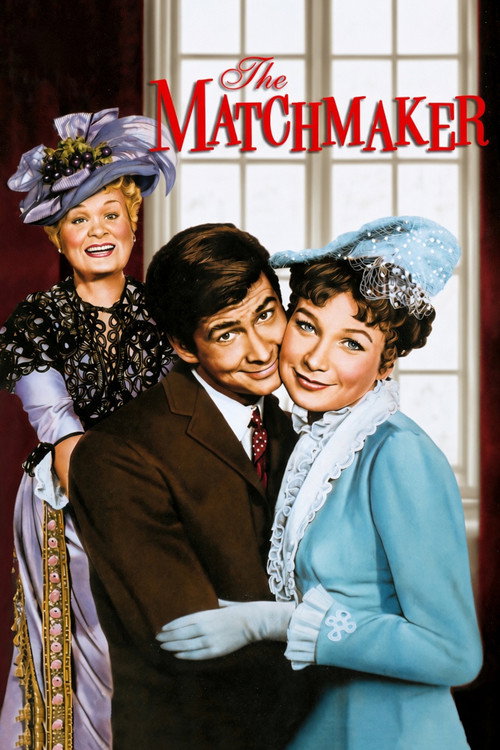
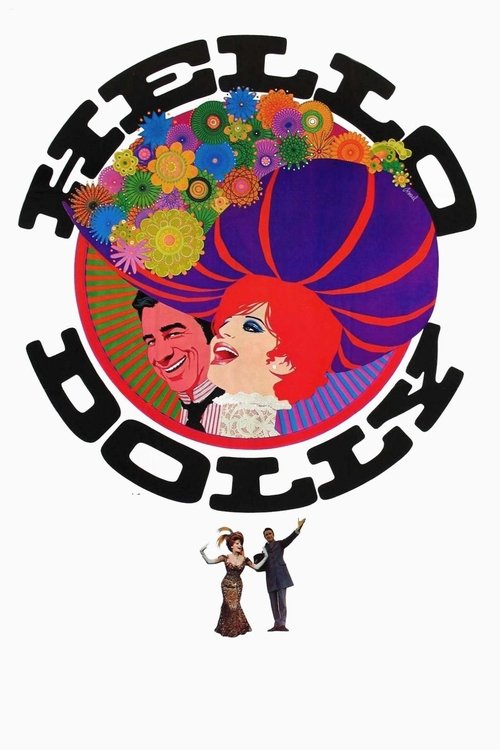
Screenplay: Ernest Lehman (based on the musical show Hello, Dolly!, music and lyrics by Jerry Herman, itself adapted from the play The Matchmaker by Thornton Wilder).
Adapted by Ernest Lehman from a record-setting 1964 Broadway musical that was itself based on Thornton Wilder's 1955 play The Matchmaker (which based on Wilder's earlier The Merchant of Yonkers and onward back to the beginning of time), Hello, Dolly! opens in New York City, where the region's most famous and beloved matchmaker/factotum Dolly Levi (Barbra Streisand) is heading off to the suburb of Yonkers, with her own marriage in mind: she's hellbent on snaring wealthy, grumpy hay & feed store owner Horace Vandergelder (Walter Matthew).
Indeed, the first story (which gives the film its title) continues the Coens’ ongoing fascination with music – which began back in earnest with “O Brother, Where Art Thou?” in 2000 and has rarely been far from the screen since –whether that be the folk of “Inside Llewyn Davis,” the inspired “On the Town”-esque musical number in “Hail, Caesar!” or the songs used in four of the stories here.
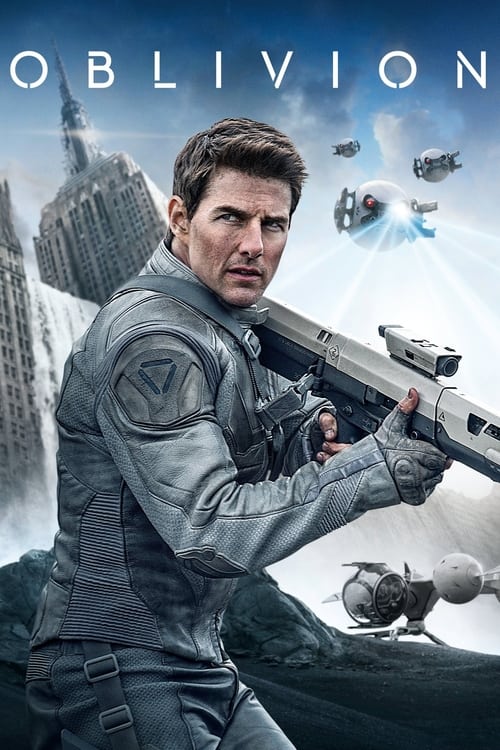
Like WALL-E, he has also developed a personality (just replace the VHS of Hello, Dolly! with the vinyl and some old books) despite the fact that his memory has been wiped by his masters.
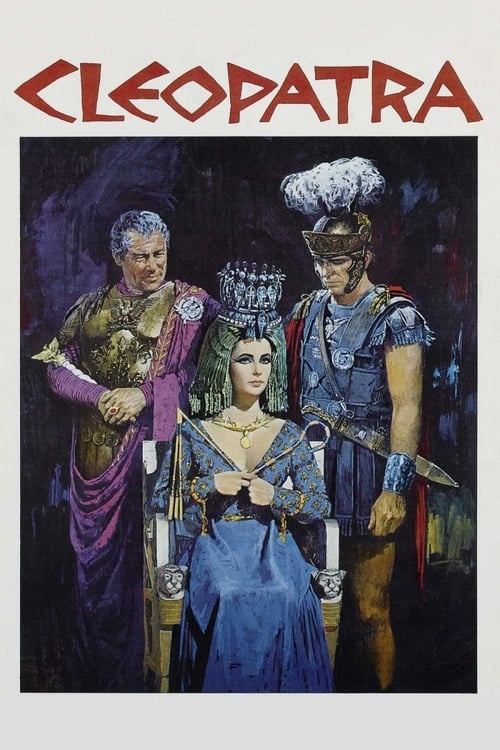
Though both films saw huge box office returns that didn't offset their even huger budgets, it was Hello, Dolly! that somehow managed to scratch its way to three Oscar wins and another four nominations, one of them for Best Picture - the third time in six years that 20th Century Fox had managed to hoist one of its gargantuan, tacky megaproductions into that nominally august company, after 1963's Cleopatra and 1967's Doctor Dolittle (and credit where credit is due: Hello, Dolly! may be a tasteless behemoth, but it's still far better than the enervating Dolittle, surely among the worst movie musicals ever made).

The opening of last year's WALL•E might have been a lost masterpiece of silent cinema; it is visually rapturous and witty, relating its touching fable with precise and evocative images and brilliantly elliptical cuts, and with no dialogue other than sound effects and some clips from Hello, Dolly!
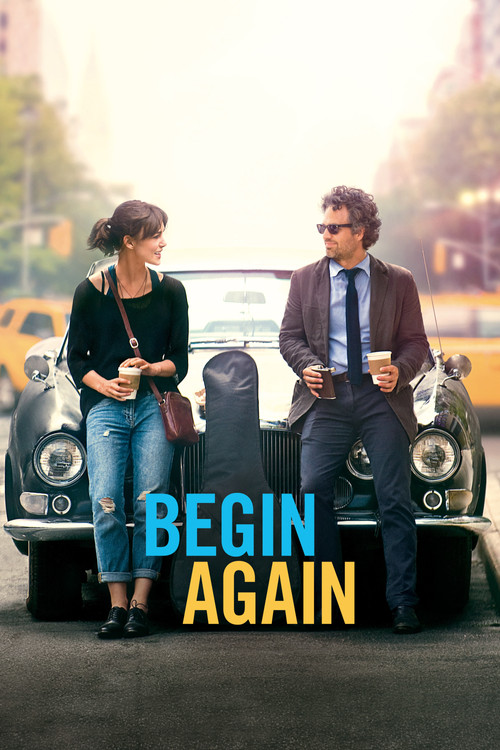
In one long sequence, the two leads, played by Mark Ruffalo and Keira Knightley, essentially dance through New York, “On the Town”-style, but the scene is “realistic” because they — and the audience — are hearing vintage Sinatra and Stevie Wonder tracks through the headphones the characters share.
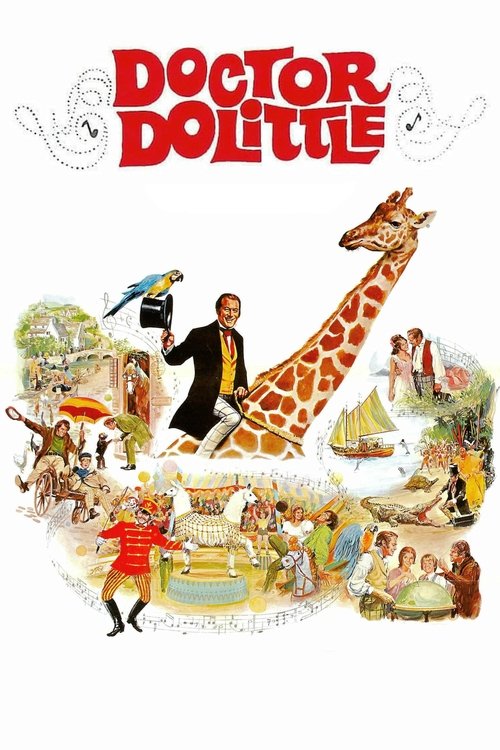
Though both films saw huge box office returns that didn't offset their even huger budgets, it was Hello, Dolly! that somehow managed to scratch its way to three Oscar wins and another four nominations, one of them for Best Picture - the third time in six years that 20th Century Fox had managed to hoist one of its gargantuan, tacky megaproductions into that nominally august company, after 1963's Cleopatra and 1967's Doctor Dolittle (and credit where credit is due: Hello, Dolly! may be a tasteless behemoth, but it's still far better than the enervating Dolittle, surely among the worst movie musicals ever made).
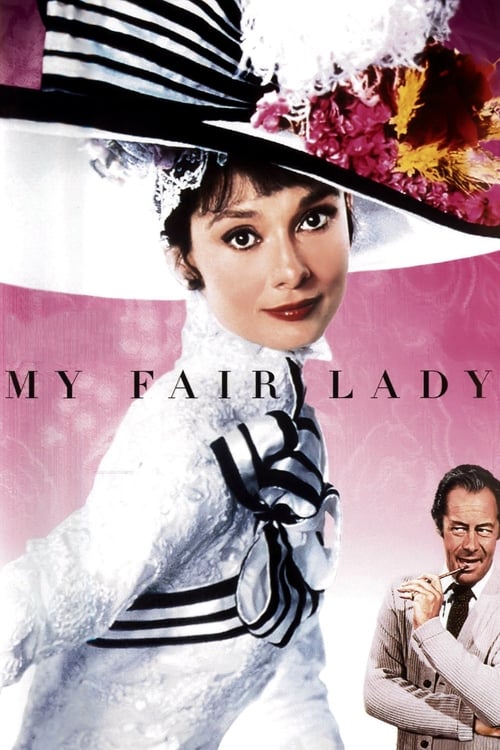
Watch even a film like Cukor's My Fair Lady, not the most dynamic of stage-to-screen adaptations, and observe how even its most lavishly static set-pieces (the Day at the Races, etc.) confine themselves to a few key colors, a controlled range of musical notes, a spoofish self-awareness of all the outrageous get-up.
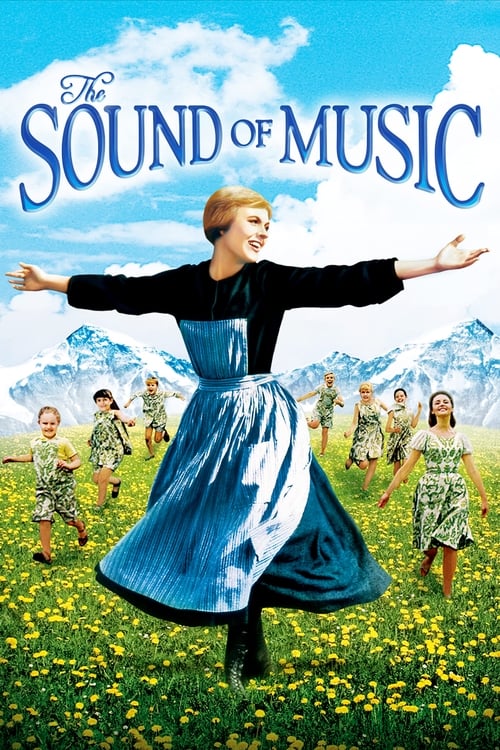
Watch Hello, Dolly! in close succession to, say, The Sound of Music, and the latter film's elegant editing and harmonious visual schemes are all the more conspicuous.
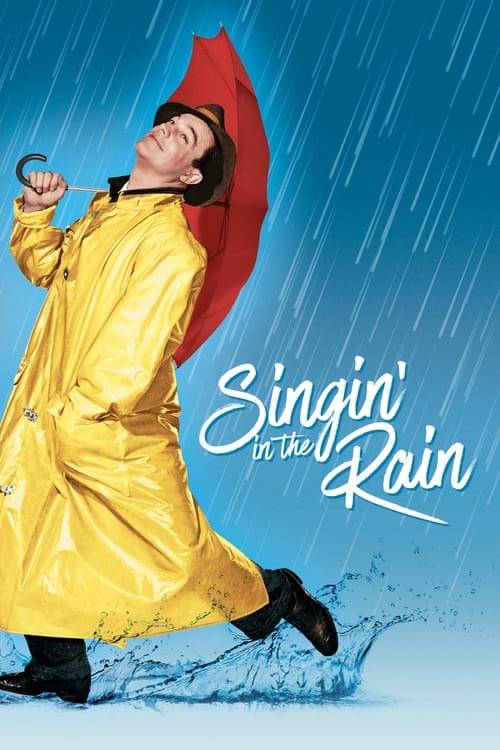
Singin' in the Rain represented Kelly's second of three collaborations with co-director Stanley Donen (they also worked together in 1949's On the Town and 1955's It's Always Fair Weather).
Made towards the tail end of the Arthur Freed production era at MGM that spawned "Meet Me in St Louis", "Easter Parade", "On the Town", and "An American in Paris", it was first seen as a means of using many of the songs that Freed and Nacio Herb Brown had written 20 years earlier when talkies were in their infancy.
He started in movies at 17, in 1941, as an assistant to Kelly, and they collaborated on "On the Town” (1949) when he was only 25.
Song-and-dance man Gene Kelly ("On the Town," "Summer Stock," "An American in Paris") co-directed the movie with Stanley Donen ("On the Town," "Funny Face," "Damn Yankees!"), and Kelly stars in this colorfully lavish spoof of old-time Hollywood, which co-stars fellow hoofer Donald O'Connor and relative newcomer Debbie Reynolds.
Like other Kelly films such as On the Town and An American in Paris, this film has a big set piece that brings the action to a halt for a non-linear, stylized modern-dance sequence with elaborate costumes and stagey props and backgrounds.
Kelly also manages to sneak in one of his patented mid-movie ballet fantasies, the sort of Technicolor marvel that push the limits of what a movie musical could be, later making "An American in Paris" and "Singin' in the Rain" classics of the genre.