
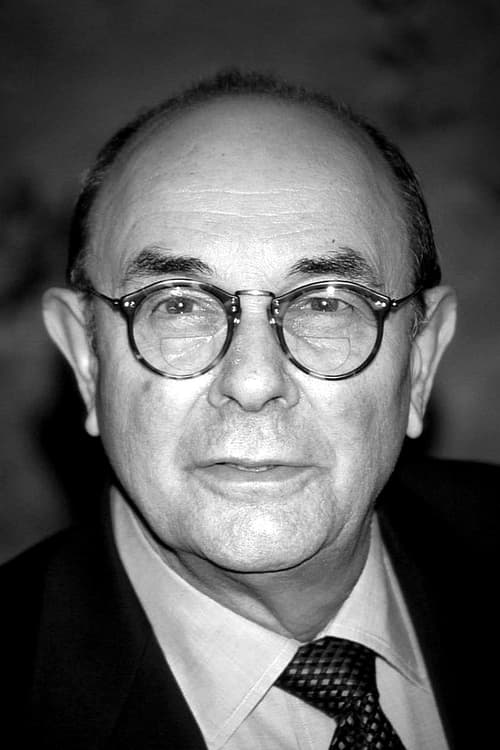
Stanley Donen
92 connections found



View:
Connections, in both directions
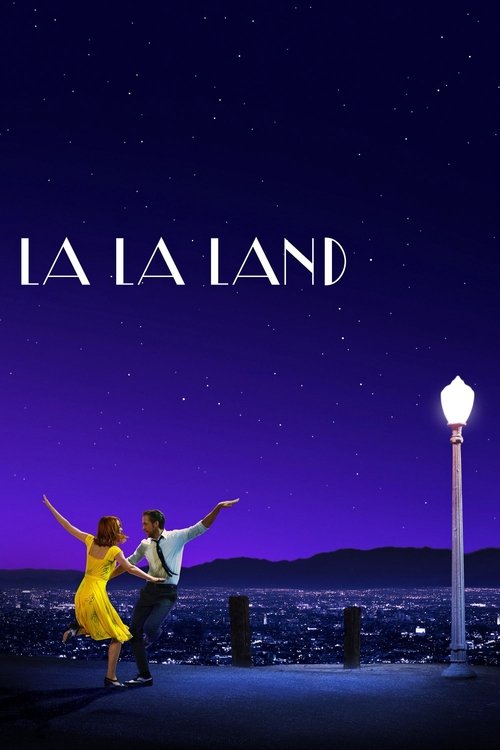
La La Land (2016)
Directed by Damien Chazelle
influenced by Singin' in the Rain (1952), Funny Face (1957), It's Always Fair Weather (1955)
Visuals Themes


It pays homage to musicals like “Singin’ in the Rain” and Jacques Demy's “ The Umbrellas of Cherbourg ” without every directly mimicking them.
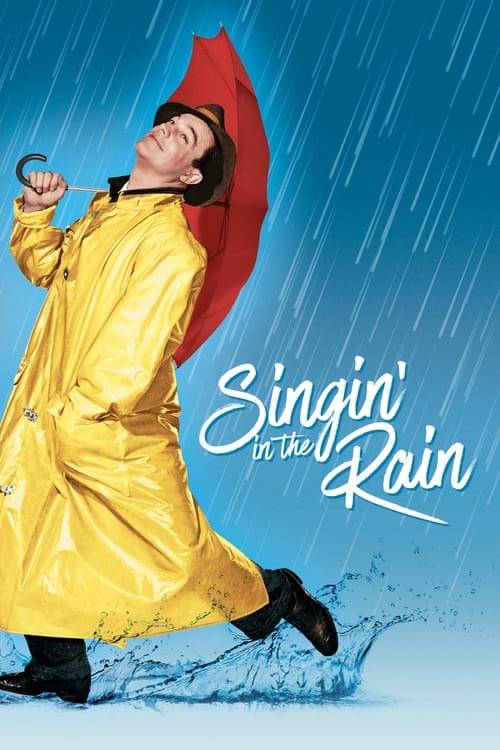
At the climax of Mia and Sebastian’s first dance together — perhaps the film’s finest sequence — the camera cranes up, just like it did when Gene Kelly spun around in Singin’ in the Rain.
Singin' in the Rain is saluted, An American in Paris is saluted.
It's openly aimed at cinephiles who recognize the many overt Singin' in the Rain references, and feel a little internal flutter when its characters stroll across a studio backlot, surrounded by the accoutrements of moviemaking before bursting into song and dance.
Does it reinvent or improve upon “Singin’ in the Rain”, “A Star is Born”, “The Umbrellas of Cherbourg” and the legions of classic films and musicals it references, borrows from?
The natural comparisons will pour in for “Singin’ in the Rain,” “West Side Story” and just about any other big time movie musical you can think of.

The Tourist (2010)
Directed by Florian Henckel von Donnersmarck
influenced by Charade (1963)
Visuals Dialogue Plot Characters Themes
At the very least, it ought to play out like a slick imitation of a Stanley Donen film, like Charade (1963).
They also share some decent dialogue, the sharpness of which harkens back to romantic capers like “The Lady Eve’’ and “Charade.’’
What it was not, however, was a particularly dazzling piece of filmmaking, which makes von Donnersmarck precisely the wrong guy to direct The Tourist, a cosmopolitan trifle along the lines of Charade or Alfred Hitchcocks To Catch A Thief.
The motivations of characters shift as easily as Cary Grant’s in “Charade.”
And then, if you're thinking about The Tourist, with Johnny Depp and Angelina Jolie (who were perhaps thinking about Cary Grant, Grace Kelly, and Audrey Hepburn), well, think about adding To Catch a Thief or Charade to your Netflix queue instead.
"The Tourist" is a facsimile of a masquerade of a gloss on "Charade," and on all the lesser cinematic charades that followed in the wake of director Stanley Donen 's 1963 picture.
(The old Cary Grant charmer “Charade” did this perfectly.)
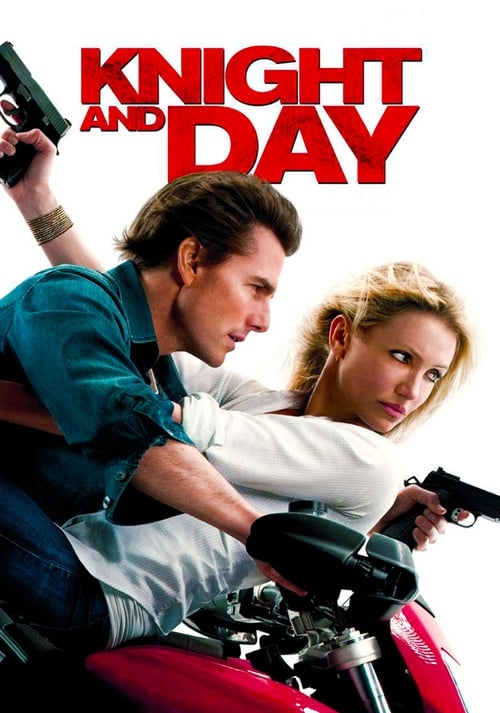
While watching the new Tom Cruise-Cameron Diaz spy thriller “ Knight and Day ,” I kept flashing back to Cary Grant and Eva Marie Saint in Alfred Hitchcock ’s “ North by Northwest ” and Grant and Audrey Hepburn in Stanley Donen ’s “Charade,” the best Hitchcock movie that Hitchcock never made.
But since Knight and Day really wants to be Charade (1963), it kept reminding me that as much as Cruise and Diaz aren’t Kutcher and Heigl, neither are they Cary Grant and Audrey Hepburn—by a very long shot indeed.
"Knight and Day" aspires to the light charm of a romantic action comedy like “Charade” or “ Romancing the Stone ,” but would come closer if it dialed down the relentless action.
He says he wanted to pattern this on two Cary Grant caper films, Stanley Donen�s, Charade (1963) and Alfred Hitchock�s North by Northwest (1959).
The reason director/co-writer James Mangold's ("3:10 to Yuma" and "Walk the Line") carefree homage to globe-trotting capers like Audrey Hepburn's "Charade" works so effectively has more to do with teamwork than plot.
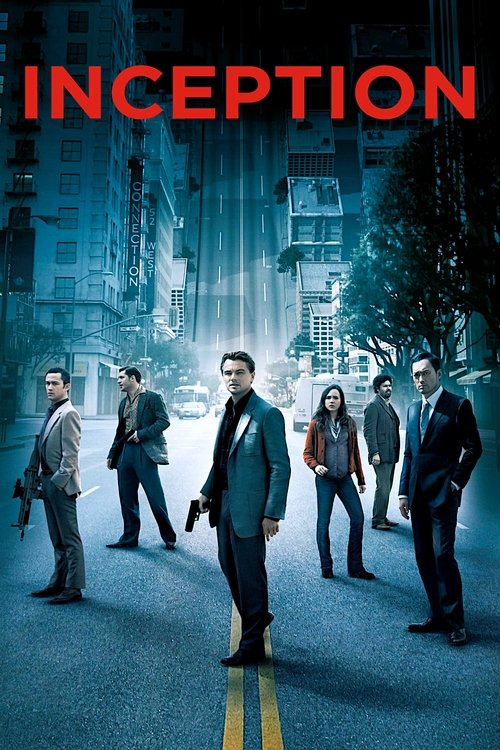
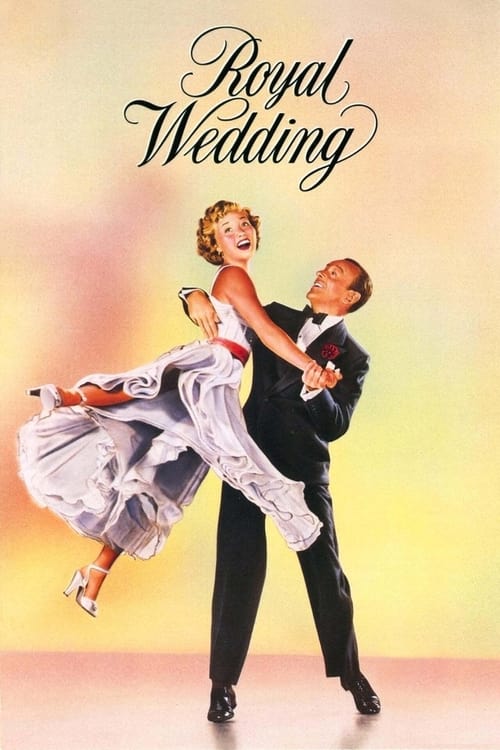
It's obviously inspired by Fred Astaire's wall and ceiling dance sequence in "Royal Wedding," and the fact that it was shot the same way (with a revolving set rather than computer-generated effects) makes those scenes all the more impressive to behold.
The most rousing action sequence, a fight in a zero-gravity hallway, cleverly lifts from "2001" (and "Royal Wedding," in which Fred Astaire danced on the walls and the ceiling).
There are images in this smoothly elegant film that will be talked about for decades: six sleepers floating weightlessly in a hotel room; a Paris street folding in on itself; and in an echo of Fred Astaire’s dancing-on-the-ceiling scene from “Royal Wedding,” two guys crawl all over a ceiling with the same special-effect technique, except they’re not tap-dancing — they’re trying to kill each other.
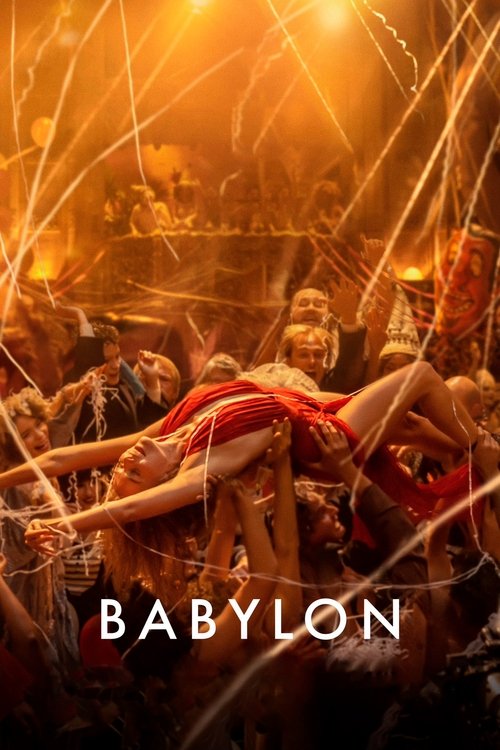
Babylon (2022)
Directed by Damien Chazelle
influenced by Singin' in the Rain (1952)
Themes Visuals Plot
We’re dealing with the same themes as “Singin’ in the Rain,” only in a bloodier, pissier vein.
Chazelle also borrows heavily from documented Hollywood episodes such as the Fatty Arbuckle/Virginia Rappe scandal and makes constant and direct references to “Singin’ in the Rain,” but most of “Babylon” is a meandering and often stultifying work of pure fiction, in which extended set pieces overshadow anything resembling true character development or real insight about Hollywood in the 1920s.
While La La Land had Chazelle channeling Fred Astaire and Ginger Roger musicals, along with the work of Jacques Demy, Babylon has the director finding his inner Scorsese and matching it up to Singin’ in the Rain.
“Make ’em laugh,” Donald O’Connor urged in Singin’ in the Rain , a movie that serves as Babylon ’s conceptual and spiritual template, and it’s the essentially enigmatic, deeply subjective question of comedy—of whether or not something is funny, and why—that hangs over the proceedings like an old-timey anvil.
As Babylon makes constant references to one of Chazelle’s most beloved films, Singin’ in the Rain , it’s difficult not to muse on how certain classism and sexism tropes continue to be recycled on-screen despite so-called progress, with LaRoy’s more obvious inspiration Clara Bow similarly sidelined from movie history, then caricatured in Singin’ itself as a cartoonishly dumb blonde who viciously attempts to sabotage the virtuous ingénue.
Chazelle borrows a similar playbook from Singin’ in the Rain (1952), wherein the filmmakers struggle to capture sound for tomorrow’s audience with crude equipment under riotously brutal conditions—hot lights and temperamental recording devices.

The movie gives off something reminiscent of old caper romances like Charade, How to Steal a Million, A Fish Called Wanda, the Ocean’s movies, and the underrated Duplicity, in which Julia Roberts and Clive Owen keep their con going so long that what they’re left with is each other.
Contemporary audiences are less likely to be reminded of Charade and To Catch a Thief than that other Grant wannabe, George Clooney, in the Oceans movies, but it’s a change of pace.
On the most basic level, the con-artist romance Focus is a Cary Grant movie in the North By Northwest or Charade mold.
Smith frankly doesn’t seem all too happy throughout “Focus”—he certainly doesn’t manage the sort of charm that Cary Grant brought effortlessly to a similarly convoluted piece like “Charade.”
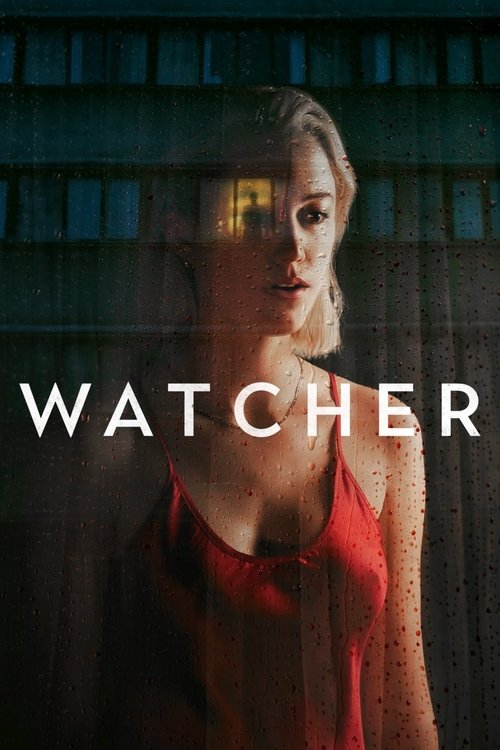
When Julia thinks she sees the same man (Burn Gorman) following her to a movie (she watches “Charade,” a classic that clearly inspired this project) and then to a grocery store, her panic rises, especially when she sees news reports about a serial killer named The Spider.
There’s nevertheless a clear love for classically straight-forward suspense cinema dripping from every pore of this effort, perhaps best indicated by a mid-film sequence in which Julia heads to the cinema to watch Stanley Donen’s Charade.
In one truly spine-chilling scene, seated right behind her at a matinee showing of Charade .
A grocery store pursuit is shot well; a sparse screening of Charade is downright intense.
The setup is pure Hitchcock (an element Okuno playfully acknowledges when Julia runs into a movie theater to watch "Charade," before someone creeps up on her), but the tone is closer to the nightmarish dread of "The Vanishing."
She first feels him following her as she wanders into the middle of a matinee screening of “Charade,” then to the grocery store where she almost buys cigarettes — she’d given up smoking a few months ago, but when she ultimately relents and buys a pack, it serves as a great way to show signs of stress on screen.
The Shape of Water (2017)
Directed by Guillermo del Toro
influenced by Royal Wedding (1951), Singin' in the Rain (1952)
Visuals Plot
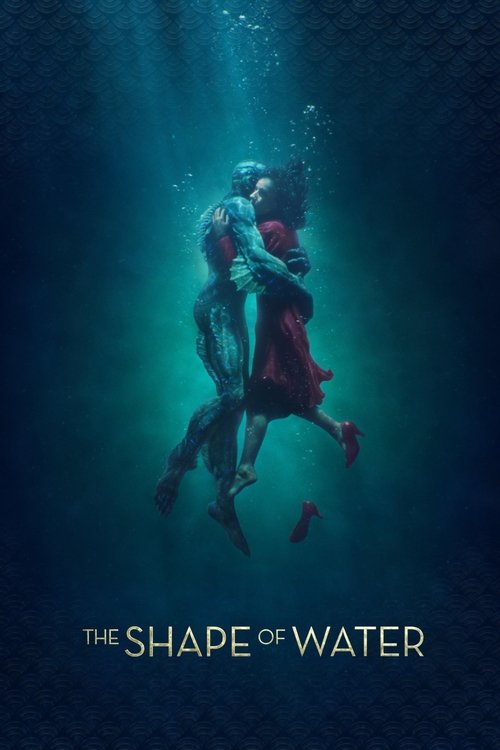
The reference is to Fred Astaire, who did the same with a hat rack, in “Royal Wedding” (1951)—part of a chorus of echoes that resound throughout.
Beauty & The Beast plus Splash plus The Little Mermaid plus E.T. plus Singin’ in the Rain plus The Creature from the Black Lagoon .
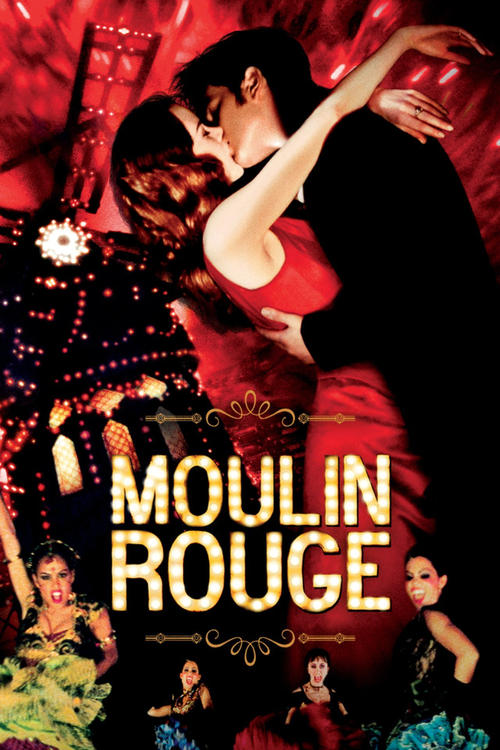
Luhrmann shamelessly borrows from wide sources, plagiarizing Marilyn Monroe's "Diamonds are a Girl's Best Friend" production number almost intact except for placing Kidman at its center, and purloining Gene Kelly's lamp post pose from Singin' In The Rain .
(I was reminded of Gene Kelly and Donald O'Connor's motto in " Singin' in the Rain ": "Dignity.
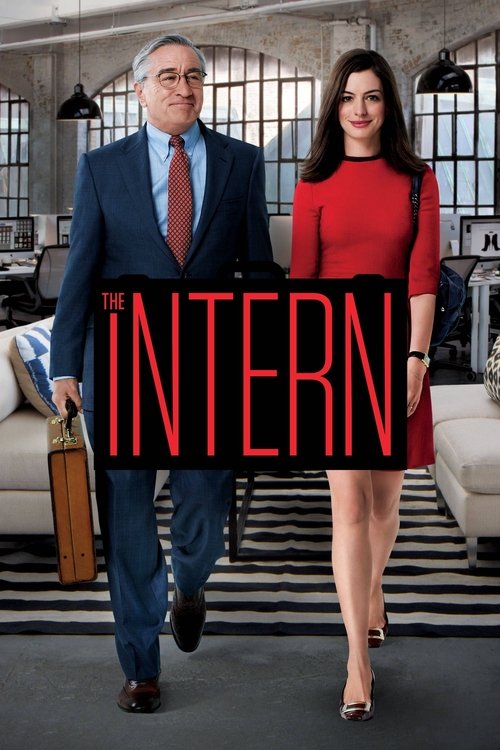
At one point De Niro gets emotional watching Gene Kelly sing "You Were Meant for Me" to Debbie Reynolds in "Singin' in the Rain," a nod to both the classical Hollywood that Meyers looks to update and more straightforward notions of romance.
The closest these two get to a bed is sitting on one while watching Gene Kelly croon “You Were Meant For Me” to Debbie Reynolds in a Netflix screening of Singin’ in the Rain.
At the end of their talk, as Jules drifts off to sleep, Ben watches misty-eyed as the TV plays that wonderful scene from Singin' in the Rain where Gene Kelly sings " You Were Meant for Me " to a glowing Debbie Reynolds.
He turns to mush watching Singin' in the Rain, and he hits it off with the company's in-house masseuse, Fiona (Rene Russo).
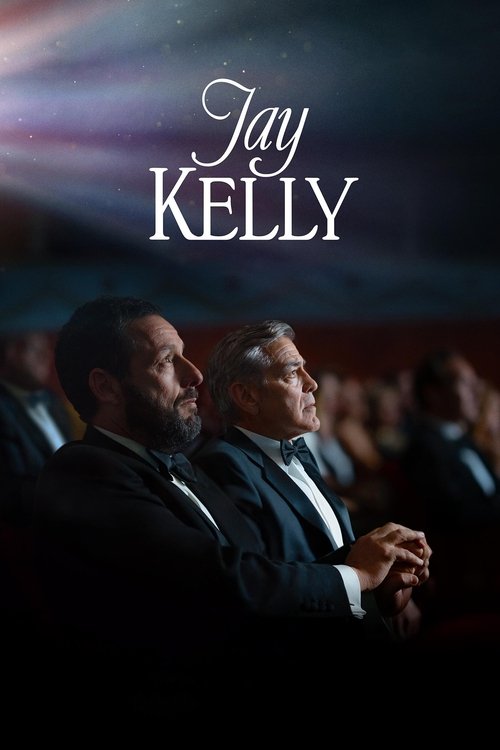
Jay Kelly (2025)
Directed by Noah Baumbach
influenced by Singin' in the Rain (1952), Charade (1963)
Themes
They can be comedic (Singin’ in the Rain, Day for Night), personal (The Fabelmans, 8/12), reflective (Sullivan’s Travels, Stardust Memories), acerbic (The Player, Sunset Boulevard)…
…pasando por títulos como ‘Cantando bajo la lluvia’ (Jay Kelly remite a Gene Kelly)…
Everything from Look Back and The Fabelmans, to Singin’ in the Rain, The Hero, and Opening Night.
Clooney is a modern-day Cary Grant and has entered that phase of his career where, like Grant in his North by Northwest (1959) and Charade (1963) era, his roles comment on his age.
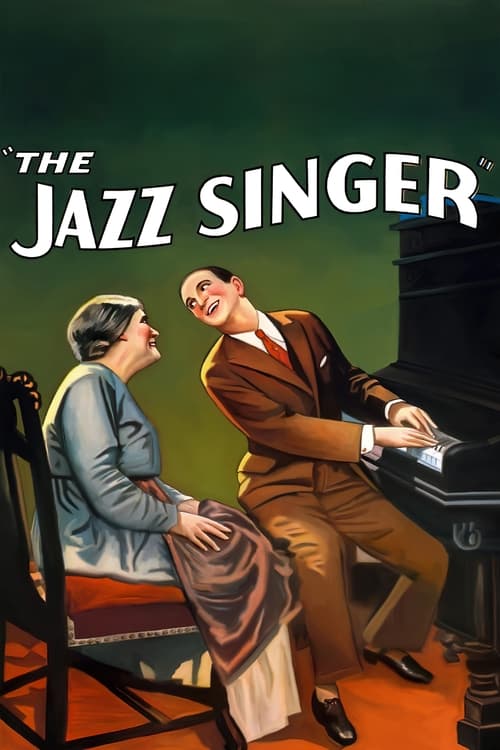
While Don and Lina are shooting a silent swordplay-and-damsels flick, The Dueling Cavalier, for Monumental Pictures, a new Warner Brothers smash called The Jazz Singer opens -- and the first major studio feature employing sound technology is a screaming success.
The setting is 1927, the official end of the movies' silent era and the beginning of talkies with Warner Brothers' "The Jazz Singer." Kelly is a conceited silent-screen matinee idol, Don Lockwood, whose on-screen love interest is Lina Lamont (Jean Hagen), a relationship made in hell as Lockwood can't stand the lady.
Everything turns upside-down when The Jazz Singer and talking pictures hit town like an earthquake.
Then The Jazz Singer opens, and Hollywood is turned upside down.
Set in Hollywood in the late �20s, at the moment when the unimaginable success of Warner Brothers� The Jazz Singer sent the other studios into a desperate furor of nervous activity as they closed down all production of silents and wired their stages for sound, Betty Comden & Adolph Green�s screenplay burlesques the movie business with as much deadly accuracy and outrageous wit as anyone ever has.
Its hard to believe, now, that anyone ever imagined that "talkies" were a passing fad; that it took the success of The Jazz Singer (which was scarcely a "talkie" at all) to convince Hollywood otherwise.
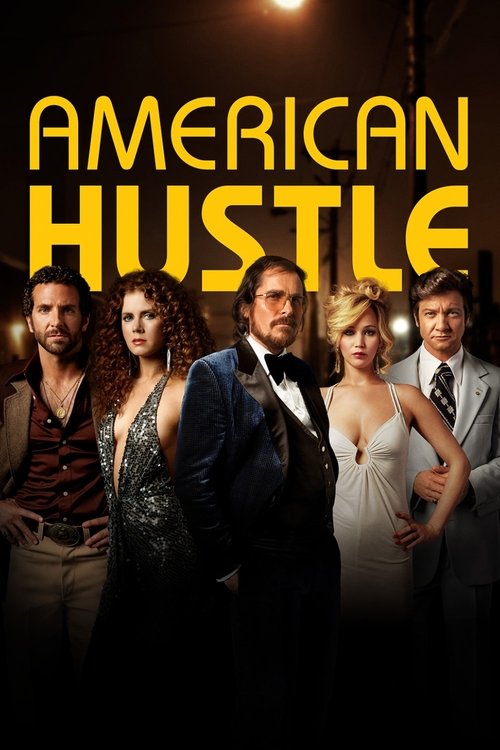
The screenplay abounds in convolutions that undercut expectations and take matters in new directions, including a major one toward the close that Russell and Singer might have borrowed from Peter Stone’s “Charade.”
With a screenplay as much of a misfire as we have here, no one could make it work, despite all the frantic attempts to enliven the action with elaborate musical numbers (including one that recalls classic-Hollywood-musical ballets à la Singin’ in the Rain ).
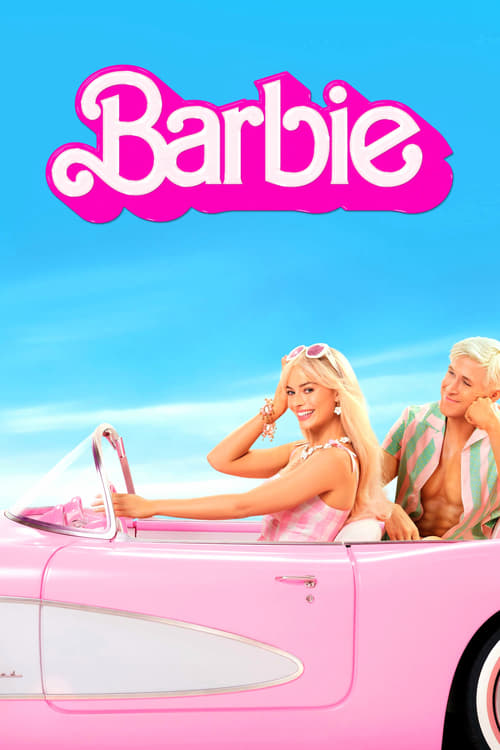
But there’s only one Greta Gerwig and if any director could convince a major studio to fork over a truckload of cash and disguise a movie based on the world’s most instantly recognizable doll as a thoughtful (and rollicking) meditation on gender norms, what it means to be a human, and fragile masculinity while also doubling as an homage to “An American in Paris” and “Singin’ in the Rain” (complete with dream ballets!) it would be her.
If one threw Playtime , The Umbrellas of Cherbourg , Singin’ in the Rain , Sabrina , Young Frankenstein , and Josie and the Pussycats into a blender and poured the contents into a glass, it’s likely that the pink-colored concoction would look a lot like Greta Gerwig’s Barbie .
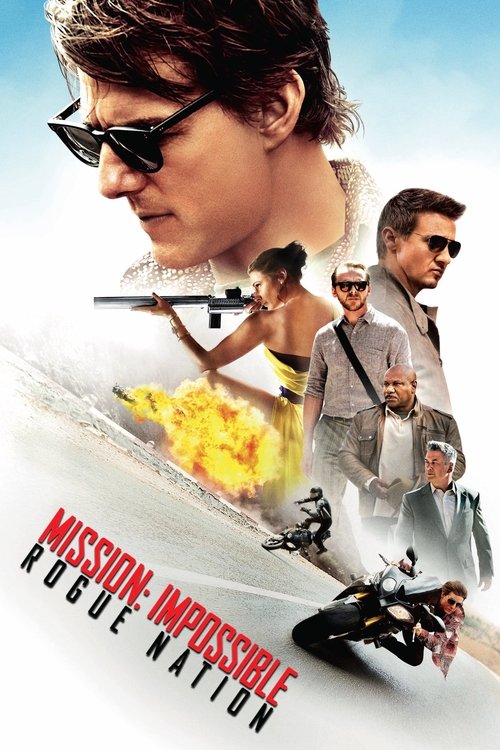
Mission: Impossible - Rogue Nation (2015)
Directed by Christopher McQuarrie
influenced by Charade (1963)
Visuals
Half of "Rogue Nation" belongs to the digital realm of trickery; the other half delivers a more gratifying combination of bodies in space, usually going at each other, along with crosses, double-crosses and settings reminiscent of everything from the 1966-1973 TV show to Hitchcock to Stanley Donen's "Charade."
Sound a little more complex than Singin' in the Rain (a fine little musical, in its own right)?
Personally, I don't think it equals "My Fair Lady," "Oklahoma," "Singin' in the Rain," "The Music Man," "The Sound of Music," or "Cabaret," but it's right up there with the best of them.
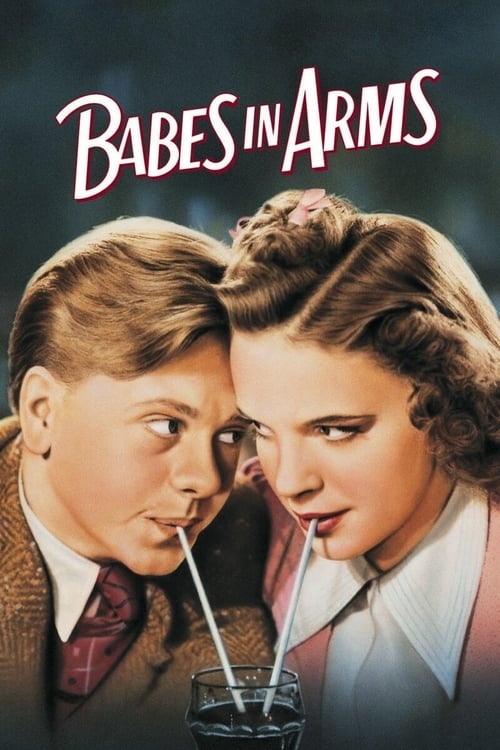
And in "Good Morning" (borrowed from the Judy Garland & Mickey Rooney Babes in Arms), Kelly, O�Connor, and Reynolds express their bottomless joy at solving the Dueling Cavalier problem by dancing over an upended sofa.
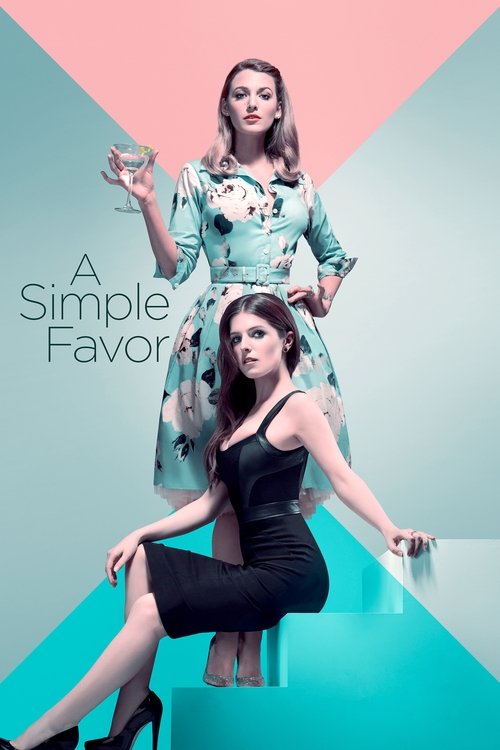
Devoted watchers of Turner Classic Movies and collectors of Criterion will make themselves giddy counting the references to classic thrillers of the ‘30s and beyond (the very first thing in this writer’s notes on the film is an all-caps “CHARADE!”)…
Even though it’s not Hitch, Stanley Donen’s Charade is an obvious tonal influence.
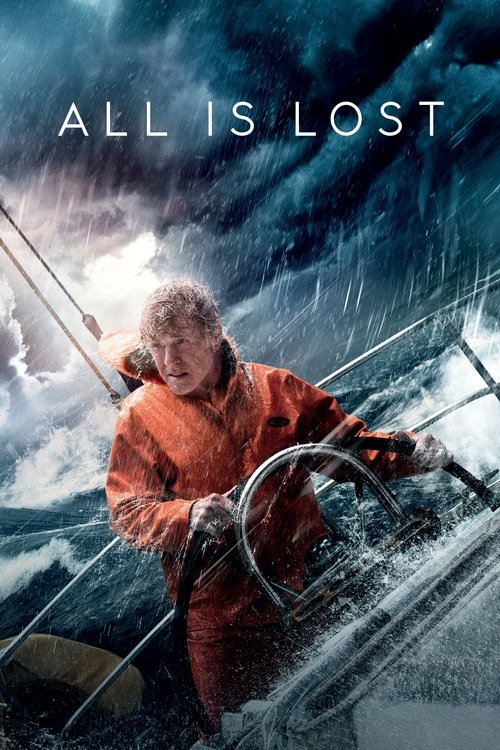
And for a man in his late 70s, he tackles the role’s intense physical requirements with gusto; at one point, the ship capsizes, sending Redford rolling up the walls and to the ceiling in what looks like the horror-movie version of Fred Astaire’s famous gravity-defying dance in “Royal Wedding.”
In scenes recalling Stanley Donen’s “Royal Wedding,” Our Man appears to dance on the cabin ceiling as the ship rolls like a toy in the thundering waves.
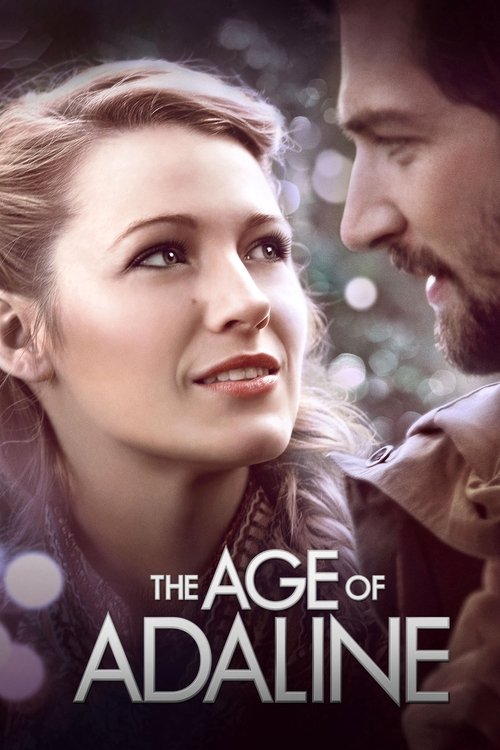
The Age of Adaline (2015)
Directed by Lee Toland Krieger
influenced by Two for the Road (1967)
Visuals
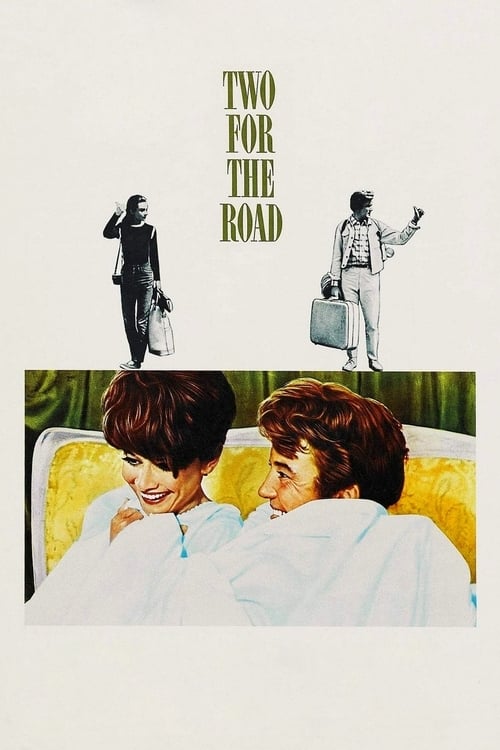
A less lofty, though no less charitable comparison might be made with the time-travel romance Somewhere in Time, while Adaline’s sturdy cross-cutting evokes Stanley Donen’s relationship puzzle Two for the Road; there’s even a scene here, surely no coincidence, set around 1967, with Lively driving a black convertible and meeting cute with a young man stranded on the English countryside.