

Frank Pavich
45 connections found
Filmography
View:
Connections, in both directions


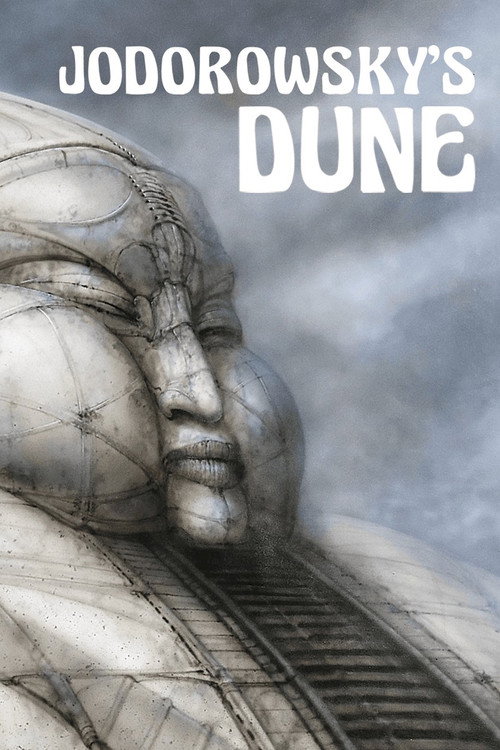
His strenuous efforts to produce “the greatest movie never made” are recounted in Frank Pavich’s fascinating new documentary Jodorowsky’s Dune , which is now playing theatrically in Los Angeles and New York City and opening in other cities next month.
One of the highlights of the documentary is Jodorowsky remembering, with a devil's grin, what it was like to hear that Lynch, a director he greatly admired, had been tapped to do "Dune" on screen.
Before David Lynch spectacularly botched a bigscreen adaptation of Frank Herbert ’s “Dune,” Alejandro Jodorowsky , cinema’s shaman of psychedelia, had a spectacular go at the job.
In 1975, following the runaway success of his art-house freak-outs El Topo and Holy Mountain, Alejandro Jodorowsky secured the rights to Frank Herbert's Dune - and began work on what was gearing up to be a cinematic game-changer, a sci-fi epic unlike anything the world had ever seen.
There are some nice touches—including psycho-visuals to illustrate F/X head Dan O’Bannon’s freaky recollection of meeting Jodorowsky—but Jodorowsky’s Dune is all a bit much: too much of a muchness; too much hypo-hype; too much obsessing over what will never be.
Entertaining from its first outrageous pronouncement of messianic intent to its final concept painting of a reticulated spaceship spilling outer-space spice from a shattered cargo hold, the documentary "Jodorowsky's Dune" is determined to convince you that cult filmmaker Alejandro Jodorowsky's doomed 1970s adaptation of Frank Herbert's science-fiction novel "Dune" really is "the greatest movie never made."
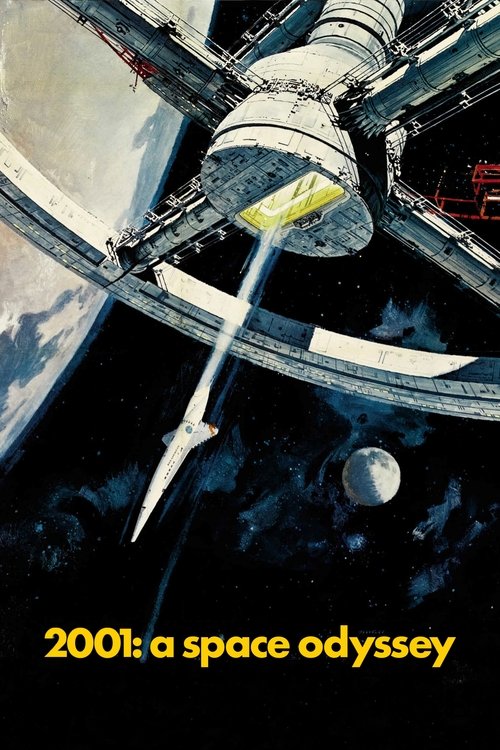
2001: A Space Odyssey (1968)
Directed by Stanley Kubrick
influenced Jodorowsky's Dune (2013)
Visuals
On the basis of his work on the low-budget quasi-student film "Dark Star," future "Alien" writer Dan O'Bannon was hired to create the special effects, after Jodorowksy failed to detect any sympathetic vibes in a meeting with the industry's reigning FX master at the time, Douglas Trumbull ("2001: A Space Odyssey"), whom the filmmaker dismisses as more a "technician" than a fellow truth-seeker.
And second, that in the decade from the late 1960s through the mid-'70s, filmmakers often hatched extreme, unique, original visions — among them Stanley Kubrick's 2001: A Space Odyssey, Jean-Luc Godard's Weekend, Haskell Wexler's Medium Cool, Dennis Hopper's The Last Movie, Dusan Makavejev's W.R.: Mysteries of the Organism, Bernardo Bertolucci's Last Tango in Paris, Werner Herzog's Aguirre the Wrath of God and, we might say, Gerard Damiano's art-porno Devil in Miss Jones.
For special effects, Jodorowsky brought aboard Dark Star’s Dan O’Bannon, rejecting 2001: A Space Odyssey whiz Douglas Trumbull as insufficiently spiritual.
Dune was to be a very European cross between 2001: A Space Odyssey and the rollicking, speedy visuals of the yet-to-be-made Star Wars.
Rejecting special-effects wizard Douglas Trumbull (2001: A Space Odyssey) as being too greedy and arrogant, he drafted Dan O’Bannon, sci-fi novel artist Chris Foss and then-unknown H.R. Giger to design the film’s look.
He rejected Douglas Trumbull, who, after 2001: A Space Odyssey, was considered the most obvious choice for the effects Jodorowsky was envisioning, because he did not have the kind of spiritual connection to the work that Jodorowsky expected his team to have.
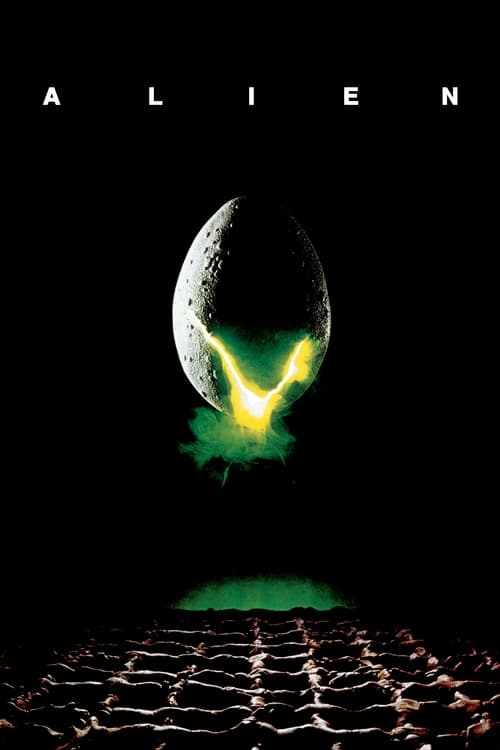
The evidence presented regarding details George Lucas may have stolen for “Star Wars” is unconvincing, though O’Bannon, concept artist Chris Foss and Giger did go on to collaborate on “Alien,” extending a relationship that started with “Dune.”
Jodorowsky enlisted an elite group of artistic mercenaries, including French comic book artist Moebius, who illustrated the storyboards; Alien screenwriter Dan O'Bannon and artist H.R. Giger; and sci-fi paperback illustrator Chris Foss.
Conceived as epic and outrageous, the Paris-based international production was to star Mick Jagger, Orson Welles and Salvador Dali, with music by Pink Floyd and production designs by the great French comic-book illustrator Jean Giraud (better known as Moebius), science-fiction paperback cover artist Chris Foss and Swiss painter H.R. Giger (later famous for "Alien").
In the case of Jodorowsky, elements of his “Dune” can be found in any number of movies — from “ Star Wars ” to “ Alien ,” which O’Bannon wrote — that changed movie grammar forever.
He hired Dan O’Bannon, who would later write a little something called “Alien,” to handle the visual effects.
Instead, he credits Jodorowsky with assembling a visionary cadre of "spiritual warriors," a crew of misfit geeks who together went on to create Alien with Ridley Scott, and whose groundbreaking concepts for Jodorowsky's film found their way into countless sci-fi classics.
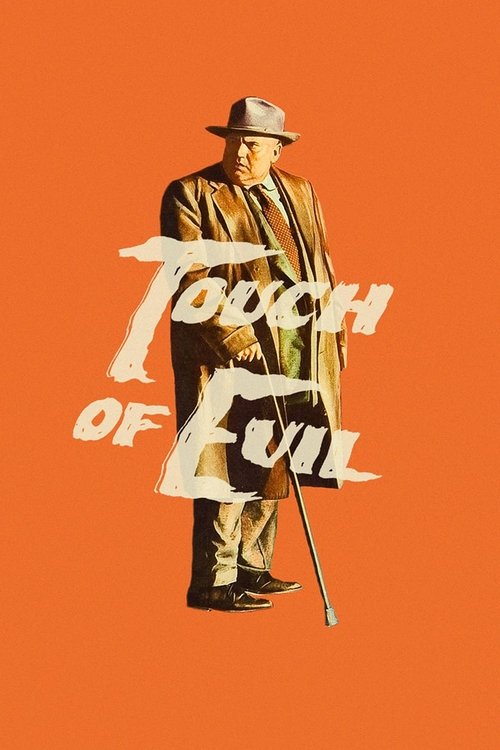
The film's first shot, inspired by the three-minute opening of Orson Welles' Touch of Evil, would send the camera "traversing the whole universe" until it landed on the Dune planet.
The movie features ample explication of his designs, including an opening shot designed to top Orson Welles's " Touch of Evil " and a spectacular Harkonnen fortress that, artist H.R. Giger admits, wasn't actually in the novel.
The director planned to stake his claim on greatness from the movie’s opening shot, a Touch Of Evil–inspired long take that would begin in the far reaches of the galaxy and appear to track all the way down to ground level.
He’s mesmerizing when he describes his camera following a “spiritual” insemination after a castrated man’s wife turns a drop of blood into semen, or when he rhapsodizes over his intergalactic take on the turbulent journey through Tijuana at the start of Welles’ “Touch of Evil” – an influence that probably made him think of using Welles in his own movie.
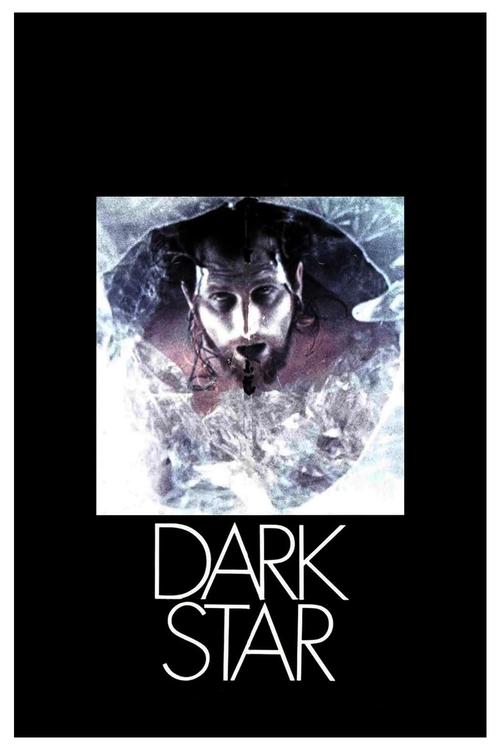
On the basis of his work on the low-budget quasi-student film "Dark Star," future "Alien" writer Dan O'Bannon was hired to create the special effects, after Jodorowksy failed to detect any sympathetic vibes in a meeting with the industry's reigning FX master at the time, Douglas Trumbull ("2001: A Space Odyssey"), whom the filmmaker dismisses as more a "technician" than a fellow truth-seeker.
After a meeting with “2001: A Space Odyssey” effects king Douglas Trumbull that did not go well (he was a technician, not an artist, Jodorowsky recalls) he seeks refuge in a Hollywood movie theater showing John Carpenter’s “Dark Star.”
He relates how he wanted 2001: A Space Odyssey wizard Douglas Trumbull to create his film's effects, changing his mind once he decided that Trumbull was a technician and not an artist; instead, he tapped Dark Star's Dan O'Bannon.
He rejected Douglas Trumbull of “2001” fame as his special effects coordinator because the man’s distant, mechanical attitude would make him impossible to work with, and opted for the more amenable Dan O’Bannon (of John Carpenter’s “Dark Star”) instead.
So he turned to Dan O'Bannon, who had worked on the inventive, low-budget SF movie Dark Star.
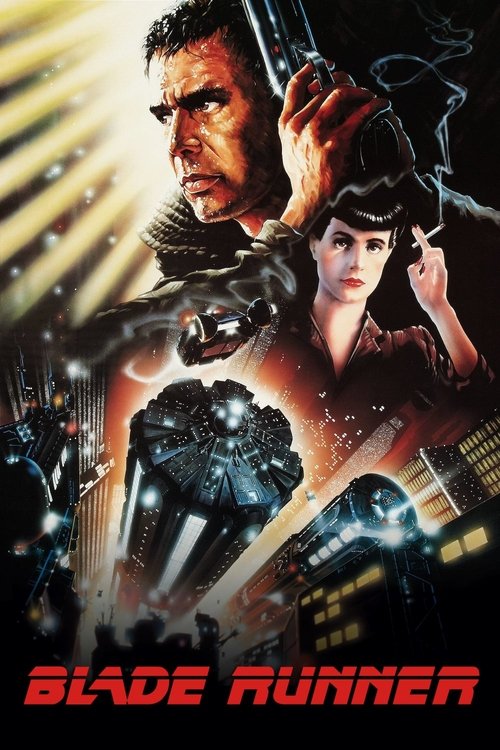
One may also question the assertions by McWeeny and Farici that elements from later sci-fi films, including Star Wars, Blade Runner, The Terminator and RoboCop, were somehow directly inspired by Jodorowsky's unmade movie.
From Star Wars to Alien to Blade Runner, without Jodorowsky who knows what science-fiction would look like today.
That means no “Blade Runner,” possibly no publication for William Gibson, no “Matrix,” et cetera.
I know the best version of Blade Runner is somewhere between the four different cuts of that movie, so I am thankful to Pavich for putting together a thoroughly entertaining and inspiring doc that gives me the ability now to imagine what Jodorowsky’s Dune could have been.
You can see its mark on Star Wars, Alien, Blade Runner and every movie that they in turn inspired.
Pavich interviews anyone and everyone in the core pre-production process who will talk about the project – Mick Jagger is suitably absent – and Pavich makes a cogent argument that any number of now-famous Hollywood films (Ridley Scott’s Alien and Blade Runner, along with Star Wars for starters) arrived in theatres with recognizable, obvious strains of Jodorowsky’s Dune in their DNA.
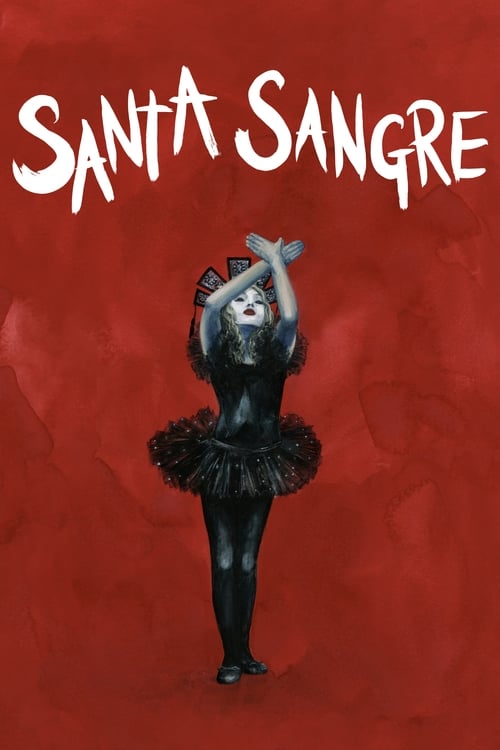
Alejandro Jodorowsky is one of my favorite filmmakers, having directed the cult-beloved spiritual freakouts El Topo (1970), The Holy Mountain (1973), and the truly unusual NC-17-rated horror film Santa Sangre (1989).
Personally, after seeing “El Topo,” “The Holy Mountain,” and “Santa Sangre,” I have yet to see a film of his that hasn’t turned out to be a complete disaster, but there’s no denying that he has his fans.
However, outré Chilean director Alejandro Jodorowsky of El Topo and Santa Sangre fame/infamy was nearly the first to adapt Dune for the big screen in the mid-1970’s.
Apart from creating some of the most transgressive films ever made (see “Holy Mountain” and “Santa Sangre”), he has directed over 100 plays and written more than a hundred books, plays, and comic books.
An actor, poet, graphic novelist, and director, Jodorowsky is best known for his brilliant cult films: surreal, psychedelic head-trip films such as El Topo, The Holy Mountain, and Santa Sangre.
Backed by the Paris-based producer Michel Seydoux, the guru-like director of El Topo and Santa Sangre worked for two years on this grand folly, recruiting a team that included the French comic-book artist Jean “Moebius” Giraud, Hollywood screenwriter and special effects expert Dan O’Bannon, and future Alien designer H.R. Giger.
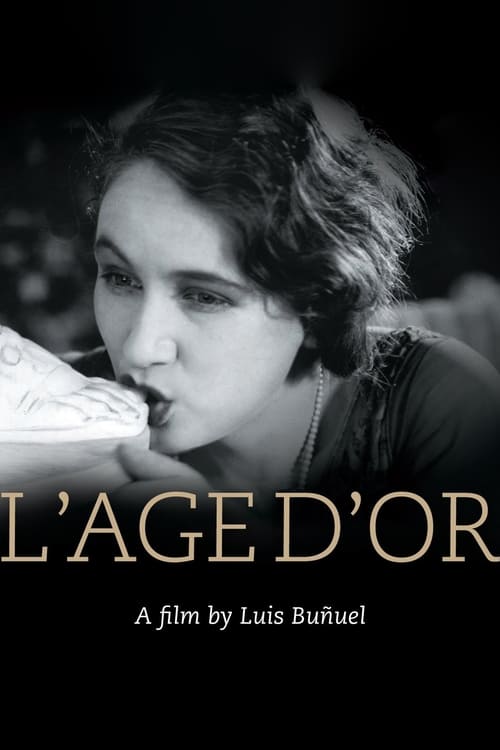
The documentary's contention that Jodorowsky's early films inspired riots could be cribbed from tales from the L'age d'or/Werner Herzog oral history.
Overall Pavish presents a man that while defeated by a Hollywood system that was unwilling to take a chance on his vision, (and who can blame them considering it was the era where a film like Michael Cimino’s Heaven’s Gate brought down a studio), Jodorowsky still presents himself as a spiritual warrior, defiant in the face of defeat.
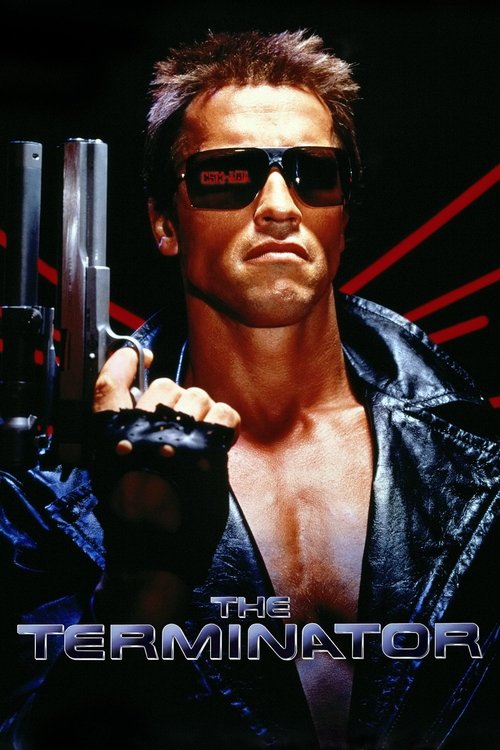
But even in death, this "Dune" lives, which is a very Jodorowsky-esque notion: The documentary makes the case that the project's DNA was absorbed by numerous subsequent works, good and bad, including "Star Wars," "Alien," "The Terminator," "Masters of the Universe" and the Dino De Laurentiis " Flash Gordon ."
One may also question the assertions by McWeeny and Farici that elements from later sci-fi films, including Star Wars, Blade Runner, The Terminator and RoboCop, were somehow directly inspired by Jodorowsky's unmade movie.
In a memorable sequence, Pavich matches material from Dune's storyboard book to iconic scenes in everything from Star Wars to The Terminator.
Pavich also makes the claim that several of Jodorowsky’s ideas influenced (if they weren’t pilfered by) iconic moments in several Hollywood sci-fi blockbusters that followed – everything from Alien’s nightmarish set designs to Star Wars’ climactic lightsaber duel to android POV shots in The Terminator to the universe-spanning tracking shot that popped up in Contact.
Pavich makes a convincing case that the character designs and storyboards were incorporated into “Alien,” on which both Giger and O’Bannon worked, unrelated sci-fi flicks such as “The Terminator” and maybe even “Star Wars.”
Pavich finds elements of Jodorowsky’s plan in Alien, Flash Gordon, Star Wars, Contact, and The Terminator, among others.
A beautiful dream, ruined, is the theme of Pavich's film and of two other movies about unfinished movies: the 1965 The Epic That Never Was, detailing Josef von Sternberg's attempt to film Robert Grave's I, Claudius with Charles Laughton as the Roman emperor, and the 2002 Lost in La Mancha, outlining Terry Gilliam's troubles with filming Don Quixote, which was to star Jean Rochefort as Quixote and Johnny Depp as Sancho Panza.
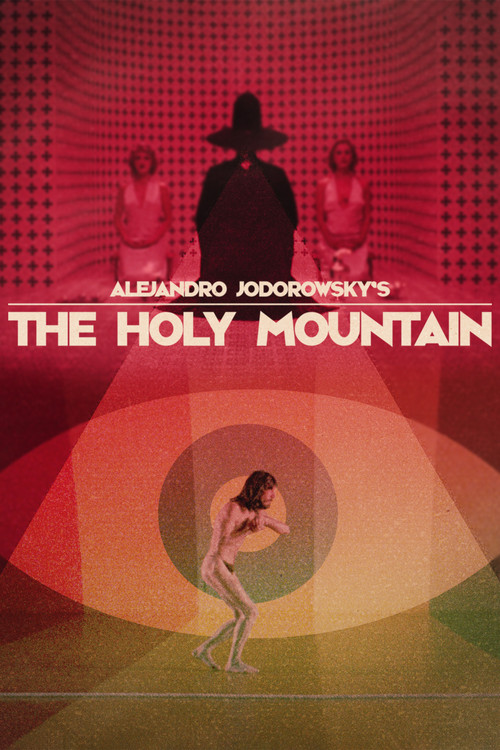
It's a wonderful and human moment from the man whose midnight-movie titles, "El Topo" and "The Holy Mountain," gave Jodorowsky a certain cache and mystique.
After almost singlehandedly inventing the midnight-movie phenomenon with “El Topo,” Jodorowsky had scored a second hit — in France, at least — with his massive head trip, “The Holy Mountain,” prompting producer Michel Seydoux to encourage whatever project the director might want to do next.
Jodorowsky admits he hadn't read Herbert's 1965 novel when he picked "Dune" as his dream project, after French producer Michel Seydoux -- an admirer of the Chilean director's visionary and violent " El Topo " (1970), the original "midnight movie," and its even more far-out follow-up, "The Holy Mountain" (1973) -- offered to back any cinematic enterprise the filmmaker might choose.
El Topo was downright linear compared with the 1973 The Holy Mountain , in which a Christlike "alchemist" played by Jodorowsky acquires apostles, one from each planet in the solar system, to renounce greed and find a new Ararat.
That may seem odd considering the source, the Chilean-born director of such hallucinatory cult classics as " El Topo " and "The Holy Mountain."
In 1975, empowered by two very profitable cult films, Chilean director Alejandro Jodorowsky (El Topo, The Holy Mountain) attempted to mount a massive, acid-laced production of Frank Herbert's sci-fi epic Dune.
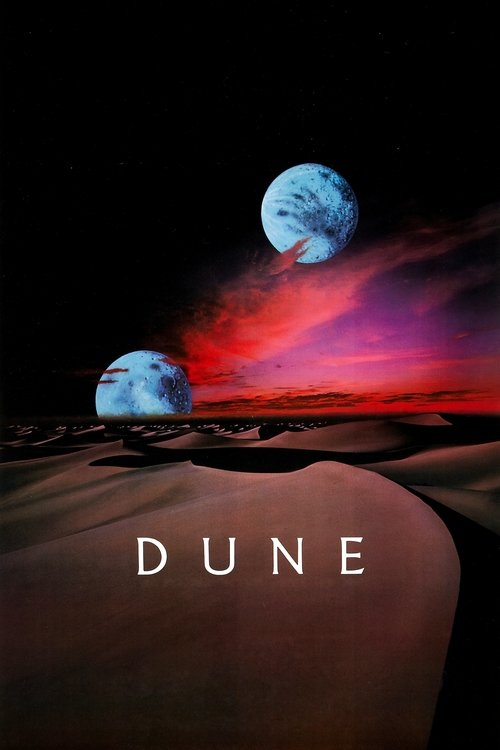
Today's moviegoers and film moguls, recalling the expensive flop that David Lynch made of Dune in 1984, might think the story unfilmable (though the Sci-Fi Channel had a hit with a nine-hour version of the Herbert trilogy in 2000 and 2003).

He was a theatrical director in Mexico during the late 1960s who went on to make a trio of surrealist films: Fando and Lis, El Topo, and The Holy Mountain.
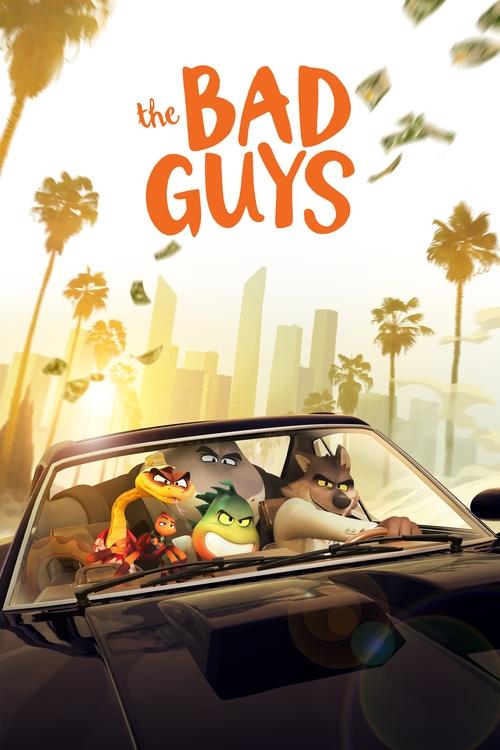
Mostly inspired by Sony's Spider-Man: Into the Spider-Verse to go in a bold and dynamic direction for the animation, the character designs in The Bad Guys are said to pay homage to Hergé ( The Adventures of Tintin ), Albert Uderzo ( Astérix ), André Franquin ( Gaston , Marsupilami ), Moebius ( Blueberry , Jodorowsky’s Dune ), and Akira Toriyama (the Dragon Ball franchise).
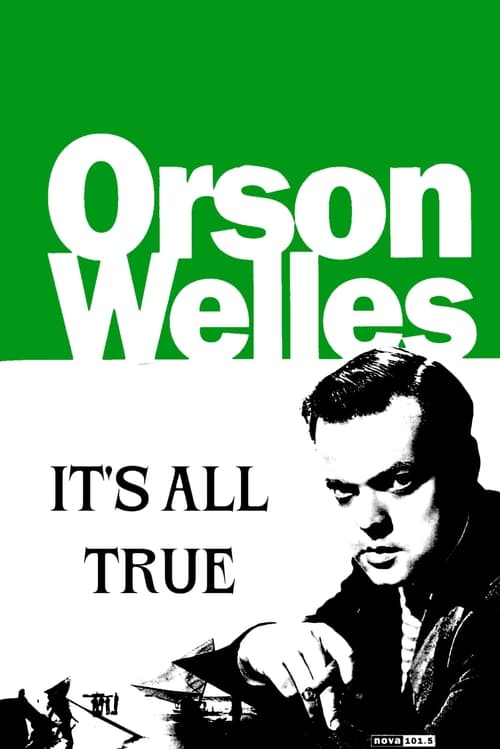
The documentary “ Jodorowsky’s Dune ” is one of those great lost-masterpiece movies, a worthy addition to a cinematic canon that includes Terry Gilliam’s “ Lost in La Mancha ,” about his failed attempt to make “ Don Quixote ,” and “ It’s All True ,” about Orson Welles’s misbegotten South America project of the same name.
This engaging picture offers a behind-the-scenes peek at a possibly megalomaniacal filmmaker employing cinema as his own grandiloquent celebration, and in that respect, it nicely aligns with 1993's It's All True, about an unfinished Welles project (a documentary about Brazilian laborers), and 2002's Lost in La Mancha, about an unfinished Terry Gilliam project (a feature film about Don Quixote).
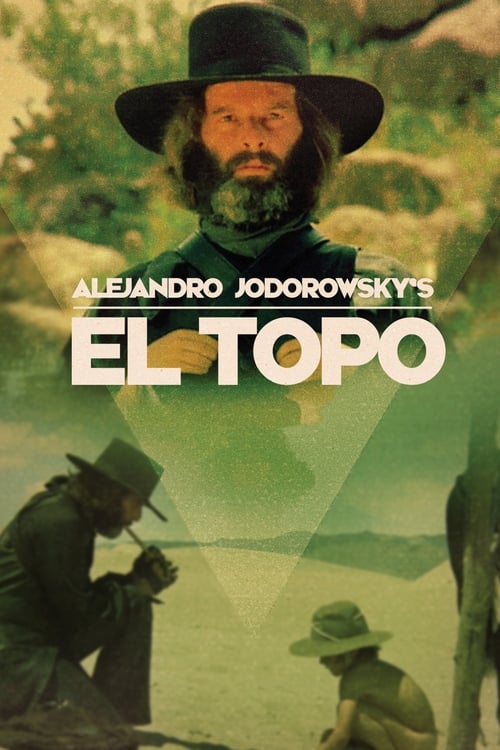
It's a wonderful and human moment from the man whose midnight-movie titles, "El Topo" and "The Holy Mountain," gave Jodorowsky a certain cache and mystique.
After almost singlehandedly inventing the midnight-movie phenomenon with “El Topo,” Jodorowsky had scored a second hit — in France, at least — with his massive head trip, “The Holy Mountain,” prompting producer Michel Seydoux to encourage whatever project the director might want to do next.
Jodorowsky admits he hadn't read Herbert's 1965 novel when he picked "Dune" as his dream project, after French producer Michel Seydoux -- an admirer of the Chilean director's visionary and violent " El Topo " (1970), the original "midnight movie," and its even more far-out follow-up, "The Holy Mountain" (1973) -- offered to back any cinematic enterprise the filmmaker might choose.
Director Frank Pavich’s “Jodorowsky’s Dune” is more than a documentary about a movie that could have been made and possibly changed cinema as we know it, but it’s also a glimpse in to an alternate reality where Alejandro Jodorowsky, director of “El Topo,” was able to make “Dune” how he wanted.
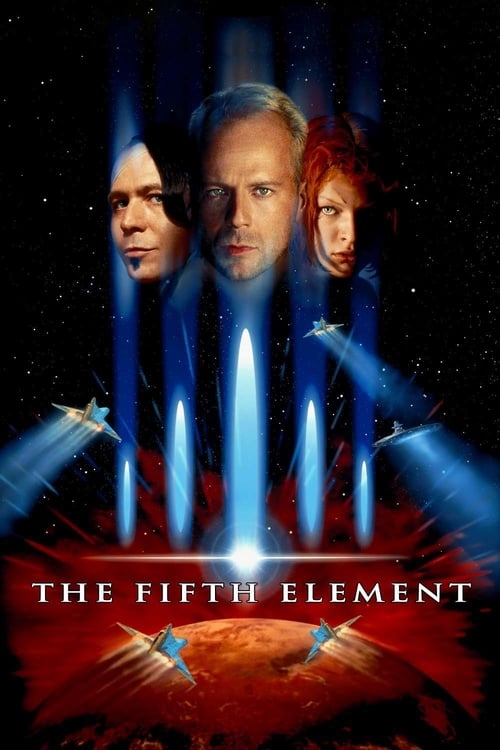
A segment on how the unmade “Dune” influenced future sci-fi cinema – O’Bannon took some of his ideas to “Alien,” and “The Fifth Element” and “Prometheus” are cited as containing Jodorowsky essence — merits deeper presentation.
Jodorowsky explains how he and Moebius recycled many of their original concepts in their long-running Incal comic-book collaborations, though no mention is made of their failed lawsuit against French auteur Luc Besson, alleging that he plagiarized their work for his 1997 film The Fifth Element.
Given the energy and talent poured into the project, and Jodorowsky's undiminished passion for it, we can almost accept, on faith if not in fact, the estimation of Hardware director Richard Stanley: "Dune is probably the greatest movie never made."
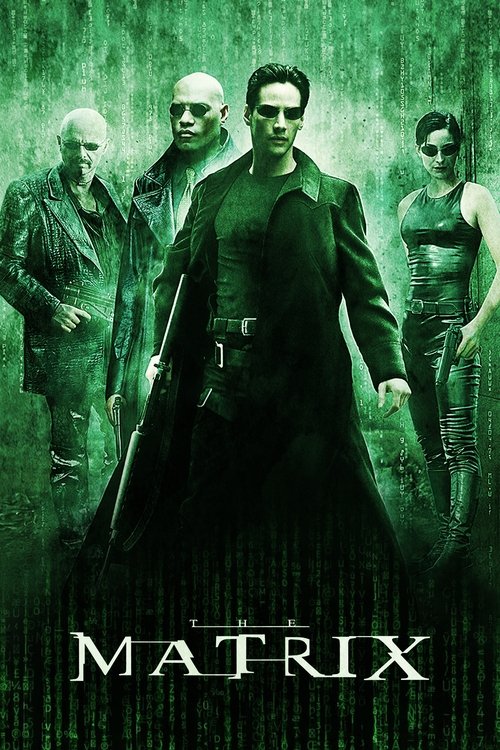
A work of jaw-dropping style and unparalleled ambition, it’s a movie that shaped the look and tone of dozens of future classics, from Alien to The Matrix.
There is a section at the end when Pavich juxtaposes images from the Dune archive with clips from an odd range of movies, including Flash Gordon, Masters of the Universe and Prometheus, The Matrix and Contact; the suggestion is that there are stylistic links between them.
The film makes an argument that, even though this Dune fell through, its images and ideas continued to resonate throughout Hollywood and inspired many other films, including Star Wars, Alien , The Matrix , etc.