
Andrzej Bartkowiak
7 connections found

View:
Connections, in both directions


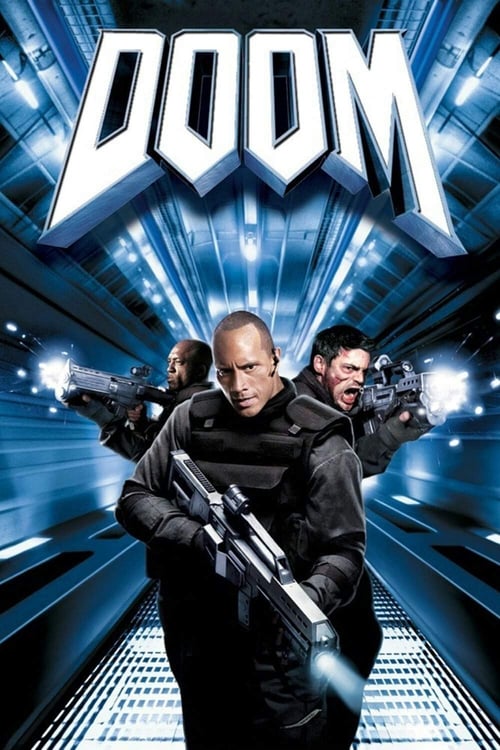
We've even seen the concept on the big screen before, in 2005's Doom, which adopted the first-person perspective for the final action sequence.
Edge of Tomorrow (2014)
Directed by Doug Liman
influenced by Street Fighter: The Legend of Chun-Li (2009), Doom (2005)
We’re past the Double Dragon days, but 2005’s Doom, 2008’s Max Payne, 2009’s Street Fighter: The Legend of Chun-Li, and the efforts of Uwe Boll have kept big-screen adaptations disreputable, even while Paul W. S. Anderson’s Resident Evil series has continued to chug along as a reliable moneymaker.
We’re past the Double Dragon days, but 2005’s Doom, 2008’s Max Payne, 2009’s Street Fighter: The Legend of Chun-Li, and the efforts of Uwe Boll have kept big-screen adaptations disreputable, even while Paul W. S. Anderson’s Resident Evil series has continued to chug along as a reliable moneymaker.
John Wick: Chapter 3 - Parabellum (2019)
Directed by Chad Stahelski
influenced by Romeo Must Die (2000)
Asia Kate Dillon from Orange is the New Black introduces an edgy dimension as the Adjudicator of the High Table deputized to step to anyone and demand payment for unsatisfied fealty via the enlisted blades and kicks of Mark Dacascos’ sadistic Zero (a long time after Romeo Must Die and his cheap theatrics on TV’s Iron Chef incarnations) and his students.
Mortal Kombat (2021)
Directed by Simon McQuoid
influenced by Street Fighter: The Legend of Chun-Li (2009), Doom (2005)
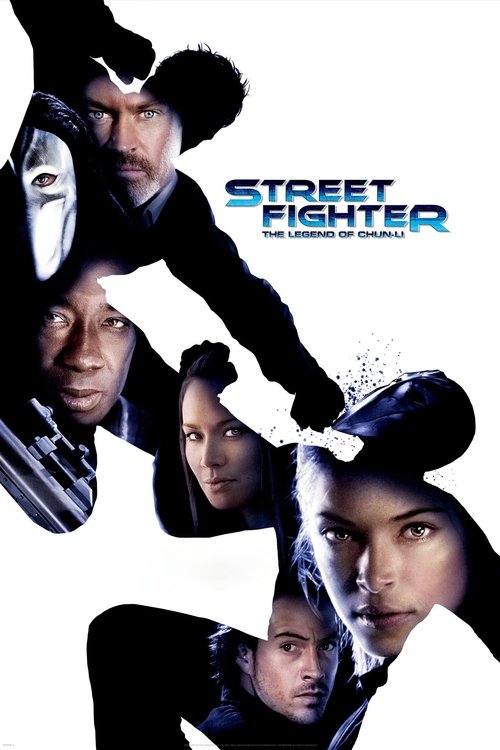
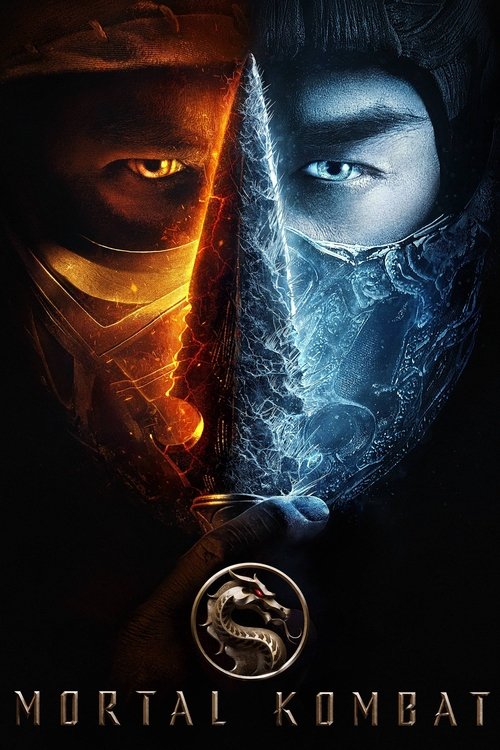
It isn’t needlessly overcomplicated like “Super Mario Bros.” or “Street Fighter: The Legend of Chun-Li,” but it still adds superfluous layers to make itself seem grander.
By far the biggest problem with the film is the script from first-time writer Greg Russo and Dave Callaham (the latter of which does have some blockbuster experience including ko-writing one videogame adaptation already, Doom) which feels a combination of amateurish to something spat out by teenagers that just discovered the F word.
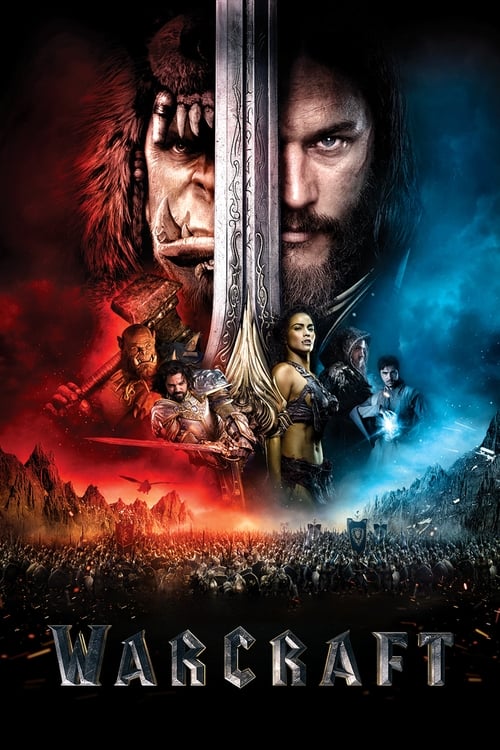
Antes tuvimos la terrible película de Super Mario Bros. (1993) –a pesar de Bob Hopkins, John Leguizamo y, claro, el gran Dennis Hopper como Koopa–, y luego vinieron los horrores imperdonables de la saga de Resident Evil (2002); babosadas sin sentido como Pixels (2015) –que, aunque no sea adaptación, se empantana en revivir viejos juegos ochenteros–; las locuras de Dead or Alive (2006); las espantosas Alone in the Dark (2005) y Farcry (2008) del pobre Uwe Boll –que quiso dirigir Warcraft pero que Blizzard, con justa razón, mandó a volar–; los horrores recientes sin alma de Angry Birds (2016) y Need for Speed (2014); las dos bazofias de Hitman (lo siento Mila Kunis); la pésima adaptación de Doom (2005) y un largo etcétera que sólo se salva, tal vez, con la visualmente impactante e innovadora Final Fantasy: The Spirits Within (2001).
The Jungle Book (2016)
Directed by Jon Favreau
influenced by Street Fighter: The Legend of Chun-Li (2009)
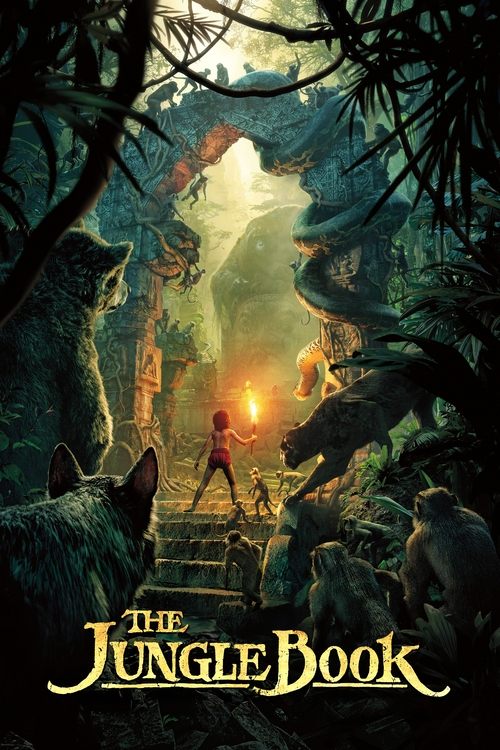
With so much to look at, Favreau and writer Justin Marks ("Street Fighter: The Legend of Chun-Li"!) are wise to keep the story simple, almost mythic.
Incluso, un gran mérito del guión de Justin Marks (Street Fighter: The Legend of Chun-Li, 2009) es que el tigre no ve al humano como un peligro contra su supremacía, sino como una amenaza contra todos los animales de la selva.
Adapting the Rudyard Kipling book while maintaining some of the lighter aspects of Disney's 1967 animation, screenwriter Justin Marks ("Street Fighter: The Legend of Chun-Li") gives us a grand adventure with real consequences built around the theme of finding one's own true nature.
The new “Jungle Book,” directed by Jon Favreau (“Elf,” “Iron Man”) and written by Justin Marks (“Street Fighter: The Legend of Chun-Li”), adds a few characters (including some from the Kipling stories), fleshes out some story elements, and fills almost every frame of its 105-minute runtime with lush, realistic-looking flora and fauna, nearly all of it computer-generated.
With Rudyard Kipling‘s book as a guide, Screenwriter Justin Marks (showing vast improvement from his Street Fighter: The Legend of Chun-Li days) wisely didn’t feel the need to reinvent a classic.
A grand adventure featuring anthropomorphic animals and a lot of heart, the book was a personal work for the authorone which director Jon Favreau (2014's " Chef ") and screenwriter Justin Marks (a long way from 2009's " Street Fighter: The Legend of Chun-Li ") have lovingly conceived for the screen.
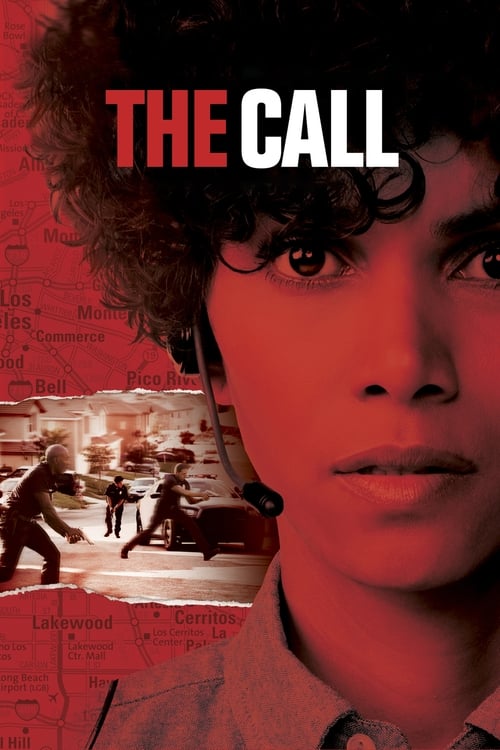
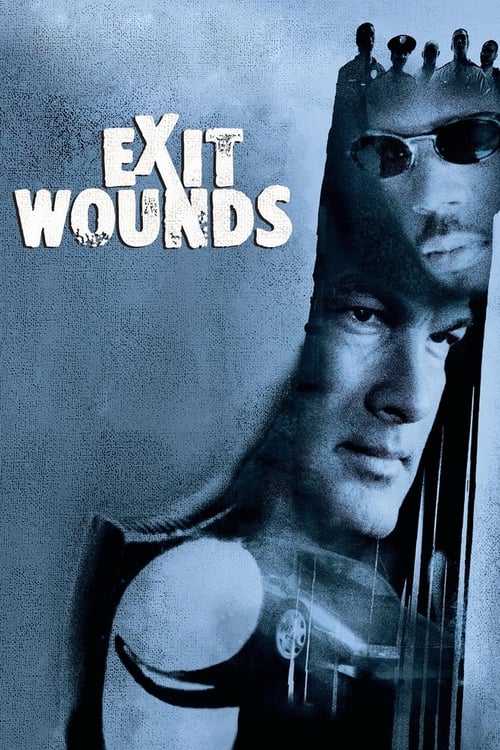
Oddly, as the screenplay — by Richard D'Ovidio, whose last credit was for the Steven Seagal/DMX vehicle "Exit Wounds" (2001) — gets dumber, the movie gets better, or at least more confident.
While the progression of the story is definitely predictable and overly familiar, Anderson and screenplay writer Richard D’Ovidio (Thir13en Ghosts, Exit Wounds) come up with enough ways to stage each episodic rescue attempt and near-save with an exciting and visceral precision that is hard not to respond to.
The script by Richard D'Ovidio, who hasn't written a movie since "Thirteen Ghosts" and the Steven Seagal/DMX joint "Exit Wounds" in 2001, also largely resists the gruesomeness and vile revenge favored in related genre efforts like "Taken."
Shocking, I know, to think the writer of Thir13en Ghosts and the Steven Seagal "classic" Exit Wounds may not have been up to the task of crafting a fully realized narrative.
That’s not much of a surprise considering the script was written by the same guy behind such cinematic turds as “Thir13en Ghosts” and “Exit Wounds,” but no one could have guessed that the villain would be such a ridiculously over-the-top Norman Bates clone whose most developed character trait is his love of early ’80s pop music.