
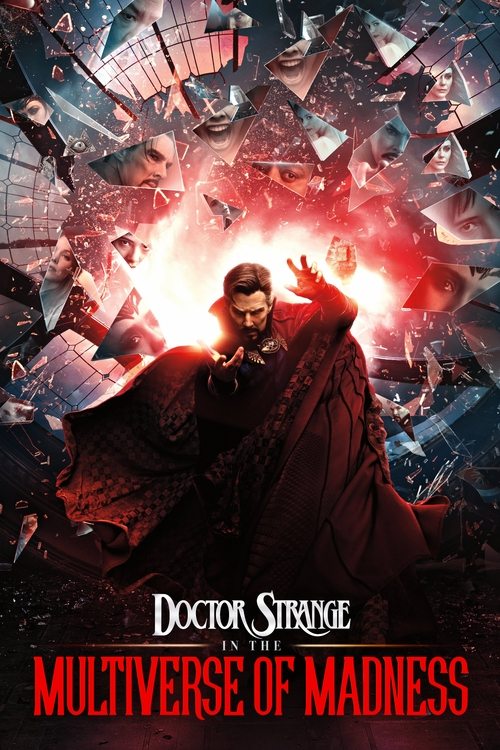
Doctor Strange in the Multiverse of Madness (2022)
Directed by Sam Raimi
Doctor Strange, with the help of mystical allies both old and new, traverses the mind-bending and dangerous alternate realities of the Multiverse to confront a mysterious new adversary.
11 connections found
View:
11 films that influenced this film
What critics say influenced Doctor Strange in the Multiverse of Madness
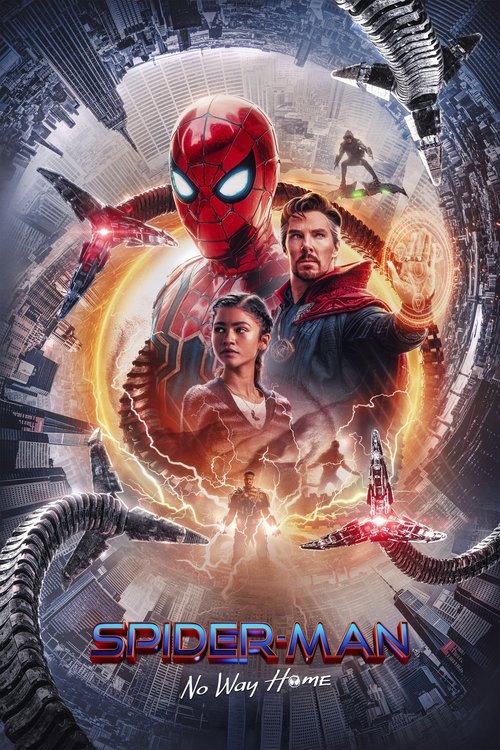


Bearing in mind the massively successful undertaking of Sony’s Spider-Man: No Way Home when it comes to including characters across three separate film franchises, narratively explained as variants of the same character across a multiverse of realities, Doctor Strange in the Multiverse of Madness ups the ante by pitting Benedict Cumberbatch’s Strange across a mix of multiverse realities, even if the combined weight of all of these fan service crumbles from its own desire to be self-serving and smart at the same time.
Thanks to Spider-Man: No Way Home , we now also need to recall the other Marvel movies that don't come in the MCU canon.
After last year’s Spider-Man: No Way Home, which used multiverse concepts to bring an all-star team of former Spider-men, as well as their antagonists, into a single movie, Multiverse of Madness jungles multiple universes as well.
After the blockbuster success of 2021’s “Spider-Man: No Way Home,” which had three different versions of Spider-Man interacting with each other in the same movie, there’s no point in being coy about what “multiverse” means if it’s part of a Marvel story.
That’s right Doctor Strange is back after the events of Spider-Man: No Way Home where he brushed with the concept of the Multiverse.
Following the events of “Spider-Man: No Way Home,” “Loki,” and “WandaVision,” the film puts Doctor Stephen Strange (Benedict Cumberbatch) back in the spotlight with his own cinematic vehicle.
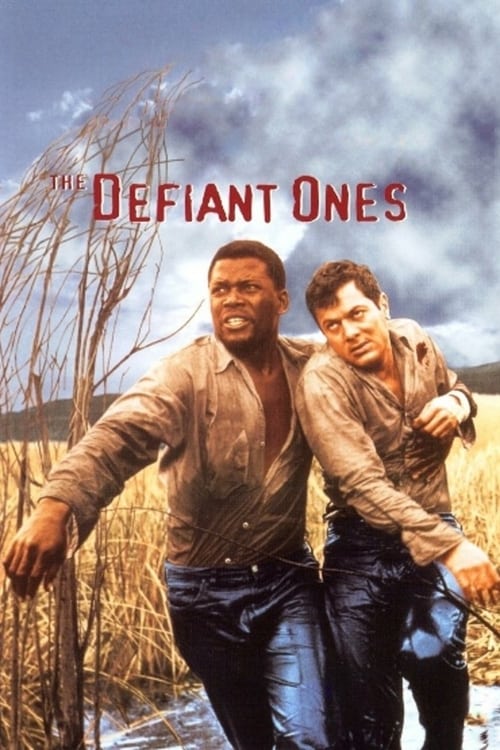
In this film, “Doctor Strange in the Multiverse of Madness,” Strange and Mordo will have a “The Defiant Ones” moment (Tony Curtis and Sidney Poitier 1958 film).
Without this previous knowledge, Doctor Strange in the Multiverse of Madness still remains a well-crafted film with impressive cinematography (John Mathieson, of Gladiator ) and production design (Charles Wood, of Avengers: Endgame ) as well as an incredible score (Danny Elfman, of The Nightmare Before Christmas ), but that gives us no time to warm up to any of its characters nor truly understand their motivations, as so much happens in it and most conflicts are immediately resolved to leave room for the ones to come.
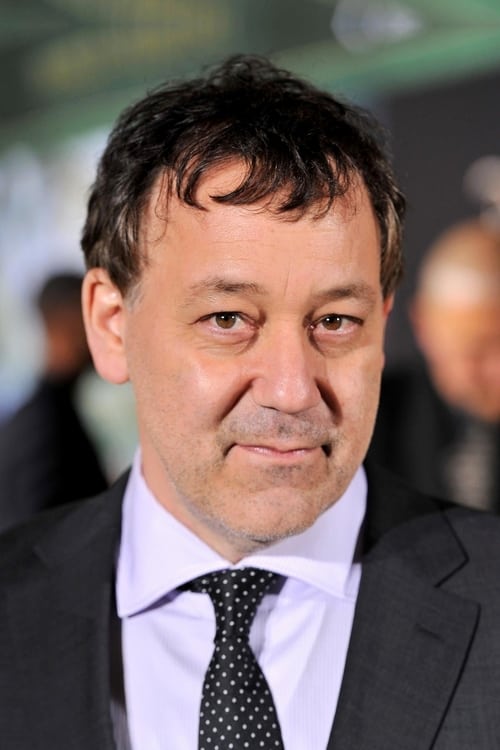
Director
Sam Raimi
Critics compare Doctor Strange in the Multiverse of Madness to 6 of Raimi’s own films.
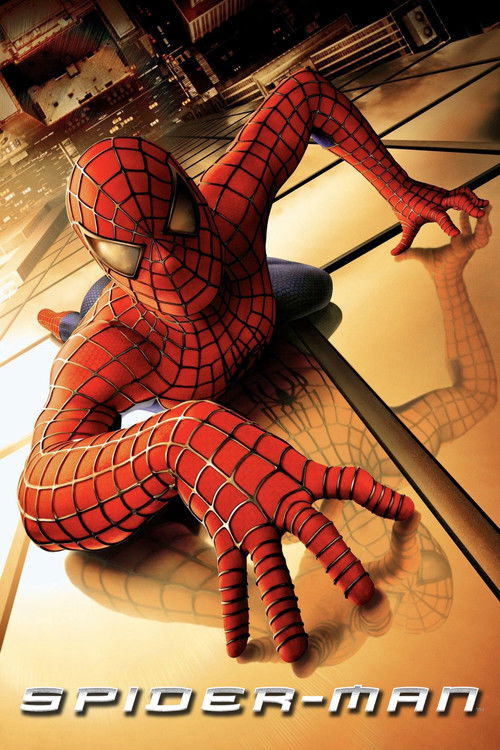
Bearing in mind the massively successful undertaking of Sony’s Spider-Man: No Way Home when it comes to including characters across three separate film franchises, narratively explained as variants of the same character across a multiverse of realities, Doctor Strange in the Multiverse of Madness ups the ante by pitting Benedict Cumberbatch’s Strange across a mix of multiverse realities, even if the combined weight of all of these fan service crumbles from its own desire to be self-serving and smart at the same time.
Possibly the finest examples of these qualities are the first two Spider-Man films from Sam Raimi; the third in that trilogy remains a stark reminder of how difficult a balancing act that is to pull off repeatedly, even with a big name at the helm.
Hard to fathom it’s been 20 years since Sam Raimi redefined the modern day stigma around superhero films with 2002’s “Spider-Man.”
In many ways, director Sam Raimi is the godfather of the modern superhero movie, ushering in a new era of blockbuster filmmaking with 2002’s Spider-Man .
Twenty years ago this week, Sam Raimi reconfigured the role of the modern superhero movie with his seminal Spider-Man , paving the way for what would eventually amount to two decades of wonder, CG excess and audience fatigue.
There’s no question: Sam Raimi’s original Spider-Man trilogy laid the groundwork for what is now the unstoppable Marvel Cinematic Universe.
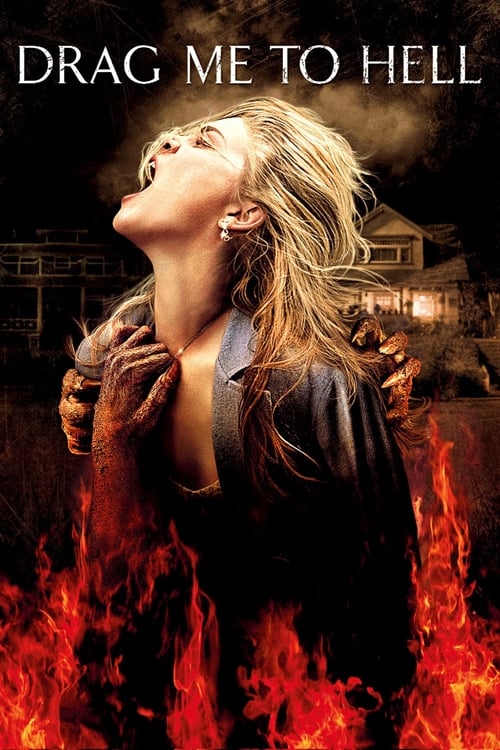
“Multiverse of Madness” solidifies Marvel Studios ability to pull off a bait and switch in the director’s chair and come out the other side, several nods and crazy references to Raimi’s filmography (including, yes, “Drag Me To Hell”) give it a substantial leg-up on the Marvel competition.
There is a ton of homage to Evil Dead and Drag Me to Hell buried within the film.
You would be surprised to see how he manages to echo his previous horror work here, be it his Evil Dead movies or his underrated Drag Me to Hell .
Sam Raimi (“The Evil Dead”/”Drag Me to Hell”), the master of campy scares and great filmmaker of the Spider-Man trilogy in the early 2000s, directs in a zany, geeky and gory manner this over-bloated but inventive big-budget MCU film.
I actually expected Raimi to go all-out, Drag Me to Hell-kind of horror mode in terms of the execution since the aforementioned 2009 film also happened to be rated PG-13.
His third Spider-Man flailed under the weight of raised expectations and an overstuffed plot, though the relatively low-budget Drag Me to Hell appeared to revive his spirits before Oz the Great and Powerful signaled a shift to more anonymous filmmaking.
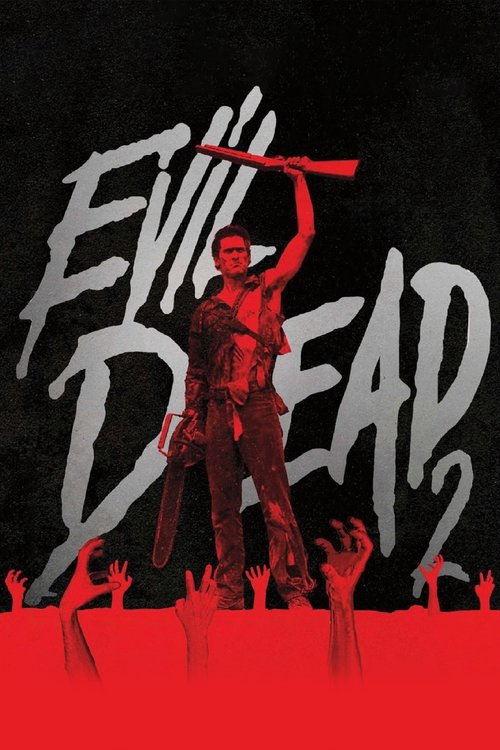
He appears as a pizza vendor cursed by Doctor Strange who punches and slaps himself and rams his head into his pizza cart, reminiscent of his wonderfully zany performance in “Evil Dead II.” Towards the end of the movie, when Strange is fighting the Scarlet Witch, he calls on a small army of the dead who take up residence in dizzying amounts of ghostly skeletons, paying homage to Raimi’s entire Evil Dead series.
The good news is, Marvel boss Kevin Feige wasn’t kidding about having Raimi on board for Doctor Strange in the Multiverse of Madness would be something “ that will make fans of Evil Dead II very happy .”
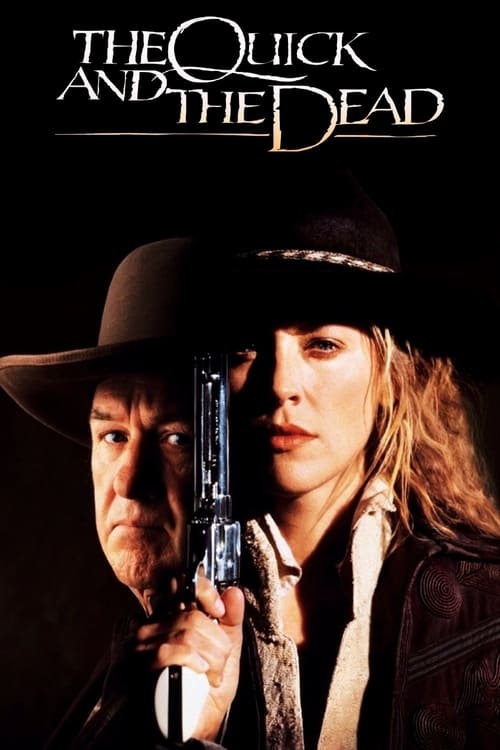
Raimi enlivened the 1980s by helming a trio of energetic, low-budget genre pictures before his peak period in the 90s with the wildly entertaining Darkman, Army of Darkness and The Quick and the Dead, followed by the masterfully controlled A Simple Plan.
Fans of the insanity of “Army of Darkness” and “The Quick and the Dead” will love these unexpected dashes of Raimi goodness in their MCU movie but may be annoyed by the retreats into Marvel’s formula.
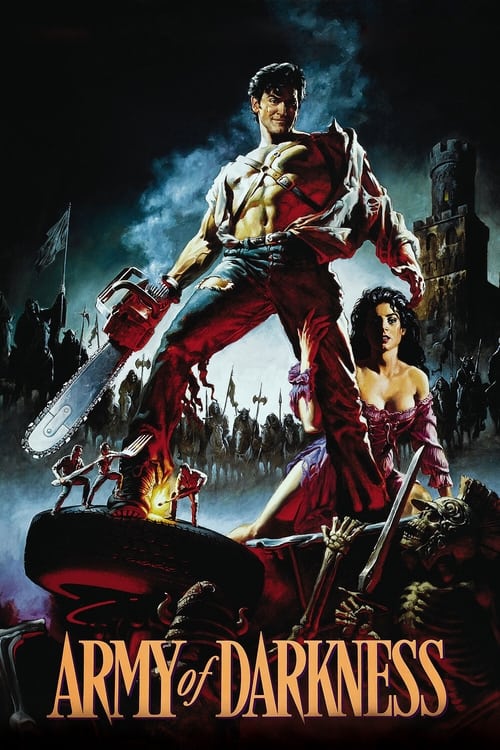
You see in this film his signatures from the iconic Spider-Man trilogy, you see Sam Raimi, Horror Director and you see a lot of his campy nature as well, all the way to some creatures that look like they were torn from Army of Darkness.
Iconic horror director Sam Raimi ( Evil Dead and Army of Darkness ) lets his strong horror instincts come out in full force.
And as the helmer of beloved camp horror classics like Evil Dead and Army of Darkness , Raimi seemed like a perfect candidate to steer the MCU’s master of the mystic arts into unknown and frightening territory.
Some viewers may argue that parts of the film come off as too silly or crude , except it’s not that different from Raimi’s unapologetic taste seen in films like Army of Darkness .
Raimi enlivened the 1980s by helming a trio of energetic, low-budget genre pictures before his peak period in the 90s with the wildly entertaining Darkman, Army of Darkness and The Quick and the Dead, followed by the masterfully controlled A Simple Plan.
Fans of the insanity of “Army of Darkness” and “The Quick and the Dead” will love these unexpected dashes of Raimi goodness in their MCU movie but may be annoyed by the retreats into Marvel’s formula.
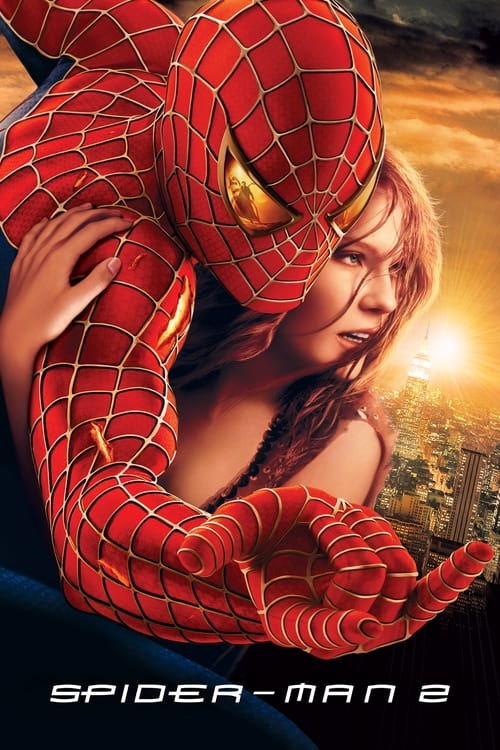
Famed composer Danny Elfman makes his comeback to Marvel for the first time since working with Raimi on Spider-Man 2 and 3. His themes are always recognizable and, for this movie, add a tone that is different from every project to exist within the MCU and, frankly, it is a requirement to tell the audience that what they are watching is different than any MCU movie they have seen before.
Not only is it the film’s first big action sequence, but you can see a lot of Doctor Octopus and Spider-Man 2 influences as Gargantos destroys skyscrapers and gets his tentacles chopped off.
Best known for his Evil Dead series and creating the best pre-Marvel Studios Marvel film in Spider-Man 2 , Raimi is given a bonkers script of reality-bending, multiverse-jumping, craziness by Michael Waldron that, like much of Phase Four, takes us somewhere unexpected while allowing for more of an Evil Dead Raimi than a Spider-Man 2 Raimi movie (he even brings Bruce Campbell along for the ride).
For those unaware, he’s not only proven himself in his ability to translate page to screen via two of the most beloved comic book movies in modern cbm history — Spider-Man (2002) and Spider-Man 2 (2004) — but the bulk of his career has been spent making horror films with an action bend.
But those pictures, most notably 2004’s phenomenal Spider-Man 2 , had personality.
While I was very much excited for the promise of the many cameos (more on this later), I was even more excited to see if Raimi can deliver something on the same excellence as Spider-Man 2 with Doctor Strange 2 .
Advertisement
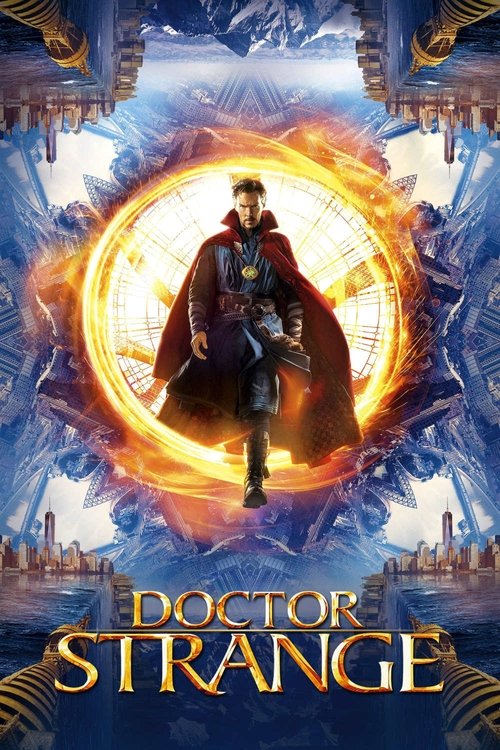
Nonetheless, “Multiverse of Madness” feels like two movies cobbled together and considering original “Doctor Strange” helmer Scott Derrickson (a horror filmmaker himself) left the project over creative differences, that checks out.
Doctor Strange in the Multiverse of Madness is ostensibly a sequel to 2016’s Doctor Strange .
A direct sequel to 2016’s Doctor Strange , Doctor Strange in the Multiverse of Madness is a strong reminder of how massive the world-building for Disney’s most successful franchise has been, combining a selection of inter-related films starring a variety of characters, storytelling elements that run across three studios and more recently, a TV streaming service telling smaller but otherwise still connected stories on the goggle box.
It all started when the Ancient One (Tilda Swinton) taught us about the multiverse in Doctor Strange .
Doctor Strange back in 2016 was a visually appealing film, but it did fall a bit too comfortably into the Marvel Studio formula.
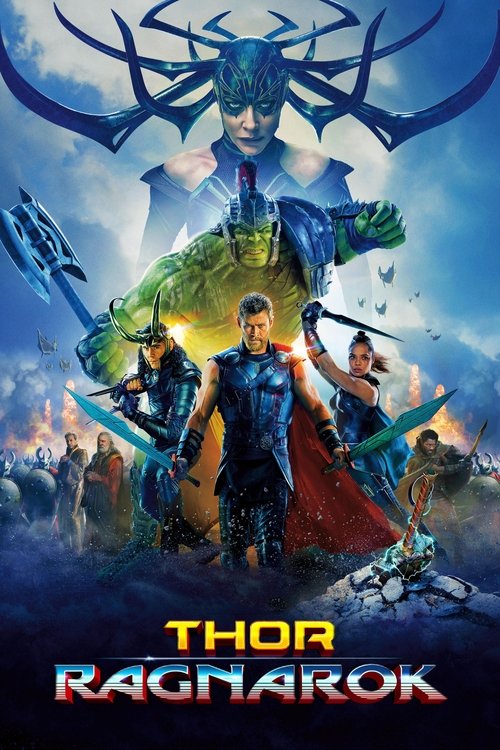
Think of it in the same vein as Taika Waiti’s Thor: Ragnarok .
Yet, just like Thor: Ragnarok (2017) breathed new life into the MCU by offering a Marvel story through the specific lens of director Taika Waititi, so does Doctor Strange in the Multiverse of Madness , the 28th entry, via renowned director Sam Raimi ( Spider-Man ; Evil Dead ).
Unlike Thor: Ragnarok which was arguably as much a Hulk film as a Thor film, Multiverse of Madness is decidedly a Doctor Strange film.
To some extent this felt like the difference between the first Thor and Thor: Ragnarok .
However, after the turn and the attack, they decide to isolate her for most of the film, like what happened with Hela in Thor: Ragnarok .
As far as Raimi’s contribution goes, I’ve always said that Thor: Ragnarok felt like 70% unleashed Taika Waititi and 30% MCU movie making by committee.