
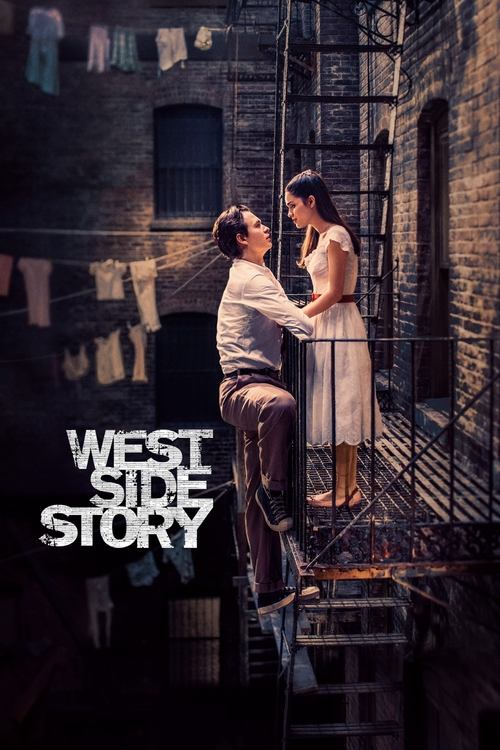
West Side Story (2021)
Directed by Steven Spielberg
Two youngsters from rival New York City gangs fall in love, but tensions between their respective friends build toward tragedy.
5 connections found
View:
5 films that influenced West Side Story
What critics say influenced West Side Story
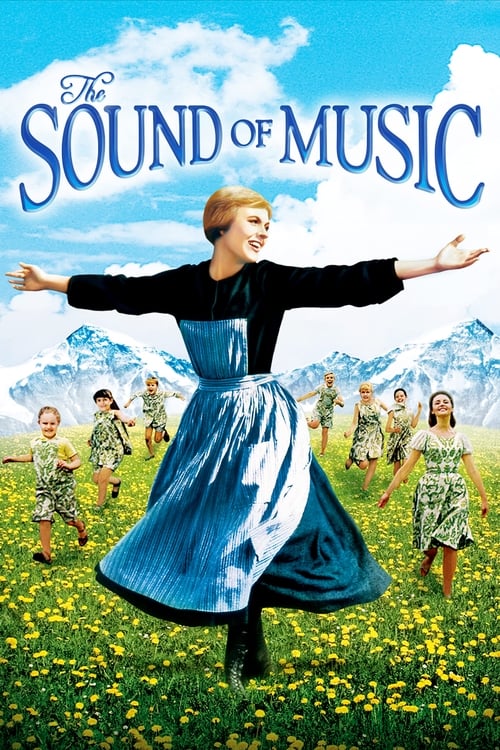


He took us from the heel of the island, over the Empire State Building, and down to terra firma—an opening that Wise would echo, four years later, in “The Sound of Music.”
In there upper echelon of great American musicals alongside classics like Singin’ in the Rain and The Sound of Music , Jerome Robbins and Robert Wise’s original 1961 film West Side Story is widely considered one of the best movie musicals of all time: a modern, urban reimagining of Romeo and Juliet propelled to greatness with music by Leonard Bernstein, lyrics by the late Stephen Sondheim, and stunning choreography from Robbins.
If you've seen the movie Robert Wise ("The Sound of Music") and Jerome Robbins directed, you know where it's going.
Wise was a Hollywood veteran who had been nominated for an Oscar for editing Citizen Kane , and who would later direct everything from The Sound of Music to Star Trek: The Motion Picture .
Wise edited “Citizen Kane” for Orson Welles and directed sci-fi masterpieces like “The Day The Earth Stood Still” and horror gems like “The Haunting” between his Best Picture-winning musicals “West Side Story” and “The Sound of Music.”
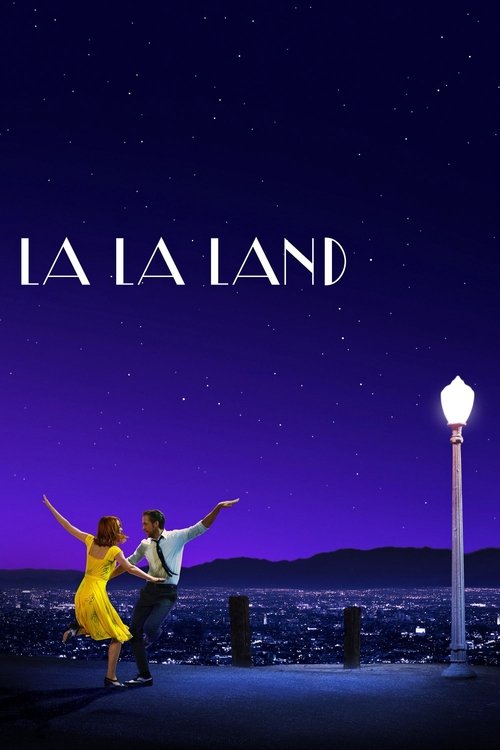
While Damien Chazelle’s La La Land was a slight and charming nod to the genre’s golden age, Lin-Manuel Miranda has since weighed in with film versions of Hamilton , In The Heights and Tick, Tick…Boom!
December 14, 2021 – There has been an attempt to revive movie musicals in recent years, with passable musical movies like “La La Land,” (2016) “Les Misérables” (2012) and “Sing Street” (2016).
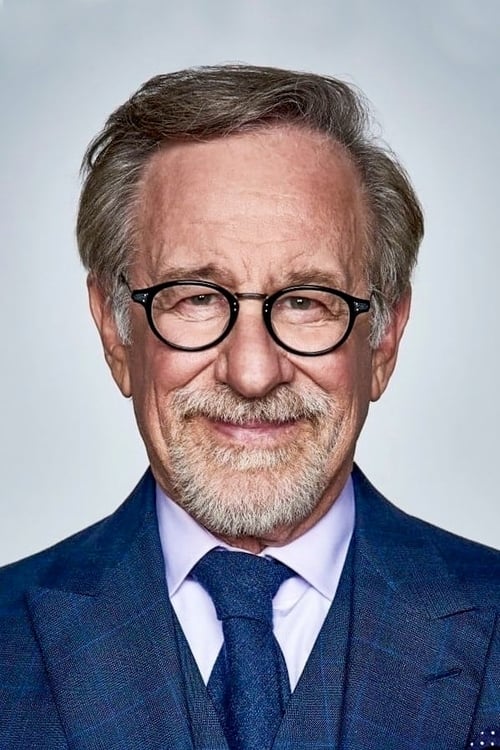

His take on “The Color Purple” was so theatrical that it inspired a great Broadway show, his “Catch Me if You Can” so melodic that it inspired a bad one, and his “Jurassic Park” so genetically linked to its John Williams score that it provided theme music for an entire geologic period.
"Lincoln" was a highly celebrated film in 2012, but "West Side Story" is the first time since the early 2000s that a Spielberg picture has a true personality or pulse on the screen (the criminally underrated "Catch Me If You Can" is the reference point here).
Aside from the occasional “Indiana Jones and the Kingdom of the Crystal Skull” blemish, Spielberg has stood at the forefront of cinematic ingenuity, from “ET,” “Jaws” and later works “Catch Me If You Can” and “Reader Player One,” he’s one of, if not, the best living filmmaker today.
Anyone who has marveled at the opening title sequence in Indiana Jones and the Temple of Doom or signature moments from pictures as divergent as 1941 , Always , Hook and Catch Me If You Can already knows he has the chops for it.

Spielberg regular DP Janusz Kaminski (“Bridge of Spies”) combines realism with an edge of pop and bursts of color.
This has always been a major theme in Spielberg’s films – from a spaceship communicating with humanity through music in Close Encounters of the Third Kind, or political machinations and veiled threats in Bridge of Spies as two countries who desperately need to communicate which each other for their own benefit, even if their governments refuse to allow it.
He’s responsible for the desaturated look of such films as Schindler’s List , Saving Private Ryan , War of the Worlds , and Bridge of Spies — dramas and thrillers well-noted for their visual immediacy — and he’s an incredibly poor fit for a tale like this.
Included among them are longtime collaborators such production designer Adam Stockhausen (“Bridge of Spies”), editor Michael Kahn (“Saving Private Ryan,” “The Post”) and, last but not least, director of photography Janusz Kaminski (“Saving Private Ryan,” “The Post”), whose work here is next-level.
Spielberg is an aesthetic re-constructivist, a tic that’s even outpaced certain films of his just this past decade (like, say, The Post ) — story can be dispensed with fast and loose, but the formal building blocks of each and every scene, in their temporal specificity and thematic import, hints at a nagging perfectionism, like the IP-binge of Ready Player One or the East-West divide of Berlin in Bridge of Spies , both projects which have their detractors and champions alike (both are strong works).
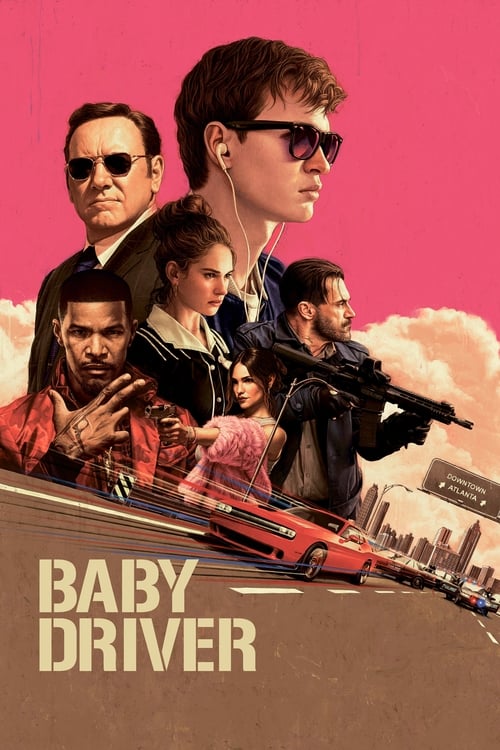
And yet, the Baby Driver star doesn't match the level of this ensemble of lesser-knowns.
Still, Elgort’s gawky mediocrity, which diminished other mostly good movies like Baby Driver and The Fault in Our Stars , isn’t so great a distance removed from Richard Beymer’s miscasting in the same role in 1961, and his Maria is a marked improvement on Natalie Wood.
Baby Driver 's Ansel Elgort plays Jet co-founder Tony, who is trying the straight and narrow on for size after a spell in prison, while newcomer Rachel Zegler is the object of his amour, María, the sister of Sharks boss Bernardo (David Alvarez).
While Spielberg’s new version gets the casting of Maria and the Sharks right, it fails miserably by putting “Baby Driver” star Ansel Elgort in the role of Tony.
Ansel Elgort of “Baby Driver” fame has been getting the less enthusiastic notices, yet he fits Tony efficiently, with a look and voice that feel taken straight out of the era.
Alas, they do not: Elgort, usually stiff in movies ranging from the "Divergent" series to "Baby Driver," loosens up a bit here, but newcomer Zegler feels like his kid sister, not his love interest.