

Ida (2013)
Directed by Paweł Pawlikowski
In 1960s Poland, young novitiate Anna is on the verge of taking her vows when she discovers a family secret dating back to the years of the German occupation.
22 connections found
View:
22 films that influenced Ida
What critics say influenced Ida
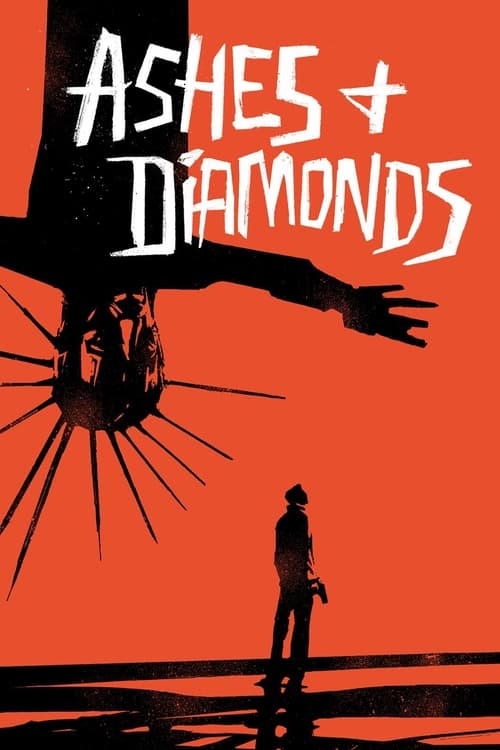


These love scenes occur in a provincial hotel like the one in Andrzej Wajda’s Ashes and Diamonds.
There are echoes of Andrzej Wajda’s Ashes and Diamonds (1958) and Janusz Morgenstern’s Goodbye, Until Tomorrow (1961), both of which starred Cybulski, as well as Jerzy Kawalerowicz’s Mother Joan of the Angels (1961), and although none of these luminously monochromatic movies used the boxy 4:3 aspect ratio that Pawlikowski employs; neither would they have discussed the fate suffered by Jews during the German occupation so vividly or evoked the shabbiness of the Communist regime as straightforwardly.
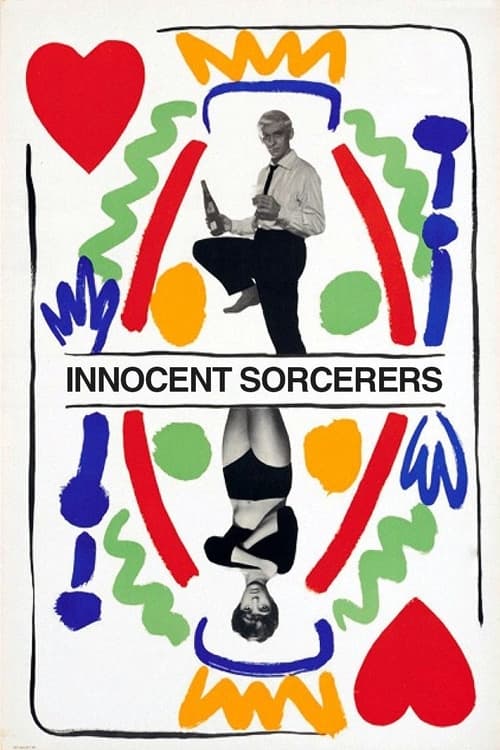
Set in the Poland of 1962 and composed of austerely gorgeous black and white images, Pawel Pawlikowski ’s "Ida" could fit right into the "Masterpieces" series, evoking as it does films ranging from Andrzej Wajda ’s "Innocent Sorcerers" to Jerzy Kawalerowicz’s "Mother Joan of the Angels" (both 1960).
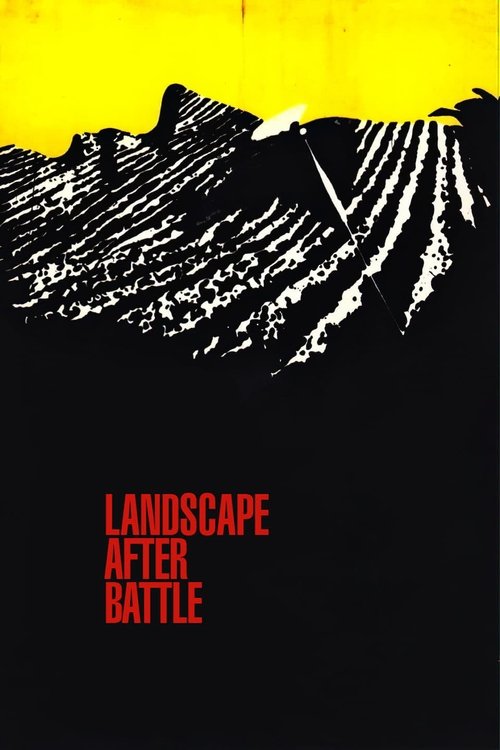
The gorgeous black-and-white cinematography resonates to Polish master Andrzej Wajda’s treatment of similar subjects—the post-Holocaust Landscape After Battle (1970) and Man of Marble’s (1977) rebuke of Communist heroes—but with even more poetic lyricism besides the poignant social realism.
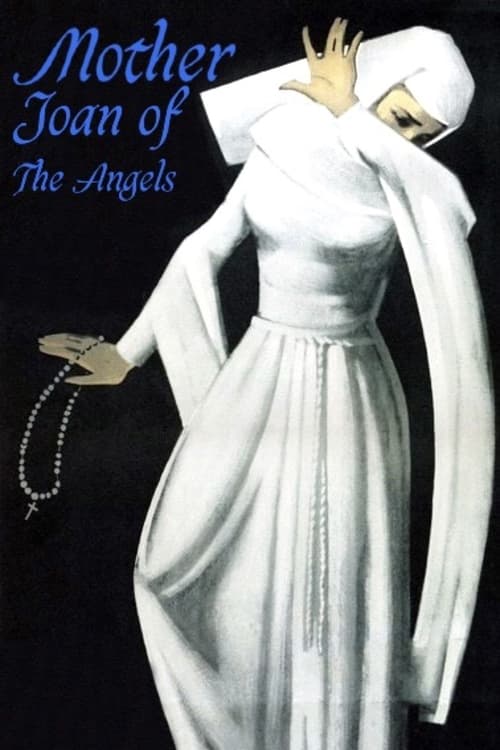
Set in the Poland of 1962 and composed of austerely gorgeous black and white images, Pawel Pawlikowski ’s "Ida" could fit right into the "Masterpieces" series, evoking as it does films ranging from Andrzej Wajda ’s "Innocent Sorcerers" to Jerzy Kawalerowicz’s "Mother Joan of the Angels" (both 1960).
There are echoes of Andrzej Wajda’s Ashes and Diamonds (1958) and Janusz Morgenstern’s Goodbye, Until Tomorrow (1961), both of which starred Cybulski, as well as Jerzy Kawalerowicz’s Mother Joan of the Angels (1961), and although none of these luminously monochromatic movies used the boxy 4:3 aspect ratio that Pawlikowski employs; neither would they have discussed the fate suffered by Jews during the German occupation so vividly or evoked the shabbiness of the Communist regime as straightforwardly.
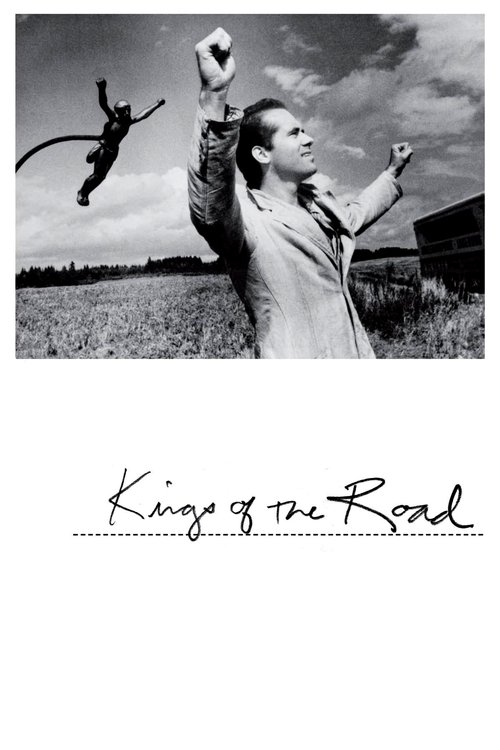
It’s a film of moments, observations and moods, with a lyrical unfolding that recalls such atmospheric monochrome road movies as Wim Wenders ’ "Kings of the Road."

Nobody who knows Claude Lanzmann’s “Shoah” can forget the sequences filmed in Poland, some of them near former extermination camps.
“If you could lick my heart it would poison you,” an aged Polish Jewish partisan tells Claude Lanzmann near the end of Shoah .
Advertisement
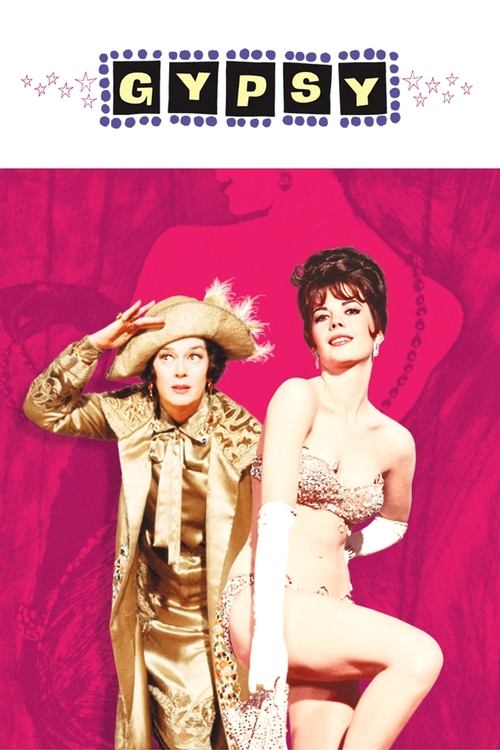
In the context of a story about a virginal, silent novice, this is practically the equivalent of Natalie Wood’s Louise in Gypsy first stepping out to sing “Let Me Entertain You.”
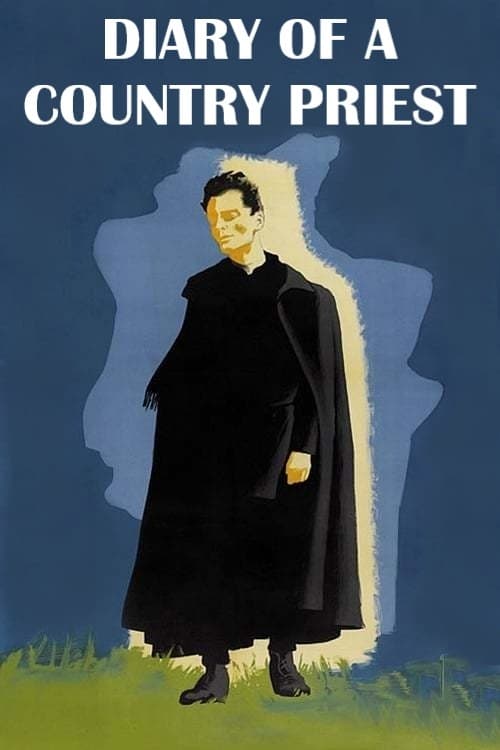
The relationship between the two is worthy of the Bresson of Diary of a Country Priest, and far more intense than the simple plot outline of what is only an eighty-minute film.
I almost expected to see the donkey from Au Hasard Balthazar wandering about in the background.
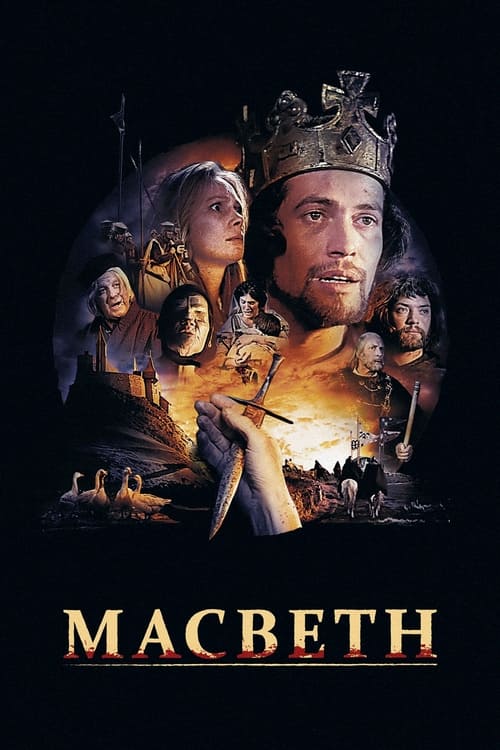
But there’s also a pervasive, underlying layer of personal hardship and struggle: It doesn’t feel like a stretch to place Ida alongside, say, Roman Polanski’s Macbeth and Elem Klimov’s Come and See, films haunted by the loss of a spouse and a subsequent darkening in the filmmaker’s view of the worldview.

It’s in hotel lounges and jazz cellars that Ida hits a vein of melancholy cool—in low-vaulted bars where a torch singer (Joanna Kulig from Elles and The Woman in the Fifth) silkily croons, and where a dashing alto saxophonist (Dawid Ogrodnik, bringing a dash of Fifties Polish icon Zbigniew Cybulski) touches on a secular nerve in Anna.
Advertisement

Pawlikowski ( Last Resort , My Summer of Love ), coyly illustrates the situation with an opening scene involving a statue of Jesus that plays like a sanctified version of Fellini’s famous start to La Dolce Vita .

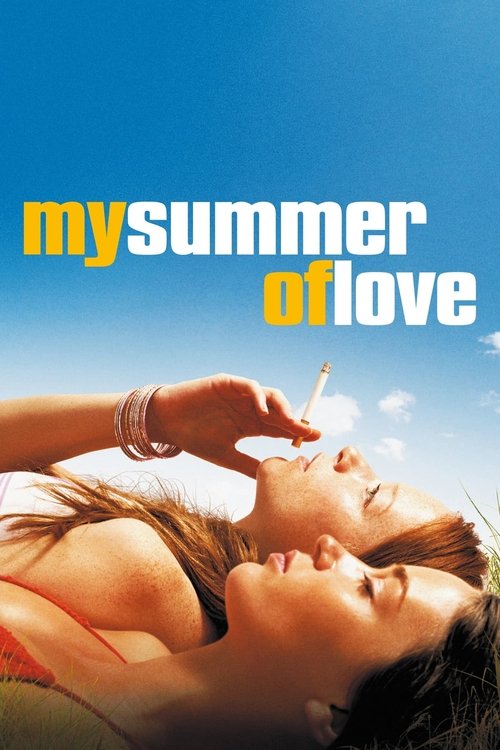
Pawlikowski (Last Resort and My Summer of Love) tells the story of Ida, an 18-year-old novitiate at an austere Polish convent.
He has won many awards for two early features, “ Last Resort ” (2000), and “My Summer of Love” (2004, starring Emily Blunt and Natalie Press).
Filmmaker Pawel Pawlikowski (“Last Resort,” “My Summer of Love”), who has been based in Britain, returns to his native Poland for this of blend of road tale, detective story, and coming-of-age drama, shot in period-evoking black-and-white.
Pawlikowski's output has been uneven, a recent misfire being "The Woman in the Fifth," though earlier he showcased a youthful Emily Blunt to great effect in "My Summer of Love."
The 1960s-set film from Polish director/co-writer Pawel Pawlikowski (“My Summer of Love”) watches as Anna (Agata Trzebuchowska) meets her only living relative, Aunt Wanda (Agata Kulesza), just prior to taking her vows as a nun.
After finding success with British films such as "Last Resort" and "My Summer of Love," Polish-born director Pawel Pawlikowski returns to his homeland with "Ida," which is just as austere and demanding as you'd expect a black-and-white film about a Polish nun to be.

Pawlikowski (Last Resort and My Summer of Love) tells the story of Ida, an 18-year-old novitiate at an austere Polish convent.
He has won many awards for two early features, “ Last Resort ” (2000), and “My Summer of Love” (2004, starring Emily Blunt and Natalie Press).
Filmmaker Pawel Pawlikowski (“Last Resort,” “My Summer of Love”), who has been based in Britain, returns to his native Poland for this of blend of road tale, detective story, and coming-of-age drama, shot in period-evoking black-and-white.
After finding success with British films such as "Last Resort" and "My Summer of Love," Polish-born director Pawel Pawlikowski returns to his homeland with "Ida," which is just as austere and demanding as you'd expect a black-and-white film about a Polish nun to be.
Born in Poland and educated in England, writer/director Pawel Pawlikowski (“My Summer of Love,” “Last Resort,” “The Woman in the Fifth”) tells a touching, personal story of spiritual identity, set against the Holocaust, the Stalinist period and its continuing after-effects.
Director Pawlikowski (“Last Resort,” “My Summer of Love”) works closely with Agata Kulesza and Agata Trzebuchowska to present this moving and intimate story.
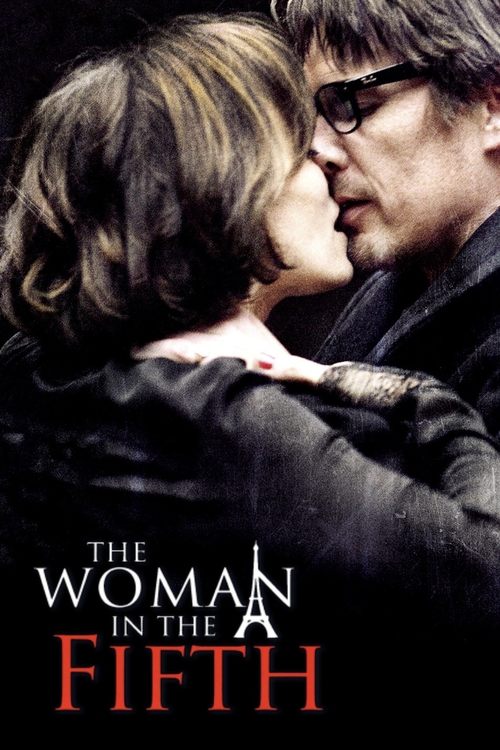
His third movie was 2011?s “The Woman in the Fifth,” with Kristin Scott Thomas and Ethan Hawke.
Pawlikowski's output has been uneven, a recent misfire being "The Woman in the Fifth," though earlier he showcased a youthful Emily Blunt to great effect in "My Summer of Love."
Polish-born, British-based director Pawel Pawlikowski makes a confident return to form with the elegantly sparse and absorbing Ida, a huge change of pace after his ho-hum thriller The Woman in the Fifth .
Born in Poland and educated in England, writer/director Pawel Pawlikowski (“My Summer of Love,” “Last Resort,” “The Woman in the Fifth”) tells a touching, personal story of spiritual identity, set against the Holocaust, the Stalinist period and its continuing after-effects.
Pawlikowski, who has made English-language films such as “My Summer of Love” and “The Woman in the Fifth,” goes very minimalist in his first movie shot in his home country.
“The Woman in the Fifth” (2011), a doomy thriller with Ethan Hawke, took place in Paris.