
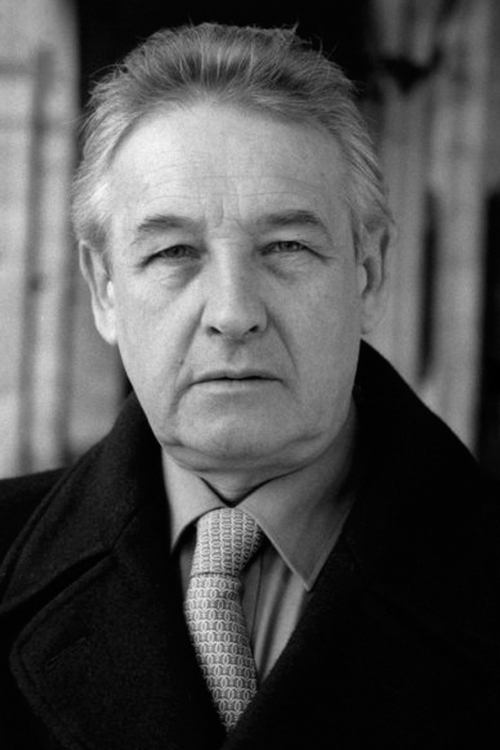
Andrzej Wajda
3 connections found

View:
Connections, in both directions

Ida (2013)
Directed by Paweł Pawlikowski
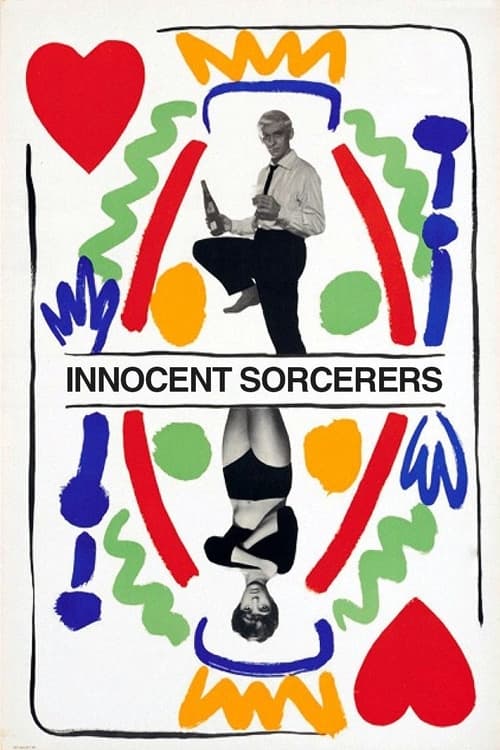
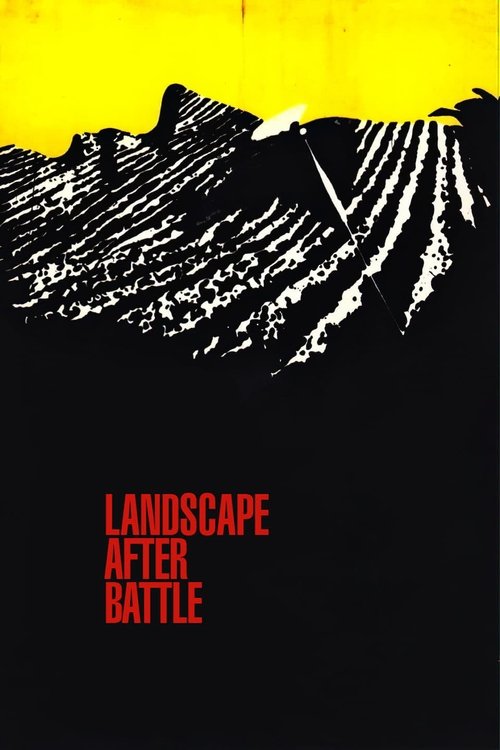
influenced by Ashes and Diamonds (1958), Innocent Sorcerers (1960), Landscape After Battle (1970)
Visuals


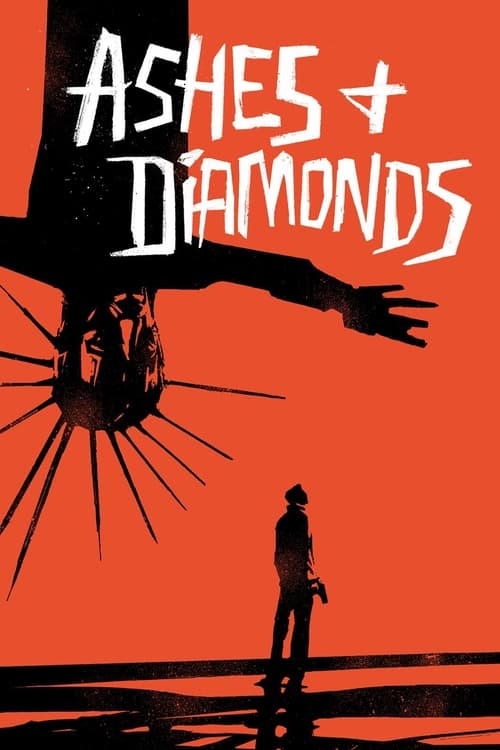
These love scenes occur in a provincial hotel like the one in Andrzej Wajda’s Ashes and Diamonds.
There are echoes of Andrzej Wajda’s Ashes and Diamonds (1958) and Janusz Morgenstern’s Goodbye, Until Tomorrow (1961), both of which starred Cybulski, as well as Jerzy Kawalerowicz’s Mother Joan of the Angels (1961), and although none of these luminously monochromatic movies used the boxy 4:3 aspect ratio that Pawlikowski employs; neither would they have discussed the fate suffered by Jews during the German occupation so vividly or evoked the shabbiness of the Communist regime as straightforwardly.
Set in the Poland of 1962 and composed of austerely gorgeous black and white images, Pawel Pawlikowski ’s "Ida" could fit right into the "Masterpieces" series, evoking as it does films ranging from Andrzej Wajda ’s "Innocent Sorcerers" to Jerzy Kawalerowicz’s "Mother Joan of the Angels" (both 1960).
The gorgeous black-and-white cinematography resonates to Polish master Andrzej Wajda’s treatment of similar subjects—the post-Holocaust Landscape After Battle (1970) and Man of Marble’s (1977) rebuke of Communist heroes—but with even more poetic lyricism besides the poignant social realism.

The claustrophobic, forcibly focused tunnel vision suggests the situation of the doomed sewer-trapped partisans in Polish director Andrzej Wajda’s Kanal (1956), a film about the Warsaw uprising; the continuous trajectory is reminiscent of David Cronenberg’s Cosmopolis (2012), set almost entirely in a limo crawling through midtown Manhattan traffic.

In transit, Jones calmly sings along with a cassette of Elvis doing The Promised Land, while the screaming Smith searches hysterically for his seat belt.