
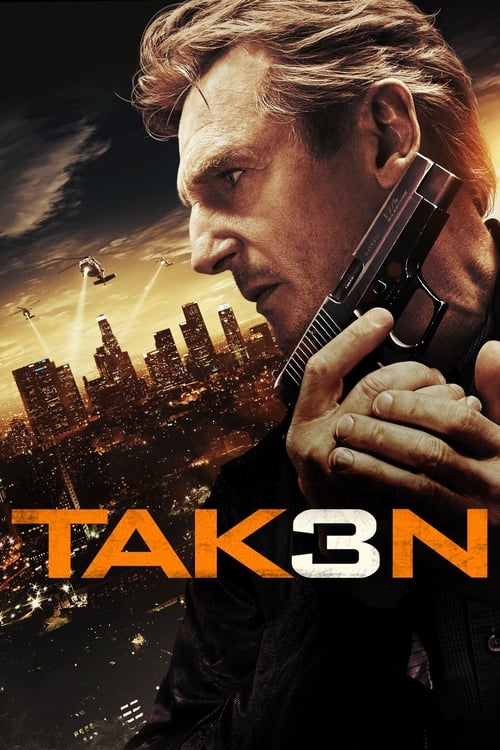
Taken 3 (2014)
Directed by Olivier Megaton
Ex-government operative Bryan Mills finds his life is shattered when he's falsely accused of a murder that hits close to home. As he's pursued by a savvy police inspector, Mills employs his particular set of skills to track the real killer and exact his unique brand of justice.
9 connections found
View:
9 films that influenced Taken 3
What critics say influenced Taken 3
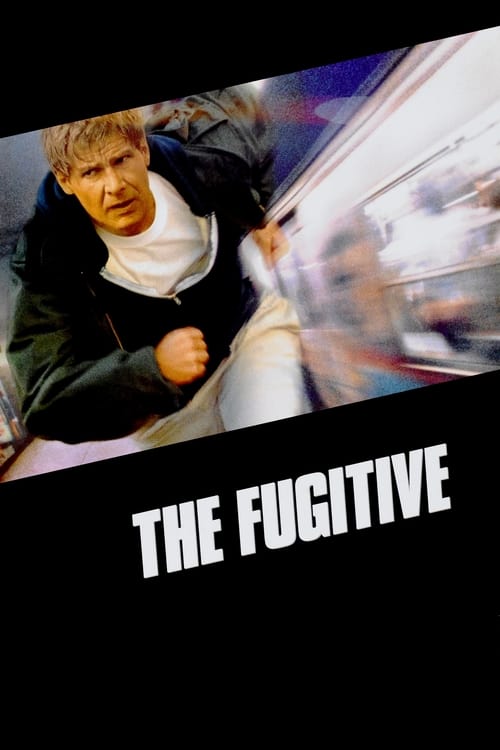


The scene may even be a nod to Tommy Lee Jones and Harrison Ford’s standoff in The Fugitive, where Jones’s “I don’t care” to Ford’s claims of innocence was a ruthlessly existential statement.
Luc Besson and Robert Mark Kamen, who wrote the first two movies, lift most of this one from The Fugitive (1993), right down to the relationship between Neeson and the maverick lawman on his tail.
Instead of rescuing a family member from Albanian mobsters in yet another world capital, Bryan Mills—the throat-punching, elbow-chopping ex-CIA operative most people think of as simply “Liam Neeson”—finds himself framed for murder in L.A. It’s a conventional riff on The Fugitive, complete with Forest Whitaker in the Tommy Lee Jones role, but at least it’s tapping into a set of fears and fantasies—about divorce and being replaced by a step-parent—that are distinct from those of the original.
The lack of a central abduction may have been a conscious effort by Besson and co-writer Robert Mark Kamen to break from routine, but this substituted plot invites easy comparison to the still-crackerjack thrills of 1993’s The Fugitive, with Forest Whitaker’s dogged detective Dotzler standing in for Tommy Lee Jones as Neeson scampers across Los Angeles in pursuit of his tormentors.
Things go largely according to plan from the jump, with a plot that provides very little in the surprise department, especially if you remember back to 1993 and The Fugitive .
So in Taken 3, we get to watch Bryan Mills try to save his own neck –in the style of The Fugitive’s Richard Kimble (although in comparison, Kimble comes across a lot smarter and more competent) as opposed to playing a heroic family man, which pretty much kills all the fun of the franchise’s previous two installments.
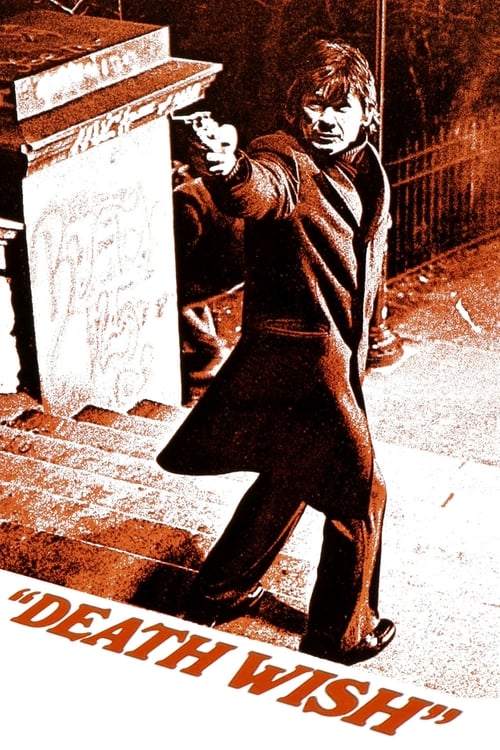
Just as Charles Bronson reluctantly saddled up for increasingly belabored Death Wish sequels well into his 70s, Taken 3 wheezes by with an inescapable sense of fatigue as Neeson enters his 60s.
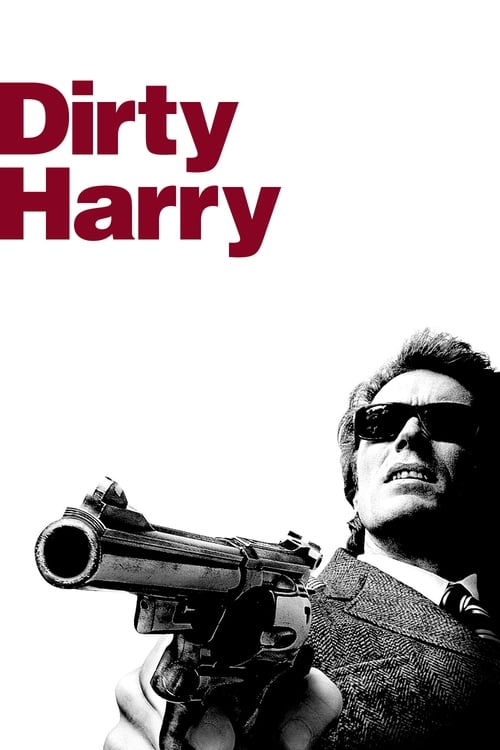
(Worth noting here that Neeson’s big break was as a heavy in the final “Dirty Harry” movie.)
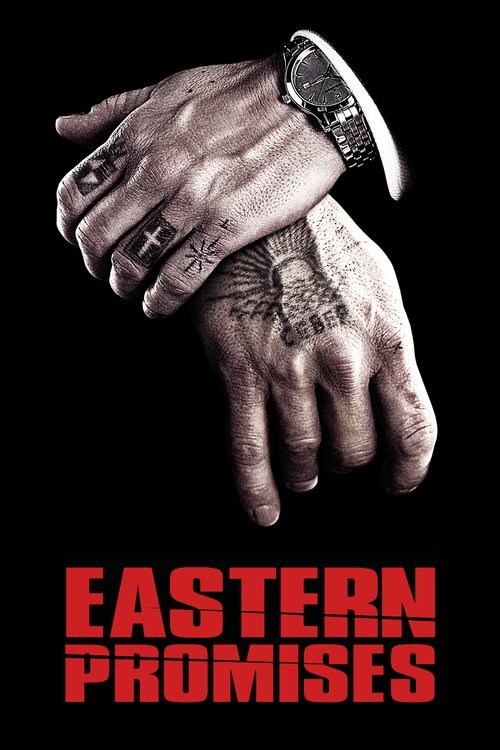
Alas, those characters have been ditched in favor of Russian mafiosos, who come across as pale imitations of the tattooed fiends in David Cronenberg’s “Eastern Promises.”
Advertisement

Yes, there’s a gnarly wrong-way freeway chase out of the “Lethal Weapon” playbook.
This time, Mills brings in his trusted colleagues to help him (including Leland Orser) and they roll out some of the most ridiculous technology, stuff we’re more likely to see in a “Mission: Impossible” movie.
The action sequences, while not ascending to the preposterous, physics-defying levels of The Fast and the Furious movies, are over-the-top.
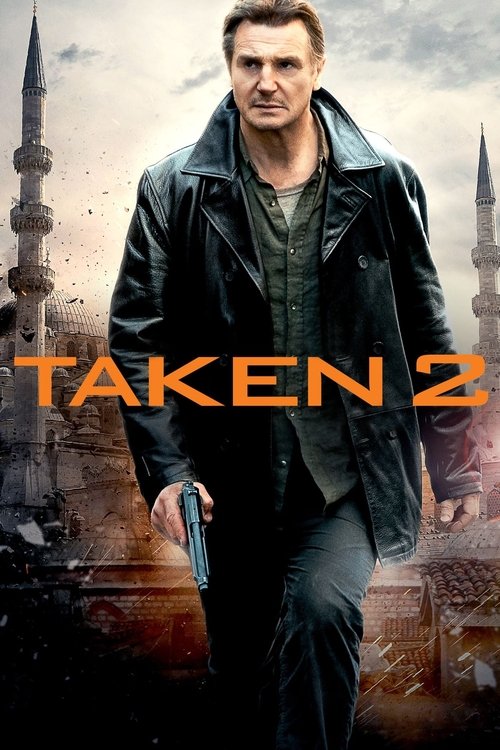
“Taken 2” was a goof in the “Die Harder” vein, ramping up the absurdity to such cartoonish levels that I guess it was okay if you were as drunk as I was when I saw it.
Taken 2 tried to one-up the original’s “kidnapped abroad” setup, but ended up producing something that only felt louder, uglier, and a lot less fun.
I expect the debates to rage among the Taken faithful for ages, assuming they haven't already taken place and fizzled out over the weekend, * whether Taken 3, is, on balance, a better or worse sequel than Taken 2 ; the new film is certainly the more incompetently made and horribly written, with less obvious justification for the story it's telling to have ever come into existence, but it's also so puckish about being awful that it's a lot less boring.
“The Grey” and “A Walk Among the Tombstones” are up to snuff; “The A-Team,” “Taken 2” and now “Taken 3” are low points.
‘Taken 3? makes ‘Taken 2? look like ‘Taken.’
Advertisement
I haven't been so viscerally angry at the cutting in an action setpiece since the opening of Quantum of Solace .