
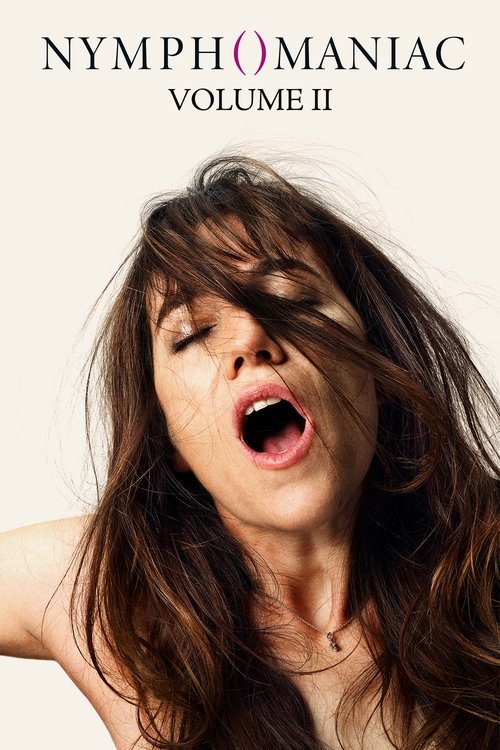
Nymphomaniac: Vol. II (2013)
Directed by Lars von Trier
The continuation of Joe's sexually dictated life delves into the darker aspects of her adult life and what led to her being in Seligman's care.
3 connections found
View:
3 films that influenced Nymphomaniac: Vol. II
What critics say influenced Nymphomaniac: Vol. II

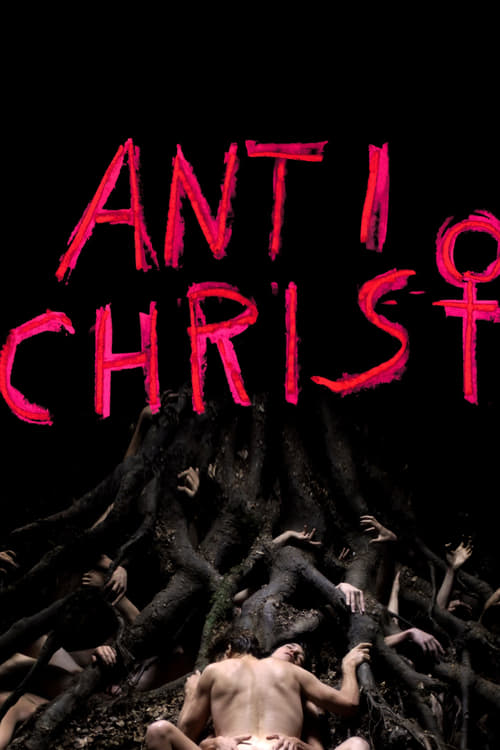


In returning to sources (Tarkovsky is referenced multiple times throughout, one chapter title included), examining the self (a particularly on-the-nose Antichrist callback emerges; maybe as a joke, maybe not) and making convergences (yet another image of a Gainsbourg character lying in a field makes way for a pronounced Stalker homage), a genuine softness and delicacy — melancholy, one might say — runs through the current of sex and recklessness.
Von Trier brings in more of his self-reference—including a direct nod to Antichrist in a scene that mimics its opening, right down to the aria “Lascia Ch’io Pianga”—indicating once again that Nymphomaniac can be read as the highly allegorical autobiography of an artist who suffers deep lulls between creative highs.
Once Charlotte Gainsbourg, taking over for Martin, leans over the edge of a sofa, her exposed rear ripe for the lashing, Nymphomaniac has begun to remind its audience that its Danish director also made Dogville and Antichrist .
Now, after the epic misery of Dancer in the Dark, Antichrist and Melancholia , he returns to the mischievous spirit of The Idiots with what is arguably his greatest film so far, a colossal saga of lust and life, a magnum opus that recapitulates everything he has done before, encapsulating major themes, character types and even scenes from previous films, and integrating them into an ambitious, intelligent and vivid work of tremendous depth and breadth.
But compared to some of his previous movies (the dreadful “Antichrist”, with its hacked genitals and interminable howling, for example), “Nymphomaniac” hardly plays like von Trier’s big “f*** you”.
There are moments of wit and beauty in this literally episodic film, including Joe's flashback to a grade-school field trip and a sly reference to the opening scene from von Trier's 2009 "Antichrist."

In his distinctive career, with films such as The Idiots (1998), Dogville (2003) and Melancholia (2011) he pushes boundaries and buttons and breaks rules and new ground.
Throughout, the consummate agent provoc-auteur remains torn between an angsty interest in self-obliteration and an adolescent obsession with the illusory mechanics of hardcore – a fetish that dates back to the days of The Idiots , and which has made porn doubles and prosthetic genitals a recurrent element of his arthouse palette.
The narrative model – like his so-called Golden Heart trilogy (Breaking the Waves, The Idiots, Dancer in the Dark) – is deliberately old-fashioned.
Long-time Lars-lovers will recognise the raw, frisky experimentation of The Idiots and the sexual adventuring of Breaking The Waves in this undeniable demanding pair of movies.
But in films like The Idiots , Dancer in the Dark and Dogville, the joke was always aimed at something grand, important, even unassailable.
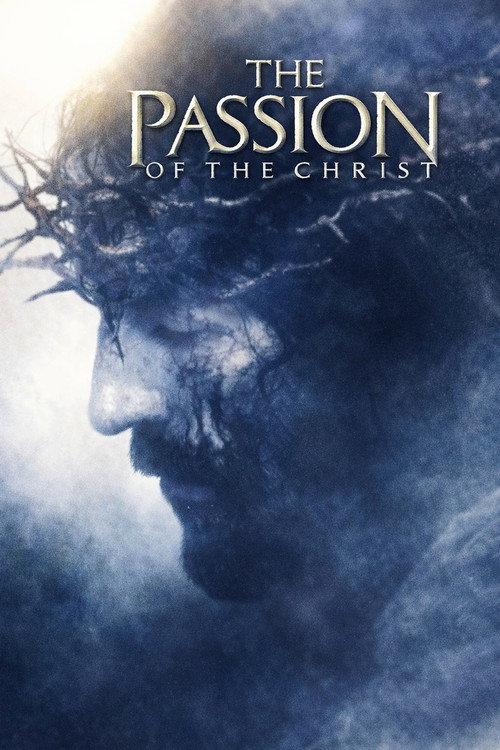
Volume 2 delves into the protagonist’s eager embrace of her darker impulses, not least among them the physical punishment meted out by Jamie Bell’s Kafkaesque “K,” an S&M outlier whose grueling, drooling tortures chiefly recall the lashier moments of Mel Gibson’s The Passion of the Christ.
And torture hasn't reverberated with auditory effects this vibrantly masturbatory since Jesus was lacerated for our sins in The Passion of the Christ .