
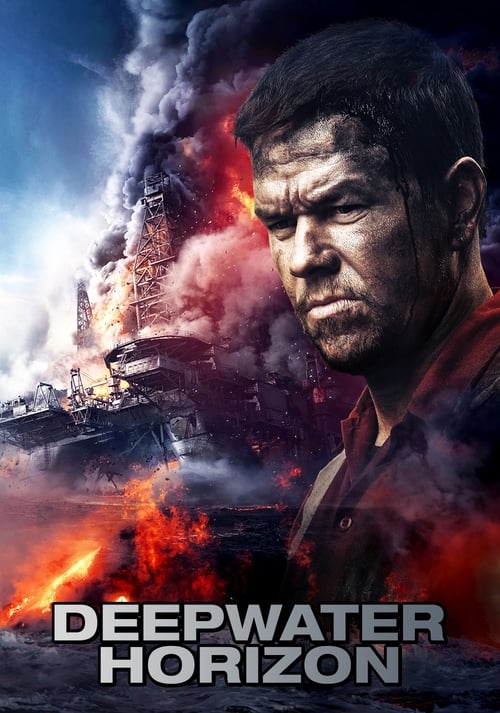
Deepwater Horizon (2016)
Directed by Peter Berg
A story set on the offshore drilling rig Deepwater Horizon, which exploded during April 2010 and created the worst oil spill in U.S. history.
6 connections found
View:
6 films that influenced Deepwater Horizon
What critics say influenced Deepwater Horizon
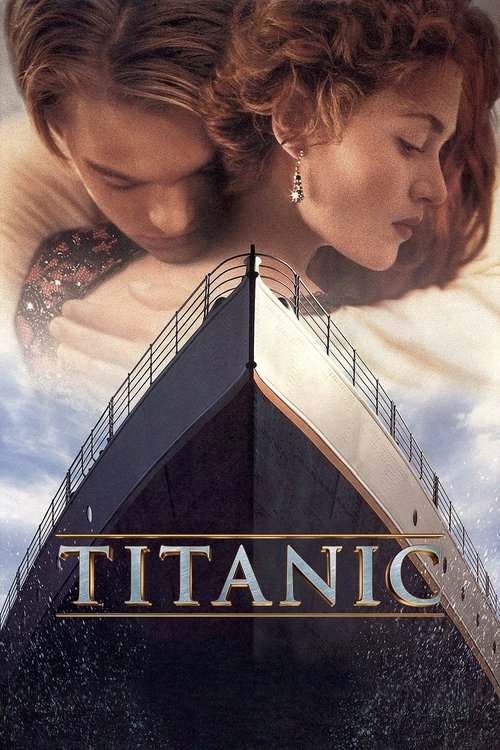


After all, if you wanted to portray the BP man in evenhanded terms, you would never cast Malkovich—so good at snideness and sniveling—in the part (Or give the guy a shamefaced scene when he slinks to a rescue raft, much like those James Cameron provided for the villainous types in “Titanic”?)
He and writers Matthew Sand and Matthew Michael Carnahan know, as Ron Howard did with “Apollo 13” and James Cameron knew with “Titanic,” that it’s not about whether they live or they die or if the ship goes down or all are saved.
Peter Berg’s “Deepwater Horizon,” named for the doomed oil rig that exploded in 2010 and killed 11 crew members, can be summed up as a modern-day version of James Cameron’s “Titanic.”
As James Cameron did in Titanic , Deepwater Horizon makes some effort to give us a simplified technical précis ahead of time of the disaster we’re about to see — although the explanation here, preciously illustrated with a can of Coke, a straw, and some honey, offers only the haziest of context.
Clearly never having seen “Titanic,” he orders the crew to proceed full steam ahead with a series of high-pressure drilling tests that will lead to the well’s fateful blowout.
So James Cameron, nearly a century removed from the Titanic disaster, thought he had licence to impose his own characters and melodramatic instincts on what occurred, in addition to employing “God’s eye” – who takes a step back from the chaos and unclean composition of the moment, to repackage the action in a style a modern audience can understand; wide-shots, flowing edits, action beats.
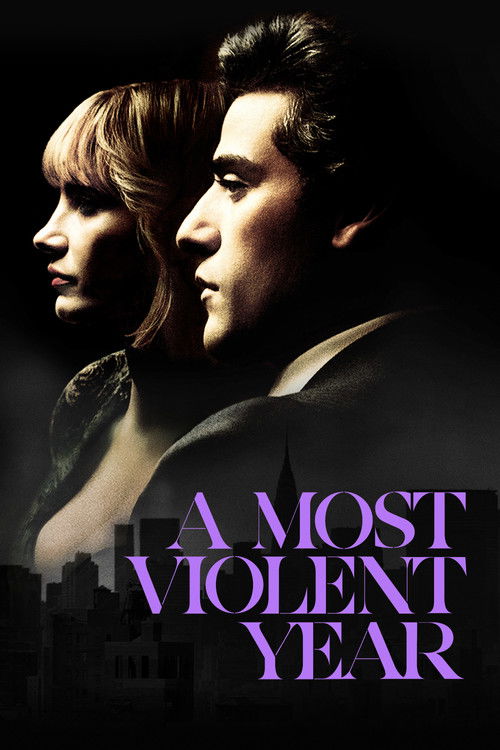
Deepwater Horizon was originally supposed to be directed by J.C. Chandor, who directed an almost dialogue-free film, All is Lost , then followed it up with a meditative gangster movie about heating oil, A Most Violent Year .
Incidentally, J.C. Candor (All Is Lost, A Most Violent Year) was originally tapped to helm this film, but left during preproduction over creative differences.

The former kid star of Hugo and Ender’s Game, Butterfield has grown into a very cute and alas rather charmless young actor, but he can do only so much with the material.
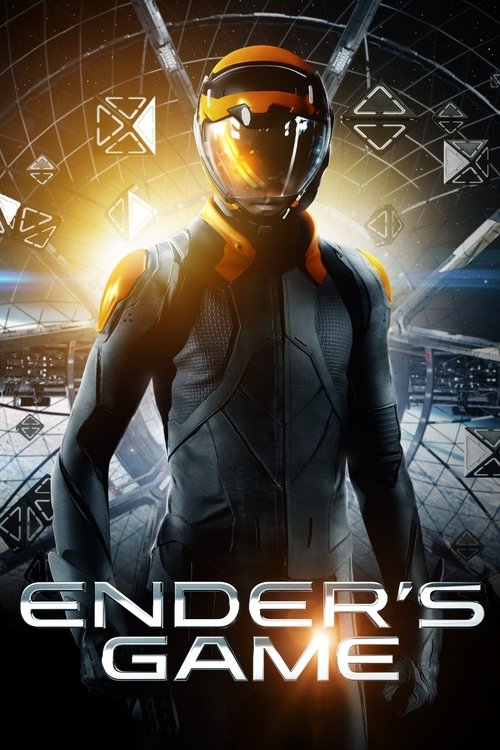
The former kid star of Hugo and Ender’s Game, Butterfield has grown into a very cute and alas rather charmless young actor, but he can do only so much with the material.
Advertisement
More than most modern movies, it matches the waterborne claustrophobia of “The Abyss” and inescapable conflagrations of “Backdraft” – proudly draped in vestiges of a vintage practical-effects era.
Me reviewing Deepwater Horizon is like a pilot reviewing Sully, an astronaut reviewing Gravity, or a firefighter reviewing Backdraft.
In the pantheon of recent disaster pics, “Deepwater Horizon” is much more “ Everest ” than “ San Andreas ,” its characters good enough, the action superb, and the temptation of long-winded melodrama largely resisted.
A wider perspective on events isn’t attempted, ensuring Deepwater Horizon will play well to the disaster movie crowd – those who responded to 2015’s Everest , or A Perfect Storm in 2000 - when it rolls out globally through Lionsgate from September 29.