
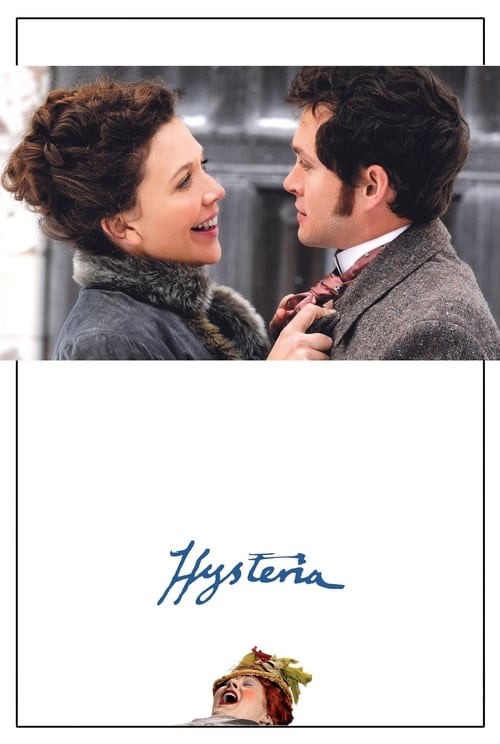
Hysteria (2011)
Directed by Tanya Wexler
Two doctors in Victorian England use manual stimulation of female genitalia to cure their patients' ills, leading to the invention of the vibrator.
12 connections found
View:
12 films that influenced Hysteria
What critics say influenced Hysteria
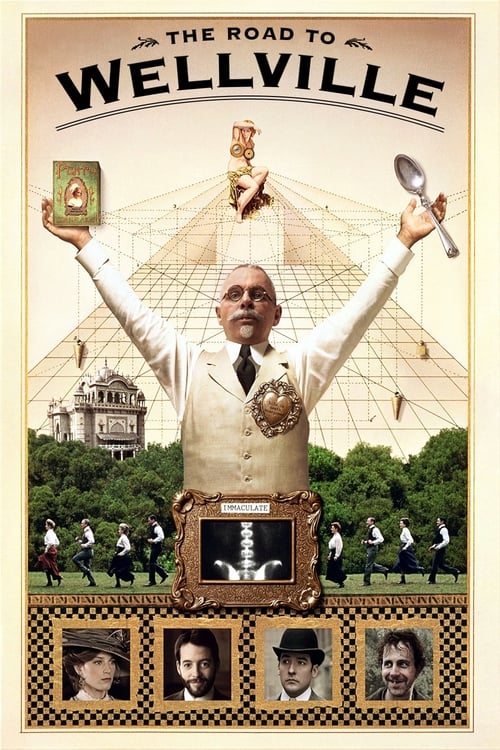


"Hysteria" is a cousin to Alan Parker's "The Road to Wellville," where a British director took on the American story of Dr. Kellogg's obsession with colonic cleanliness.
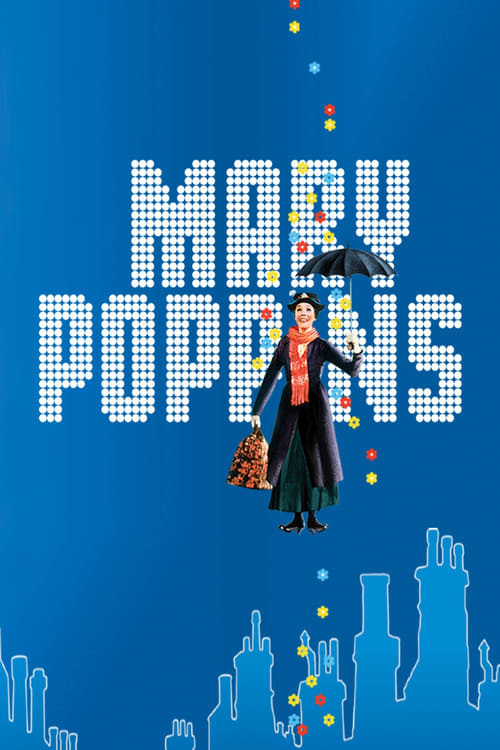
Hugh Dancy stars as Mortimer Granville, the Victorian doctor who patented the first electromagnetic vibrator, and Maggie Gyllenhaal—in a performance she seems to have modeled on Julie Andrews in Mary Poppins—is the charming proto-suffragette who wins his heart.
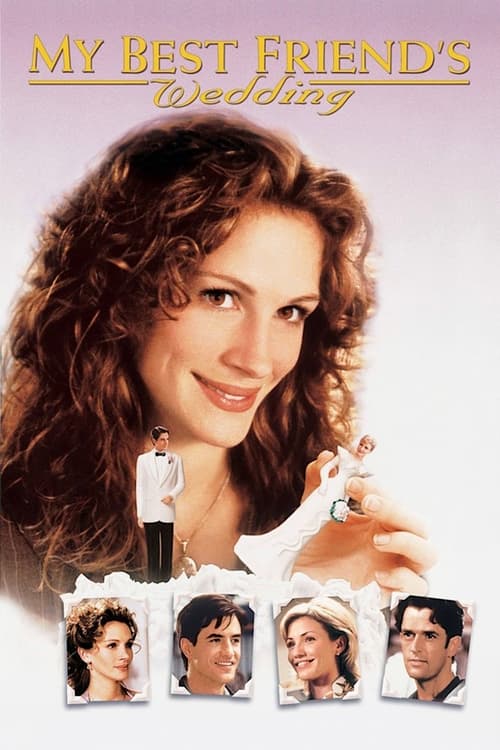
Gyllenhaal gives a delightful performance, but the film's secret weapon is Rupert Everett ("My Best Friend's Wedding") as Mortimer's wealthy friend of 'perverse' sexual appetites and penchant for inventions.
(Somewhere Trey Parker and Matt Stone are grinning that they got to the title “Orgazmo” first.)
Advertisement
A la The Taming of the Shrew, the mild Emily has an older sister who’s considered socially out of step, brazenly supportive of women’s rights and determined to pursue her own career as a social reformer running a settlement house for poor women and children.
Here’s a film that could easily have been tasteless, leering and puerile, but instead Tanya Wexler’s Hysteria is funny, charming, warm, smart—and probably the best romantic comedy since Miss Pettigrew Lives for a Day back in 2008.
(The one about the woman who, at the moment of climax, bursts into an aria has the dust of “Young Frankenstein” on it, if not the cobwebs of burlesque.)
The vibrator is born, and its first official test subject is the aforementioned opera singer, giving director Tanya Wexler and screenwriters Stephen Dyer and Jonah Lisa Dyer the opportunity to, um, dust off an old joke from " Young Frankenstein ."
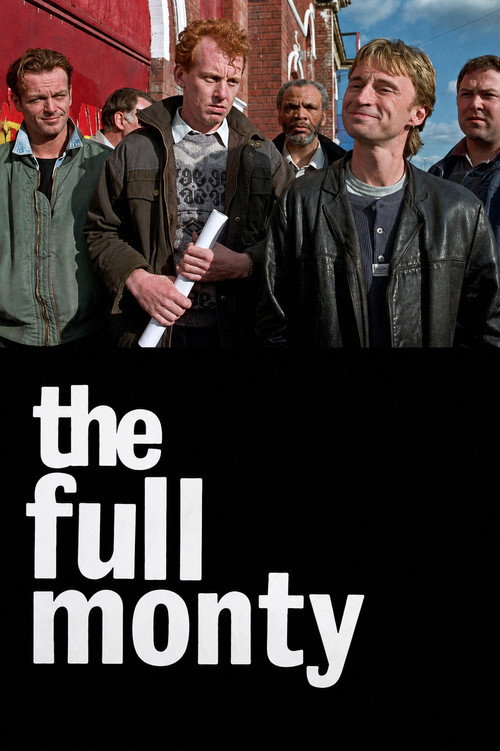
Borrowing a tone and approach from The Full Monty , director Tanya Wexler tackles the topic of human sexuality in a coy way that allows her not to show any nudity or say anything vulgar.
Advertisement

I Wish (Magnolia Pictures): Hirokazu Kore-eda (Nobody Knows) has crafted a lovely, authentic exploration of family bonds tested by separation.

If memory serves, “Hysteria” is Wexler’s third feature, following the disappointing “Finding North” in 1998, and “Ball in the House” in 2001.
Director Wexler, who previously made the low-budget films "Finding North" and "Ball in the House," re-creates the costumes and trappings of the era nicely, but she stuffs the corsets and carriages with either Victorian stick figures or thoroughly modern people out of step with the story.
If memory serves, “Hysteria” is Wexler’s third feature, following the disappointing “Finding North” in 1998, and “Ball in the House” in 2001.
Director Wexler, who previously made the low-budget films "Finding North" and "Ball in the House," re-creates the costumes and trappings of the era nicely, but she stuffs the corsets and carriages with either Victorian stick figures or thoroughly modern people out of step with the story.