
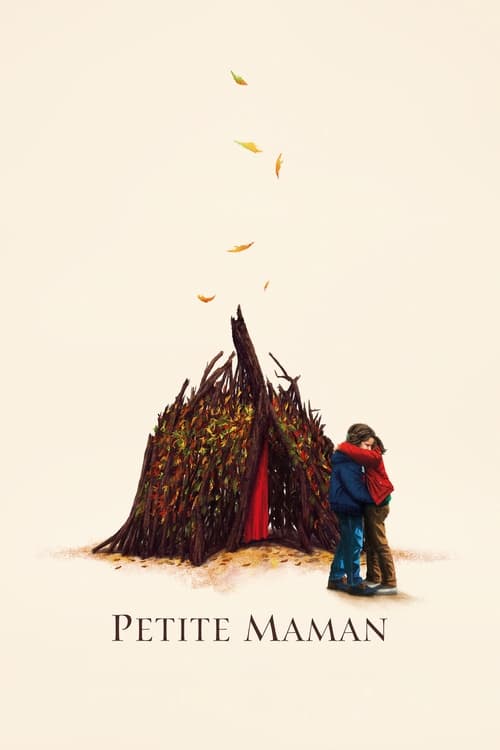
Petite Maman (2021)
Directed by Céline Sciamma
After the death of her beloved grandmother, eight-year-old Nelly meets a strangely familiar girl her own age in the woods. Instantly forming a connection with this mysterious new friend, Nelly embarks on a fantastical journey of discovery which helps her come to terms with this newfound loss.
3 connections found
View:
3 films that influenced Petite Maman
What critics say influenced Petite Maman

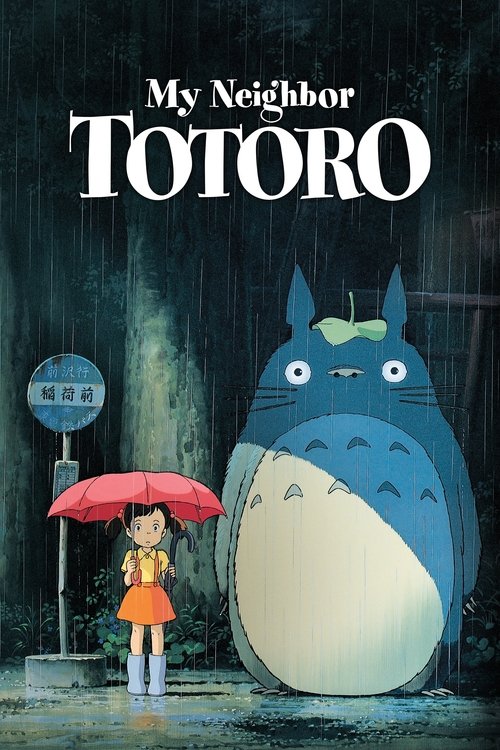


Perhaps weirdly, I was reminded most of Hayao Miyazaki’s animated classic My Neighbor Totoro, which is a film given to far more extravagant make-believe (flying creatures, a cat that’s also a bus, and the like). But it is also deeply interested in telling a story about children from their eye level, even if weightier concerns are in the background. In Totoro, the main characters’ mother is convalescing from illness.
Production notes cite Hayao Miyazaki as a guiding influence, and, indeed, the film’s delicate marriage of whimsy and wistfulness has perhaps no greater touchstone than My Neighbor Totoro. Sciamma is likewise interested in these moments where innocence abuts experience and youth’s solipsism suffers the first of its many small deaths.
Nelly’s adventures with the young Marion, lacking in dramatic urgency but instructive to children and adults alike, have already garnered copious comparisons to Hayao Miyazaki’s more sedate films like My Neighbor Totoro. And like Miyazaki’s work, what initially seems a straightforward fable about learning to grow up and enter the world becomes just as passionately a paean to remaining young and retaining the best aspects of childhood.
At times the movie feels like a live-action version of Hayao Miyazaki's anime fantasies like Ponyo or My Neighbor Totoro: full of childlike wonderment, but also very matter-of-fact in its approach to magic.
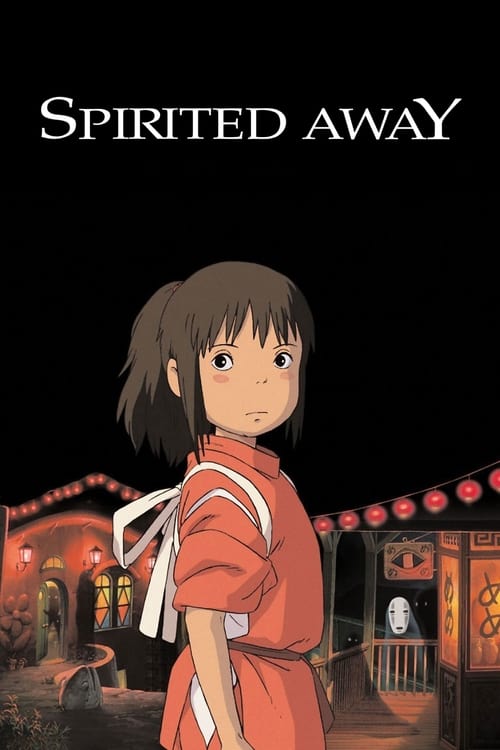
The film's press notes cite Miyazaki as a major inspiration, with the “My Neighbor Totoro” and “Spirited Away” vibes growing especially pronounced over the course of a story that blurs the soft borders between real and invented worlds.
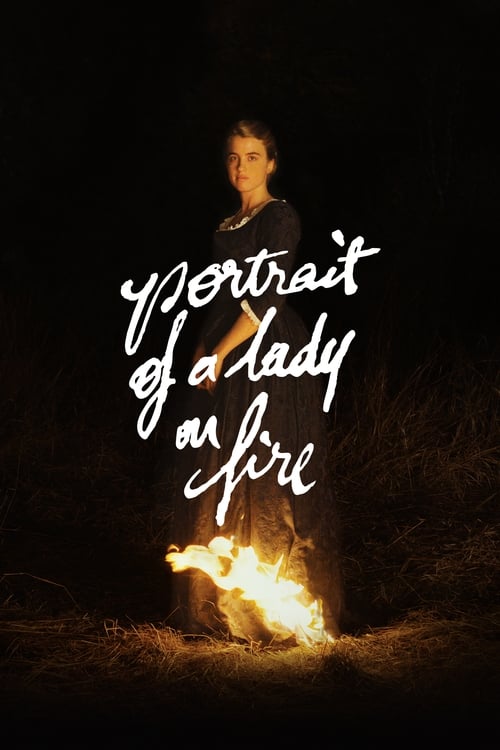
Céline Sciamma follows Portrait of a Lady on Fire — arguably her best film in an already sensational career — with Petite Maman, a lovely reminder of the filmmaker's interest in themes of childhood, transitions and liminality.
After the ambitious and wildly popular Portrait of a Lady on Fire shot Céline Sciamma into the arthouse stratosphere, she has returned with her fifth feature, Petite Maman, a warm and contained film whose scale is more akin to Tomboy.
Although Petite Maman is decidedly different from Sciamma's art-house touchstone Portrait of a Lady on Fire, they're structured in similar ways: In both films, two female characters are granted a brief, even utopian retreat from the outside world and something mysterious and beautiful transpires.
After the opulence of the historical drama Portrait of a Lady on Fire, Sciamma’s Petite Maman is masterfully stripped back to the bare essentials, making the tale all the more affecting. Heart-warming and sincere, the film is a true balm to the soul.
Writer-director Céline Sciamma’s follow-up to her audience favourite Portrait of a Lady on Fire is much smaller than even her biggest admirers might have predicted.
“Petite Maman” (2021) is Celine Sciamma’s latest film, who won accolades for her breathtaking prior feature, “Portrait of a Lady on Fire” (2019).