

Mars Needs Moms (2011)
Directed by Simon Wells
When Martians suddenly abduct his mom, mischievous Milo rushes to the rescue and discovers why all moms are so special.
20 connections found
View:
20 films that influenced Mars Needs Moms
What critics say influenced Mars Needs Moms
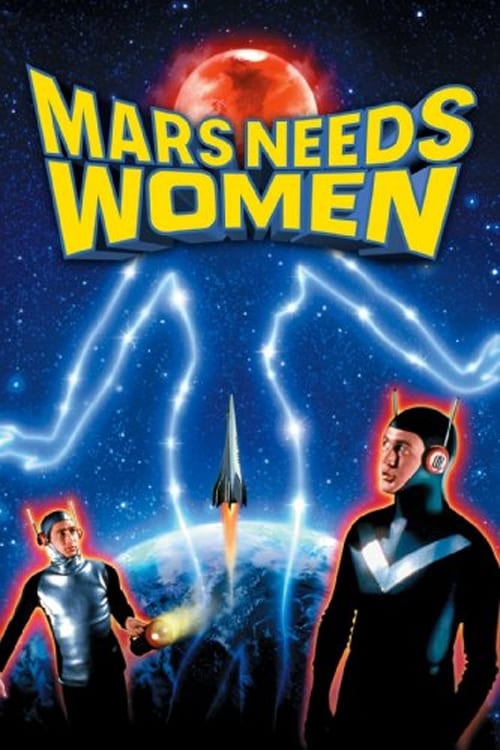


Inspired by a 2007 children's book by "Bloom County" creator Berkeley Breathed, "Mars Needs Moms" — the title is a clever nod to an infamous 1966 sci-fi film, "Mars Needs Women" — finds a young boy, Milo, hitching a ride on a Martian rocket after his mom (Cusack) is abducted by aliens who use a sort of brain zapper to suck out the personality of human mothers so the moms' "discipline" instinct can be transplanted into the Martian nannybots.

One of the film's final images is a half-lift from the somewhat kitschy William Cameron Menzies -directed classic " Invaders From Mars ," which exploits childhood trauma in a way that surely inspired Breathed's vision.
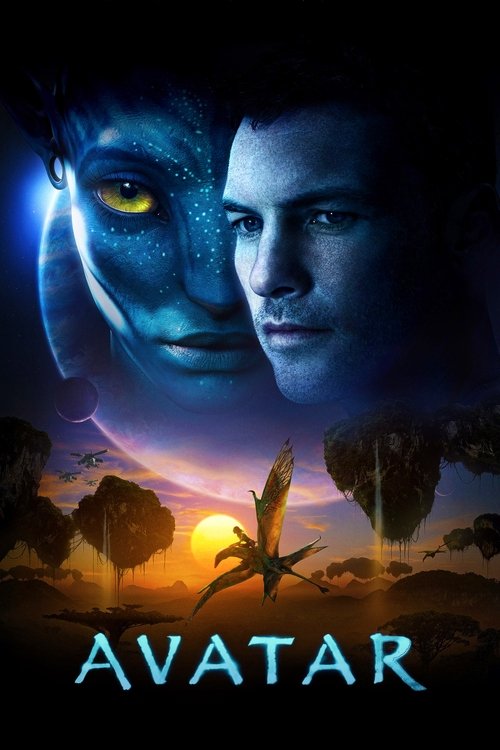
And then there's the less-than-beguiling, dead-eye motion-capture animation -- provided by actors hooked up to computer sensors -- that has worked better in live-action films like "Avatar" than in 'toons.
This technology explains how actor Andy Serkis "became" Gollum for director Peter Jackson, and how Zoe Saldana portrayed Neytiri of the Na'vi in "Avatar."
While motion capture may yet prove to be the future of cinema, here’s hoping that the next generation of mo-cap moviemakers take their cue from Beowulf, Avatar and even A Christmas Carol rather than Mars Needs Moms.
Still, some viewers have expressed a visceral disdain for the format, likening the blank-eyed human characters to walking corpses, which is why non-humans, like the Na'vi in "Avatar" and the aliens in "Mars Needs Moms," fare better.
Its craftsmanship showcases the latest in performance-capture technology (à la "Avatar").

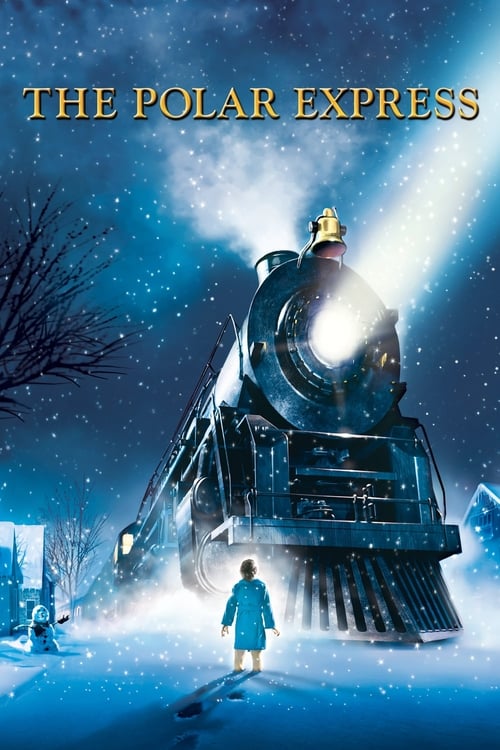
The process has also lost those weirdly inhuman faces that plagued The Polar Express, Zemeckis’ first foray into performance capture.
It's only the occasional unnatural look of the motion-capture animation that is still a stumbling block for producer Robert Zemeckis and the team that created "The Polar Express" and "A Christmas Carol."
The point of "performance capture animation " – the expensive process by which live actors are turned into semi-animated characters – entirely escapes me and is no more interesting here than in The Polar Express or Disney's A Christmas Carol, Robert Zemeckis's earlier uses of the technique.
Produced by "Christmas Carol" director Robert Zemeckis with direction credited to Simon Wells (H.G.'s great-grandson, who helmed the ill-fated live-action 2002 remake of "The Time Machine"), the movie has some impressive imagery referencing "Star Wars" and (like Zemeckis' notorious "The Polar Express") the Nazi documentary "Triumph of the Will."
As motion-capture technology advances and produces more and more films, the startlingly realistic animation it produces is no longer as occasionally disturbing as it was when The Polar Express was released.
A more relevant technology is revealed during the movie's end credits, which offer a behind-the-scenes look at the "performance capture" process used to create this latest computer-animated production from Robert Zemeckis, the filmmaker who helped pioneer the technique with 2004's "The Polar Express."

As with his A Christmas Carol movie, Zemeckis paints himself into a digital corner by ignoring adults.
It's only the occasional unnatural look of the motion-capture animation that is still a stumbling block for producer Robert Zemeckis and the team that created "The Polar Express" and "A Christmas Carol."
The point of "performance capture animation " – the expensive process by which live actors are turned into semi-animated characters – entirely escapes me and is no more interesting here than in The Polar Express or Disney's A Christmas Carol, Robert Zemeckis's earlier uses of the technique.
In "The Polar Express," "Monster House," "Beowulf," "A Christmas Carol" and now "Mars Needs Moms," Zemeckis — also responsible for such cutting-edge special-effects films as "Forrest Gump" and "Who Framed Roger Rabbit" — has pursued an apparently keen interest in "performance capture" or "motion capture" filmmaking, in which actors are photographed while covered in reflective markers, so their movements and expressions can be electronically tracked and then translated into computer-generated imagery, to create animated characters.
The results, as seen in Zemeckis’s previous mo-cap features A Christmas Carol, Beowulf and The Polar Express, can charitably be described as interesting, but they’re considerably short of enchanting.
Much like “The Polar Express” and “A Christmas Carol” before it, the Zemeckis-produced “Mars” fails to deliver emotional and comedic blows thanks to the dead-eyed mannequins standing in for characters.
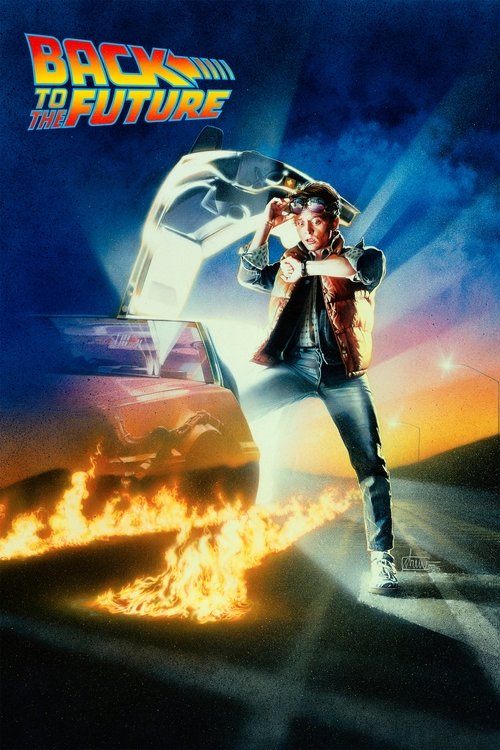
Produced by Robert Zemeckis, and using the motion-capture process championed by the Back to the Future director, Mars Needs Moms is the tale of Milo (Green and Dusky), a nine-year-old boy who constantly clashes with his overwrought mother (Joan Cusack).
Zemeckis, a highly successful director of live-action films like “Forrest Gump,” famously switched to computer animation with live actors performing their scenes in special suits, over which animators then paint.
In "The Polar Express," "Monster House," "Beowulf," "A Christmas Carol" and now "Mars Needs Moms," Zemeckis — also responsible for such cutting-edge special-effects films as "Forrest Gump" and "Who Framed Roger Rabbit" — has pursued an apparently keen interest in "performance capture" or "motion capture" filmmaking, in which actors are photographed while covered in reflective markers, so their movements and expressions can be electronically tracked and then translated into computer-generated imagery, to create animated characters.
Other than Beowulf, his most successful performance-capture film to date, Zemeckis has chosen to deploy this system in children’s films.
Sure enough, the man behind Polar Express, Beowulf, and the Jim Carrey Christmas Carol is the producer of Mars Needs Moms, a laborious affair based on Berkeley Breathed's charming picture book.
In "The Polar Express," "Monster House," "Beowulf," "A Christmas Carol" and now "Mars Needs Moms," Zemeckis — also responsible for such cutting-edge special-effects films as "Forrest Gump" and "Who Framed Roger Rabbit" — has pursued an apparently keen interest in "performance capture" or "motion capture" filmmaking, in which actors are photographed while covered in reflective markers, so their movements and expressions can be electronically tracked and then translated into computer-generated imagery, to create animated characters.
The results, as seen in Zemeckis’s previous mo-cap features A Christmas Carol, Beowulf and The Polar Express, can charitably be described as interesting, but they’re considerably short of enchanting.
Certainly, Zemeckis products "Beowulf," "Monster House" and "A Christmas Carol" have shown that as the technology becomes more refined, the physical animation can look increasingly realistic.
In "The Polar Express," "Monster House," "Beowulf," "A Christmas Carol" and now "Mars Needs Moms," Zemeckis — also responsible for such cutting-edge special-effects films as "Forrest Gump" and "Who Framed Roger Rabbit" — has pursued an apparently keen interest in "performance capture" or "motion capture" filmmaking, in which actors are photographed while covered in reflective markers, so their movements and expressions can be electronically tracked and then translated into computer-generated imagery, to create animated characters.
IMD grew out of Zemeckis’ previous company ImageMovers, which was created in 1997 and produced live-action films like What Lies Beneath and Cast Away , until the director focused his attention exclusively on motion capture following 2004’s The Polar Express .
IMD grew out of Zemeckis’ previous company ImageMovers, which was created in 1997 and produced live-action films like What Lies Beneath and Cast Away , until the director focused his attention exclusively on motion capture following 2004’s The Polar Express .
Advertisement
For this film, Zemeckis turns directing chores over to Simon Wells, who directed The Time Machine and co-directed the animated The Prince of Egypt.
The screenplay, by writer-director Simon Wells (2002's " The Time Machine ") and co-writer Wendy Wells, is another matter entirely, leaving a lot to be desired as it too often resorts to thrill ride antics posing as scenes instead of adequately exploring the fantastical realms of its narrative and setting.
Zemeckis shares the blame with director Simon Wells (An American Tail: Fievel Goes West, The Time Machine), who co-wrote the screenplay with his wife, Wendy Wells.
Produced by "Christmas Carol" director Robert Zemeckis with direction credited to Simon Wells (H.G.'s great-grandson, who helmed the ill-fated live-action 2002 remake of "The Time Machine"), the movie has some impressive imagery referencing "Star Wars" and (like Zemeckis' notorious "The Polar Express") the Nazi documentary "Triumph of the Will."
Director and cowriter Simon Wells ( The Time Machine ) has mostly chosen cluttered over clever, particularly in how he (and cowriter Wendy Wells) have chosen to expand on the story in Berkeley “Bloom County” Breathed’s children’s book [ Amazon U.S. ] [ Amazon Canada ] [ Amazon U.K. ].
His last feature was The Time Machine (2002) and he has also worked on Flushed Away and Madagascar.
For this film, Zemeckis turns directing chores over to Simon Wells, who directed The Time Machine and co-directed the animated The Prince of Egypt.
Mr. Zemeckis is a producer of “Mars Needs Moms,” which was directed by Simon Wells (“ The Prince of Egypt ”).
Instead of wondering about the fates of the hero and his mother, I kept wondering why Zemeckis and director Simon Wells (2002's traditionally animated "The Prince of Egypt") had decided to use "motion capture" characters instead of inserting live-action actors into computer- generated environments to interact with CG co-stars, as George Lucas did with his later "Star Wars" sequels.
Director and co-writer Simon Wells (The Prince Of Egypt) has created an often thrilling and touching intergalactic adventure which harkens back to the sensibilities found in eighties family entertainment, where excitement and depth sparked off one another.

Zemeckis shares the blame with director Simon Wells (An American Tail: Fievel Goes West, The Time Machine), who co-wrote the screenplay with his wife, Wendy Wells.
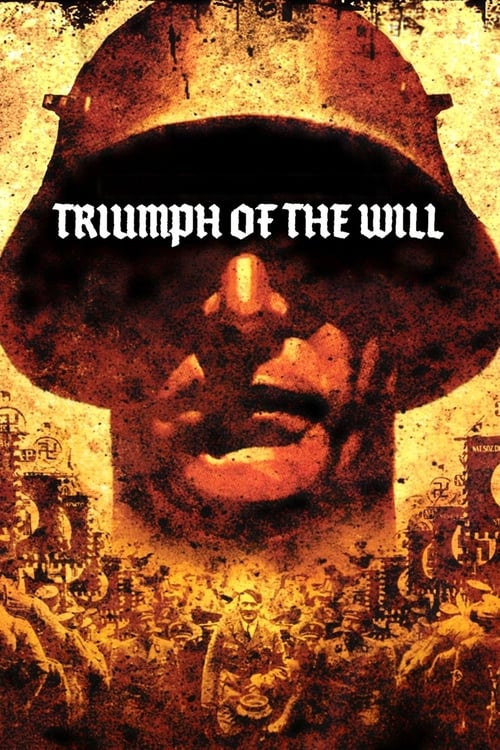
Produced by "Christmas Carol" director Robert Zemeckis with direction credited to Simon Wells (H.G.'s great-grandson, who helmed the ill-fated live-action 2002 remake of "The Time Machine"), the movie has some impressive imagery referencing "Star Wars" and (like Zemeckis' notorious "The Polar Express") the Nazi documentary "Triumph of the Will."
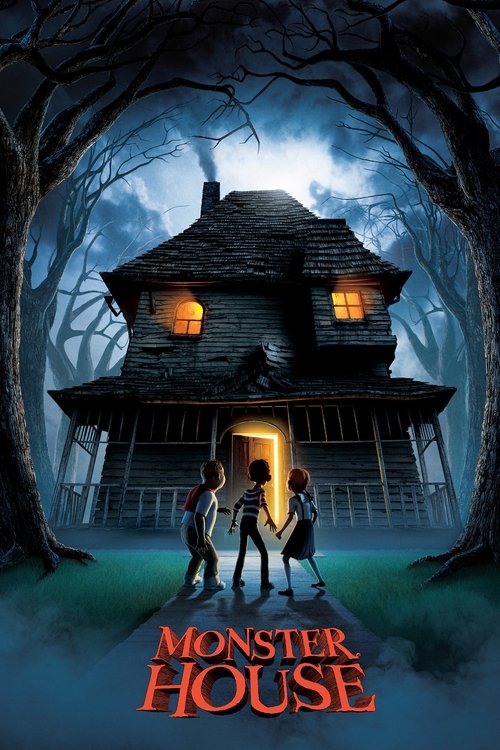
Mars Needs Moms marks the latest film from Robert Zemeckis ’ ImageMovers Digital studio, and, like such past efforts from the company as 2006’s Monster House and 2009’s Disney’s A Christmas Carol , the animation in the film has been completed using the motion (or performance) capture process.
Mars Needs Moms is one of Robert Zemeckis's motion capture jobs, like Monster House (2006) and A Christmas Carol (2009), with live-action performances recorded on video then digitally altered so the actors look younger, fatter, or less human.
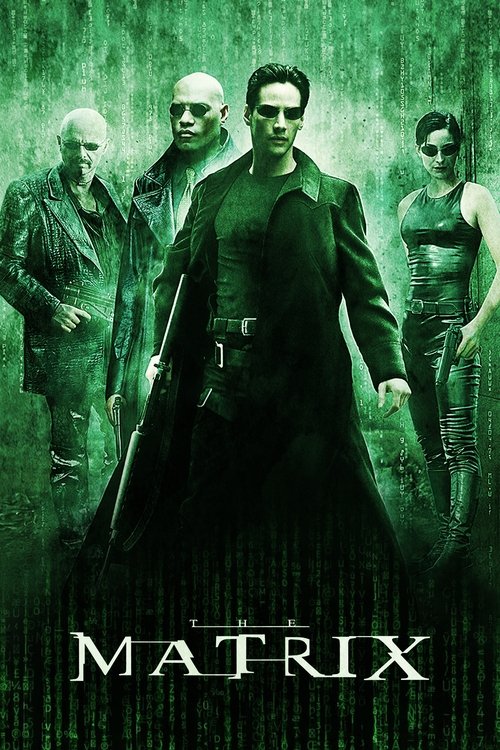
Sequestered in a cluttered bunker (lifted directly from "The Matrix"), Gribble plugs into the Martian infrastructure and helps Milo maneuver around the alien planet so he can find his mom.
Advertisement
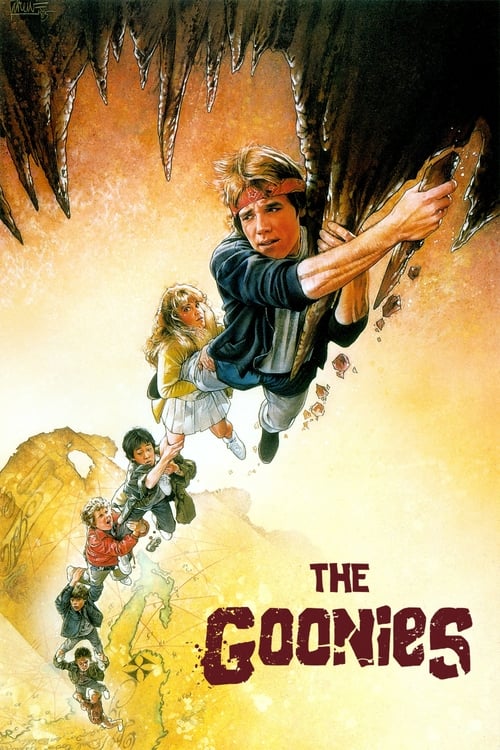
Instead, Wells and his team have crafted a fun, consistently entertaining adventure film that feels like a throwback to the summer movies of the 1980s – including The Goonies, Gremlins, and Back to the Future.
It's like experiencing the most annoying moments from the Zemeckis/Lucas/Spielberg canon — the Ewok dance, the interminable sliding from "The Goonies" — edited into one feature-length endurance test.
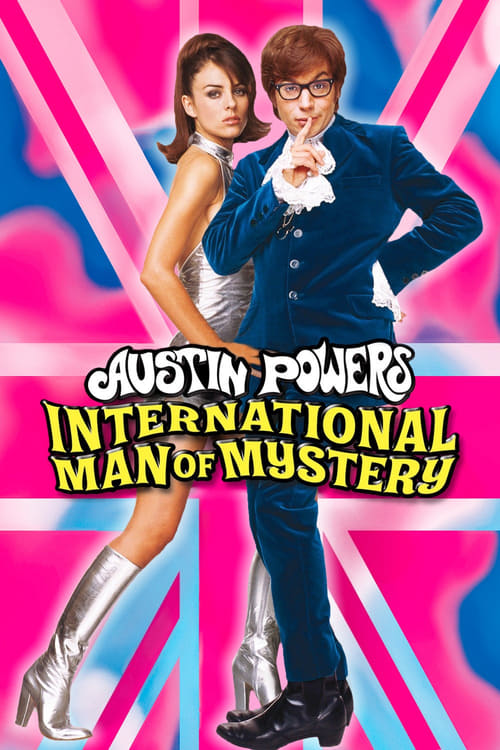
Actually, Green (the "Austin Powers" films) only acted out the movements.
Seth Green (“Austin Powers,’’ “Family Guy’’) does the CG performance-capture thing as Milo, a likably smart-alecky 9-year-old who gives his continually tested mom (Joan Cusack) as much grief as he gets — over chores, broccoli, and the age-appropriateness of zombie flicks.