
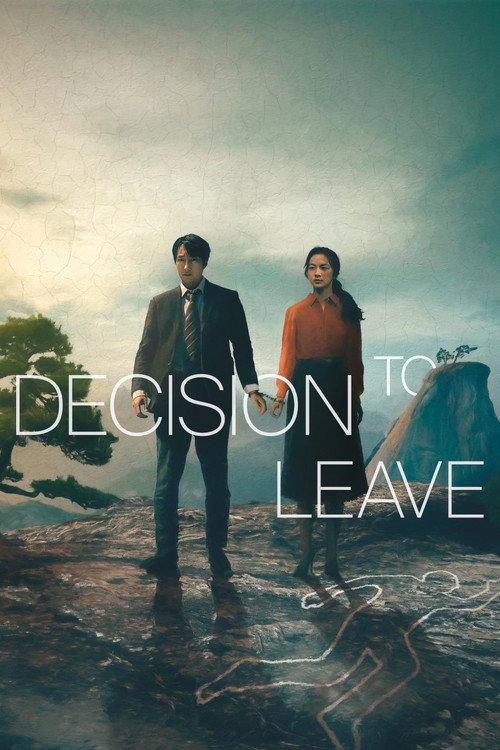
Decision to Leave (2022)
Directed by Park Chan-wook
From a mountain peak in South Korea, a man plummets to his death. Did he jump, or was he pushed? When detective Hae-joon arrives on the scene, he begins to suspect the dead man’s wife Seo-rae. But as he digs deeper into the investigation, he finds himself trapped in a web of deception and desire.
4 connections found
View:
4 films that influenced Decision to Leave
What critics say influenced Decision to Leave



Decision to Leave is Park Chan-wook’s take on an Alfred Hitchcock thriller, primarily Vertigo and The Man Who Knew Too Much, but with some 90s erotic thriller twists to it, in the like of Paul Verhoeven’s Basic Instinct, yet more nuanced.
While this is a far cry from the erotic inclinations of his last film, The Handmaiden (2017), a talented femme fatale’s motivations would suggest the compulsions of something like Basic Instinct (1992) until they seem more inclined to be crimes of the heart.
Forget Vertigo, because at a certain point one may long for a simple pleasure like Paul Verhoeven's Basic Instinct, a formally astonishing rendition of a trashy script that has enough momentum for 10 thrillers, even if its mystery makes no more sense than the one offered here.
Tang Wei is magnificent as the femme fatale, giving the best performance within this archetype since Sharon Stone’s Catherine Tramell in 1992’s Basic Instinct. She plays the character perfectly, at once appearing to be misunderstood, thus perhaps innocent of her husband’s death, but also seeming to have something untrustworthy and manipulative about her personality bubbling just beneath the surface.
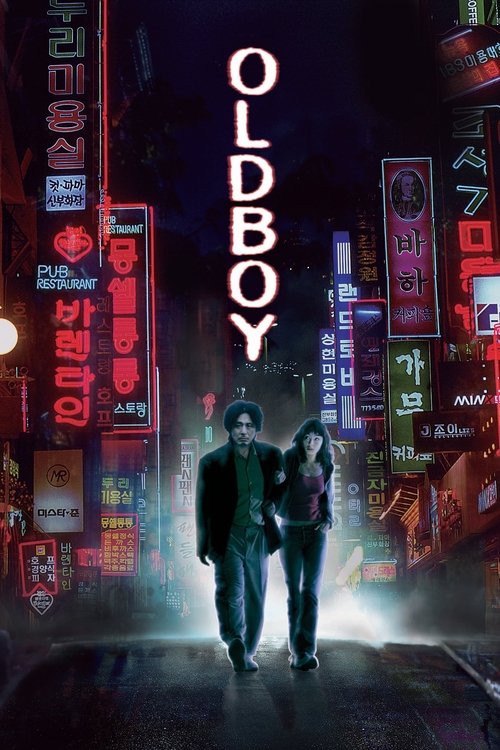
Decision to Leave sees Park Chan-wook return to the crime genre he made a name for himself with the likes of Oldboy and Lady Vengeance. This film couldn’t be further from those, and is instead a slow burn old fashioned detective story, clearly inspired by noir and Hitchcock classics.
Park Chan-wook, going all the way back to his much beloved Oldboy, has cleared a respectable career middle ground. His films appeal both to the arthouse crowd and general audiences.
It does ask us to get involved in it in the same way that Choi Min-sik's character got involved with that octopus in Oldboy.
Genre-hounds dazzled by Park Chan-wook’s landmark “vengeance” trilogy (Sympathy for Mr. Vengeance, Oldboy, Lady Vengeance) might be disappointed, or at least become irritably impatient, when diving into the South Korean filmmaker’s latest movie, Decision to Leave. More slow-burn Hitchcockian homage than gross-out spectacle – the hammer attacks and live-squid slurping of Oldboy is nowhere to be found – Park’s new film delivers shock value in so much only as how it might shock fans who have not yet strayed outside that much-loved outré trilogy.
I LOVE the premise of this romance-whodunit from Park Chan-wook, who’s got a reputation for creating violent thrillers thanks to Oldboy and his Vengeance Trilogy, as well as dark sexually-charged ones like Stoker and The Handmaiden.
South Korean director Park Chan-wook is known for his extreme, mayhem-filled thrillers such as Oldboy, Thirst, and Lady Vengeance. But his films also deal with the aspect of illusions. Are things really as they appear to be?
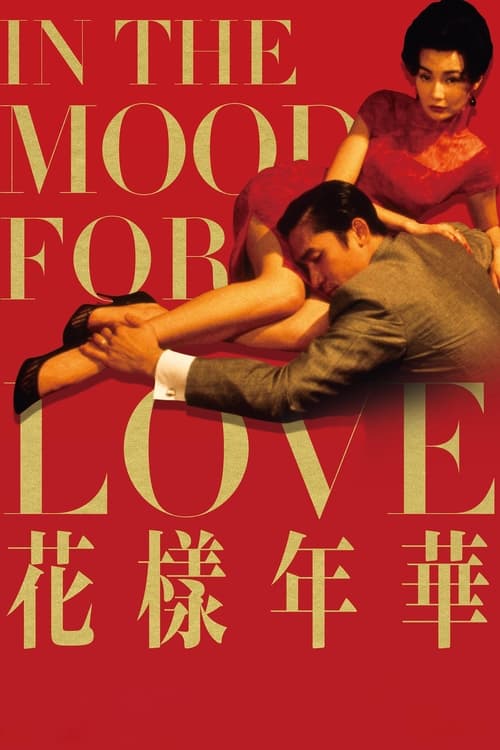
(There’s no sex, not even a kiss, which heightens the erotic tension, as in Wong Kar-wai’s 2000 masterpiece In the Mood for Love.)

Its restless attempts at reconfiguring the murder mystery genre will likely draw comparisons to two films from his fellow South Korean auteurs — Bong Joon-ho's Memories of Murder and Lee Chang-dong's Burning — but Decision to Leave is a bit too gratuituously convoluted to reach the heights of those towering achievements.