

Joker: Folie à Deux (2024)
Directed by Todd Phillips
While struggling with his dual identity, Arthur Fleck not only stumbles upon true love, but also finds the music that's always been inside him.
8 connections found
View:
8 connections, in both directions
What critics compared Joker: Folie à Deux to
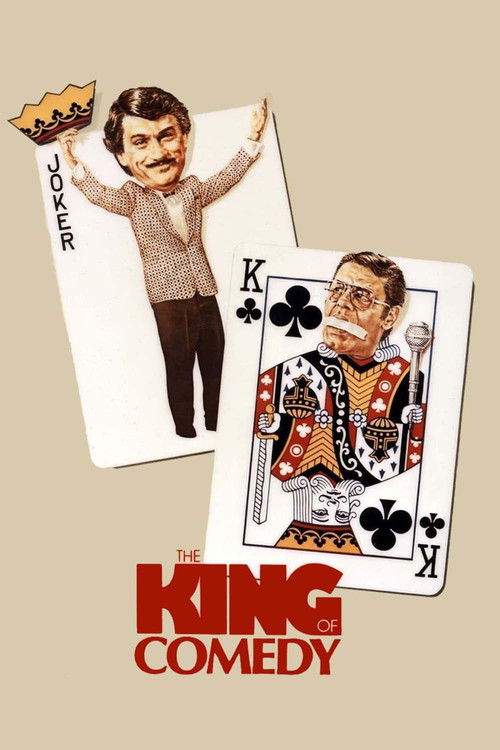


It was designed as a self-contained one-film experience that referenced Martin Scorsese's The King of Comedy and other Seventies New York classics.
The musical elements, along with Lady Gaga’s introduction as Harley, provide a fascinating contrast to the gritty psychological tone of the first movie that borrowed more than just a little from Martin Scorsese’s The King of Comedy (1983).
Five years later, Phillips returns with an answer in “Joker: Folie à Deux.” If the first installment paid homage to two Martin Scorsese classics in “Taxi Driver” and “The King of Comedy,” the follow-up edges the story closer to “New York, New York” territory in a musical that is not so much a musical as a self-aware emulation of one.
Phillips and co-writer Scott Silver in the first Joker had the sturdy bones of not one but two Martin Scorsese films, Taxi Driver and The King of Comedy, on which to hang their story and set their tone.
The first Joker was criticised for being too derivative of other films, most notably Martin Scorsese’s Taxi Driver (1976) and The King of Comedy (1982). Phillips, aware of this critique, does something similar for the sequel. We see Arthur escorted through the pouring rain, the wardens holding black umbrellas.

Just as Phoenix follows in the footsteps of Cesar Romero (in the 60s Batman TV series), Jack Nicholson (in the 1989 Batman movie), Heath Ledger (in The Dark Knight) and Jared Leto (in Suicide Squad), the pop star and actor treads where Margot Robbie (in Suicide Squad, Birds of Prey (and the Fantabulous Emancipation of One Harley Quinn) and The Suicide Squad) has most recently as Dr Harleen Quinzel, aka Harley Quinn.
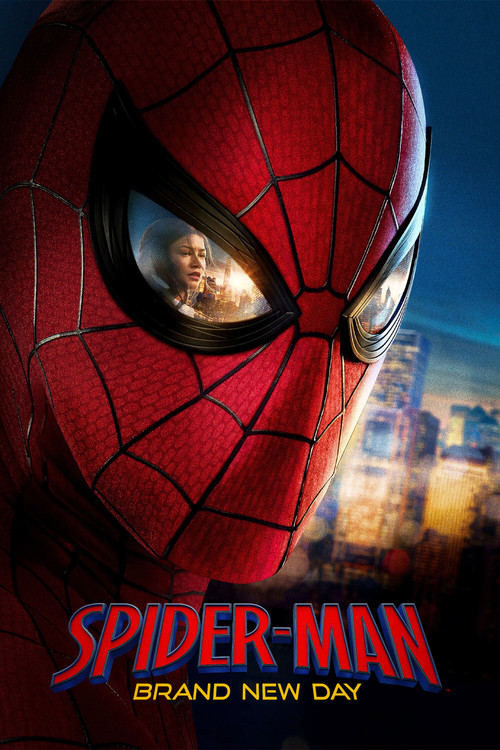
The Joker's Folie A Deux had to create an opposite of an opposite and to mix multidimensional geometries with various axes to grind the funhouse mirror can end up lacking…
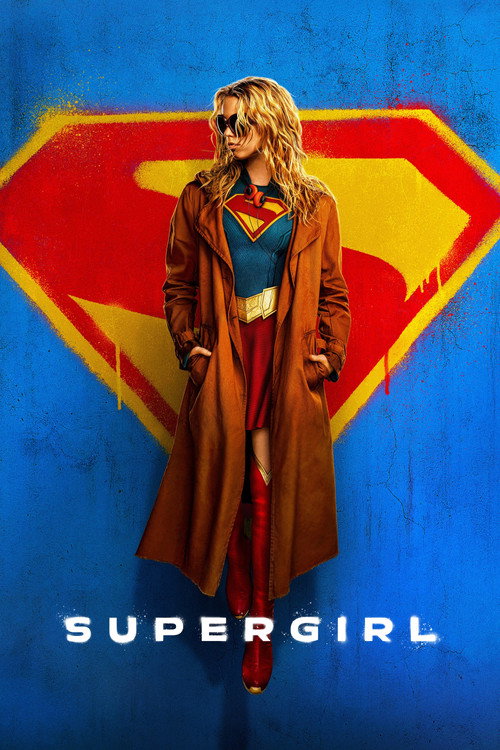
…jukebox musical (Joker: Folie à Deux)…
Advertisement
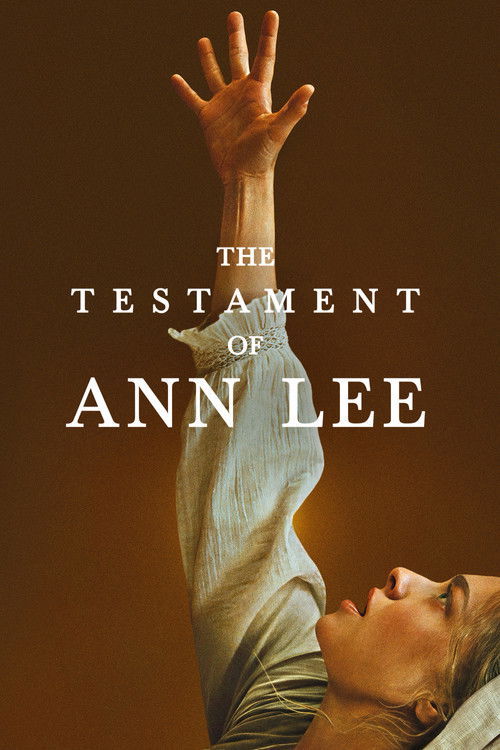
The last time I reviewed a film like this, for this very site, it was “Joker: Folie à Deux” (2024), which I also loved.
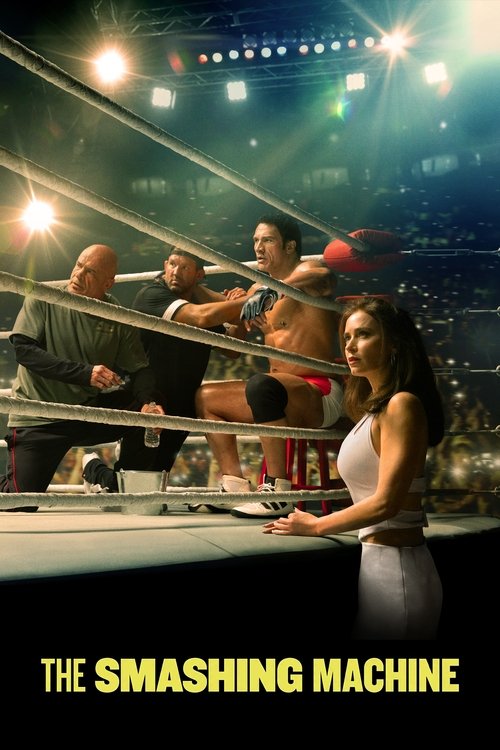
It might be subversive or innovative in the same way that “Joker: Folie a Deux” was, i.e., by subverting audience expectations by withholding and denying…

The kind of discouraging self-consciousness plaguing countless modern movie musicals like Joker: Folie a Deux and Emilia Pérez is delightfully absent.
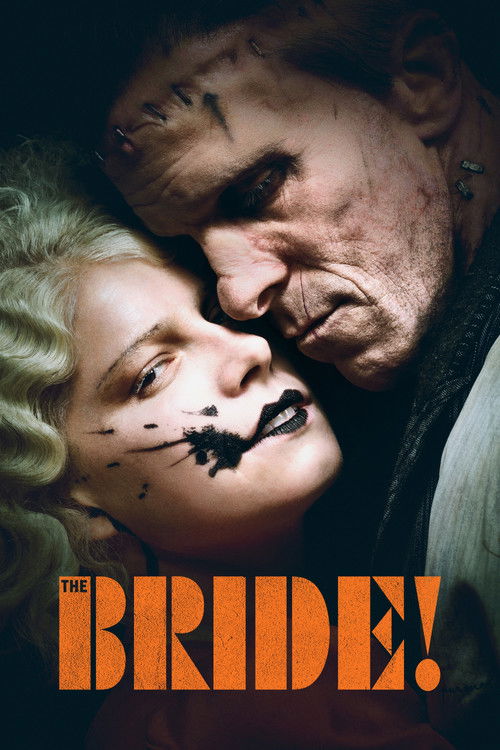
This might be where most of the Joker: Folie à Deux comparisons come in. It’s the best representation of the world that Frank and now The Bride live in—outside societal norms, riding a different electrical pulse.
Since the first teaser came out, people have compared the film to Joker: Folie à Deux, or at least, what they think it should have been.
…the musical numbers, which feel reminiscent of the godawful Joker: Folie à Deux…
The Bride! often feels like Joker: Folie à Deux if the latter had something more interesting to say. The DNA of that film is certainly present here, with Academy Award winner Hildur Guðnadóttir delivering a frantic score that even finds time to pay homage to Young Frankenstein, while Lawrence Sher’s cinematography often feels strikingly similar to the visual language he brought to Joker.
…its “theater of the mind” framing feels as if it’s borrowed straight from Joker: Folie à Deux, which the movie may well have, considering it shares a cinematographer with Todd Phillips’ two films in Lawrence Sher.
It becomes hard not to think of Joker: Folie à Deux – another sequel/spiritual reworking that mistook audacity for cohesion, and spectacle for emotional clarity. Like that film, The Bride! feels like it is at war with itself…