
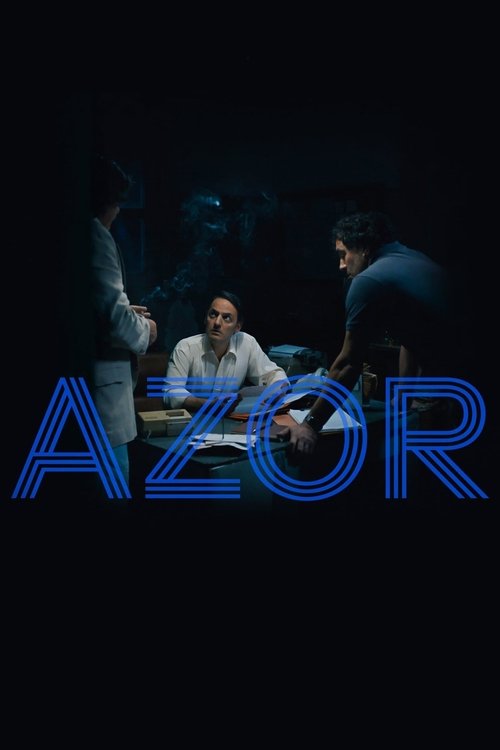
Azor (2021)
Directed by Andreas Fontana
Yvan De Wiel, a private banker from Geneva, is going to Argentina in the midst of a dictatorship to replace his partner, the object of the most worrying rumors, who disappeared overnight. Between hushed lounges, swimming pools, and gardens under surveillance, a remote duel takes place between two bankers who, despite different methods, are the accomplices of a discreet and merciless form of colonization.
1 connection found
View:
1 connections, in both directions
What critics compared Azor to
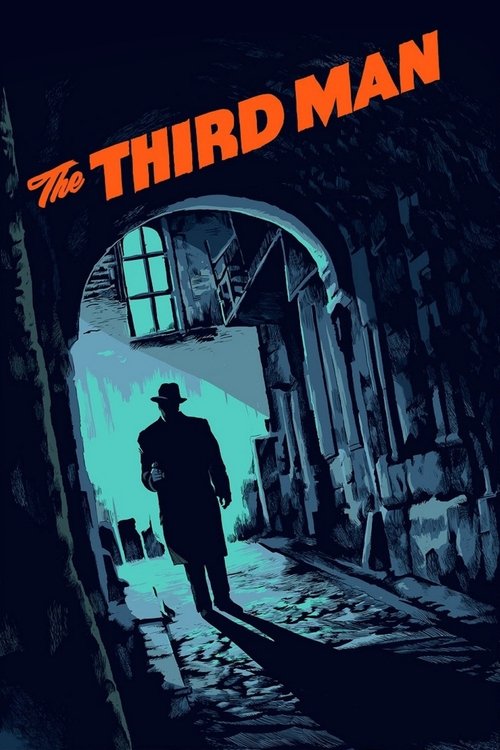


With its swampy air of unease and the figure of the enigmatic missing man, the key to the story as it were, “Azor” vaguely evokes films like Carol Reed’s “The Third Man” (written by Graham Greene), though without the narrative pulse and concerns or Hollywood glamour of that cloak-and-dagger thriller.
Still, as we count up the mysterious off-camera figures in it — Keys, a rival banker Lutz and the sinister name scribbled on a note left by Keys, the soldier Lazaro — one can’t help but be reminded of “The Third Man” and think Fontana neglects the core mystery and leaves the stakes entirely too low, or at least removed from this world of money and connections.
Whether we ever encounter Keys I shall not reveal; what matters, in any case, is that we feel we know him, because—as with Harry Lime, in “The Third Man” (1949)—his absence becomes a kind of all-pervading presence.
In this respect, it’s tempting to think of Keys — clearly a cunning individual who nurtured the intimacies his job afforded — as an absence/presence in the mold of Harry Lime in the noir classic “The Third Man.”