
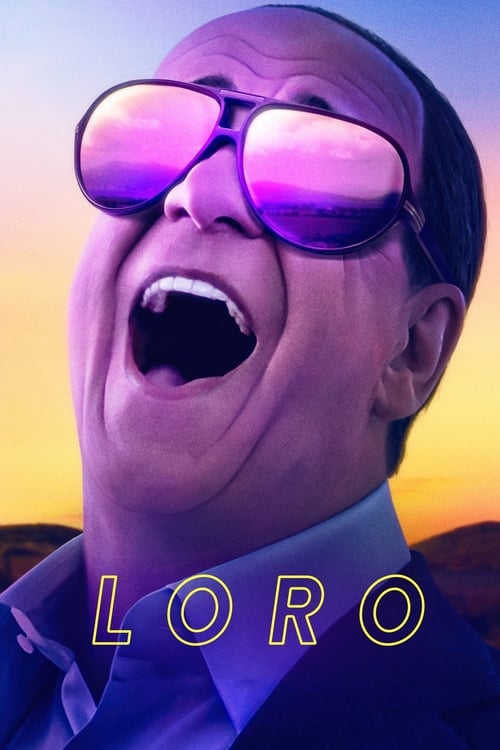
Loro (2018)
Directed by Paolo Sorrentino
Internationally released Director's Cut of "Loro 1" and "Loro 2", which were released separately as two movies in Italy. The film talks about the group of businessmen and politicians – the Loro (Them) from the title – who live and act near to media tycoon and politician Silvio Berlusconi in the years between 2006 and 2009.
2 connections found
View:
2 connections, in both directions
What critics compared Loro to
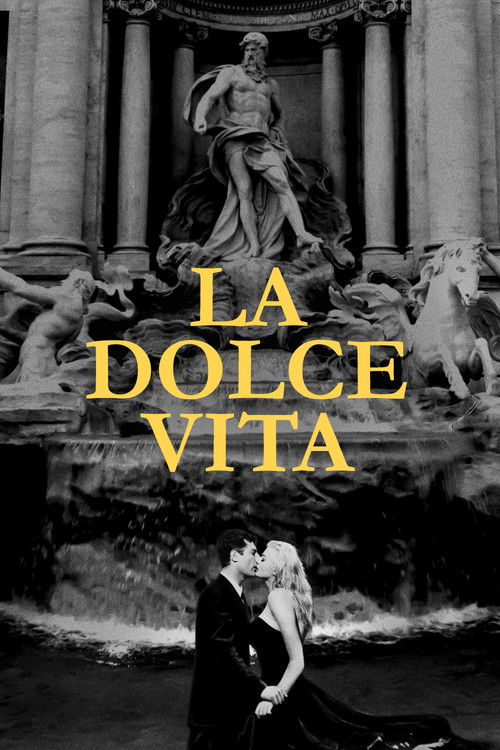


That film, which one suspects loses everything on the small screen, was, in essence, a great, frothy homage to Federico Fellini's masterpiece, La Dolce Vita.
Combining the social satire of Fellini with the sinful hedonism of latter-day Scorsese – think La Dolce Vita via The Wolf of Wall Street – the party sequences are a riot of decadence.
In 2014 Paolo Sorrentino won the Academy Award for Best Foreign Language Film for The Great Beauty , a movie that updated Fellini’s La Dolce Vita for the age of Silvio Berlusconi.
It is an obvious and unearned quotation of the beginning of Fellini’s masterpiece La Dolce Vita , when a helicopter carries a crucifix over Rome.
Scamarcio gives off a whiff of Tony Curtis in “Sweet Smell of Success,” and also of Marcello Mastroianni in “La Dolce Vita,” though his milieu makes theirs look positively antiseptic.
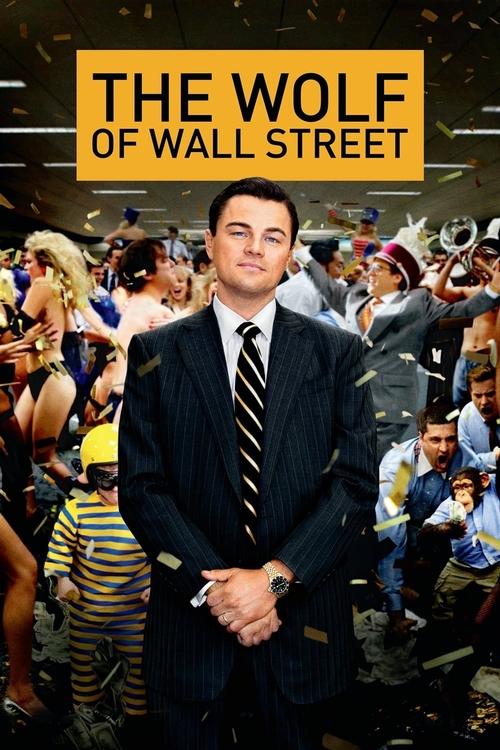
It feels like Sorrentino’s nod to The Wolf of Wall Street, but it’s not at all in keeping with the tone of the rest of the film.
It’s a stance Scorsese has taken on many an occasion ( The Wolf of Wall Street comparisons are hard to escape here) but his editor, Thelma Schoonmaker, understands the need for forward momentum and leaving the pretensions at home.
A wild ride of a movie through the life and oh-so-good times of Silvio Berlusconi, Italy’s once and future (maybe?) prime minister (and media magnate), it recalls Martin Scorsese’s 2013 The Wolf of Wall Street in its cinematic glorification of excess in the name of condemning that excess.
The effect of these many parties is akin to the ceaseless soirees of The Wolf of Wall Street : You instinctively turn away, find yourself drawn back like a moth to a flame, revel in the chaos, then become endlessly bored by it.
Hard to say what it is, beyond a sprawling mess that caters so exclusively to the male gaze it makes The Wolf of Wall Street look like a children’s tea party.
Combining the social satire of Fellini with the sinful hedonism of latter-day Scorsese – think La Dolce Vita via The Wolf of Wall Street – the party sequences are a riot of decadence.