
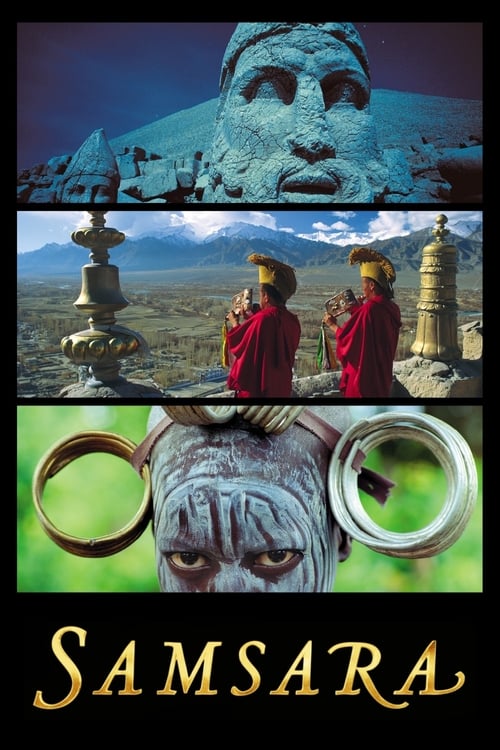
Samsara (2011)
Directed by Ron Fricke
Filmed over nearly five years in twenty-five countries on five continents, and shot on seventy-millimetre film, Samsara transports us to the varied worlds of sacred grounds, disaster zones, industrial complexes, and natural wonders.
8 connections found
View:
8 films that influenced Samsara
What critics say influenced Samsara
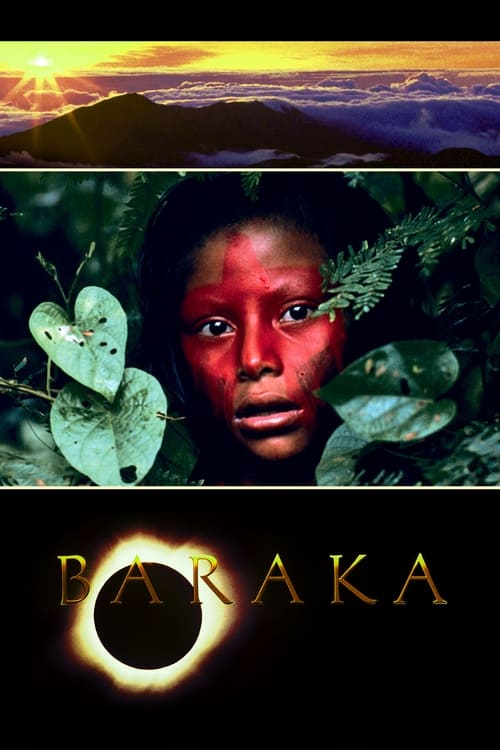


Fricke, who directed another wordless documentary, “Baraka,” in 1992, presents a stream of filmed images.
Director/cinematographer Ron Fricke follows his 1992 visual excursion/high-end stoner classic Baraka with the narrative-free, lush 70mm Samsara, another documentary that travels the world in search of glorious imagery, guided by and structured around a vague spirituality.
Director-photographer Ron Fricke (Koyaanisqatsi, Baraka) seems to be making a spiritual statement about the unity of life (the title is a Sanskrit word meaning "cyclic existence"), but any sincerity inherent in the project is overwhelmed by the manufactured awe of its godawful New Age score.
“Samsara” is a sumptuous film by Ron Fricke, who directed “Baraka” and was cinematographer of “Koyaanisqatsi.”
The results, as in the previous films Fricke has photographed, including "Baraka," "Chronos" and "Koyaanisqatsi," can take your breath away.
Whether it strikes you as a profound, perspective-shifting spiritual travelogue, or the cinematic equivalent of a forgettable New Age music loop, this follow-up to 1992’s Baraka by director Ron Fricke and producer Mark Magidson nails its intent as “guided meditation.”
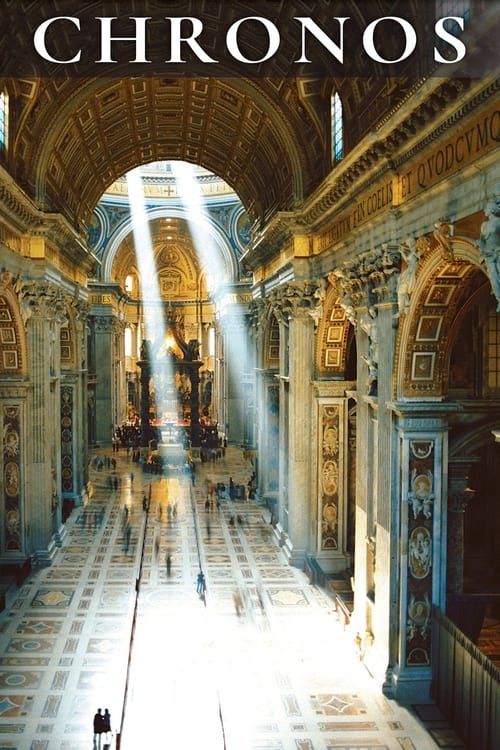
The results, as in the previous films Fricke has photographed, including "Baraka," "Chronos" and "Koyaanisqatsi," can take your breath away.
Much like his films “Chronos,” or “Koyaanisqatsi”, Fricke’s “Samsara” (the word is Sanskrit for “continuous flow,” referring to the cycle of life) is a wordless documentary that is essentially a continuous flow of arresting images, sometimes sped up with time-lapse photography.
Fricke then embarked on similar films of his own: 1985's “Chronos” and 1992's “Baraka.”
“Samsara,” from the filmmaking team behind the wordless docs “Baraka” and “Chronos,” and clearly influenced by such earlier works as “Koyannisqatsi” and “Powaqqatsi,” sends a mixed message: By eschewing dialogue, narration or any descriptive text, the film demands that a viewer supply his own interpretation of the incredible images on display.
And unlike Fricke and Magidsons previous two efforts in this vein, Chronos (1985) and Baraka (1992), viewers now have the ability to travel anywhere while sitting in bed and clicking links on YouTube.
This film, like Koyanisqaatsi and Chronos (which Ron Fricke photographed) and Baraka (which he directed), is a plot-less, wordless collection of images.
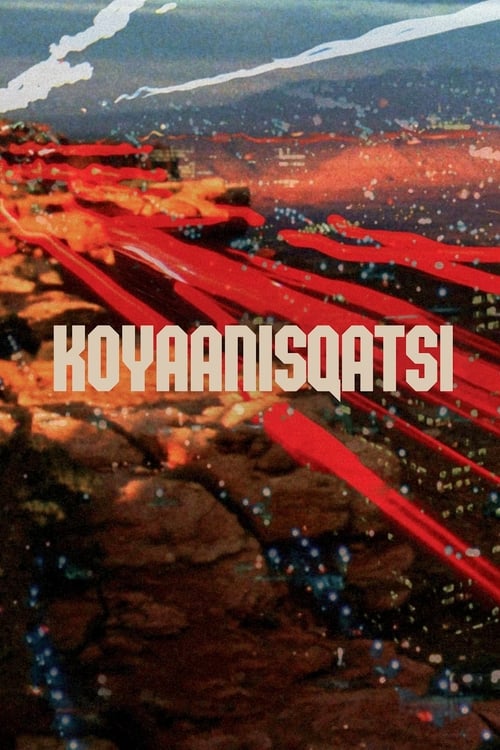
Director-photographer Ron Fricke (Koyaanisqatsi, Baraka) seems to be making a spiritual statement about the unity of life (the title is a Sanskrit word meaning "cyclic existence"), but any sincerity inherent in the project is overwhelmed by the manufactured awe of its godawful New Age score.
“Samsara” is a sumptuous film by Ron Fricke, who directed “Baraka” and was cinematographer of “Koyaanisqatsi.”
The results, as in the previous films Fricke has photographed, including "Baraka," "Chronos" and "Koyaanisqatsi," can take your breath away.
Much like his films “Chronos,” or “Koyaanisqatsi”, Fricke’s “Samsara” (the word is Sanskrit for “continuous flow,” referring to the cycle of life) is a wordless documentary that is essentially a continuous flow of arresting images, sometimes sped up with time-lapse photography.
Thirty years ago, a popular film on the midnight-movie circuit was “Koyaanisqatsi.”
Its director and co-writer, Ron Fricke, served as a writer and cameraman on Koyaanisqatsi and made several similar docs, including 1992's Baraka — so his message is pretty clear.
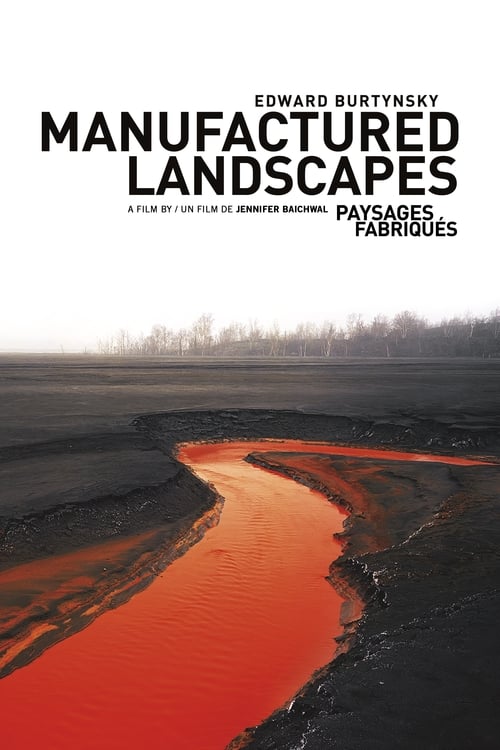
Manufactured Landscapes showed us the detritus of the west being picked apart by Asian workers, then showed different Asian workers assembling new junk for the west to use up.
A scene showcasing the assembly-line tactics at a Chinese factory seems to have been lifted (stylistically and thematically) from Jennifer Baichwal’s Manufactured Landscapes.

But it's also a ravishing meditation on life's dance in the shadow of death, featuring a "Midnight Express" flash mob and a young girl gravely shouldering her hot-pink rifle.
Advertisement
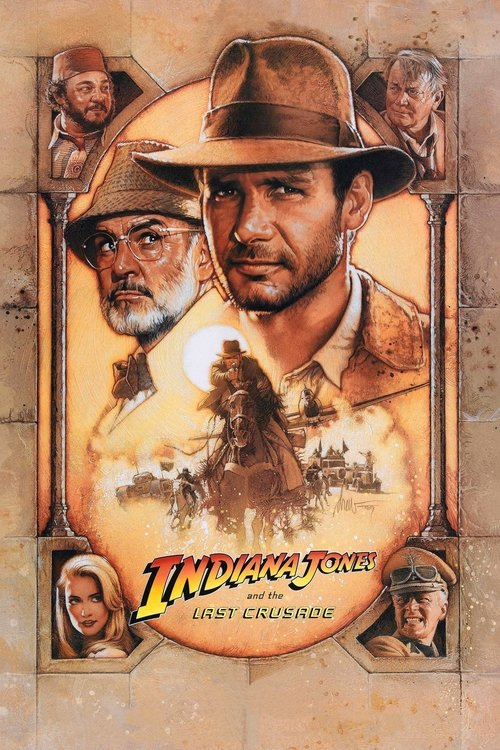
That carved-rock city is Petra, as seen in “ Indiana Jones and the Last Crusade .”

The profusion of orange gates is the approach to Kyoto’s Inari Shrine, familiar from “ Memoirs of a Geisha .”

And there’s Tokyo’s bustling Hachiko intersection, which turned up not only in “ Lost in Translation ” but also in “Baraka.”