
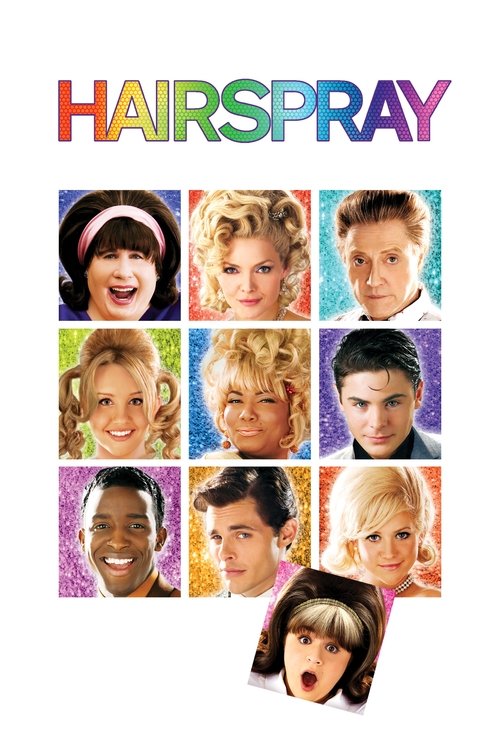
Hairspray (2007)
Directed by Adam Shankman
Pleasantly plump teenager Tracy Turnblad auditions to be on Baltimore's most popular dance show - The Corny Collins Show - and lands a prime spot. Through her newfound fame, she becomes determined to help her friends and end the racial segregation that has been a staple of the show.
7 connections found
View:
7 connections, in both directions
What critics compared Hairspray to


By embracing these Hollywood trappings, he foreshadowed his eventual move into the industry where he proved highly successful with "Hairspray," "Cry Baby," and "Serial Mom."
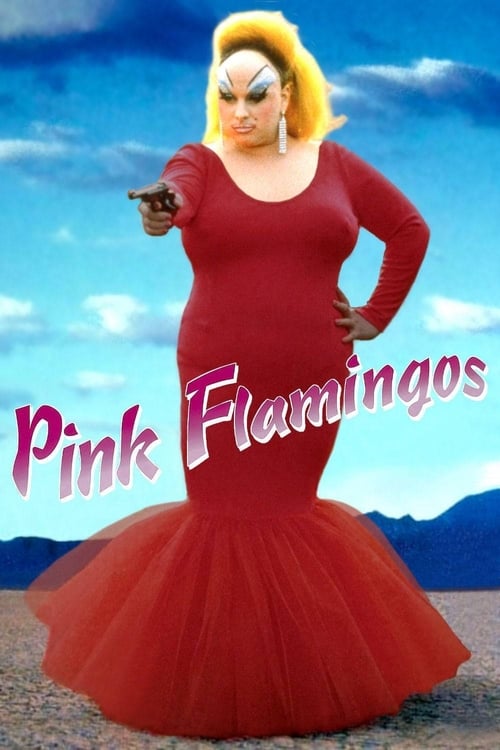
Focused on the backbiting world of a downscale, early-'60s "American Bandstand," this cheery tale of a plus-sized teenager who twists her way to the top while bringing racial integration to the airwaves certainly wasn't the assault on American sensibilities that Waters' earlier "Pink Flamingos" (1972) and "Female Trouble" (1974) were.
Back when prankish writer-director John Waters was shocking midnight-movie audiences by showing an obese transvestite devouring dog feces in Pink Flamingos, his 1988 movie Hairspray was almost unthinkable: How could Waters make a movie that the whole family could enjoy?
I've always suspected that John Waters made the original Hairspray in order to trick suburbanites into renting Pink Flamingos.
When John Waters made Hairspray back in 1988, he'd already thrown a dimmer switch on his patented "outrageous" quotient, considerably toning down the in-your-face satire and campy gay sensibility that brightened the likes of Polyester and Pink Flamingos.
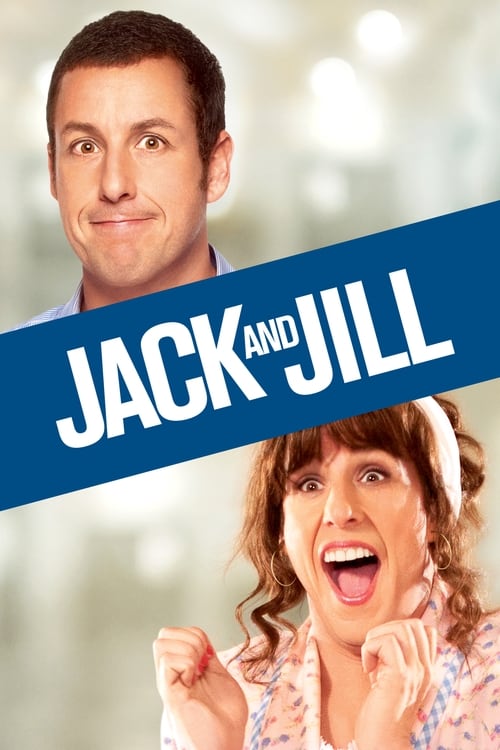
Review: John Travolta (Hairspray), Robin Williams (Mrs.
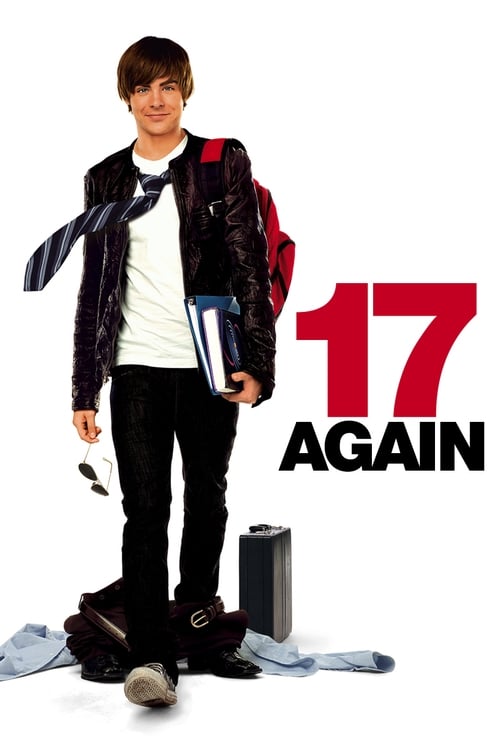
Due to its unimaginative premise and pedestrian treatment, "17 Again" comes off as one thing only: a flimsy star vehicle for Zac Efron (2007's " Hairspray ").
Mamma Mia! (2008) took a staggering $609m at the international box-office and not far behind have been the likes of Chicago (2002) with $306m, High School Musical 3 (2008) with $252m, and Hairspray (2007) with $202m.
Advertisement
I marvel at how well the songs, written by Marc Shaiman ("South Park: Bigger, Longer & Uncut") and Scott Wittman, hit their targets.
Directors such as Bill Condon (Dreamgirls) and Adam Shankman (Hairspray) have a much greater knowledge of film techniques, and they did a vastly superior job of using techniques to make their musicals feel less stage-y and more cinematic.
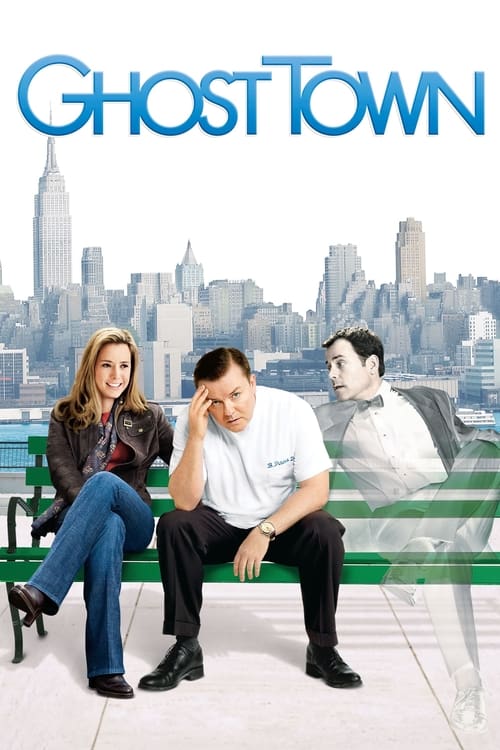
Kinnear is as dapper as Cary Grant in "Topper" (reportedly being remade by "Hairspray" director Adam Shankman), and the "smock-wearing tooth jockey" Gervais is his portly and verbally crude opposite.