
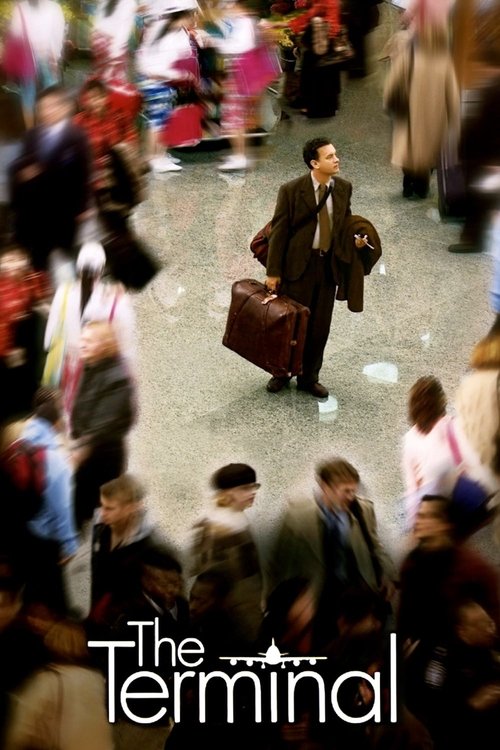
The Terminal (2004)
Directed by Steven Spielberg
An Eastern European tourist unexpectedly finds himself stranded in JFK airport, and must take up temporary residence there.
18 connections found
View:
18 films that influenced The Terminal
What critics say influenced The Terminal



(Tom Hanks has something of Hulot’s demeanor in Steven Spielberg’s fish-out-of-water comedy The Terminal.)
It was the direct inspiration for " The Terminal ," for which Stephen Spielberg built a vast set of a full-scale airline terminal.
Film buffs will recall that this is essentially the same thing that Jacques Tati did when he was making his classic comedy "Playtime" (which is being re-released later this summer).
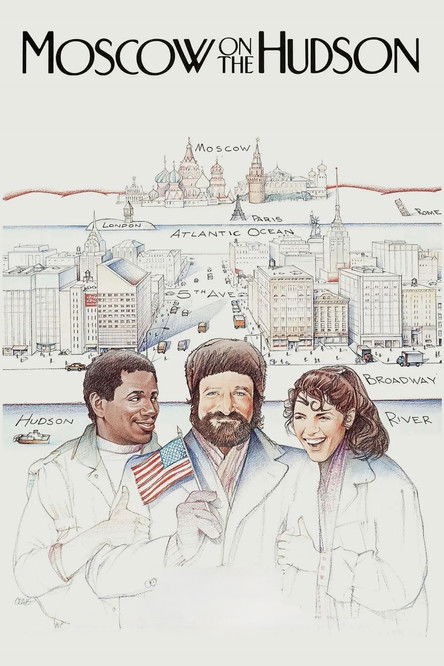
There are bumpy moments in Sacha Gervasi and Jeff Nathanson's screenplay (Viktor learns English even more quickly than Robin Williams' Vladimir in "Moscow on the Hudson"), and the film feels just a tad overlong, but ultimately "The Terminal" creates an intricate, fairy-tale world of its own.
Combine the stoic resolve of Charlie Chaplin's little tramp with the wonderment of Robin Williams' beleaguered defector in Moscow on the Hudson and you've got Viktor--an innocent abroad whose life skills are about to be sorely tested.
Hanks, in one of his worst performances, plays Viktor Navorski, a funny Eastern European in the tradition of Andy Kaufmans La tk e and Robin Williamss Vladimir in Moscow on the Hudson.
And by regarding the film as a neo-Moscow on the Hudson (same pidgin accent from a television comedian-turned-Oscar-winner, same institutional setting, same formula love story), the timing of The Terminal is indeed interesting: like 1984's appalling Moscow on the Hudson, the picture appears late in the first term of a Republican president who has led us into record deficit and unprecedented international instability.

Tom Hanks, once again, shows his tremendous acting ability and here takes on the task, a la Meryl Streep in “Sophie’s Choice,” in creating a realistic accent and, convincingly, speaking a foreign language like a native.
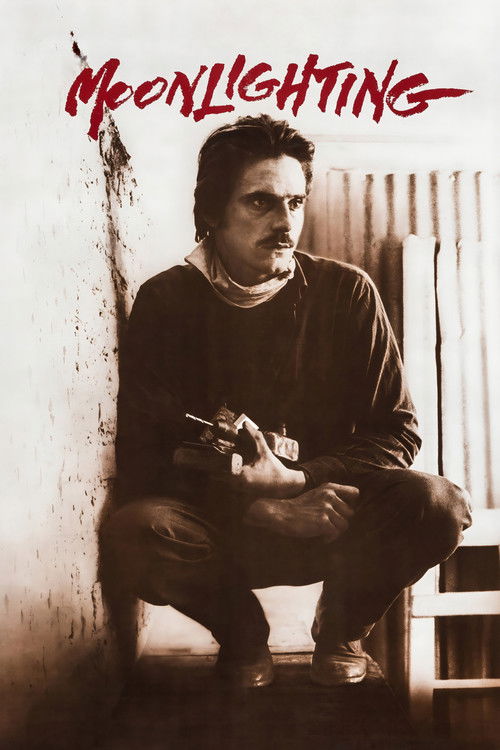
As for the existential trauma of disenfranchisement and anomie, one look at Jerzy Skolimowskis 1982 Moonlighting shows up the scene in which Hanks runs heartbroken from monitor to monitor watching news broadcasts of his countrys collapse.
The metaphor, later picked up by Spielberg in The Terminal, is enriched stunningly by Skolimowski�s humorous detailing: A security camera bleeps over a supermarket floor like a porcupine satellite, characters vent their frustrations by taking pick-axes to walls but the house fights back with faulty wires and exploding pipes.
Advertisement
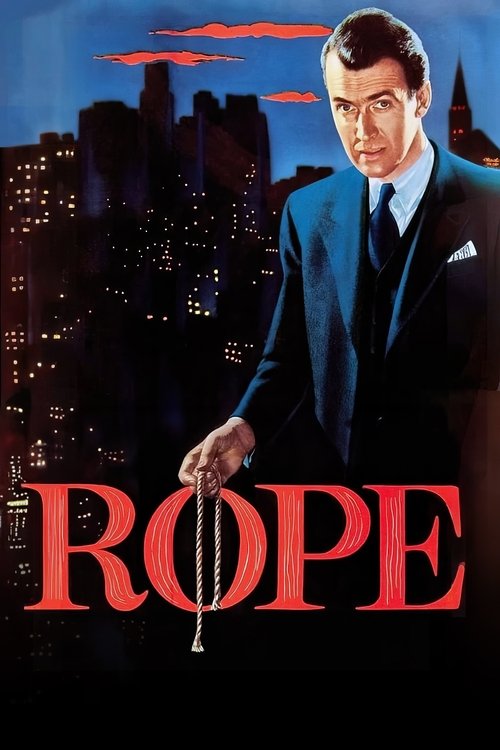
Alfred Hitchcock's Rope might be the first of the films in which definite characters occupy a finite amount of space for the duration of an entire film.
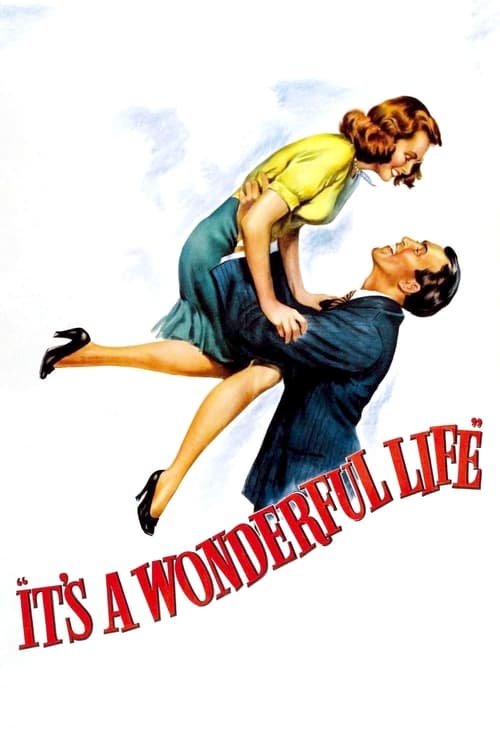
Eventually, The Terminal swells up to full Capra idolatry, surrounding Viktor with his new friends in shots that make It's a Wonderful Life look like a chilly art-house film.

But The Terminal is film-festival offensive, encouraging its audience to coo over the adorable antics of its madcap cast of society's blue-collar "invisibles" (playing in this respect like the slick, imminently forgettable version of Stephen Frears' working class morality play Dirty Pretty Things ) in a way that isn't sympathetic so much as paternalistic.

…does a little borrowing himself: Navorski adapts to the terminal in the same way Hanks' Chuck Nolan survives the island in Cast Away.
He's practically the whole show, as he was in Cast Away (which this movie resembles in its theme of a marooned man making the best of a bad situation), and he works up a satisfyingly twisty accent that loosens up a bit as the movie goes on and Viktor learns more English.
Up to this point Hank's performance is reminiscent of a cross between his characters in "Cast Away" and "Big."
Think of "The Terminal" as a less somber, less unintentionally ridiculous and more visually stimulating version of Robert Zemeckis' "Cast Away," with Hanks once again figuring out how to eat, where to sleep and how to amuse himself in an inhospitable environment.
The screenplay is ingenious much like another Hanks� masterwork, Cast Away, in that it must now invent ways for Viktor to avoid starving and learn English to get himself around this waiting room to the Land of the Free.
The first half of “The Terminal” is essentially a survival story — “Cast Away” with fast food franchises instead of palm trees.
Advertisement
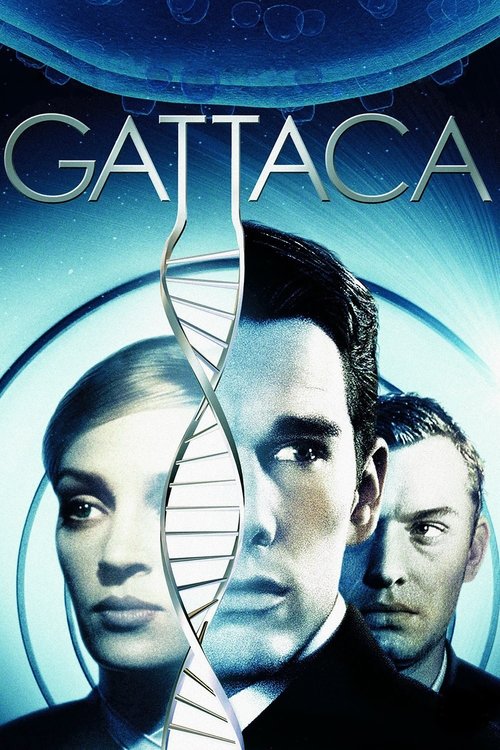
Okay, from the top: the name of the stranded person is Andrew Niccol, possibly already known to you as the proficient if recurrently paranoiac screenwriter of Gattaca and The Truman Show .
Loosely based on a true story, sci-fi premise-master Andrew Niccol (Gattaca, The Truman Show, Simone) fashions a story so layered that, in the hands of a director as talented as Spielberg, it seems capable of being a great film.
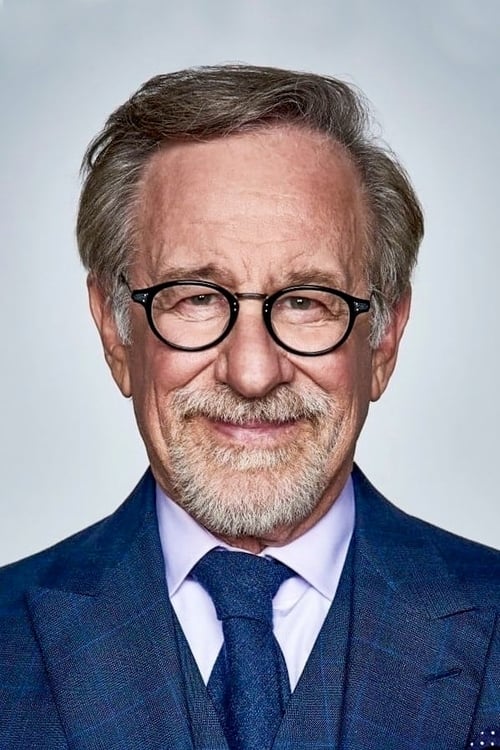

If Spielberg has never made a convincing romance — his one previous venture into the form was the widely (if, to my mind, excessively) derided 1989 flop Always — neither is he comfortable with realism.

It's a lovely, complicated visual metaphor for abandonment or freedom, for Spielberg the scenarist's twin obsessions with the idea of little boys lost and of little boys escaping and for Spielberg the director's inability to take responsibility for his subtext so that he might finally make that mature film he's so desperately wanted to since The Color Purple .
Sad that the Spielberg of The Terminal seems content to engage in sequences of crude slapstick that, unlike Harpo’s numerous pratfalls in The Color Purple, are less a product of soulful insight then they are the mischievous diversions of a crowd-pleaser.
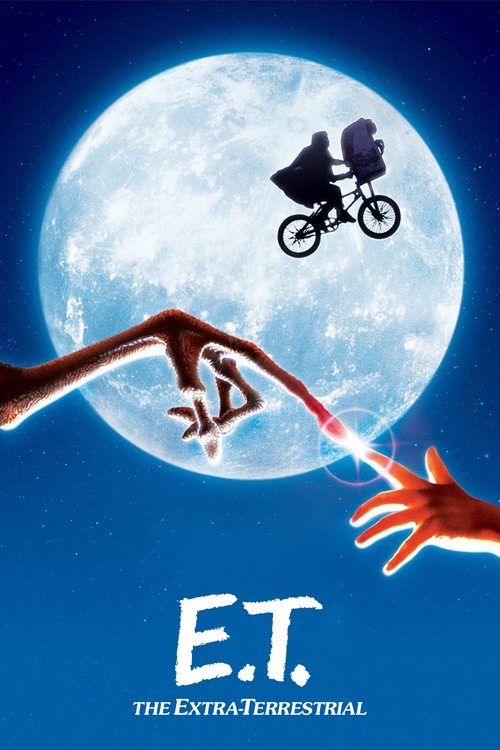
Viktor learns English over the course of several weeks by watching the terminal’s CNN feeds (for other characters learning English by watching TV, see Spielberg’s “E.T.” or Hanks’ “Splash”), and by locating a travel guide in English and the same one in Krakozhian and comparing them.
No, it’s not E.T., but rather The Terminal, an uneven blend of comedy, romance, and corniness about an Eastern European immigrant (Tom Hanks’ Viktor Navorski) confined to an airport when his fictional native country of Krakozia undergoes a coup and his traveling papers are rendered null and void.
But Spielberg sees him like a more animated version of ET, a curious figure who helps everyone else learn about patience and the virtue of waiting for the right moment.
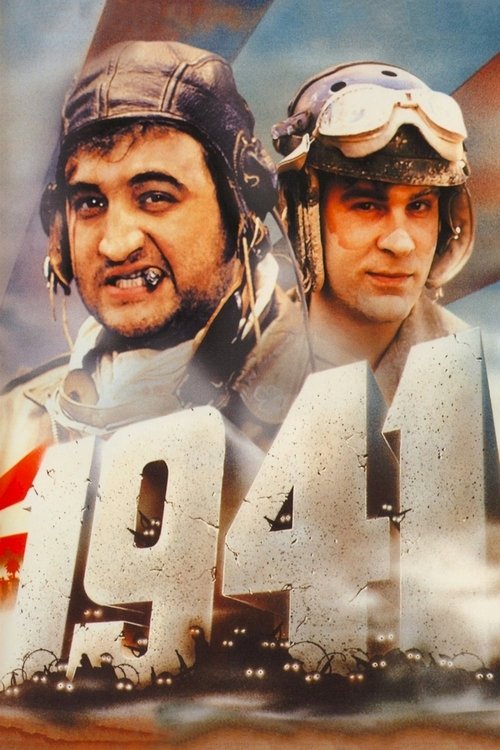
To date, he has made exactly one good comedy-the brilliant, misunderstood and unappreciated "1941"-and that worked precisely because the entire film was itself a study in over-the-top hysteria; his method fit the material perfectly.
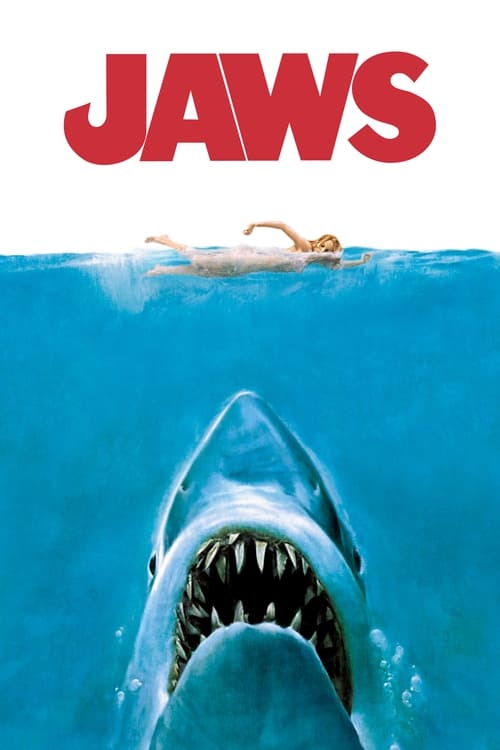
But one can't help thinking that he did this sort of minimalism better, and with much more verve, in early thrillers like Duel and the last hour of Jaws.
The director who inadvertently invented the summer blockbuster with the release of Jaws in 1975 has now moved into a more populist phase of his career that tries to introduce democratic ideals and "significance" into his resolutely mainstream movies.