
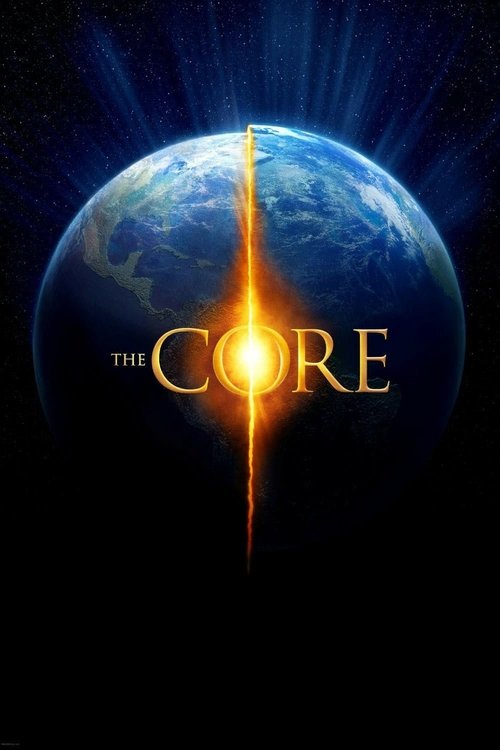
The Core (2003)
Directed by Jon Amiel
Geophysicist Dr. Josh Keyes discovers that an unknown force has caused the earth's inner core to stop rotating. With the planet's magnetic field rapidly deteriorating, our atmosphere literally starts to come apart at the seams with catastrophic consequences. To resolve the crisis, Keyes, along with a team of the world's most gifted scientists, travel into the earth's core. Their mission: detonate a device that will reactivate the core.
22 connections found
View:
22 films that influenced The Core
What critics say influenced The Core
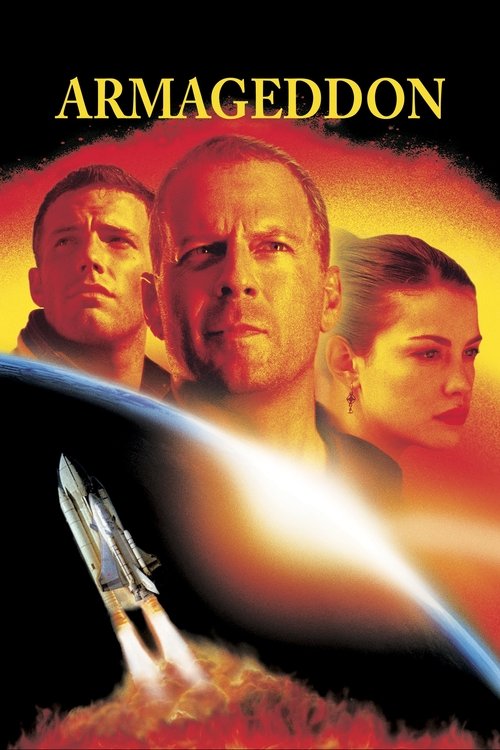


Unlike, say, the 1998 "Armageddon," in which entire cities were slaughtered just to move the sleeping giant of a plot around, most of the catastrophes here are as carefully engineered by Mr. Amiel and his crew as those episodes of "The A-Team," which started out soothing viewers with the announcement that no one had been hurt during the stunts.
Recent "end of the world" movies, like Armageddon and Deep Impact, were memorable for little more than being loud, and the trailer for this movie makes it look like it's cut from the same cloth.
It regurgitates the genre’s clichés until the point where it becomes Armageddon , but without that dud’s insipient American jingoism, macho posturing and crappy Aerosmith songs.
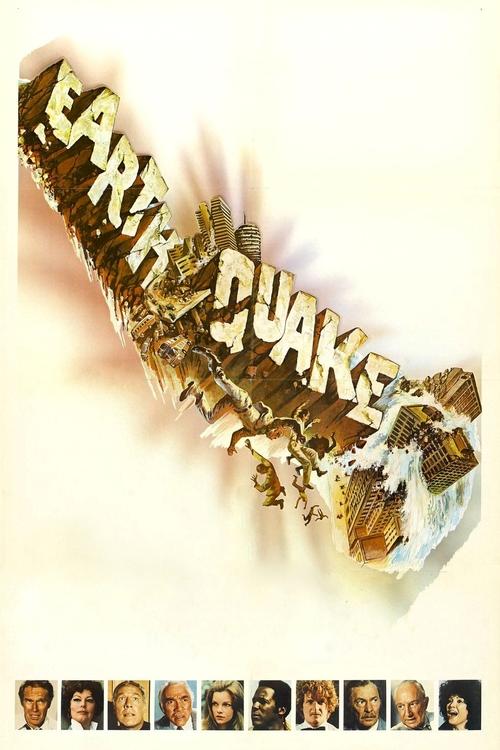
El filme, dirigido por el bastante pasable Jon Amiel (La Emboscada, Sommersby), cumple perfectamente con los parámetros de las películas de desastres que tanto auge tuvieron a mediados de los 50 (como representaciones simbólicas del miedo estadounidense al comunismo y las consecuencias de la Guerra Fría) y a finales de los 90 (con el miedo inherente al mentado cambio de milenio que, supuestamente, traería una serie de calamidades para la humanidad), de las cuales algunos ejemplos van desde El Dïa Que Paralizaron La Tierra (The Day The Earth Stood Still, 1951) hasta Terremoto (Earthquake, 1974), Día de la Independencia (Independence Day, 1996), Tornado (Twister, 1997) o Armageddon (1998).
Every film requires a certain degree of "suspension of disbelief", but films like "Armageddon", "The Core", and other disaster flicks all present realistic scenarios then try to get you to buy science that even a 5th grader could tell you is bogus.
The Core is probably betting that people are more fatigued by the Riefenstahl-ian "embedded" live coverage of our troops in action than by their over-familiarity with this kind of Armageddon /Deep Impact/Poseidon Adventure falderal, when the truth is that it's possible to be tired of both.

Tchéky Karyo, my new favorite unshaven French actor (you can see him next week in The Good Thief, Neil Jordan's fun remake of Bob le Flambeur [1955]), plays an endearing French researcher called Sergei, and Stanley Tucci is a hoot as a plummy-voiced prima donna celebrity-scientist who might have inadvertently caused the whole core mess in the first place.

Visual Effects Supervisor Gregory L. McMurry ("Queen of the Damned") employs thirty foot crystals within a geode that casts the terranauts in unnatural light and a free-falling Virgil as realistic as anything in 1966's "Fantastic Voyage."
El filme, dirigido por el bastante pasable Jon Amiel (La Emboscada, Sommersby), cumple perfectamente con los parámetros de las películas de desastres que tanto auge tuvieron a mediados de los 50 (como representaciones simbólicas del miedo estadounidense al comunismo y las consecuencias de la Guerra Fría) y a finales de los 90 (con el miedo inherente al mentado cambio de milenio que, supuestamente, traería una serie de calamidades para la humanidad), de las cuales algunos ejemplos van desde El Dïa Que Paralizaron La Tierra (The Day The Earth Stood Still, 1951) hasta Terremoto (Earthquake, 1974), Día de la Independencia (Independence Day, 1996), Tornado (Twister, 1997) o Armageddon (1998).
Advertisement
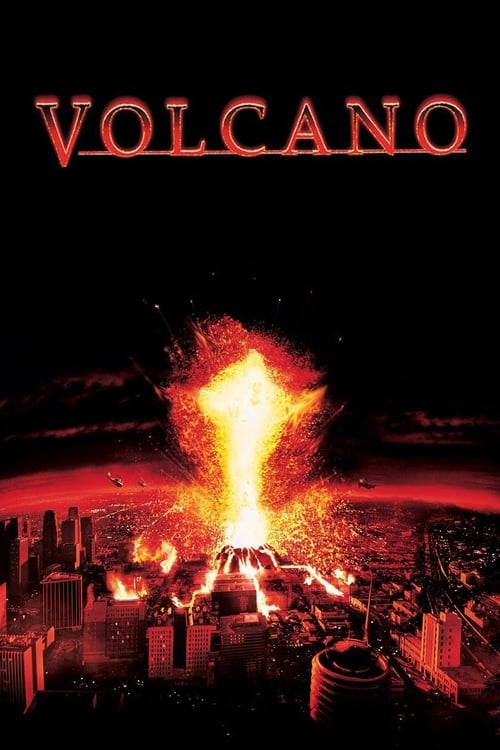
Being a disaster movie, The Core is more notable for how many things it borrows than how many things it invents: in this case, the general shape of the first act from 1997's Volcano (man, Volcano, there's a movie I haven't thought about in a fucking lifetime) - or the exact, specific first act from 2009's 2012 , if only it had existed at the time - is welded onto the second and third acts of 1998's Armageddon .
Famed blockbuster filmmaker Irwin Allen would be pleased as punch to see that his tradition of big, loud action flicks that pits man against nature-induced disaster, such as "The Poseidon Adventure" and "The Towering Inferno," is still alive.

The most striking visual calamity occurs in London's Trafalgar Square, which endures a variation of Alfred Hitchcock's The Birds.
Flocks of pigeons forget how to navigate, swooping down into crowds of unsuspecting citizens, as though they were auditioning for the next made-for-TV sequel to The Birds.

For two refreshing takes on the genre, check out Peter Weir's Fearless (1993) and Don McKellar's Last Night (1998).
Advertisement

He was the epitome of evil male chauvinism in Your Friends & Neighbors and In the Company of Men.

He was the epitome of evil male chauvinism in Your Friends & Neighbors and In the Company of Men.

Most of the fun here comes from the tart chatter between the heroes, including a humble geophysicist (Aaron Eckhart, who looks like he hasn't combed his hair since "Possession"), a snotty science superstar (Stanley Tucci) and the tough female astronaut (Hilary Swank) who longs for her own command.
When 32 pacemaker wearers drop dead in Boston and misguided pigeons wreck havoc in London's Tralfalgar Square Geophysicist Dr. Josh Keyes (Aaron Eckhart, "Possession") forms a theory that a problem with the earth's electromagnetic field, formed by the rotation of the earth's core, is causing the peculiar events.
"The Core" also calls to mind "Independence Day" in its willingness to pulverize world-famous landmarks (the Colosseum in Rome, for starters) for the sheer spectacle of it.
El filme, dirigido por el bastante pasable Jon Amiel (La Emboscada, Sommersby), cumple perfectamente con los parámetros de las películas de desastres que tanto auge tuvieron a mediados de los 50 (como representaciones simbólicas del miedo estadounidense al comunismo y las consecuencias de la Guerra Fría) y a finales de los 90 (con el miedo inherente al mentado cambio de milenio que, supuestamente, traería una serie de calamidades para la humanidad), de las cuales algunos ejemplos van desde El Dïa Que Paralizaron La Tierra (The Day The Earth Stood Still, 1951) hasta Terremoto (Earthquake, 1974), Día de la Independencia (Independence Day, 1996), Tornado (Twister, 1997) o Armageddon (1998).
The production is a mix of "Independence Day," "Armageddon" and the aforementioned Irwin Allen films as the earth-ship Virgil is constructed at breakneck speed before the Earth stops spinning, the electromagnetic field collapses and the unprotected world is incinerated from the bombardment of space-born microwaves.