
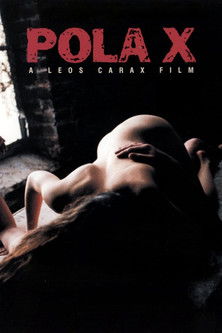
Pola X (1999)
Directed by Leos Carax
A writer leaves his upper-class life and journeys with a woman claiming to be his sister, and her two friends.
2 connections found
View:
2 connections, in both directions
What critics compared Pola X to
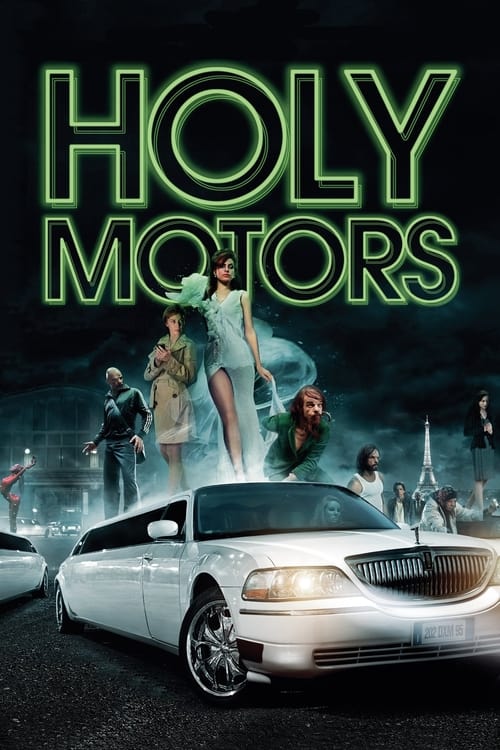


There is definitely something of the filmmaker's life in this, and surely this filmmaker's; Carax, a dense, difficult artist, has long struggled to get his movies made (his best-known feature was also his last, 1999's "Pola X," with Gerard Depardieu).
I leave it to you to extract whatever meanings you can from Carax’s Holy Motors, his first feature since 1999’s Pola X.
Thirteen years after his last feature, the madly perverse Melville adaptation “POLA X,” the Carax has retained his ability to shock and unnerve.
The movie, Carax's first full-length effort since "Pola X" in 1999, wonders what it means to be alive and constantly responding to an unseen casting director's desires.
French writer-director Leo Carax's "Holy Motors" -- his first feature since 1999's "Pola X" -- is the kind of film that critics love to throw their arms around and ponder while general audiences scratch their heads.
Rivaling The Master in the weirdness of its opening scene, Leos Carax's first film since Pola X (1999) begins with a long take of an audience staring out at the audience watching the movie.
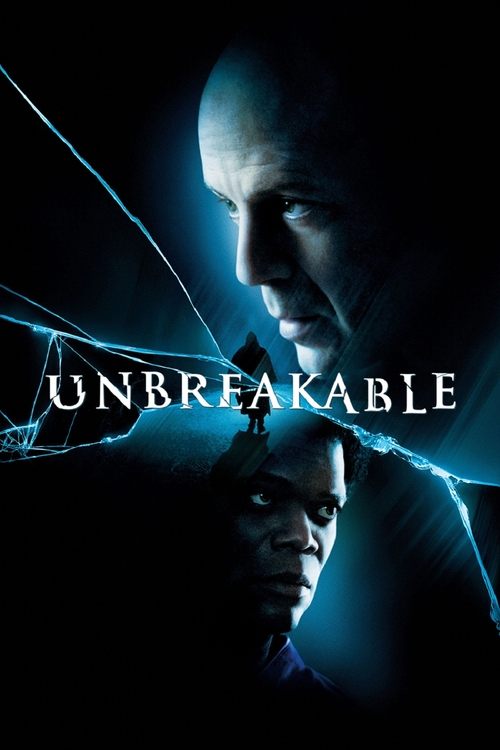
Reckless follies are a gift from the movie gods, ranging from D.W. Griffith's "Intolerance" to John Boorman's "Exorcist II: The Heretic" to any given five minutes of a film by Leos Carax, such as "The Lovers on the Bridge" or the recent "Pola X."