
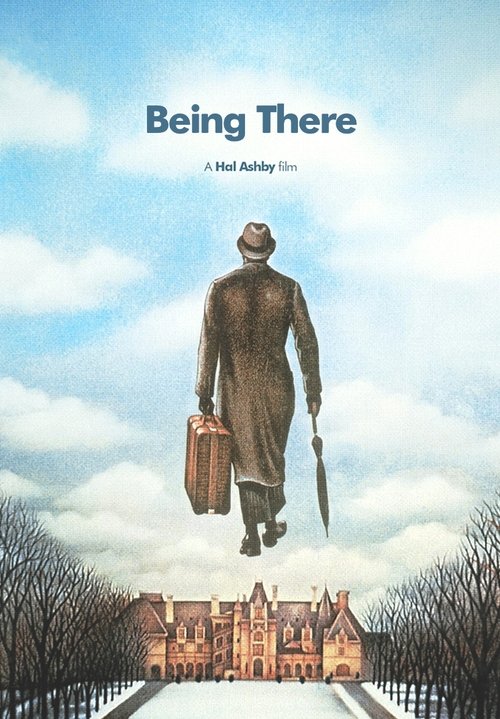
Being There (1979)
Directed by Hal Ashby
A simple-minded gardener named Chance has spent all his life in the Washington D.C. house of an old man. When the man dies, Chance is put out on the street with no knowledge of the world except what he has learned from television.
11 connections found
View:
11 connections, in both directions
What critics compared Being There to
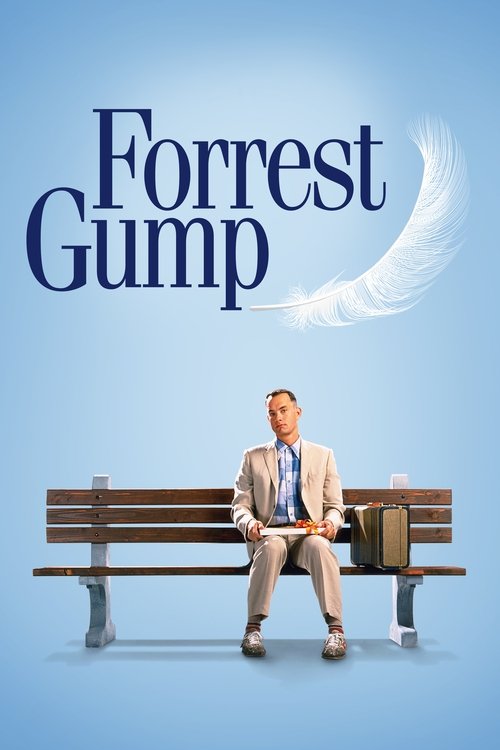


At the same time, it's kind of always obvious that the film doesn't really look on Forrest as the unambiguously noble fool that the film's reputation implies: the character's broad, molasses-slow accent and the improbable naïveté he brings to every one of his encounters with world history are certainly meant to absurd if not wholly ridiculous, and for every moment where his solemn pronouncements of folk wisdom are framed in Don Burgess's widescreen cinematography (he and Zemeckis can't figure out what do with with the 2.35:1 frame, though there are some potently beautiful landscapes here and there) and cradled by Silvestri's delicate score to be some kind of gravely significant Pronouncement of an Untarnished Soul, there's one where the film adopts a smirking, "this rube sure is a moron, and only in a country of morons could he impress so many people and have so much success" attitude that would be barely indistinguishable from Being There , if Being There was broken and atonal, and if Peter Sellers was mu…
Coming after "Being There," "Rain Man" and what seems like every film starring Johnny Depp, "Forrest Gump" is a further example of Hollywood's fascination with the mentally challenged.
Like the gardener in "Being There," Forrest benefits from a below-average IQ and an even temperament.
Imagine what a more thoughtful director could have done with Gump (think Being There ), and imagine how many terrific, pure entertainments we have missed because Zemeckis was so handsomely rewarded for making this movie.
That's the cinematic formula for "Forrest Gump," which combines the most interesting elements of "The World According to Garp," Woody Allen's "Zelig" and "Being There."
Gump has most often been compared to 1979's Being There, but there is a critical difference.
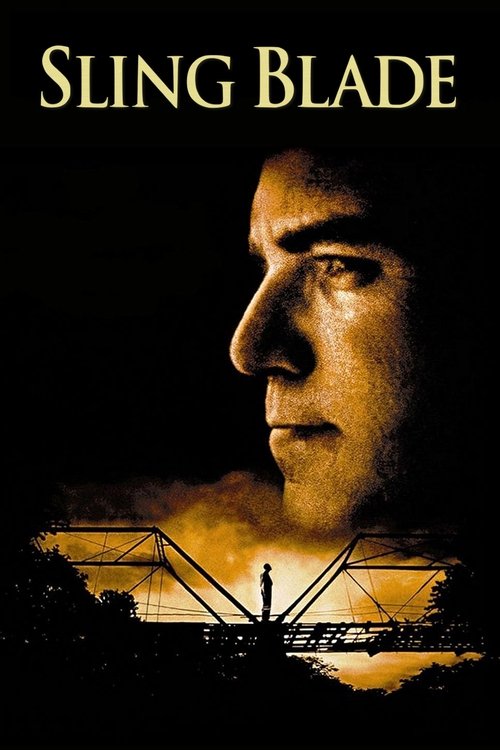
More typical and funny is a scene that recalls Peter Sellers' Being There persona, where Vaughn reveals his homosexuality to Karl and then queries the silent listener about his thoughts: “I was thinkin', I'm gonna take me some of these taters home with me.”
As a character, Karl has a surface similarity to Forrest Gump, and he may remind you, as well, of the mentally arrested holy innocents in Rain Man , Being There , or The Mystery of Kaspar Hauser .
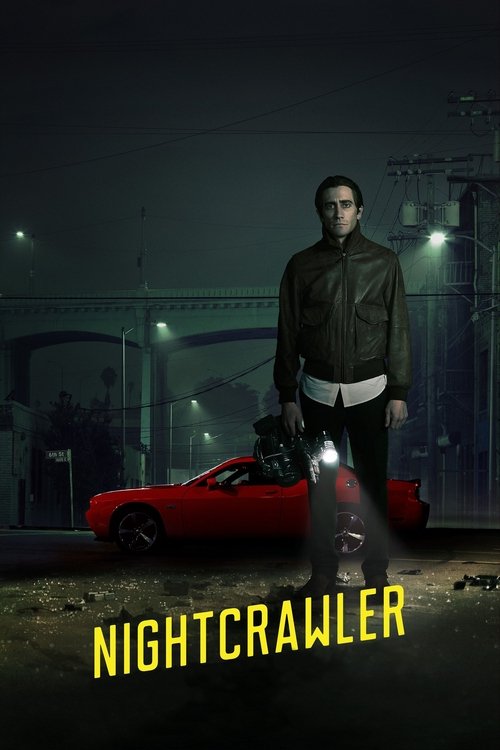
What Gyllenhaal evokes in some of these scenes is Peter Sellers’s “ Chance the Gardener ” in Being There, which was also about a savant with a warped relationship to television.

The vacuous media get a drilling in a couple of sequences recalling Being There (Hal Ashby, 1979) where two news anchors provide moronic ‘analysis’ of the erratic body language of Aladeen’s confused lookalike.
Advertisement

Midway through, though, Judge declines to make Office Space a slacker version of Being There, instead opting for a half-assed revenge of the nerds as Peter and fellow drones Michael Bolton (David Herman; and yes, the obvious jokes on the name are made) and Samir (Ajay Naidu; and no, the obvious ethnic jokes are seldom indulged) plot a computer rip-off.
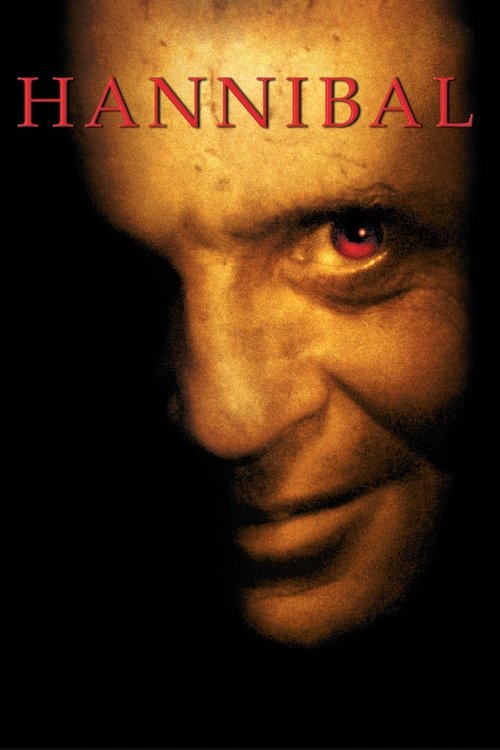
The unfathomably wealthy (home is the Biltmore Estate, which served as Melvyn Douglas and Shirley Maclaine's mansion in "Being There") and hideously disfigured Verger is a client of Barney's, being the only surviving victim of Lecter's.


Truman (Jim Carrey) vivía encerrado en un símil de los paradisiacos cabos de Florida, y Chance (Peter Sellers), en Being There, otro individuo que confunde la televisión con la realidad, podía regar plantitas y deambular por las calles.
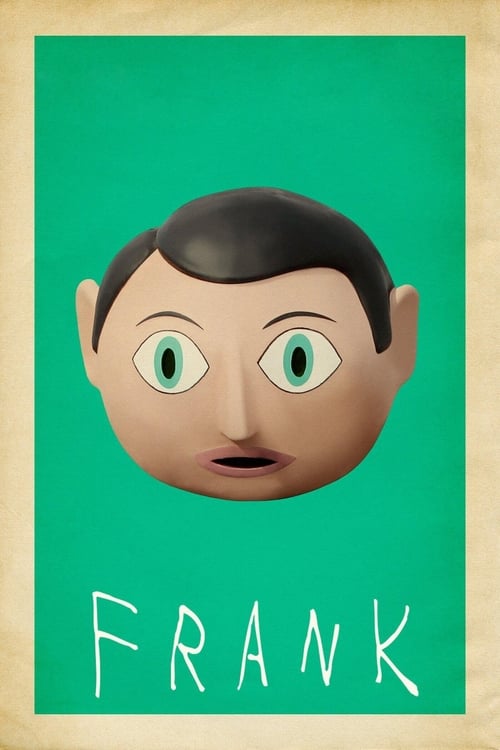
But “Frank’s” insights into human nature extend beyond the sphere of music, finding yet another fresh angle on the “Being There” fable, in which a mentally unsound man is mistaken by his peers as a prophetic figure.

The 100 Year-Old Man Who Climbed Out the Window and Disappeared (2013)
Directed by Felix Herngren
Characters
On the contrary, it seems a little bit Zelig and quite a bit Being There as well as quite a bit Forrest Gump, as much of the humour, such as it is, rests on the younger Allan not appreciating what is happening around him.
Advertisement

Oliver Stone’s become something of a softie, wrapping “World Trade Center” (2006), his 9/11 tale of heroism, in red, white and blue sentimentality, and making “W” (2008) a strange, off-the-mark lob with the surreal puffiness of “Being There” without the biting social undertones.
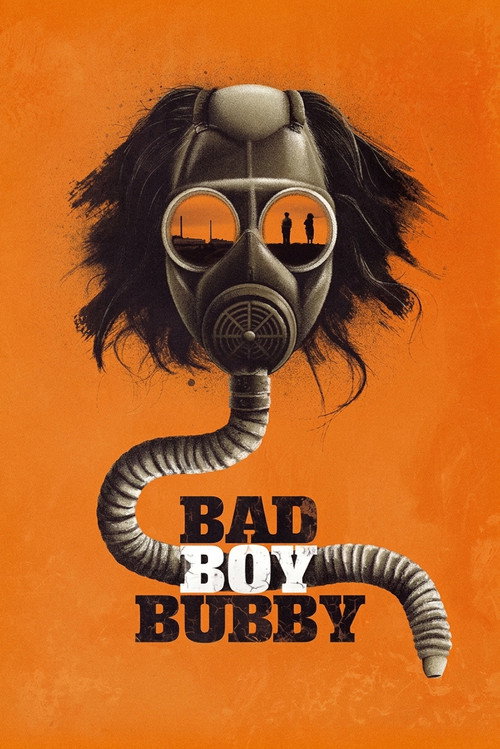
Pitched somewhere between The Enigma of Kaspar Hauser, Being There and A Clockwork Orange (with touches of Eraserhead too in its claustrophobic opening third), the film’s picaresque plot follows crazy-haired man-child Bubby (Nicholas Hope) as he emerges into the unknown world beyond the Freudian prison in which his mother (Claire Benito) has isolated him well into his adulthood.