
Hal Ashby
83 connections found

View:
Connections, in both directions
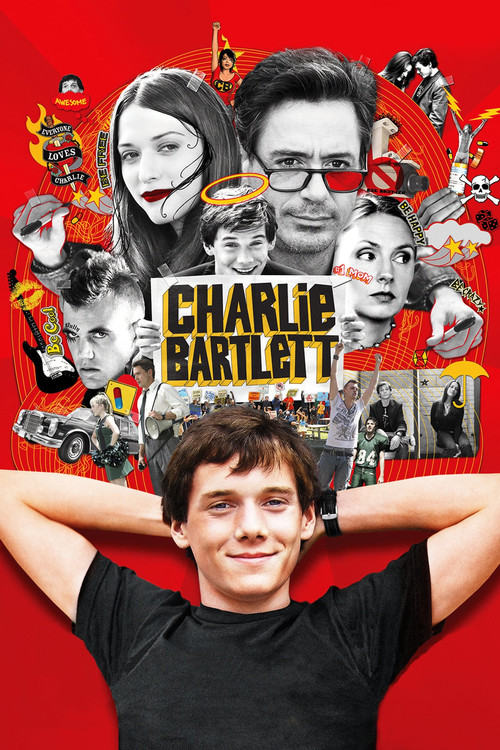
Charlie Bartlett (2008)
Directed by Jon Poll
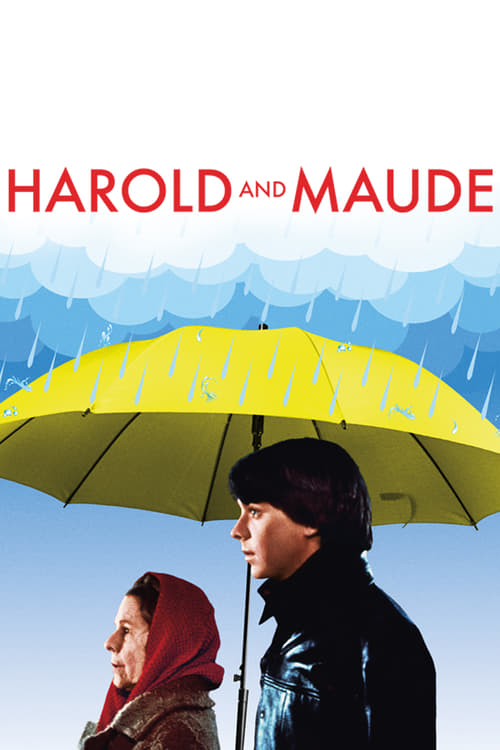
influenced by Harold and Maude (1971)
Plot Music Themes Characters


The romance between Charlie and Susan (which even has a Cat Stevens song for a theme) is basically " Harold and Maude " with a gorgeous teenage girl instead of feisty septuagenarian Ruth Gordon .
It's "If You Want to Sing Out," the theme from that earlier teen-outcast movie, Harold and Maude .
But the underlying message of the film, with its nods to Catcher in the Rye and - '70s throwback here - Harold and Maude, is a good one: empathy and compassion, communication and friendship, have more to do with emotional growth than does striking cool poses on the high school steps.
When the camera alights on his moneyed and blithely out-of-touch mother (Hope Davis), Harold and Maude springs to mind.
"Harold and Maude," "Ferris Bueller's Day Off" and "Rushmore" are all over "Charlie Bartlett" like a drunken prom date.
And the film centered on him is a clever, inventive and ambitious comedy with echoes of Rushmore, Ferris Bueller's Day Off and even Harold and Maude.
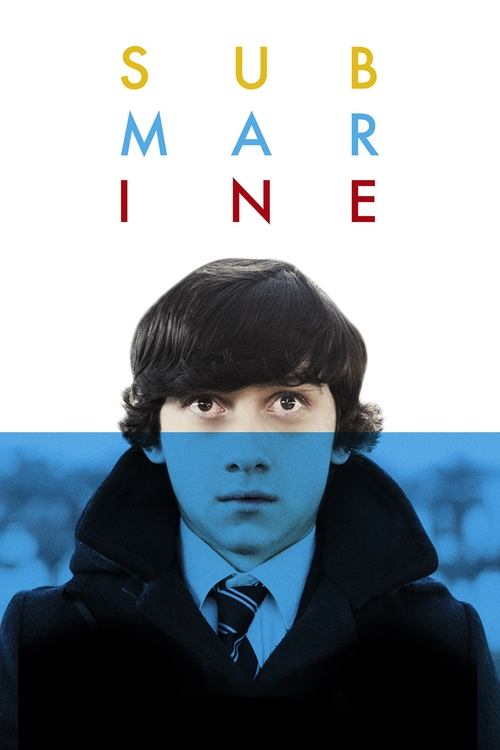
Submarine (2011)
Directed by Richard Ayoade
influenced by Harold and Maude (1971)
Characters Themes Visuals
The film is a fictional "memoir" about the too-clever-for-his-own-good Oliver Tate (Craig Roberts) -- a kid blessed with Bud Cort's "Harold and Maude" mien and several dark stylistic affectations, of which he is amusingly self-aware.
It's a sweet, knowing, bracingly deadpan coming-of-age story that proudly wears its influences on its sleeve – Wes Anderson's Rushmore, Harold and Maude, and Mike Nichols' The Graduate spring immediately to mind – and it's set in a grim and gritty Swansea, replete with concrete council flats and muddy, muddled dreams that'd do Morrissey and Marr proud in their existential despair.
A better descriptionin terms of comparisonswould be that its like a Wes Anderson movie as if it was directed by Richard Lester in the 1960s with nods to Mike Nichols The Graduate (1967) and Hal Ashbys Harold and Maude (1971).
Newcomer Craig Roberts takes at least a pound and a half of inspiration from Bud Cort's romantically inclined misfit in "Harold and Maude" for his defiantly humorous portrayal of the 15-year-old Oliver Tate.
He also looks so much like young Bud Cort that if you gave him a pair of Harry Potter glasses, he could star in a remake of " Harold and Maude ."
He must not be including characters of the silver screen, since he's an amalgamation if there ever was one between Harold Chasen in 1971's "Harold and Maude" and Max Fischer in 1998's " Rushmore ."
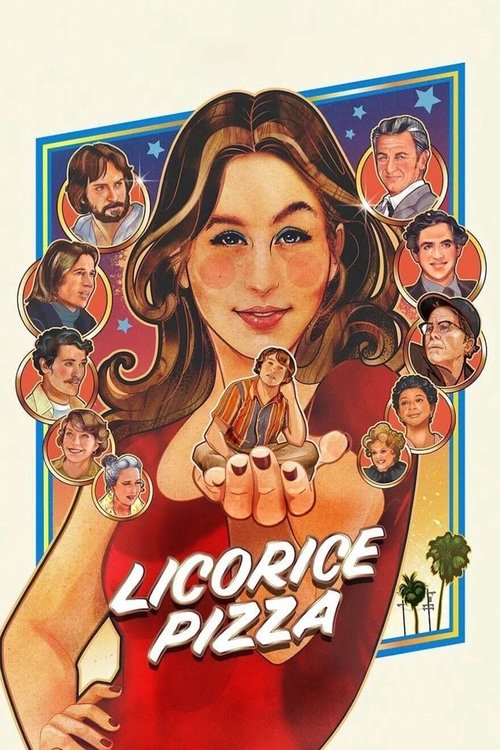
Licorice Pizza (2021)
Directed by Paul Thomas Anderson
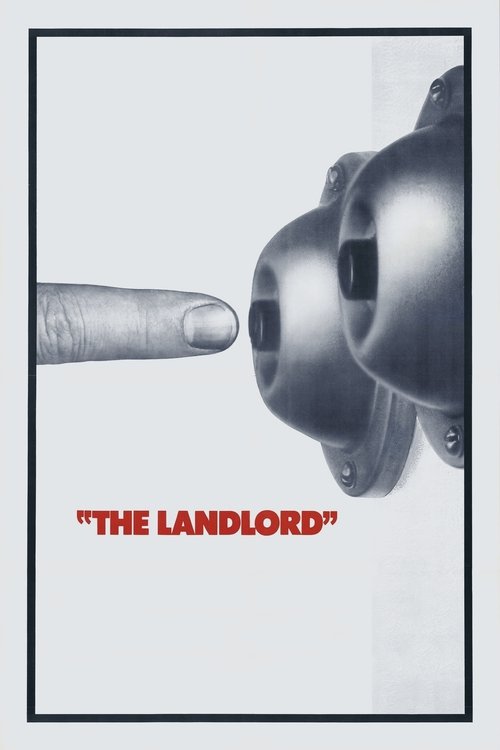
influenced by Shampoo (1975), Harold and Maude (1971), The Landlord (1970), Coming Home (1978), The Last Detail (1973)
Themes Plot Characters
But the film that Licorice most reminded me of was director Hal Ashby’s masterpiece Harold and Maude .
It’s a star-crossed love story à la Harold and Maude minus the tragedy.
A 15-year-old charmer with the air of a midlife mover and shaker (think of a kinder Max Fischer from Rushmore or a sunnier version of Max’s forebear: Harold and Maude’s Harold), Gary meets the twentysomething Alana (she’s fuzzy about her age) at his San Fernando Valley high school, where she’s working as an assistant to the photographer taking class pictures.
From the strangely infantalising hubbub of Alana’s family (played by Haim’s real-life relatives) to Gary’s peculiar half-man/half-boy existence, Licorice Pizza makes us accept a relationship that has something of the dysfunctional charm of Hal Ashby’s Harold and Maude .
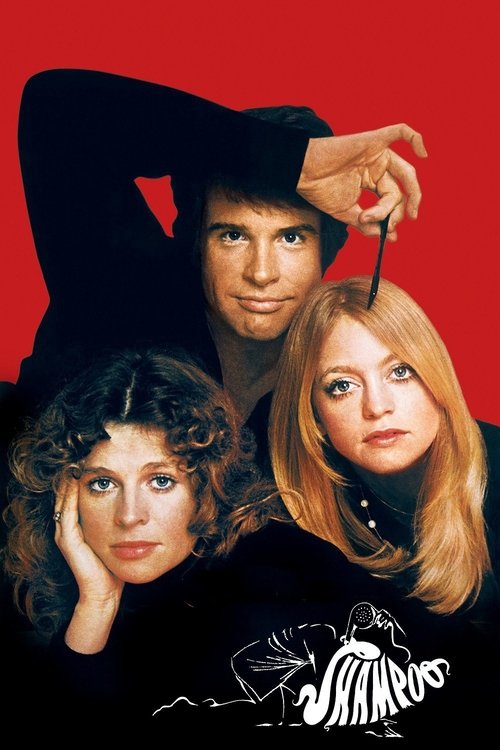
Delivering a waterbed to a fancy address, they encounter Jon Peters (a hilariously committed Bradley Cooper), the real-life celebrity hairstylist and legendary womanizer who is said to have been the inspiration for Warren Beatty’s character in Shampoo .
* – Probably not coincidentally, George Roundy, the playboy hairdresser played by Warren Beatty in Shampoo, was partially modeled after Jon Peters.
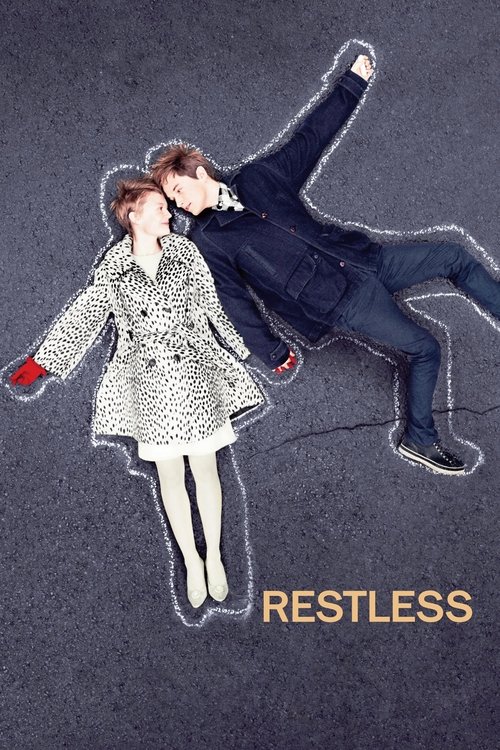
I can’t get away from the feeling that a lot of the negativity surrounding the movie is of the knee-jerk variety that stems from a surface similarity to Hal Ashby’s classic Harold and Maude (1971).
When the kid is nearly outed as a tourist at a stranger’s funeral, he’s saved by Wasikowska’s carefree Annabel Cotton, and a budding romance (and obvious Harold and Maude tip of the hat) is born.
In its episodic bits of quirk and whimsy, and its romantic morbidity, it's a project that smacks of film school - you can practically follow the cookie crumbs of Wes Anderson and Harold and Maude and the French New Wave.
Restless, however, is a charming weepie of a film that’s equal parts Harold and Maude and Terms of Endearment.
In Restless, a black comedy that plays like Harold and Maude lite, Mia Wasikowska and Henry Hopper are cute young lovers enraptured by thoughts of mortality and visited by a Japanese kamikaze ghost in full World War II regalia.
There's an interesting movie struggling to get out from underneath the suffocating layers of self-conscious whimsy and morbid Harold and Maude affectations permeating Gus Van Sant's Restless.
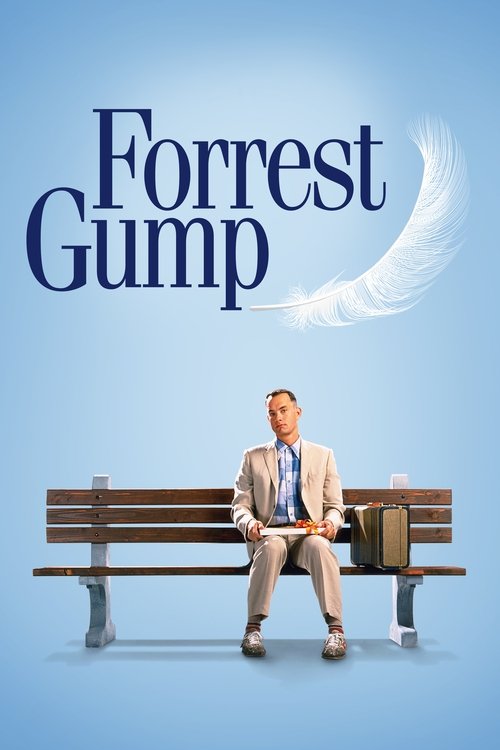
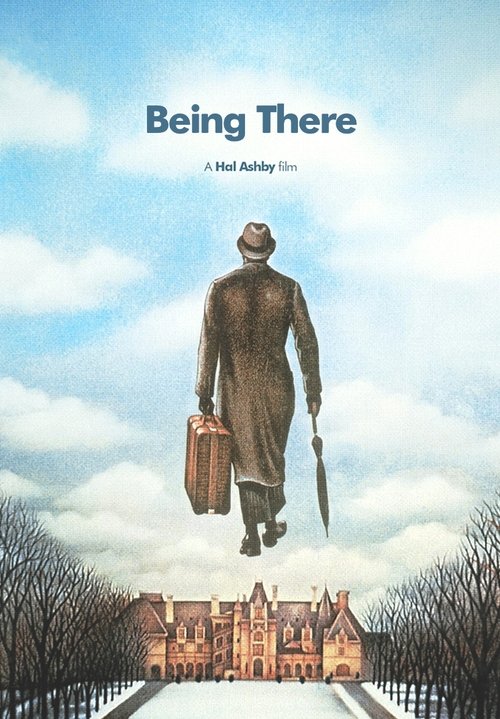
At the same time, it's kind of always obvious that the film doesn't really look on Forrest as the unambiguously noble fool that the film's reputation implies: the character's broad, molasses-slow accent and the improbable naïveté he brings to every one of his encounters with world history are certainly meant to absurd if not wholly ridiculous, and for every moment where his solemn pronouncements of folk wisdom are framed in Don Burgess's widescreen cinematography (he and Zemeckis can't figure out what do with with the 2.35:1 frame, though there are some potently beautiful landscapes here and there) and cradled by Silvestri's delicate score to be some kind of gravely significant Pronouncement of an Untarnished Soul, there's one where the film adopts a smirking, "this rube sure is a moron, and only in a country of morons could he impress so many people and have so much success" attitude that would be barely indistinguishable from Being There , if Being There was broken and atonal, and if Peter Sellers was mu…
Coming after "Being There," "Rain Man" and what seems like every film starring Johnny Depp, "Forrest Gump" is a further example of Hollywood's fascination with the mentally challenged.
Like the gardener in "Being There," Forrest benefits from a below-average IQ and an even temperament.
Imagine what a more thoughtful director could have done with Gump (think Being There ), and imagine how many terrific, pure entertainments we have missed because Zemeckis was so handsomely rewarded for making this movie.
That's the cinematic formula for "Forrest Gump," which combines the most interesting elements of "The World According to Garp," Woody Allen's "Zelig" and "Being There."
Gump has most often been compared to 1979's Being There, but there is a critical difference.
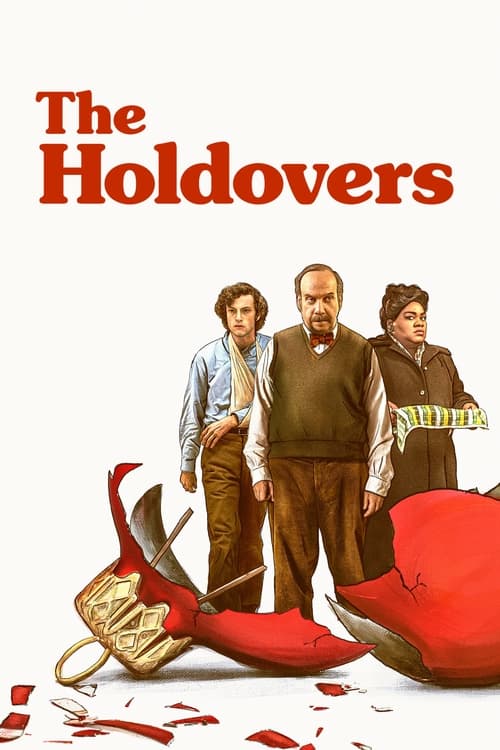
The Holdovers (2023)
Directed by Alexander Payne
influenced by Harold and Maude (1971), The Last Detail (1973)
Themes Visuals
As “The Holdovers” morphs from miserablist odd-couple comedy to bittersweet road movie, it aims to remind you, sometimes with a hard nudge, of Hal Ashby classics like “Harold and Maude” and “The Last Detail”; an argument with a waitress automatically nods to Bob Rafelson’s “Five Easy Pieces.”
Evoking the cinematographic proclivities of 1970s filmmakers (the influential likes of Hal Ashby’s Harold and Maude and Robert Altman’s McCabe & Mrs. Miller pervade the fuzzy, 35mm cinematography), Payne reverberates the eras’ ambiance via faraway zooms, sentimental Labi Siffre and Cat Stevens’ needle drops, rustic prep-school environs, and darkly-lit oaken hallways.
As “The Holdovers” morphs from miserablist odd-couple comedy to bittersweet road movie, it aims to remind you, sometimes with a hard nudge, of Hal Ashby classics like “Harold and Maude” and “The Last Detail”; an argument with a waitress automatically nods to Bob Rafelson's “Five Easy Pieces.”
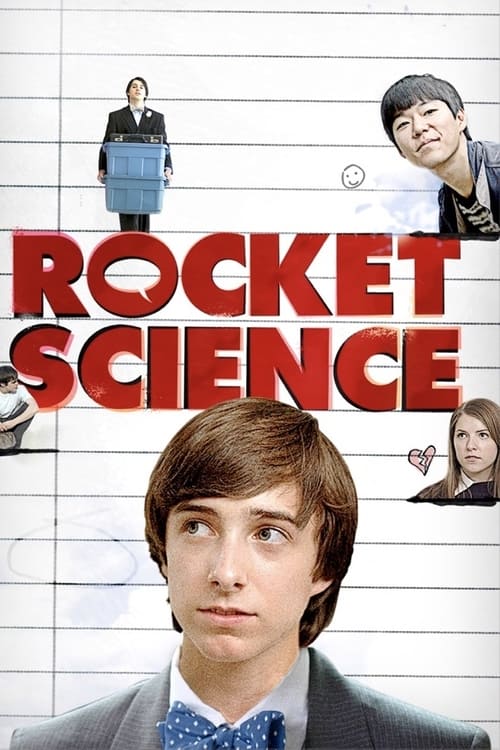
Rocket Science (2007)
Directed by Jeffrey Blitz
influenced by Harold and Maude (1971)
Themes Characters Visuals
Crafted along the lines of Harold and Maude and Welcome to the Dollhouse, his quirky drama is populated with angst ridden high school students who suffer through obsessions and strive to make their way in this crazy world.
Perhaps there is no better actor to express such quiet frustration as Thompson, who plays Hal with a particular melancholy that suggests he would've made an excellent stand-in for Harold and Maude star Bud Cort during the 1970s.
Blitz wants the film to be like 70s auteur Hal Ashby (whose first name was borrowed for his hero) by way of “Harold And Maude” and “Being There,” but the whole thing comes off like Wes Anderson-lite without that director’s colorful and painterly mise-en-scene.
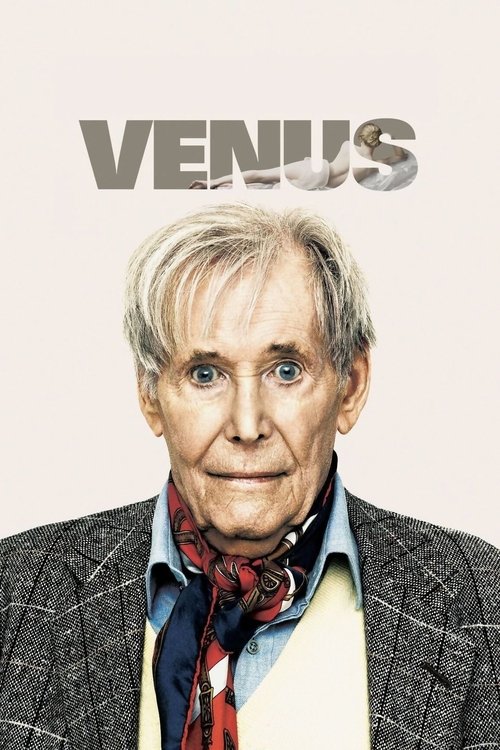
"Harold and Maude" (1971) is the film's close spiritual cousin.
Not since Harold and Maude has there been an intergenerational love connection as intense as this.
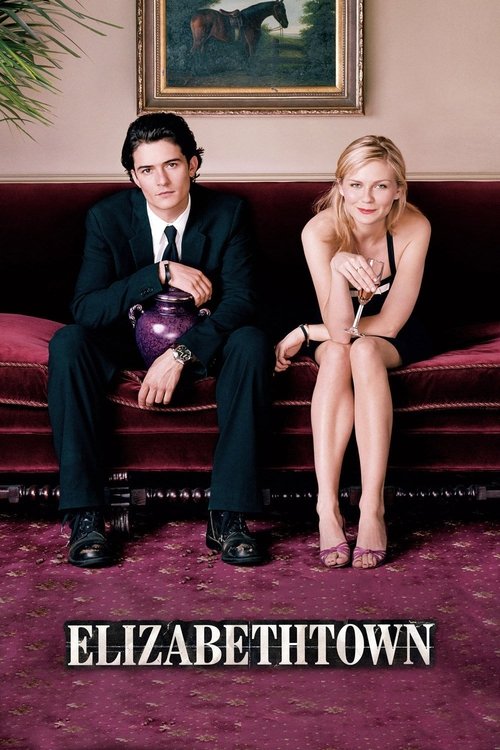
Elizabethtown (2005)
Directed by Cameron Crowe
influenced by Harold and Maude (1971)
Themes Characters
The collisions contain a pleasant Local Hero–meets–Harold and Maude vibe, which Crowe has said he was after.
It's as if Crowe wanted to channel Ruth Gordon's elderly free spirit from Harold and Maude.

A slow, self-important exercise in aimless and dispirited debauchery reminiscent of Mark Kanievska’s failed movie version of Less Than Zero, The Informers squanders a solid cast (including Kim Basinger, Billy Bob Thornton, Rhys Ifans, Mickey Rourke and a criminally underutilized Winona Ryder) aiming at something akin to the moral grandeur of Hal Ashby’s masterpiece of LA ennui Shampoo.
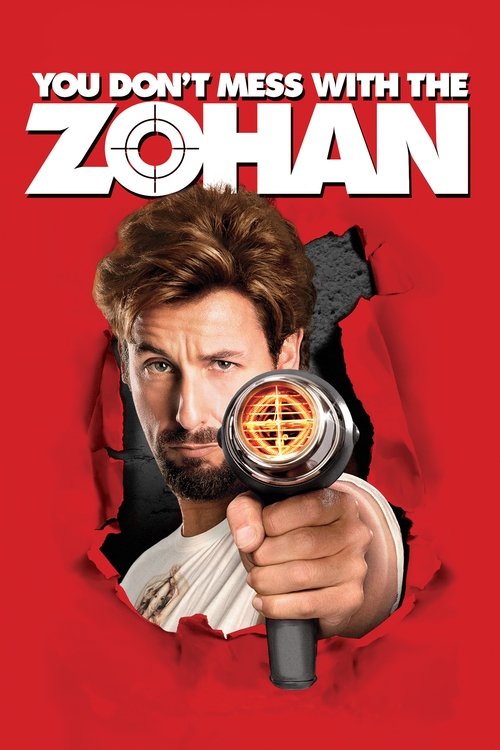
You Don't Mess with the Zohan (2008)
Directed by Dennis Dugan
influenced by Shampoo (1975), Harold and Maude (1971)
Characters Plot
He eventually insinuates himself into a salon run by a beautiful Palestinian named Dalia (Emmanuelle Chriqui), where he sets about Warren Beattying his way through the clientele, a la Shampoo.
Imagine Warren Beatty in "Shampoo" by way of a Jewish Rambo.
In a tip of the hat, or whatever, to Warren Beatty's swingin' hairstylist in Shampoo, Sandler plays a breathtakingly flexible Israeli counter-terrorist agent who's had his fill of fighting Palestinians and longs to retire to a chic Manhattan salon.
Sandler plays the title character as an over-the-top cross between Paul Bunyan, Rambo, and Warren Beatty in Shampoo.
June 5, 2008 - If James Bond was an Israeli commando who secretly aspired to be Warren Beatty in Shampoo then he would be Adam Sandler's title character in the new comedy You Don't Mess With the Zohan .
Most of it is a riposte to and parody of Beatty’s “Shampoo”, about a womanizing hairdresser and the 1968 RFK campaign.
More typical and funny is a scene that recalls Peter Sellers' Being There persona, where Vaughn reveals his homosexuality to Karl and then queries the silent listener about his thoughts: “I was thinkin', I'm gonna take me some of these taters home with me.”
As a character, Karl has a surface similarity to Forrest Gump, and he may remind you, as well, of the mentally arrested holy innocents in Rain Man , Being There , or The Mystery of Kaspar Hauser .
The film takes place from 1978 to ’79, and the warm, shaggy vibe evokes the movies of Hal Ashby (Harold and Maude, Being There).

The Graduate (1967)
Directed by Mike Nichols
influenced Harold and Maude (1971)
Visuals Themes Music
Building on the innovations of the landmark releases The Graduate (1967) and Easy Rider (1969), Harold and Maude explores outsider mentalities through fragmented cutting, using those music montages to embellish its themes and create a feeling of emotional suspension.
Hal Ashby’s film, also sort of a sweeter, gentler, less satirical companion to The Graduate, which preceded it by three years, follows Harold (Bud Cort), a morose young man given to faking suicide scenes, driving a modified hearse, and quietly crashing funerals as his distracted mother (Vivian Pickles) looks on with a combination of concern, distaste, and disinterest.
Mainstream audiences also steered clear, suggesting that the trail for artful, left-of-center Hollywood films blazed by The Graduate (1967) and Easy Rider (1969) was already starting to shut down long before Spielberg’s little shark movie launched the summer blockbuster craze four years later.
The pair fall into a romantic relationship that shouts in the face of societal mores as Cat Stevens's uplifting score does for the movie what Simon and Garfunkel did for "The Graduate."
The film’s suite of songs, by Cat Stevens (now known as Yusuf) is exquisite, possibly the best collection of pop songs by the same artist in a movie besides Simon & Garfunkel’s songs for The Graduate .
Like The Graduate , the script for Harold and Maude has the idea of a doomed generation but shows every generation is damned.
Braff certainly shows promise, and I have to give him credit for placing himself squarely in the path of comparison to some of the greatest dark comedies of the past 30 years by consciously referencing "Harold and Maude", "The Graduate", and the more recent films of Wes Anderson.
(I talked to Braff over the phone about his influences and he mentioned the usual suspects such as Harold and Maude and Annie Hall, but also, surprisingly, Todd Haynes' masterfully creepy Safe, which settles onto the unwary viewer like a bad rash.)
"Scrubs" star Zach Braff returns to the perennial theme of going home again with "Garden State," his directorial debut, in which he pays homage to such classics as "The Graduate" and "Harold and Maude."
It takes just one of Hal Ashby’s frames to see that Harold and Maude has set an oddly liberated and dreamily realistic atmosphere for so many brilliant filmmakers and films to come – from Tim Burton and Wes Anderson, to gems like Garden State and Submarine.
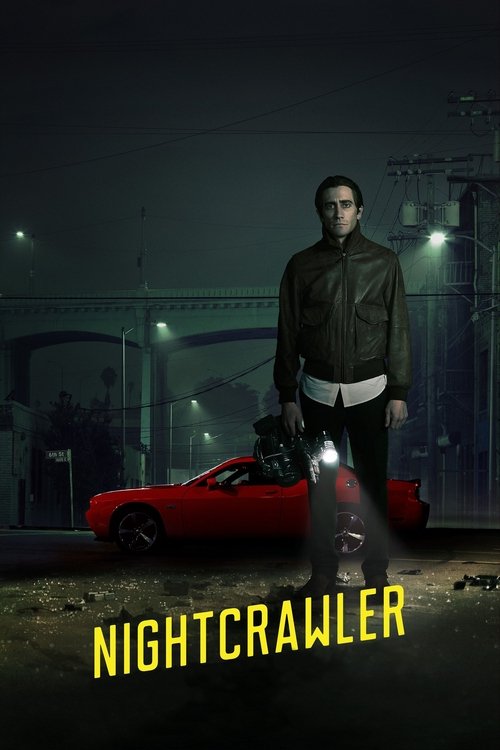
What Gyllenhaal evokes in some of these scenes is Peter Sellers’s “ Chance the Gardener ” in Being There, which was also about a savant with a warped relationship to television.
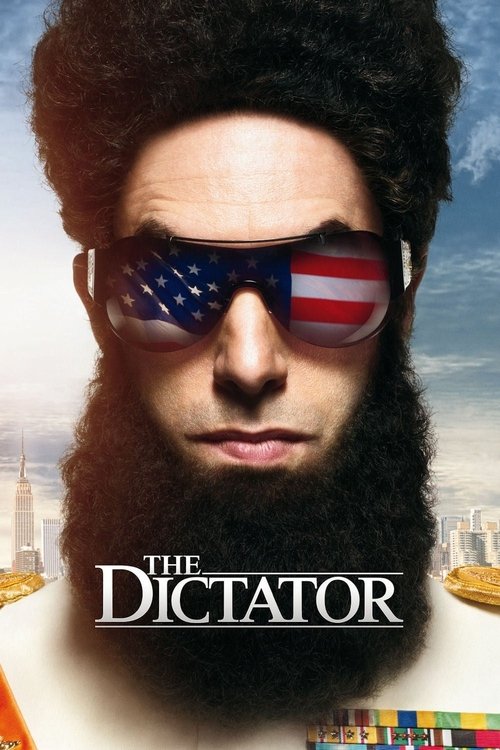
The vacuous media get a drilling in a couple of sequences recalling Being There (Hal Ashby, 1979) where two news anchors provide moronic ‘analysis’ of the erratic body language of Aladeen’s confused lookalike.
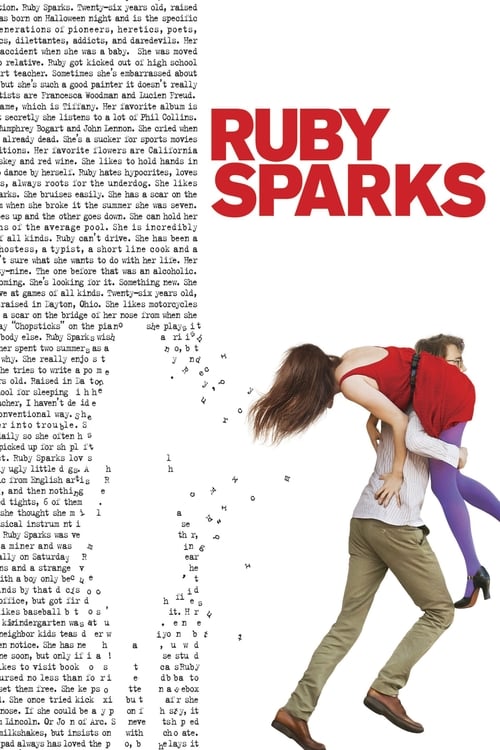
Dano’s face has a boyishness that hints at his character’s basic immaturity, but his eyes have a dark soulfulness that’s quick to register pain or anger -- he often brings to mind Harold and Maude era Bud Cort.
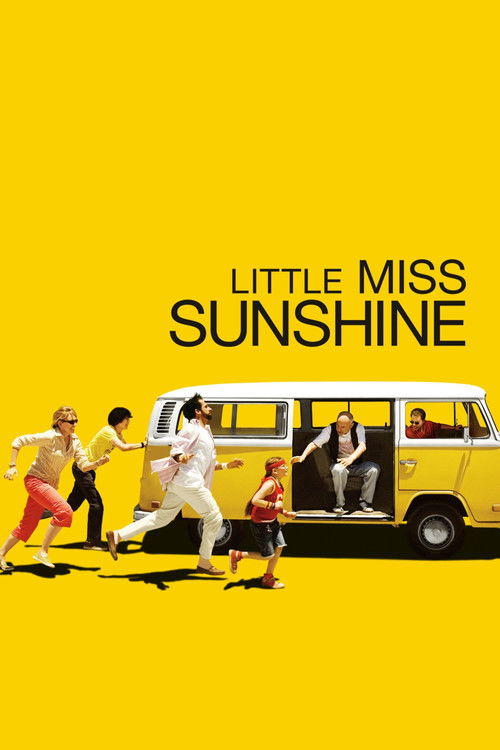
Little Miss Sunshine (2006)
Directed by Jonathan Dayton
influenced by Harold and Maude (1971)
Themes
A gentle family satire and a classic American road movie, "Little Miss Sunshine" harks back to the anti-establishment, countercultural comedies of the 1970s such as " Smile " or " Harold and Maude " -- satirical fairy tales that preached the virtues of nonconformity over the superficiality of conventional American values.
Forty or so years ago in " Shampoo " (1975), Warren Beatty's Don Juan hairdresser was made into a figure of yearning sympathy.