
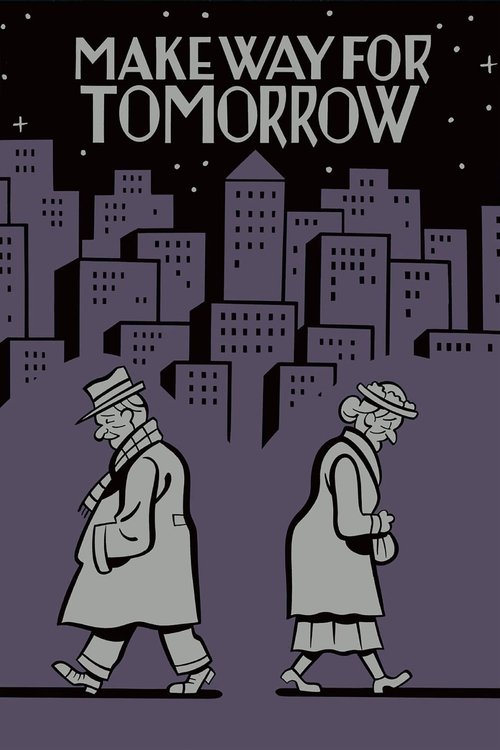
Make Way for Tomorrow (1937)
Directed by Leo McCarey
An elderly couple are forced to separate themselves from each other after their children refuse to take both into one house.
3 connections found
View:
3 connections, in both directions
What critics compared Make Way for Tomorrow to
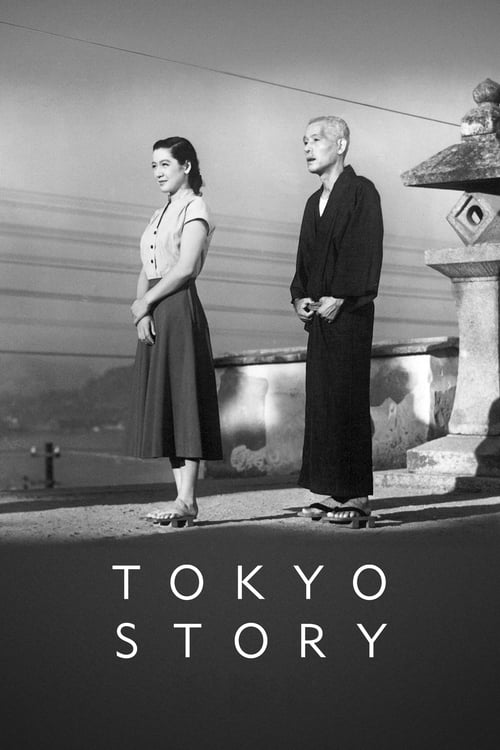


The film is not fueled by incident or melodrama - the clearest break it makes from its avowed inspiration, Leo McCarey's heart-rending Make Way for Tomorrow of 1937 - but by character interactions: the film simply places us in the middle of a family situation and allows us to be thrilled and enthralled by the greatest cinematic spectacle of them all, the feelings of human beings.
With its debt to Leo McCareys trenchantly titled Make Way for Tomorrow sixteen years earlier, Yasujiro Ozus Tokyo Story/Tokyo monogatari is no less true, shattering, and not for viewers fretting about unsympathetic grown-up children.
Before they depart, the couple treat themselves to a bittersweet night on the town, and it is here that McCarey’s masterful mise en scène recalls the spare profundity of a Japanese landscape print—no surprise that the film is the ostensible inspiration for Yasujirô Ozu’s Tokyo Story.
Of these, the filmmaker's personal favorite and arguably his film with the highest overall reputation among those who've seen it is Make Way for Tomorrow , our current subject; I am not myself quite inclined to call it better than Duck Soup or fellow 1937 release The Awful Truth (with which it shares screenwriter Viña Delmar), but that's pretty damn good company to be in regardless; and serving as the inspiration for Tokyo Story isn't too shabby either.
Tokyo Story was co-written by a longtime associate of Ozu's, Kogo Noda, who felt inspired by his memories of having watched Leo McCarey's Make Way for Tomorrow, a tremendously heartfelt 1937 Hollywood drama which recounts a similar story.
…and (for those who care to look it up) Leo McCarey's Make Way for Tomorrow (1937)…
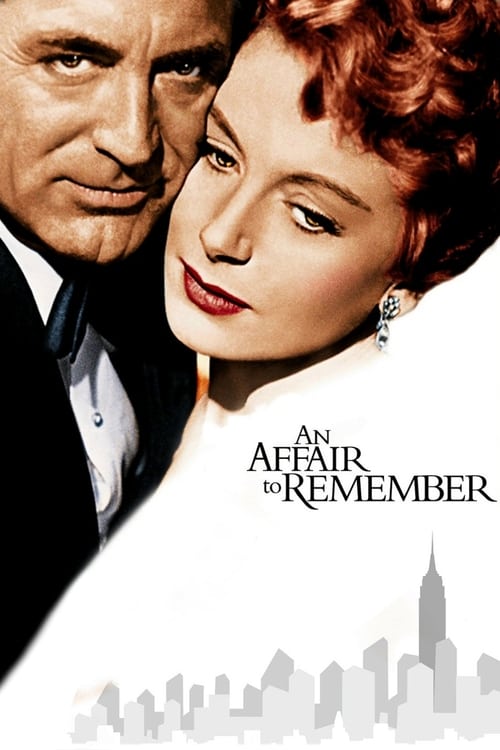
A prime slab of '50s beef directed by veteran Leo McCarey (Duck Soup, Make Way for Tomorrow, The Awful Truth), the picture includes CinemaScope photography and four gratuitous songs, including "An Affair to Remember (Our Love Affair)," sung by Vic Damone over the opening credits.
He went on to great success and more Oscars for films like Love Story (1939), Going My Way (1944), The Bells of St. Mary's (1945), My Son John (1952), and An Affair to Remember (1957), but Make Way for Tomorrow remained his personal favorite.
I think this has much to do with his best-known films today being Going My Way, which is widely regarded (and fairly) as corny sentimentality; An Affair to Remember , which is widely regarded (and unfairly) as a musty melodrama for middle-aged women; and Duck Soup , which is widely regarded as being a director-proof Marx Brothers vehicle, as though the fact that it is also nearly universally praised as their best film is a mere coincidence.