
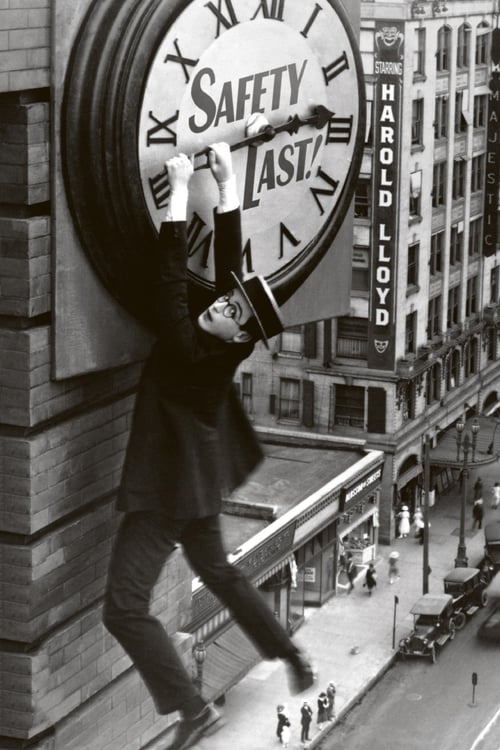
Safety Last! (1923)
Directed by Fred C. Newmeyer
When a store clerk organizes a contest to climb the outside of a tall building, circumstances force him to make the perilous climb himself.
2 connections found
View:
2 connections, in both directions
What critics compared Safety Last! to
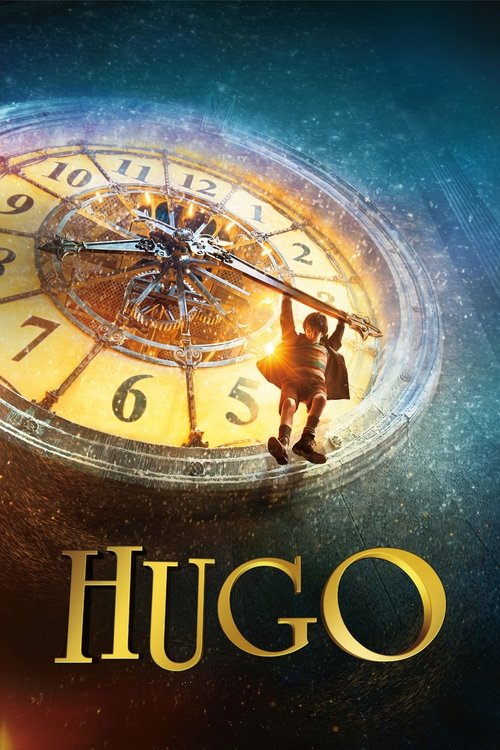


He also infuses numerous scenes with echoes of famous silent films: Harold Lloyd dangling precariously from a clockface in Safety Last! (1923) is recreated when Hugo must climb onto the giant clock outside the station to avoid being discovered by the Station Inspector, and while a dream sequence in which Hugo sees a spectacular train crash is based on the famous 1895 derailment of the Granville–Paris Express, it also echoes the early cinema’s obsession with trains, whether they be arriving in stations, purposefully colliding, or functioning as vehicles for the camera to capture a direct view of the onrushing scenery.
Isabelle has never been allowed to see movies so Hugo decides to fix that and sneaks her into a showing of the film, Safety Last!, famous for its scene of Harold Lloyd dangling from a giant clock face.
The extended thrill sequence builds to one of the silent cinema’s most iconic images, as Lloyd dangles from the hands of the store’s clock, his life spared by the machinations of time (a flashbulb moment sufficiently resonant to anchor the promotional campaign for Martin Scorsese’s “Hugo” some 90 years later).
Safety Last! is the movie that contains the infamous clock scene, tributed by Back to the Future and recently in Martin Scorsese’s wonderful silent-film love letter Hugo, and it stands as Lloyd’s best-known movie.
There are passing tributes to Buster Keaton (seen in a beautifully restored clip from The General ) and Harold Lloyd (whose famous dangling stunt work in the 1923 Safety Last! is echoed in a scene featuring Hugo in peril high atop the station clock tower).
The film is full of visual spectacle, from the towering citadel of the station's main clock with a panoramic view of the City of Lights (where Hugo has a harrowing climb to hide from Gustav that echoes the iconic image of Harold Lloyd dangling from hand of a clock in Safety Last!) to the courtyard of the toy maker's home guarded by statues of cloaked figure.
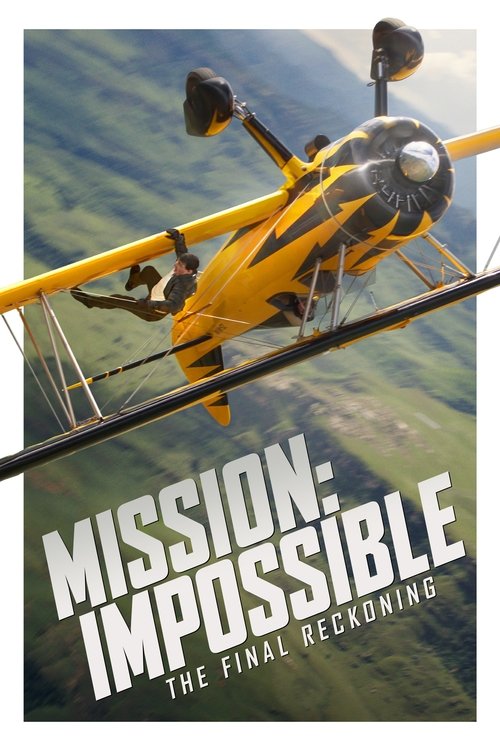
Harry Lloyd dangling off the clock in Safety Last…