
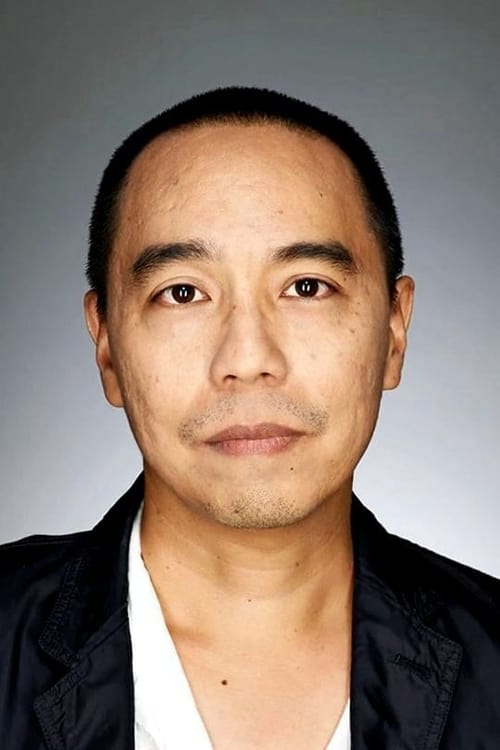
Apichatpong Weerasethakul
4 connections found

View:
Connections, in both directions

A Ghost Story (2017)
Directed by David Lowery
influenced by Uncle Boonmee Who Can Recall His Past Lives (2010), Tropical Malady (2004)
Characters Themes Visuals


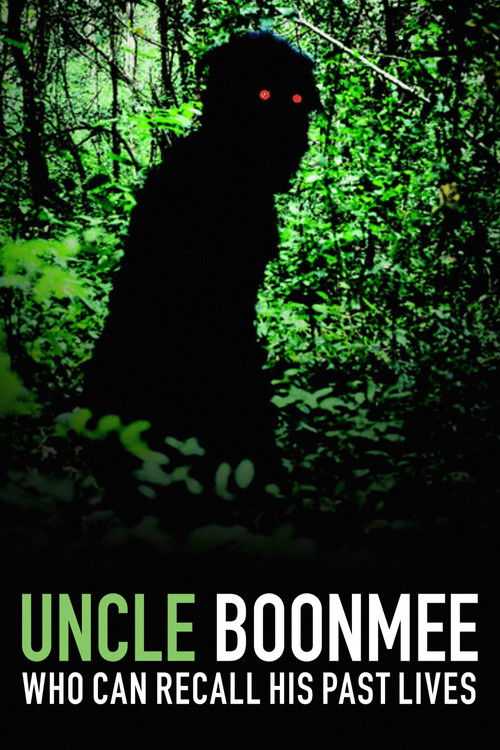
The almost ridiculous quality of Affleck’s sheet-covered spook finds a parallel in the slightly silly, red-eyed monkey spirits of Weerasethakul’s Uncle Boonmee Who Can Recall His Past Lives .
The touchstone here is Apichatpong Weerasethakul’s 2011 film Uncle Boonmee Who Can Recall His Past Lives, an animist Thai masterpiece that Lowery wrote about rapturously on his blog.
It’s as if the vaporous Thai favorite Uncle Boonmee Who Can Recall His Past Lives had been reconceived by the maestro of clunks, M. Night Shyamalan.
The primitiveness of Affleck’s costume in some ways recalls the low-rent, matter-of-fact magic of the great Thai director Apichatpong Weerasethakul, whose films (including “Tropical Malady” and “Uncle Boonmee Who Can Recall His Past Lives”) often unfold along the porous boundaries between this world and the next.
The primitiveness of Affleck’s costume in some ways recalls the low-rent, matter-of-fact magic of the great Thai director Apichatpong Weerasethakul, whose films (including “Tropical Malady” and “Uncle Boonmee Who Can Recall His Past Lives”) often unfold along the porous boundaries between this world and the next.
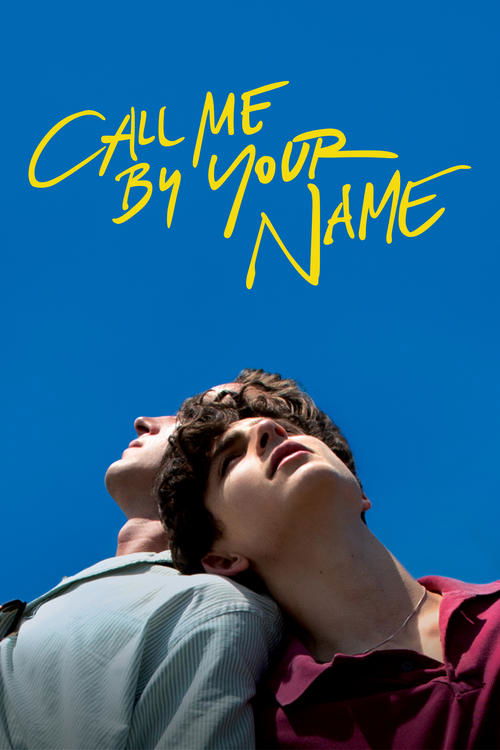
Call Me by Your Name (2017)
Directed by Luca Guadagnino
influenced by Uncle Boonmee Who Can Recall His Past Lives (2010), Blissfully Yours (2002)
A playful, piano heavy soundtrack adds to the film’s sense of longing and discovery, with DP Sayombhu Mukdeeprom (Uncle Boonmee Who Can Recall His Past Lives, 2010) and editor Walter Fasano (who co-wrote the screenplay alongside Guadagnino and James Ivory) contributing to the film’s summertime sadness vibe, a lush, san-dappled tension which eventually becomes an accelerated throb of sensuality accompanied by the kind of overpowering desire which doubles for pain.
Rather, working with the gifted Thai cinematographer Sayombhu Mukdeeprom (who shot Uncle Boonmee Who Can Recall His Past Lives and Arabian Nights ), he’s refined his style into something poetic rather than bombastic.
As lighted by cinematographer Sayombhu Mukdeeprom, who shot the recent “Arabian Nights” trilogy and, earlier, “Uncle Boonmee Who Can Recall His Past Lives,” every second of “Call Me by Your Name” looks luscious as shot on 35 millimeter film.
The cinematographer, Sayombhu Mukdeeprom ( Uncle Boonmee Who Can Recall His Past Lives , Arabian Nights ), films this confession in an elegantly choreographed long take in which the two men are separated by a monument in a public square, their faces visible to each other but not to us.
Rippling with nervously excited piano compositions and shot with immeasurable sensuality by Thai cinematographer Sayombhu Mukdeeprom (“Uncle Boonmee Who Can Recall His Past Lives” and “Arabian Nights”), “Call Me By Your Name” is a full-bodied film that submits all of its beauties to the service of one simple truth: The more we change, the more we become who we are.
The cinematography by Sayombhu Mukdeeprom, known for creating slow, meditative cinematic moments with Apichatpong Weerasethakul in films such as Uncle Boonmee Who Can Recall His Past Lives and Blissfully Yours, displays the same characteristic control over its visual and sensory subject matter.

Suspiria (2018)
Directed by Luca Guadagnino
influenced by Uncle Boonmee Who Can Recall His Past Lives (2010)
Regular Apichatpong Weerasethakul cinematographer Sayombhu Mukdeeprom ( Uncle Boonmee Who Can Recall His Past Lives ['10]) pulls from the muted browns, greys and deep blacks that made up the filmography of notorious gore whizz Lucio Fulci ( Zombie ['79]), while simultaneously replicating the late '70s Berlin of Rainer Werner Fassbinder (whose filmography might be this work's greatest influence).

Francofonia (2015)
Directed by Aleksandr Sokurov
influenced by Uncle Boonmee Who Can Recall His Past Lives (2010)
Sure, their films get small arthouse releases here, and may even show up on Netflix (as has Weerasethakul’s mesmerizing 2010 masterwork Uncle Boonmee Who Can Recall His Past Lives, presumably to the baffled chagrin of the average Netflix and chill viewer).