
Danis Goulet
1 connection found
Filmography

View:
Connections, in both directions
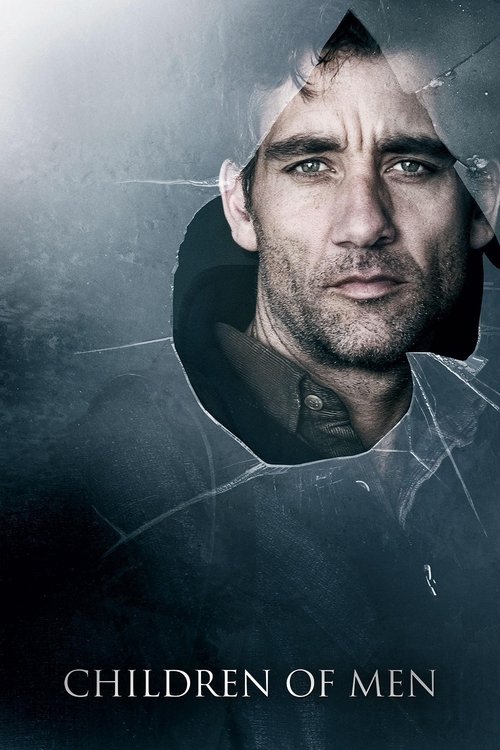
Children of Men (2006)
Directed by Alfonso Cuarón
influenced Night Raiders (2021)
Visuals Themes Characters


The cloudy-cold vistas here recall the world of Alfonso Cuarón’s 2006 thriller Children of Men , likewise a dystopian nightmare of adults brought to ruin by the large-scale absence of children.
This is less a sci-fi adventure than a grim speculative drama a la Children of Men or The Road , one with an eventual messianic-twist leap very much bound up in Native spirituality.
Design choices make the most of Night Raiders’ relatively limited budget, presenting a clever retro-futurist mashup: digital billboarding is spied on top of dilapidated brick facades, crumbling buildings and dust-covered towns (presumably collateral of the junta-won war) contrast with the military’s pristine outfitting, and the whole thing is shot in washed-out, fatalistic grays in the vein of the aforementioned Children of Men.
It's a fictional future, yet in a similar vein to the likes of Children of Men , its power lies in its familiarity.
Niska’s skepticism about participating in (much less leading) an act of resistance against an oppressive regime that commodifies or abuses the young and vulnerable would seem to align Goulet’s protagonist with the many reluctant saviours of dystopian cinema, from the Mad Maxes of The Road Warrior (1981), Beyond Thunderdome (1985), and Fury Road (2015) to Clive Owen in Children of Men (2006) and Hugh Jackman’s Wolverine in Logan (2017).
And the design similarities to other films – Children of Men was mentioned often at the Toronto festival, where the film had its Canadian premiere – is almost distracting.