
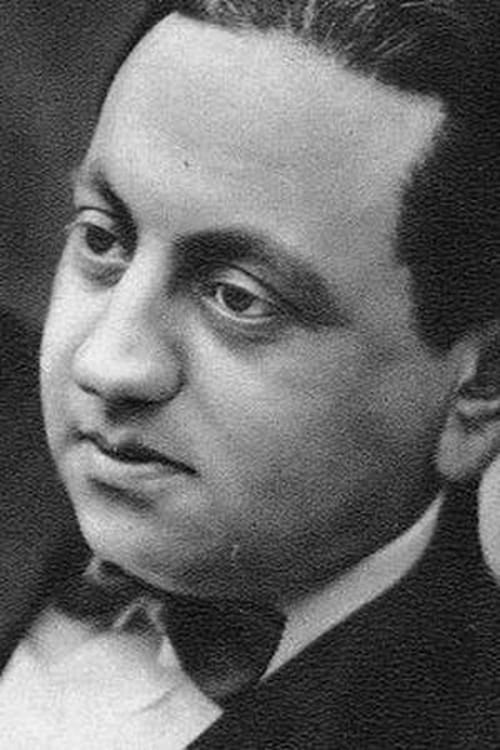
Paul Leni
5 connections found
Filmography

View:
Connections, in both directions
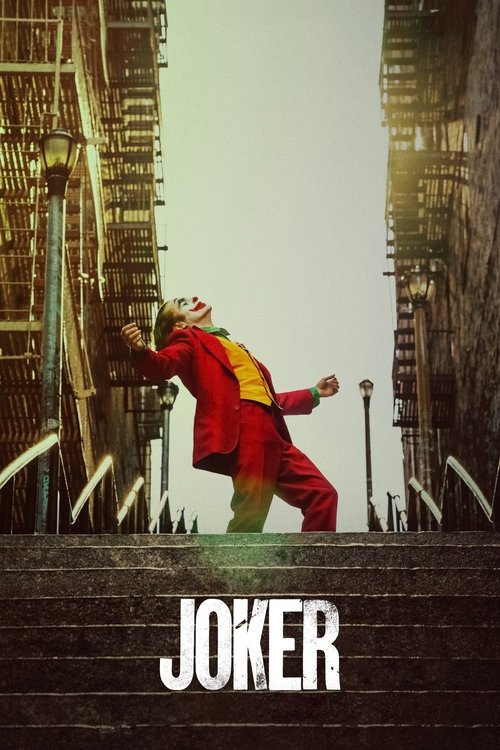


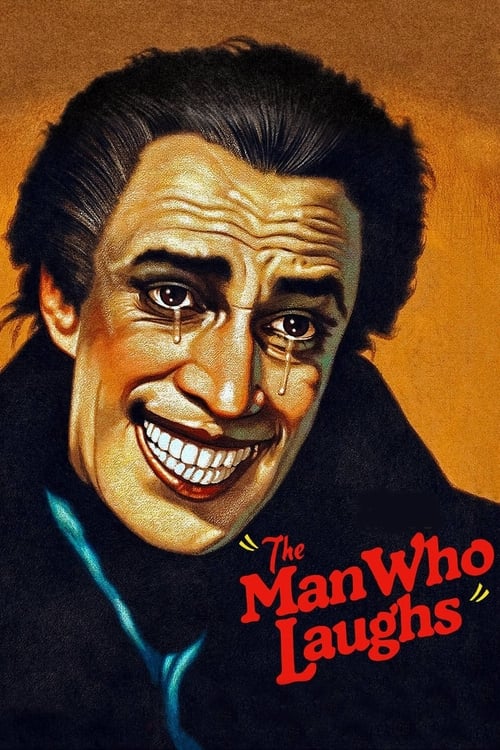
In many respects, Joker hearkens all the way back to the 1928 silent The Man Who Laughs , which inspired the comics character in the first place.
Nevertheless, just as the original Joker character was visually inspired by Paul Leni’s 1928 film, The Man Who Laughs, the new Joker draws its dark inspiration from all Batman-themed films and comics that precede it, especially Alan Moore’s 1988 graphic novel, The Killing Joke, which imagined the Joker's origins as a comedian.
Debuting in Batman’s first adventure in 1940—his appearance is said to have been based on Conrad Veidt in 1928’s The Man Who Laughs —the character helped to popularize the “sinister clown” archetype that ultimately led to Pennywise.
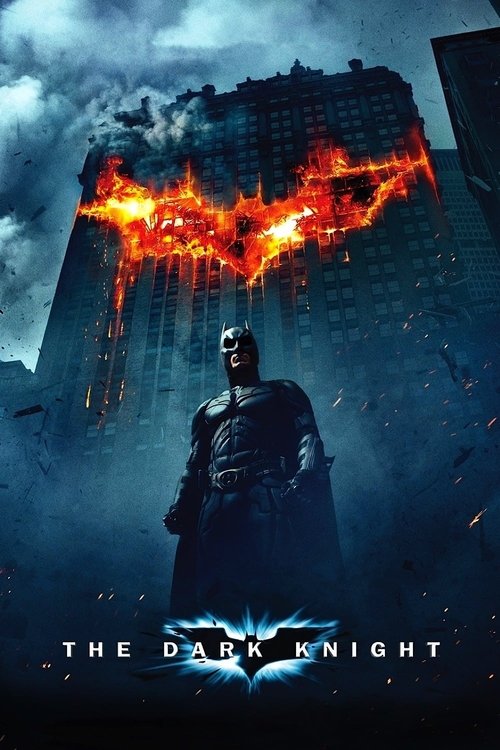
The Dark Knight (2008)
Directed by Christopher Nolan
influenced by The Man Who Laughs (1928)
Characters
His Joker draws power from the actual inspiration of the character in the silent classic “ The Man Who Laughs ” (1928).
Bob Kane has acknowledged that the Joker was inspired by Conrad Veidt’s character — a gentle-spirited loner with a carved-in smile — in the piercing 1928 silent “The Man Who Laughs.”
That sort of thing has been a joke for almost a century; in the silent version of “The Cat and the Canary”(1927), an anxious guest, in a creaky mansion, kneels down to take a similar peek.
When she walks into the library, students leering like "The Man Who Laughs" surround her and Olivia blurts out her demanded truth, that Markie's always cheating on her boyfriend Lucas.

At the same time—and unlike Caligari or Leni’s own Waxworks—it is also remarkably clean in its delineation of action.
Waxworks (1923), in which Leni atmospherically conjured up the nefarious exploits of Ivan the Terrible and Jack the Ripper.
This story, set in 17th century England, was written by Victor Hugo , and made into one of the last (almost) silent films by Paul Leni, the director of "Waxworks" (1927) and "The Cat and the Canary" (1929).