
John Fawcett
24 connections found
Filmography
View:
Connections, in both directions
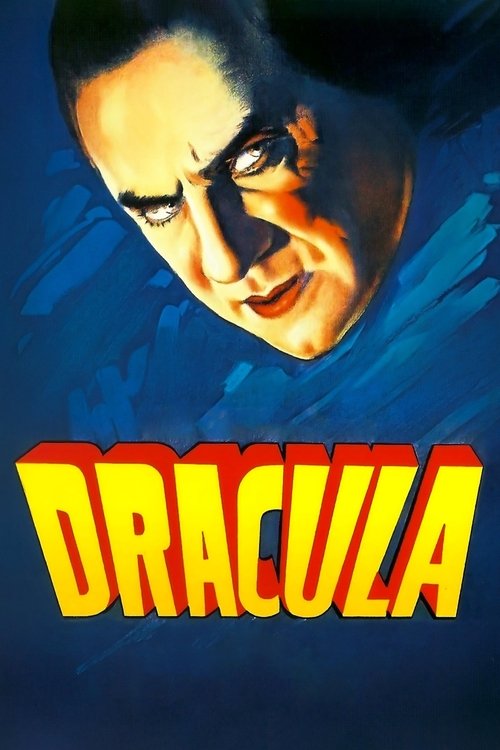


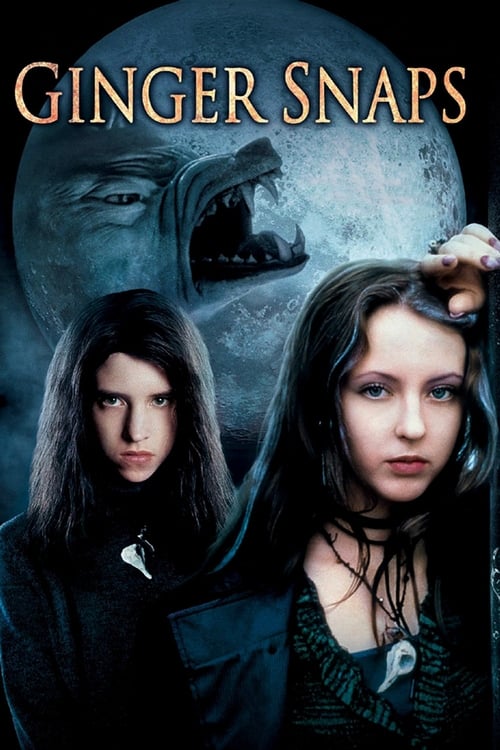
Also echoing Dracula, the chaste Bridget pairs with drug dealer Sam (Kris Lemche), Ginger Snaps's Van Helsing.
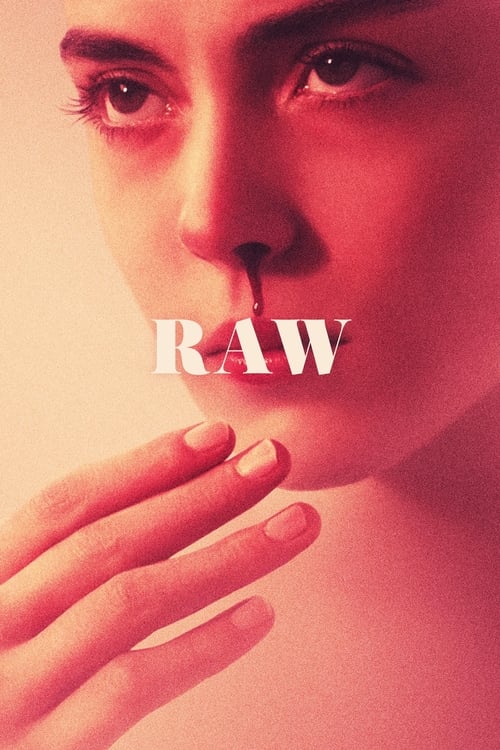
As in Ginger Snaps , which Raw thematically recalls, the protagonist's supernatural awakening is linked predominantly to sex.
While it may be easy to draw parallels between Ducournau’s Raw and films like Ginger Snaps or anything from David Cronenberg’s early career, her harshly poignant examination of youth culture is told with such a defiant voice that there’s no doubt that her scorching vision on display here is undeniably a distinct one that’s all her own.
This cannibal coming-of-age drama is a helluva horror story that joins the ranks of the modern pop feminist nightmares that have come before: What Ginger Snaps did with lycanthropy and The Craft did with its witchy teens, Raw does for the cannibal subgenre by aligning Justine’s burgeoning appetite with her sexual awakening.
"Suspiria" meets "Ginger Snaps" in a muscular yet elegant campus cannibal horror from bright new talent Julia Ducournau.

I Was a Teenage Werewolf (1957)
Directed by Gene Fowler Jr.
influenced Ginger Snaps (2000)
Characters
We've seen teenage werewolves before, from Michael Landon in I Was a Teenage Werewolf (1957) to Michael J. Fox in Teen Wolf (1985) to Seth Green in TV's "Buffy the Vampire Slayer."
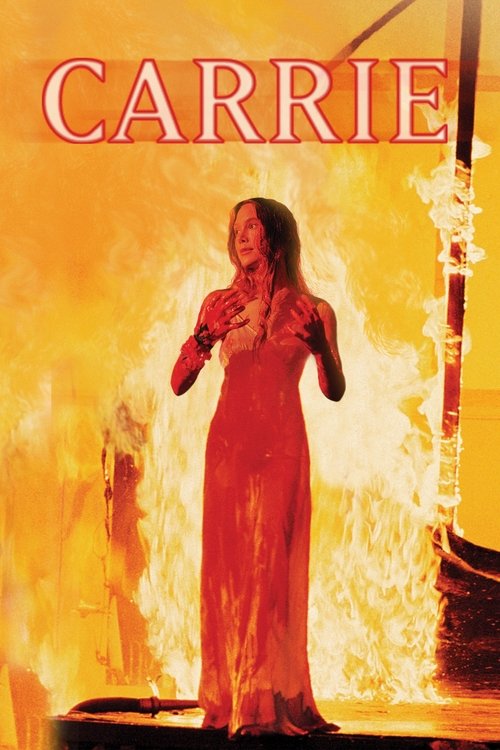
In “Ginger Snaps,” lycanthropy works as the same metaphor for adolescence that telekinesis did in “Carrie” and “The Fury,” though the correlations are even more direct: hair growing in strange places, uncontrollable urges, the simultaneous desire to be accepted and to revel in being an outsider.
Brian De Palma's Carrie is another antecedent in the literal sense; thematically, though, Ginger Snaps is even closer to the body-horror cycle kicked off by (Canadian) filmmaker David Cronenberg in the late 1970s (especially his downright venereal Shivers and Rabid) and mainstreamed by Ridley Scott's Alien , itself fairly aghast at the particulars of reproductive processes.
Girls can be "sluts, virgins, teases and bitches," Ginger reasons, but no one will ever suspect that girls could do something like make a classmate mysteriously disappear (obviously, they haven't seen Carrie).
Working from a lively, unsparing script by Karen Walton, Canadian director John Fawcett touches on the same unsettling feelings evoked by Carrie, which was also fueled by the intense mortification that goes along with the first signs of womanhood.
John Fawcett’s Ginger Snaps devilishly reworks the menstrual horror film genre that seemingly began and ended with Brian De Palma’s Carrie.
No horror film since Carrie has made such use of the terrors of menstruation and puberty.
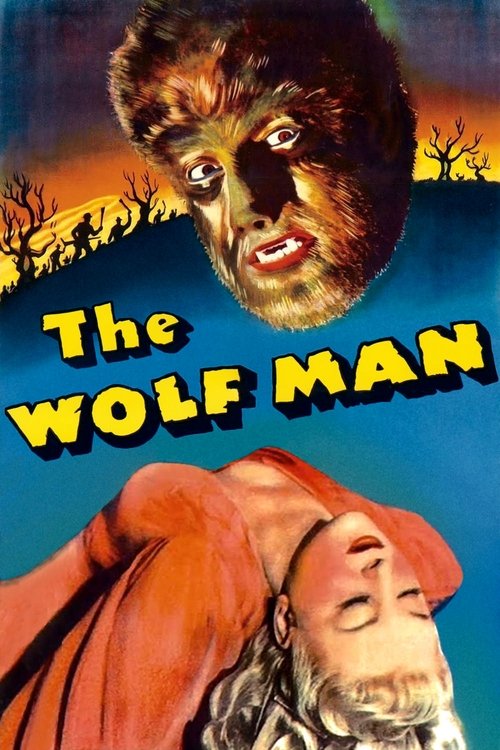
Ginger Snaps owes a great debt to horror traditions-not so much to George Waggner's original werewolf picture, The Wolf Man, as to director Jacques Tourneur's and producer Val Lewton's Cat People and especially the more-explicit Paul Schrader remake of that film.
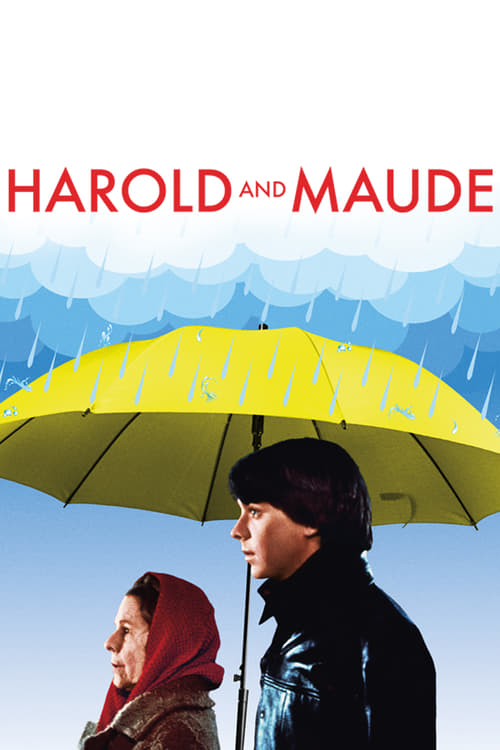
In a nod to that phony-suicide classic, Harold and Maude, the girls are seen devising grisly modi operandi for their own demises-photographs of which form the basis for a classroom presentation that earns their teacher's scorn.
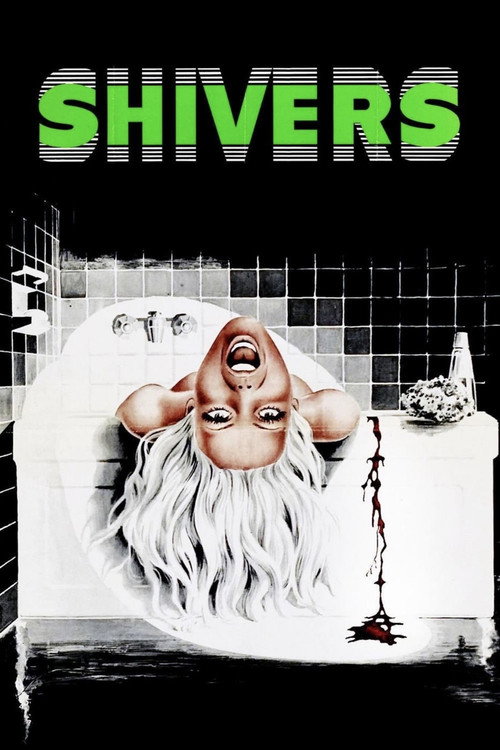
Brian De Palma's Carrie is another antecedent in the literal sense; thematically, though, Ginger Snaps is even closer to the body-horror cycle kicked off by (Canadian) filmmaker David Cronenberg in the late 1970s (especially his downright venereal Shivers and Rabid) and mainstreamed by Ridley Scott's Alien , itself fairly aghast at the particulars of reproductive processes.
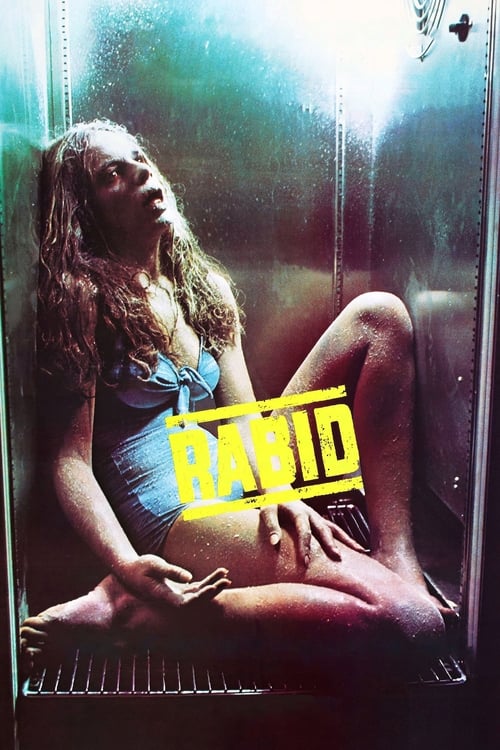
Brian De Palma's Carrie is another antecedent in the literal sense; thematically, though, Ginger Snaps is even closer to the body-horror cycle kicked off by (Canadian) filmmaker David Cronenberg in the late 1970s (especially his downright venereal Shivers and Rabid) and mainstreamed by Ridley Scott's Alien , itself fairly aghast at the particulars of reproductive processes.
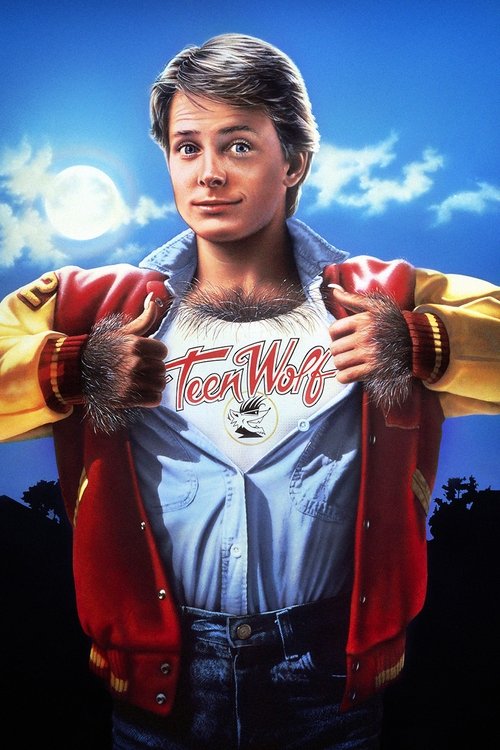
We've seen teenage werewolves before, from Michael Landon in I Was a Teenage Werewolf (1957) to Michael J. Fox in Teen Wolf (1985) to Seth Green in TV's "Buffy the Vampire Slayer."
It's a cinch to connect the hairy howling of adolescence with the legend of lycanthropes -- hence ''I Was a Teenage Werewolf'' and Michael J. Fox in ''Teen Wolf.''
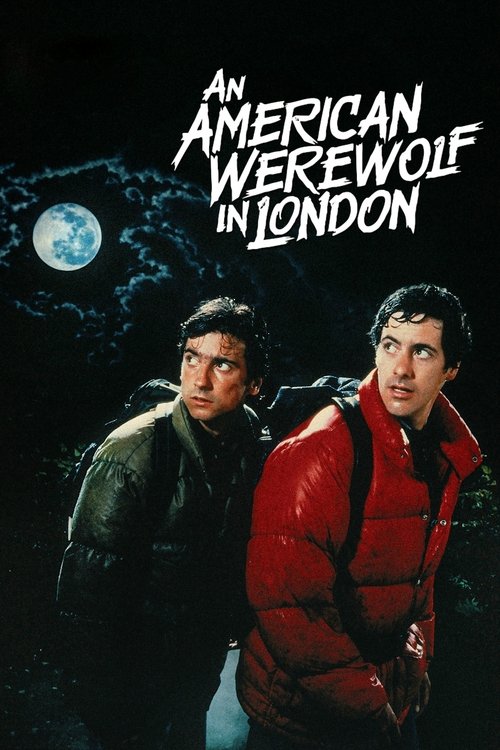
A gory coming-of-age tale that employs lycanthropy as a vicious metaphor for puberty, Canadian export Ginger Snaps manages to be the funniest werewolf movie since An American Werewolf in London and the darkest high-school movie since Heathers.
About a month ago I watched John Landis' An American Werewolf in London for the first time in years and gradually came to understand how and why I'd identified with it as an adolescent: after being inflicted with the werewolf's curse, David, the hero, goes through a second puberty.
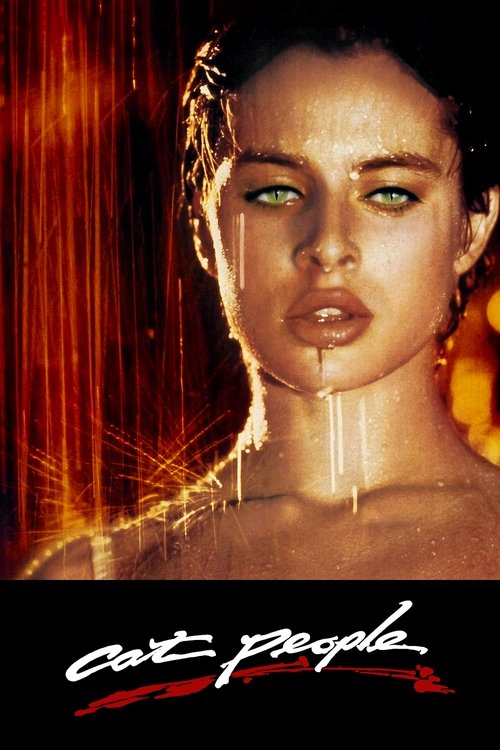
Ginger Snaps owes a great debt to horror traditions-not so much to George Waggner's original werewolf picture, The Wolf Man, as to director Jacques Tourneur's and producer Val Lewton's Cat People and especially the more-explicit Paul Schrader remake of that film.

Like Ginger Snaps before it, Turning Red uses Mei’s physical transformation to represent the various changes young women endure during puberty.
After wondering for a second if maybe Meilin has turned into a werewolf — this may be a sly shout-out to the Canadian werewolf saga “Ginger Snaps” — they happily embrace the new and more rebellious Meilin.
Which is not to say that “Turning Red” — a cheeky title for a movie that sometimes plays like “Carrie” with the cutes, or “The Joy Luck Club” meets “Ginger Snaps” — deals purely in the metaphorical.
Adolescence is tough enough without turning into a hideous monster, and movies from Teen Wolf to Ginger Snaps have gotten plenty of mileage out of conflating those two experiences.
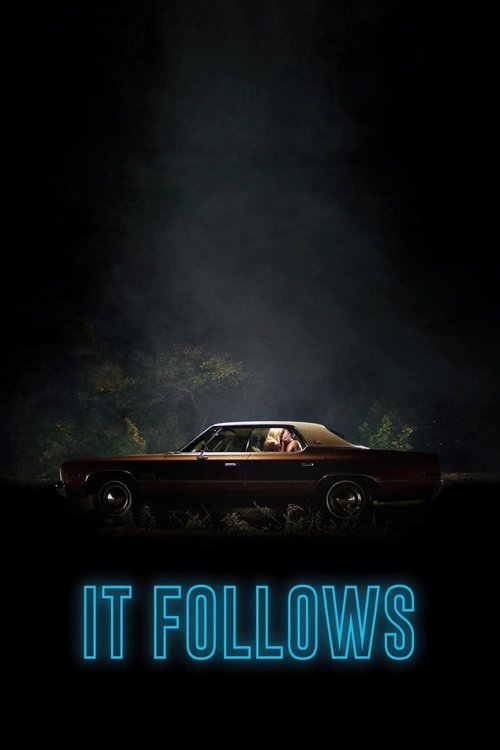
From the 2007 vagina dentata–themed flick Teeth, to werewolf puberty in the 2000 movie Ginger Snaps, to every other time a sexual experience has been paired with horrific violence, the message is clear: Sex can be scary.
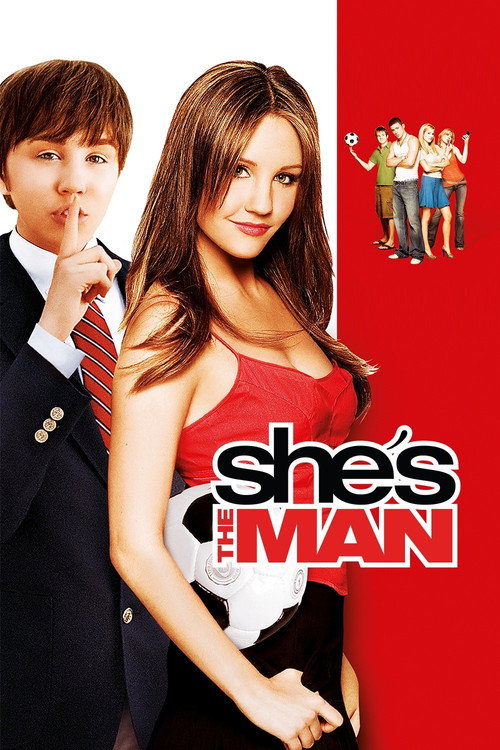
Among the supporting players, Emily Perkins ("Ginger Snaps") is notable for as the dorky girl, named Eunice of course, who blossoms.
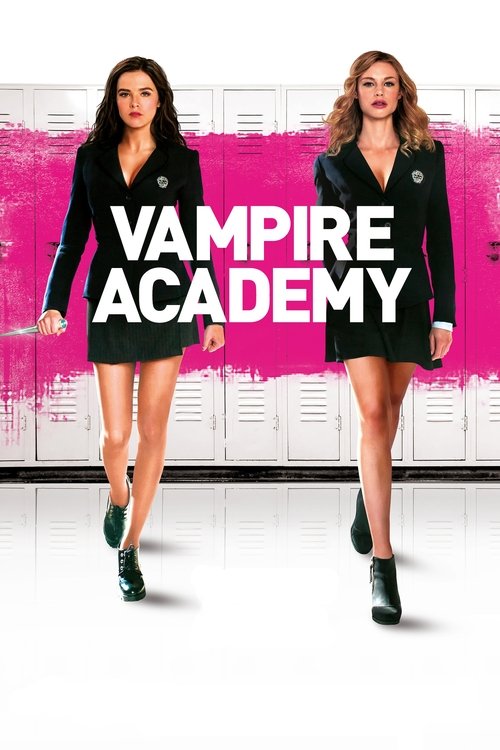
Neither as polished as the Twilight franchise, nor as explicitly carnal as earlier, better forays into what is now a well-established subgenre of toothy adolescent females with exsanguination issues (John Fawcett’s 2000 film Ginger Snaps – a wicked-smart and thoroughly unnerving depiction of budding female sexuality – comes to mind), Vampire Academy instead plays like the flip side of the Buffy mythos twinned with Percy Jackson and the Olympians by way of Mean Girls, with a side of (what else?) Harry Potter.
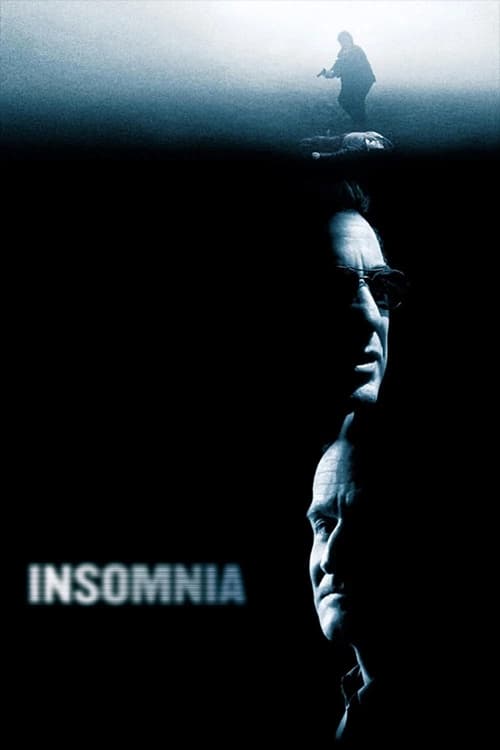
With young actresses like Hilary Swank and Maura Tierney (as the motel clerk) he is fatherly and protective; he gets a weird vibe going with Katharine Isabelle, of last year's superb Canadian horror film Ginger Snaps, as the dead girl's best friend (blink and you'll miss Isabelle's costar in that film, Emily Perkins, delivering the eulogy).
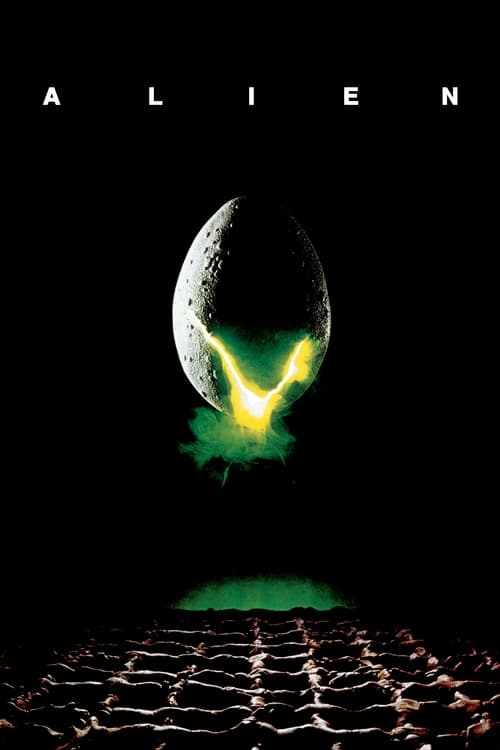
Brian De Palma's Carrie is another antecedent in the literal sense; thematically, though, Ginger Snaps is even closer to the body-horror cycle kicked off by (Canadian) filmmaker David Cronenberg in the late 1970s (especially his downright venereal Shivers and Rabid) and mainstreamed by Ridley Scott's Alien , itself fairly aghast at the particulars of reproductive processes.
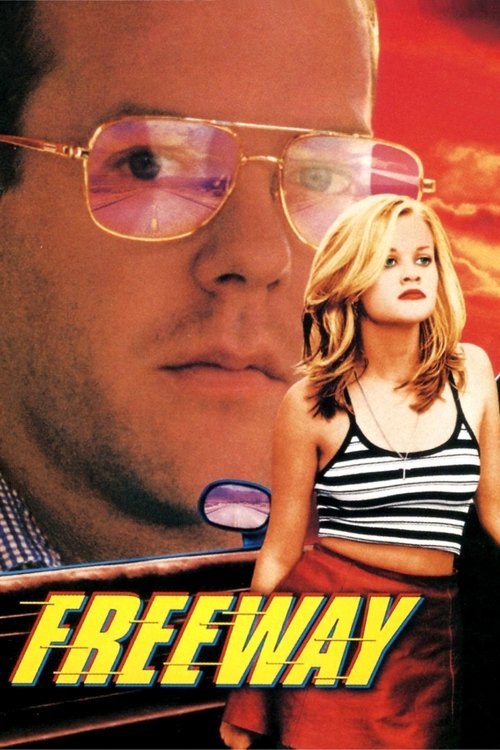
Beyond the werewolf gimmick, it's an honest and thoroughly twisted portrait of adolescence that almost achieves the instant-classic status of a "Freeway," the Reese Witherspoon film that made a local sensation a few years back.
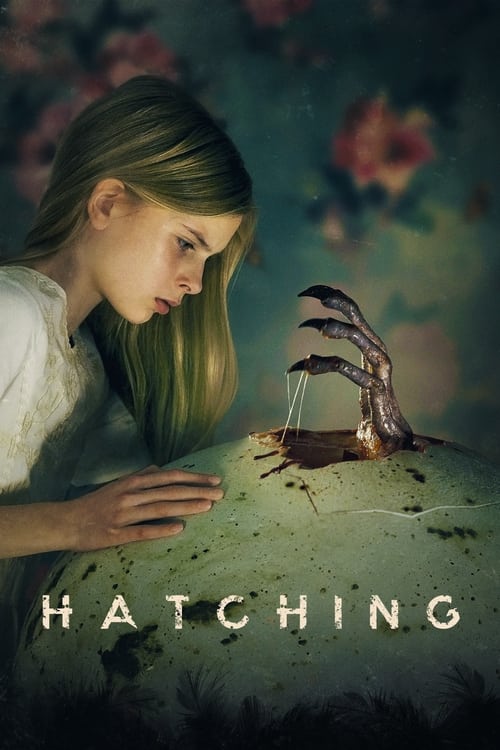
It’s just sweet, sad and mad enough that it could become this generation’s Ginger Snaps .
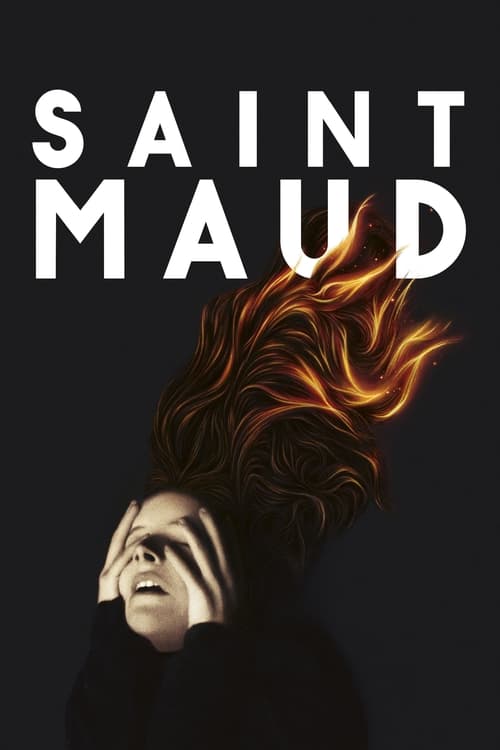
There are numerous films where coming of age and an ensuing pull between sexual expression and repression, coincides with developing horrific, supernatural abilities — "Carrie," "Thelma," "Ginger Snaps."