

Steven Knight
55 connections found
Filmography

View:
Connections, in both directions
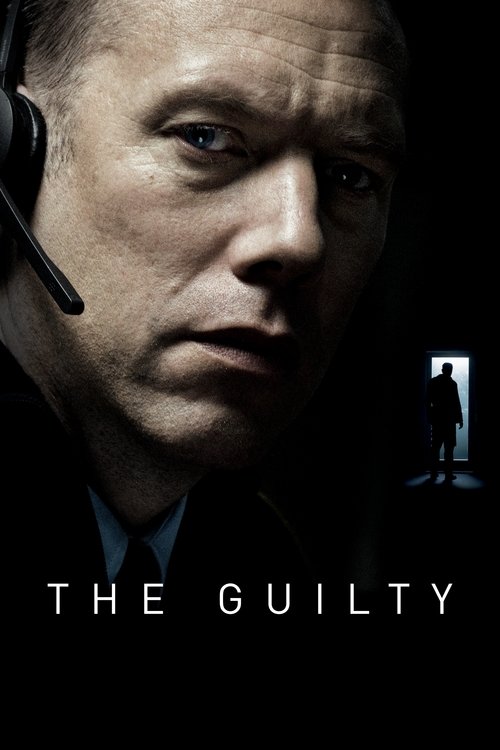


It’s reminiscent of Tom Hardy’s performance in Locke , another character who’s trying to solve problems via phone call, and it’s just as commanding.
Taking place entirely inside the Emergency Services call center and with only minimal input from the supporting cast, this is as focused and as meticulously plotted a real-time thriller as any I’ve ever seen, at least since Steven Knight’s 2013 Tom Hardy gem Locke .
I was reminded of Tom Hardy’s bravura solo performance in “Locke,” which was set almost entirely in a speeding car.
The sparse and stripped down Danish thriller The Guilty will likely earn favourable comparisons to similarly minded efforts like Locke and The Call, but this single room drama about a disgraced police officer’s last chance for moral redemption will leave viewers riveted from start to finish with ease.
The dissonance of personhood and the ways in which people attempt to reach one another make for Locke on lockdown and Hamlet in a holding room.
La acción de Locke se desarrollaba íntegramente dentro de un coche, durante un viaje de dos horas desde Birmingham a Londres, protagonizada exclusivamente por un hombre angustiado (qué actor tan admirable y camaleónico es Tom Hardy) que habla por teléfono con su esposa, sus hijos y sus jefes y sus empleados en una constructora y la olvidable amante de una noche que va a parir una criatura de ambos.
Joel Schumacher's "Phone Booth" is a distant precedent for it but the two most direct and terrific descendants are Rodrigo Cortes' amazing "Buried" starring Ryan Reynolds and Steven Knight's "Locke" starring Tom Hardy.
Liman's film is minimalist, claustrophobic and highly visceral, in the same tradition as one-location thrillers like "127 Hours," "Buried," "Phone Booth," "Locke," "Cube," "Tape," "All Is Lost," "Cube," and "Saw."
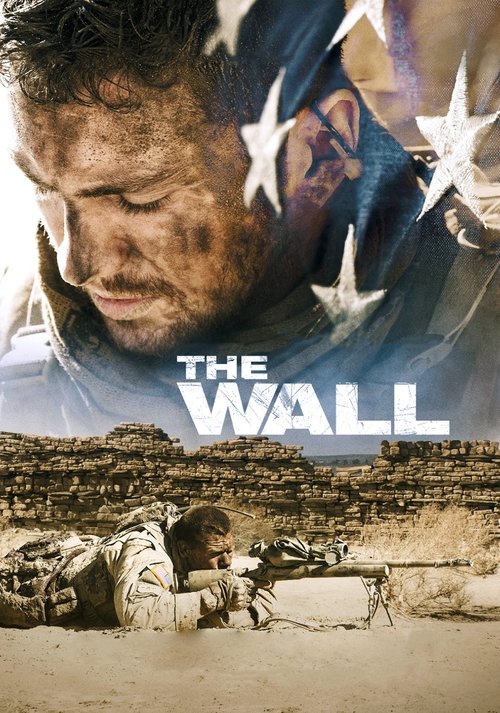
Essentially a two-hander between Taylor-Johnson and the disembodied voice of his adversary (played by Laith Nakli), what follows is a solid example of the sort of single-location thriller – Locke, Buried, Phone Booth – that often ends up being more intriguing as a concept than a movie.
Filmed in a single location and unfolding in real time, not unlike “Buried” or “Locke,” “The Wall” follows Allan Isaac (Aaron Taylor-Johnson) and Shane Matthews (John Cena), a spotter and his staff sergeant, scanning the hot desert terrain, searching for their purpose after President George W. Bush prematurely hung the “Mission Accomplished” banner for all the world to see.
This compact little action picture has a few things in common with American Sniper and Lone Survivor, but more so with Phone Booth and Locke – a grim story squeezed into a tight space, featuring a cast of mostly one.
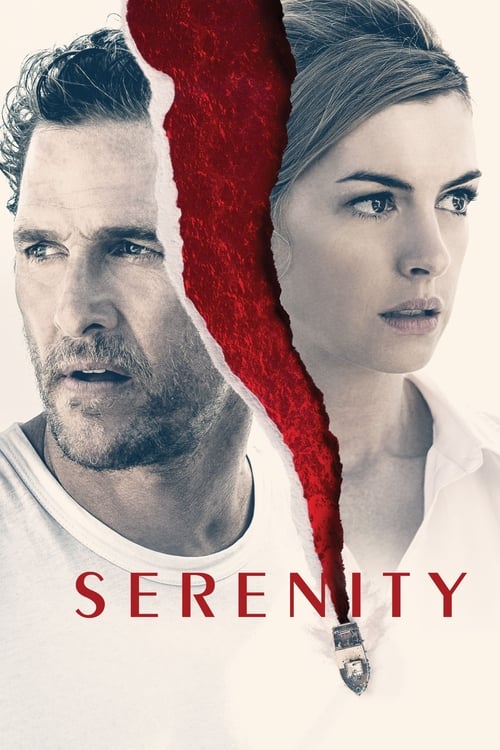
Serenity is a Black Mirror episode by way of The Truman Show, with a touch of the straight-faced pomposity of Collateral Beauty —a cinematic “Florida Man” story enacted, somehow, by Oscar winners and nominees.
“Serenity” - which is named after Dill’s fishing boat - at best reminded me of Tom Cruise’s “Vanilla Sky” or even a psychotic version of “The Truman Show” with its absurdist take on modern day technology.
Imagine “Body Heat” being consumed by “The Truman Show” (1998).
Drawing from everything including Field of Dreams to Pleasantville and The Truman Show , Steven Knight’s script believes it’s an esoteric look at identity a la Vanilla Sky when it’s more in line with the S1m0ne .
The repetition goes beyond a merely routine lifestyle (there are shades of Groundhog Day and The Truman Show ).

The effect is that, as in My Dinner with Andre, we are staring at diffuse images but our brains are focused on Locke's conversations, perhaps trying to picture faces, or a football match, or a concrete pour.
Then again, some people might think of something even smaller and more obscure, like Louis Malle’s “My Dinner with Andre,” where the audience becomes enraptured with the fascinating dinner conversation.

Knight's film is one of those cinematic high-wire acts in the vein of "Buried" and "All is Lost" in which a director tries to burnish his storytelling cred by tying one hand behind his back and setting his whole film in one place.
It's the type of concept similar to what Rodrigo Cortes was going for in " Buried ."
Think Castaway with Tom Hanks (2000), Buried with Ryan Reynolds (2010), 127 Hours with James Franco (2010) and last year's Gravity (Sandra Bullock) and All is Lost (Robert Redford).
Dramatic stuff to be sure, though far removed from the sort of nail-biting thriller narrative audiences have come to expect from the man-in-a-confined-space sub-genre (think: Ryan Reynolds in Buried, Colin Farrell in Phone Booth, etc.).
Most man-in-a-can titles wear out their welcome quickly, including “ Phone Booth ,” about a man trapped in you know what, and “ Buried ,” about a far less lucky guy buried alive in a coffin; in “Gravity,” Sandra Bullock switched cans often enough that the movie never felt oppressive.
In dreamlike opening scenes of writer-director Steven Knight’s fishy tale “Serenity” — not to be confused with the 2005 Joss Whedon cult film of the same name — a boy opens his eyes, and we are underwater.
Serenity is not to be confused with the Firefly spinoff movie of the same name, released in 2005.
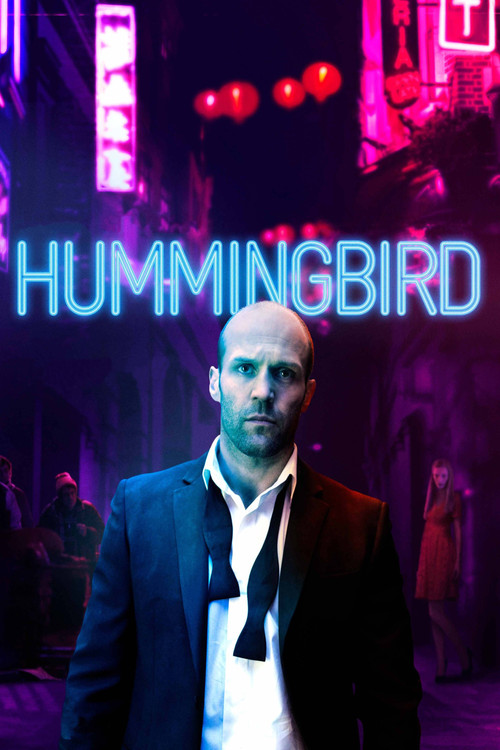
I won’t be the first or last to suggest that Wheelman feels like Tom Hardy and Steven Knight’s Locke juiced up on nitrous oxide and gunpowder.
It gave structure to Tom Hardy's rightly lauded performance in the contemplative character study Locke , while Bryan Bockbrader gave it a pulp edge with Vanish .
A little of Tom Hardy’s cellphone in the car myopia “Locke,” a little of Gosling’s “Drive,” and a lot of Grillo goes a long way.
Wheelman probably works better as a technical exercise than the white-knuckle thriller it aspires to be, but those eager to watch another The Driver (or, surprisingly, Locke) will find much to admire in Jeremy Rush’s debut as a writer-director.
Lastly, it manages to give shades of the movie Locke starring Tom Hardy which has the same concept and is a literal one man show.
Remember Locke, Steven Knight’s surprisingly harrowing 2013 drama that took place in real time while Tom Hardy made a long, emotionally exhausting drive while speaking to several characters on the phone?
A little like Tom Hardy in Locke (a terrific movie) or Ryan Reynolds in Buried (not so terrific), 7500 is largely a one-man show.
Two of the more impressive examples of the latter we've seen in recent years include the 2010 Ryan Reynolds' feature Buried and Tom Hardy's 2014 Locke, films in which the performers are the only ones seen on screen for the entire running time.
It is, for the best part of its brisk running time, a stomach-churning ride that bursts with the same force and anxieties of another recent–but far superior–single-setting drama: Steven Knight’s Locke.
Like Steven Knight’s Locke or Rodrigo Cortés’s Buried , Vollrath fully explores the possibilities of this single location, trapping the audience in a confined space from which the wider drama plays out.
It’s a hard thing to pull off, sort of similar to the film “Locke,” with Tom Hardy, in which the entire film follows a character throughout one car ride.
Like other star-driven, single-location thrillers like Phone Booth, Buried, or Locke, one of the finest examples of the genre , the movie makes an implicit promise to the viewer: you're not going anywhere.
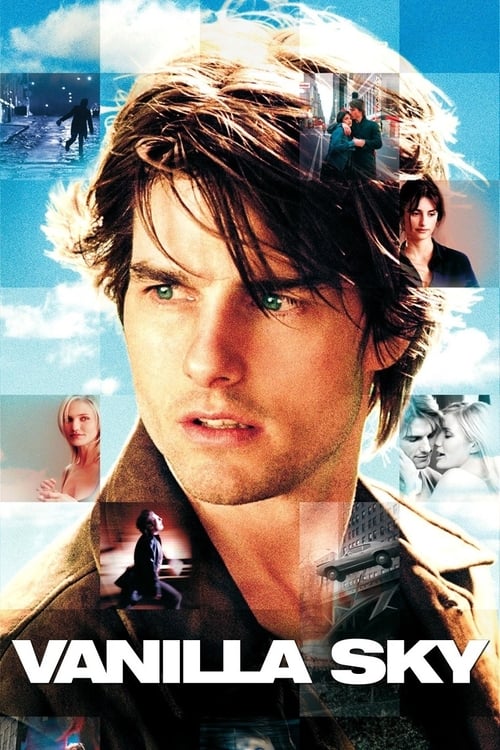
“Serenity” - which is named after Dill’s fishing boat - at best reminded me of Tom Cruise’s “Vanilla Sky” or even a psychotic version of “The Truman Show” with its absurdist take on modern day technology.
Drawing from everything including Field of Dreams to Pleasantville and The Truman Show , Steven Knight’s script believes it’s an esoteric look at identity a la Vanilla Sky when it’s more in line with the S1m0ne .
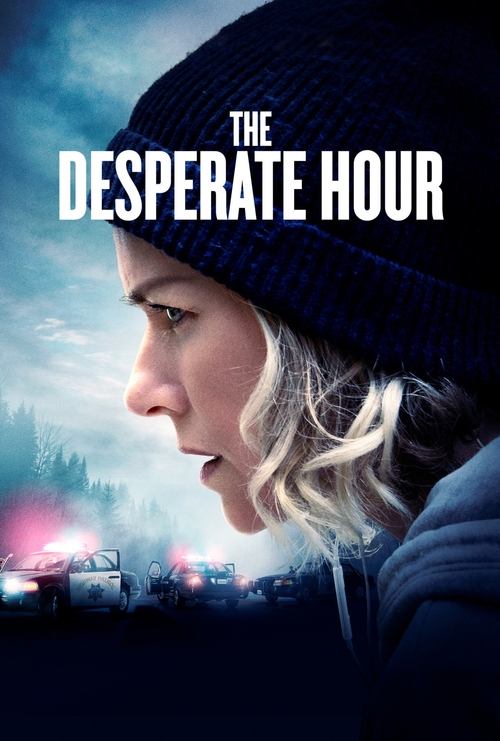
It very much recalls the similar Tom Hardy movie Locke , which was also assembled entirely from phone calls, but that film had a narrative momentum that Lakewood lacks.
Noyce doesn’t direct with any sense of engagement, unlike the Steven Knight single location drama “Locke” starring Tom Hardy which had audiences hooked, instead keeping the atmosphere pedestrian as the movie weaves through the drama with minimal results.
Međutim, "The Desperate Hour" ustvari pripada (ili želi pripadati) pred-koronskom trendu svedenih trilera ili drama 2010-ih odigranih u realnom ili približno realnom vremenu a la "Gravitacija", "Živ zakopan", "Bankomat", "Sve je izgubljeno", "Krivnja", "127 sati", "Locke"...

If you’ve ever seen a Mike Figgis movie (Leaving Las Vegas, One Night Stand, Timecode), you might understand the self-consciously conceptual, stressed masculinity that’s afoot here as mid-tier Figgis.
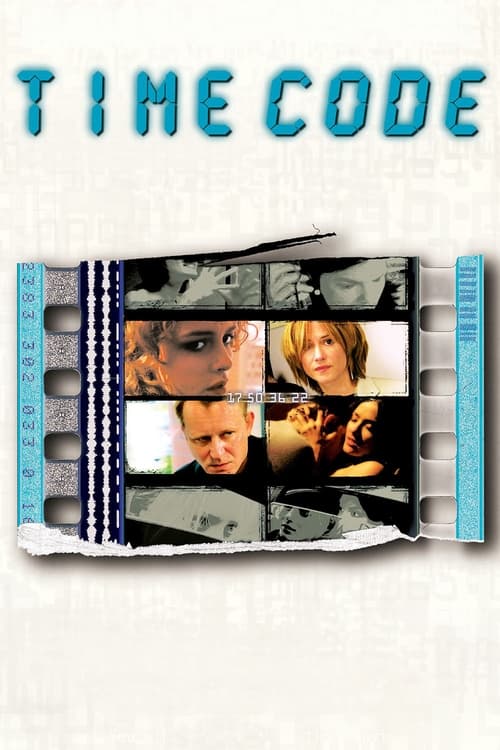
If you’ve ever seen a Mike Figgis movie (Leaving Las Vegas, One Night Stand, Timecode), you might understand the self-consciously conceptual, stressed masculinity that’s afoot here as mid-tier Figgis.
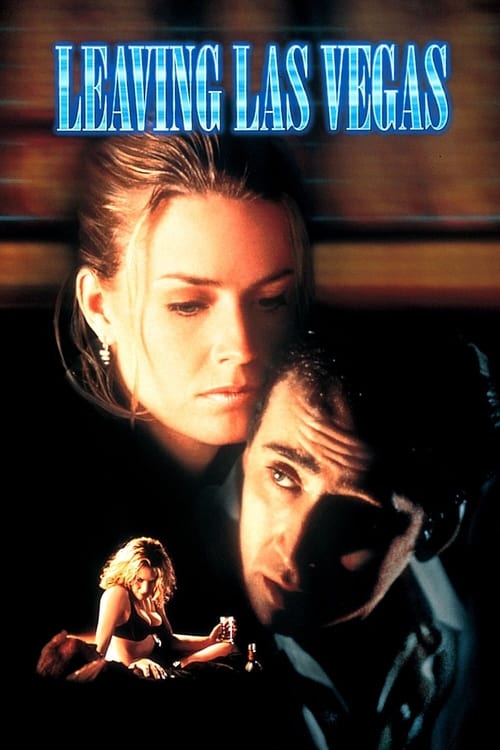
If you’ve ever seen a Mike Figgis movie (Leaving Las Vegas, One Night Stand, Timecode), you might understand the self-consciously conceptual, stressed masculinity that’s afoot here as mid-tier Figgis.
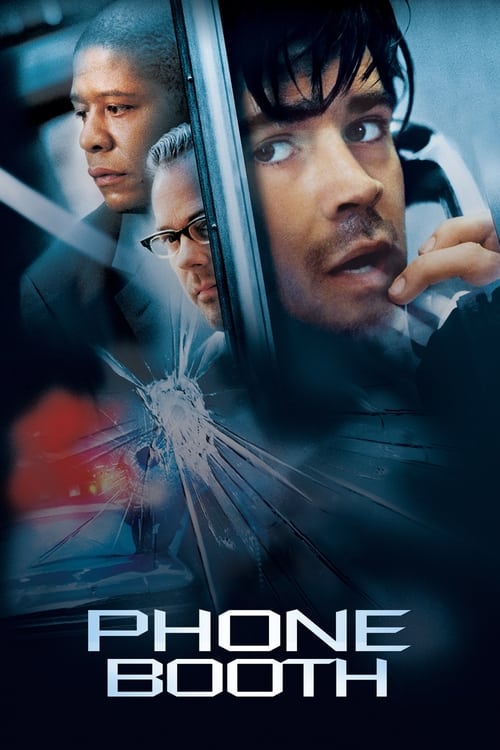
Dramatic stuff to be sure, though far removed from the sort of nail-biting thriller narrative audiences have come to expect from the man-in-a-confined-space sub-genre (think: Ryan Reynolds in Buried, Colin Farrell in Phone Booth, etc.).
Most man-in-a-can titles wear out their welcome quickly, including “ Phone Booth ,” about a man trapped in you know what, and “ Buried ,” about a far less lucky guy buried alive in a coffin; in “Gravity,” Sandra Bullock switched cans often enough that the movie never felt oppressive.
Most people would think of something along the lines of “Phone Booth,” “Rear Window,” “or “12 Angry Men,” films that thrilled us with their suspenseful plots, making us sit on the edge of our seats in anticipation of what was going to happen next.
Has even that been taken from us? "Locke" belongs to a mini-trend of movies set in enclosed spaces (see "Phone Booth" with Colin Farrell and the coffin-set "Buried" with Ryan Reynolds), but more tellingly it continues the idea, seen in Cronenberg's " Cosmopolis ," that the car is no longer a refuge but an extension of the home and office, a mobile space that through wireless technology remains connected to the pressures of work and family.
Movies that take place in real time and/or confined spaces may sound like flimsy gimmicks — see: “Phone Booth,” “Buried” — but when they work, they can be supremely gripping.
"Phone Booth" and "Buried" are but two examples of thrillers with one character in an enclosed space but writer/director Steven Knight (writer "Dirty Pretty Things," "Eastern Promises"), his star Tom Hardy ("Warrior," "The Dark Knight Rises") and cinematographer Haris Zambarloukos ("Thor") have created such a compelling study of a man hanging onto his morals from within a pressure cooker it's as if they'd invented the genre.
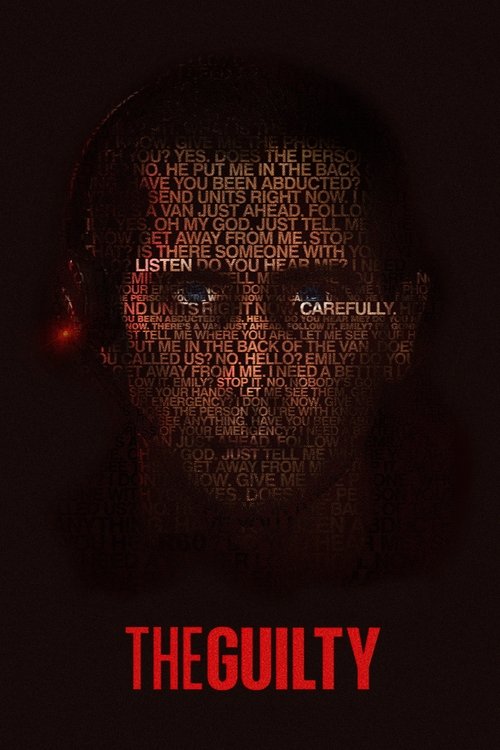
It’s similar to a movie like Locke , where Tom Hardy was in a car driving to another city, and while driving in the vehicle he interacts with characters via the phone, which creates drama and tension.
A few years ago, Tom Hardy starred in a movie about a man overwhelmed with responsibility and chained to the phone in his car having the worst night of his life called “Locke.”
Similar to 2013’s Locke (the drama with Tom Hardy answering calls in his car), The Guilty is a single-set drama that takes place within the confines of a dispatch call center.
Joining the ranks of Steven Knight’s Locke in its depiction of psychological duress and claustrophobia , The Guilty is a marathon of finely-calibrated distress.
Jake Gyllenhaal and his Southpaw director Antoine Fuqua have here created a slick, high-tension, “single location” thriller — see Phone Booth, Locke or Hitchcock’s Rope.
Habiendo visto la película original, realmente no tenía mucho sentido rehacerla o volver a verla, más aún cuando ya existe algo como Locke (Steven Knight, 2013).
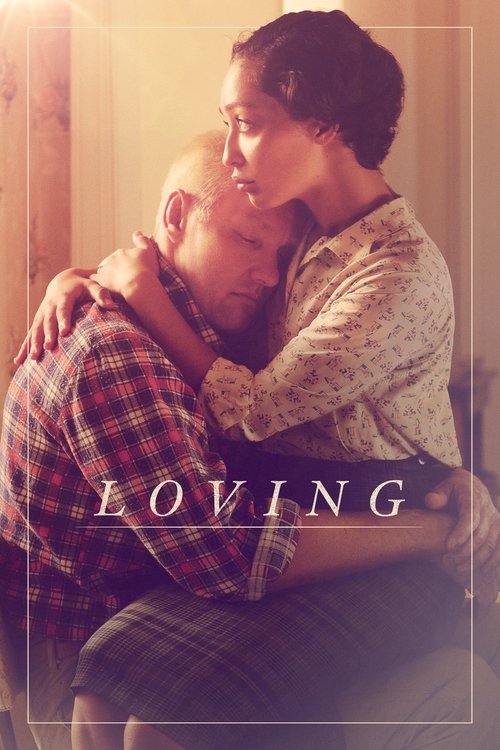
Simultaneously commenting on the films and era that inspired it, the script by Steven Knight ("Locke") pays homage to "Casablanca" and other wartime romances in far-flung locations but ultimately lacks a sense of urgency despite putting its hero in a thorny situation.
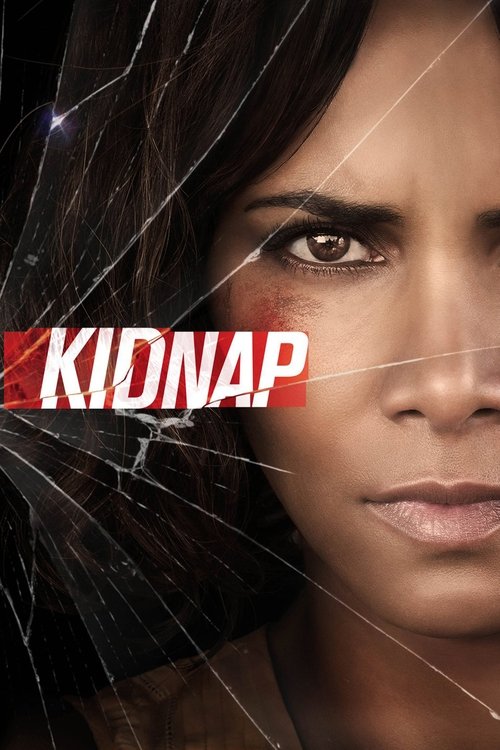
Tom Hardy was fantastic in 2014’s “Locke” as he drove a BMW from Birmingham to London, while his life fell apart through a series of phone calls, just to be there in time for the woman with whom he had a one-night stand to deliver their baby.
(Obviously screenwriter Knate Lee, a producer on Bad Grandpa and various Jackass films, wrote this as an homage to the eloquent, introspective dialogue from Tom Hardy’s Locke.)
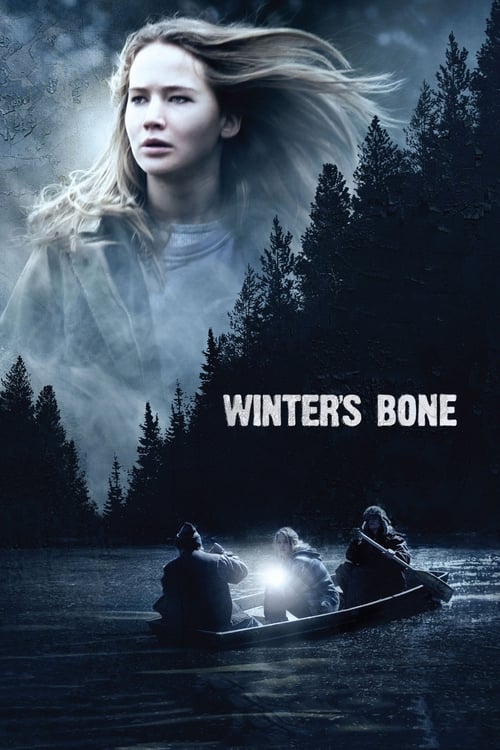
On the technical side, Dickon Hinchliffe's (2010's " Winter's Bone ") moody beat of a score and Haris Zambarloukos' (2014's " Jack Ryan: Shadow Recruit ") shady lensing evoke a lonely feeling, but the latter slides into repetition with its limited assortment of shots.
Knight keeps things entirely focused on the car, with the camera mostly on the inside (there are couple of exterior shots, but they never break the mood), and “Thor” DoP Harris Zambarloukos’s Michael Mann-ish photography perfectly captures the sort of long nighttime drive of the soul that many of us could identify with (it’s also paired well with a very strong score by Dickon Hinchcliffe (“Winter’s Bone”).

Writer-director Knight, creates a drama that is entirely internal: this man is not forced to confront his fate, like Duel's Dennis Weaver, in the form of an external agency.
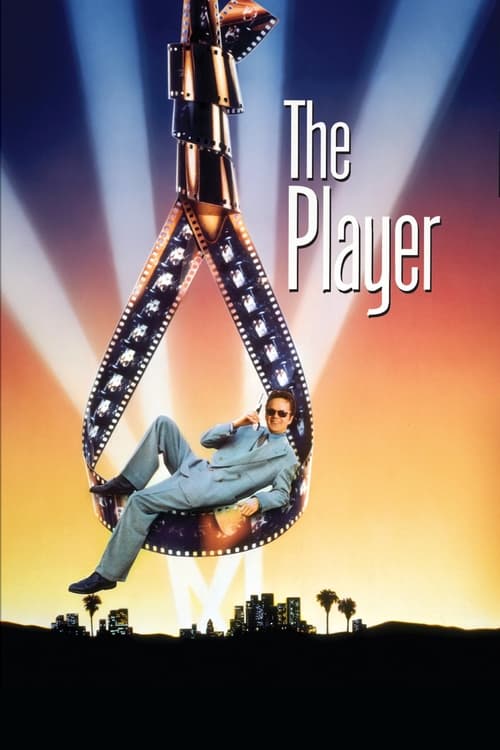
It transpires in a manner characteristic of old school studio system movie pitches, like a moment from Robert Altman’s The Player (1992) or a chapter from the biography of drug-addled mogul Don Simpson.