Eiichi Kudō
1 connection found
Filmography
View:
Connections, in both directions
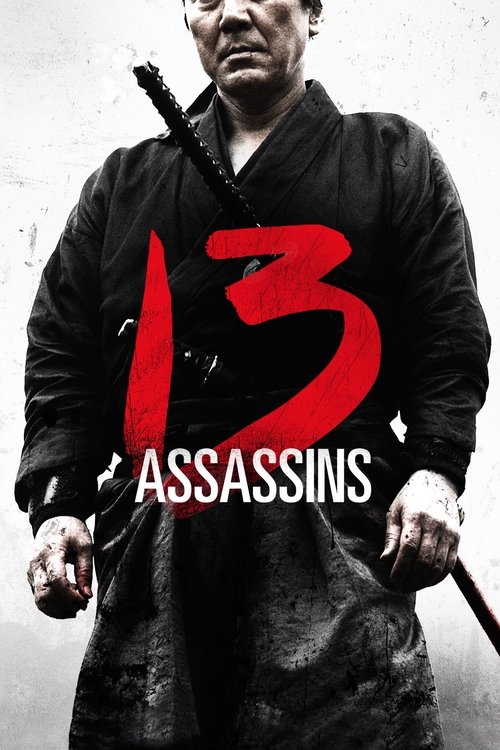


After the flop of Takashi Miike?s previous U.S. release, the jokey take-off Sukiyaki Western Django, this unpredictable non-schooled Japanese filmmaker flies even further from his usual corrupt present-day setting with 13 Assassins/Jûsan-nin no shikaku, which goes back to the mid-nineteenth century end of the Tokugawa Edo period.
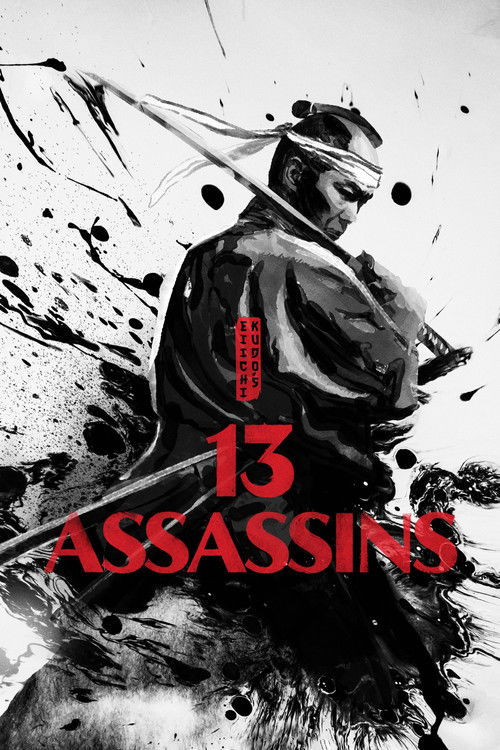
The film serves up a remake of Eichi Kudo’s 1963 black-and-white movie, "Jûsan-nin no shikaku."
Ostensibly a remake of Eiichi Kudo's 1963 film Jûsan-nin no shikaku, Miike's version takes us to the year 1844, in which the chaotic, incessant warfare of Japan's feudal era has long since given way to the uneasy central control and iron-fisted cruelties of the Tokugawa Shogunate.
After the world premiere of 13 Assassins (Jûsan-nin no shikaku) in competition, critics hitherto hostile to the work of the prolific Japanese director Miike Takashi suddenly started to rave about the Kurosawa-like classicism of his new sword-fighting spectacular.