

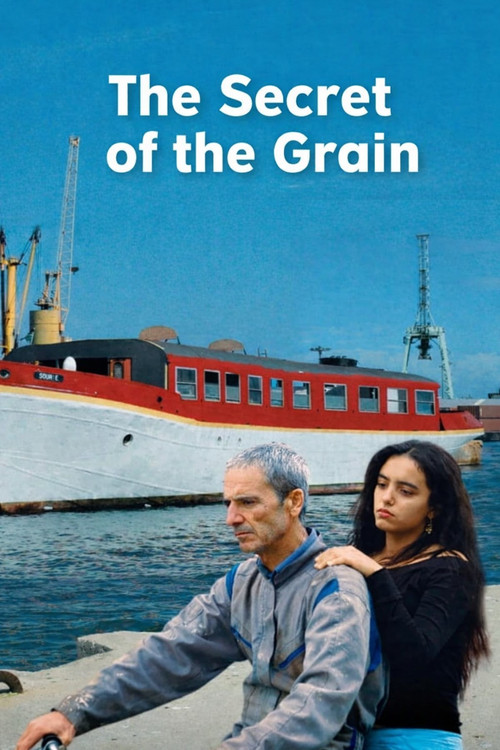
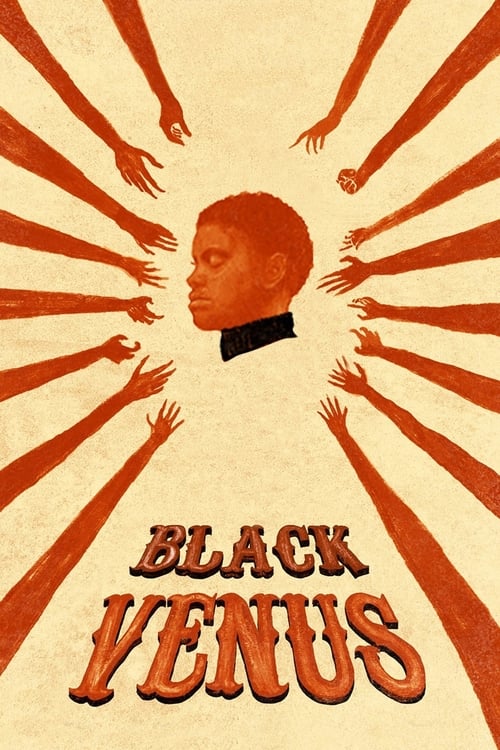
Abdellatif Kechiche

Connections, in both directions
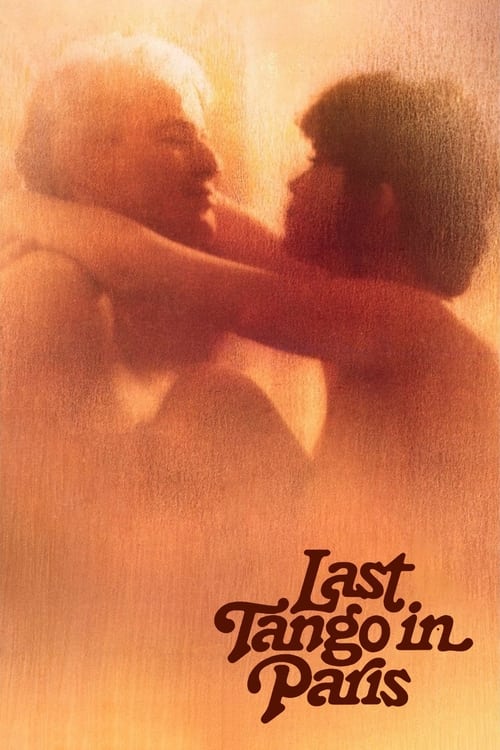
Last Tango in Paris (1972)
Directed by Bernardo Bertolucci
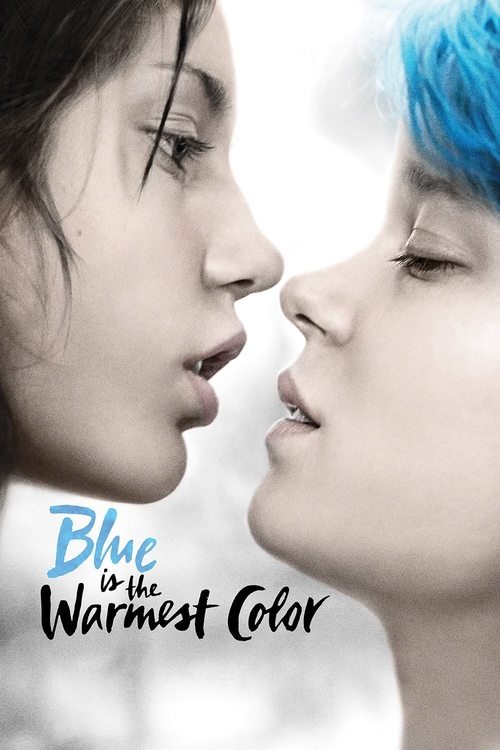
influenced Blue Is the Warmest Color (2013)


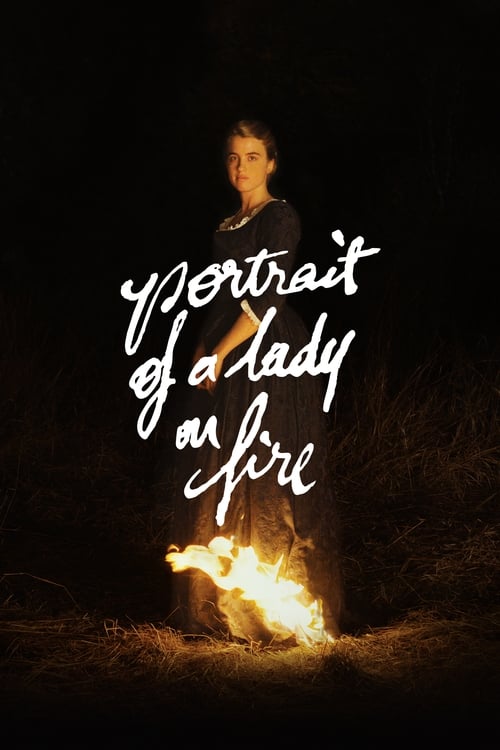
Portrait of a Lady on Fire (2019)
Directed by Céline Sciamma
influenced by Blue Is the Warmest Color (2013)
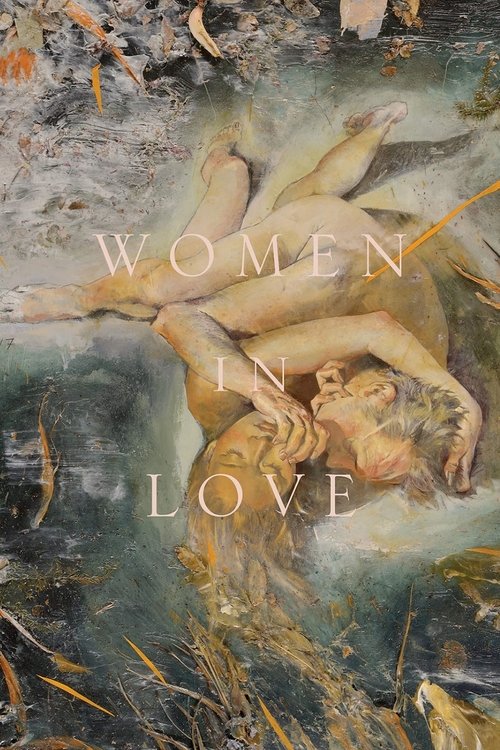
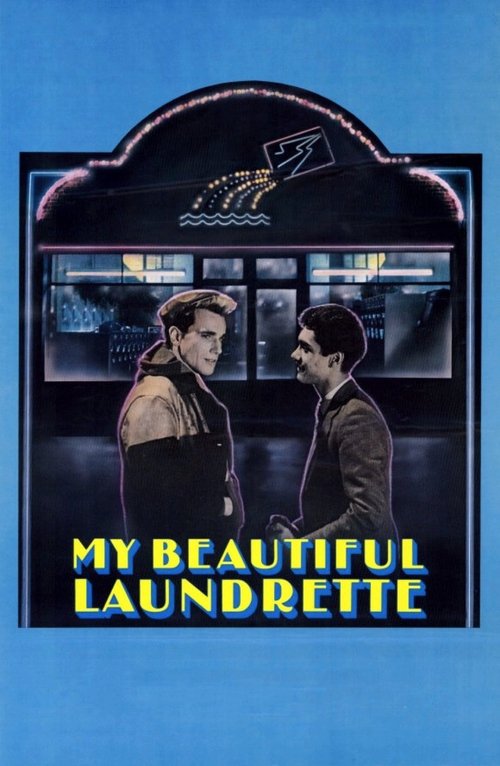
My Beautiful Laundrette (1985)
Directed by Stephen Frears
influenced Blue Is the Warmest Color (2013)

A Woman Under the Influence (1974)
Directed by John Cassavetes
influenced Blue Is the Warmest Color (2013)
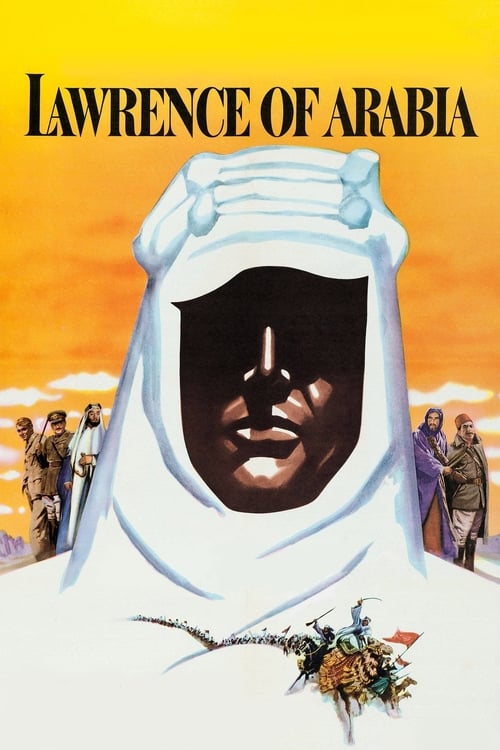
Lawrence of Arabia (1962)
Directed by David Lean
influenced Blue Is the Warmest Color (2013)
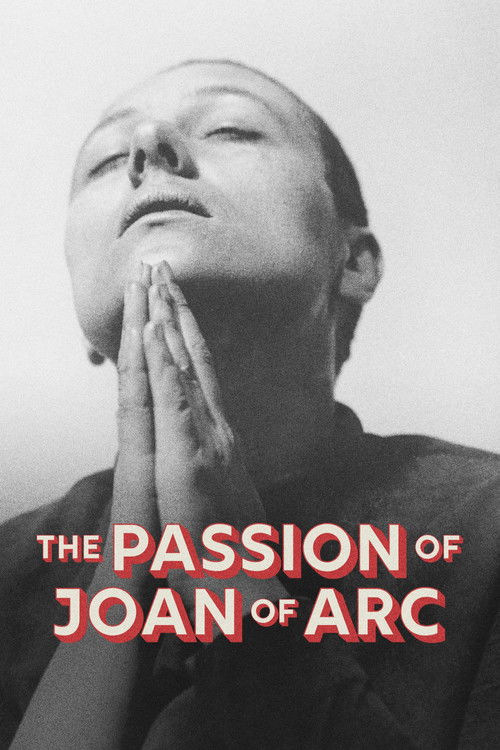
The Passion of Joan of Arc (1928)
Directed by Carl Theodor Dreyer
influenced Blue Is the Warmest Color (2013)
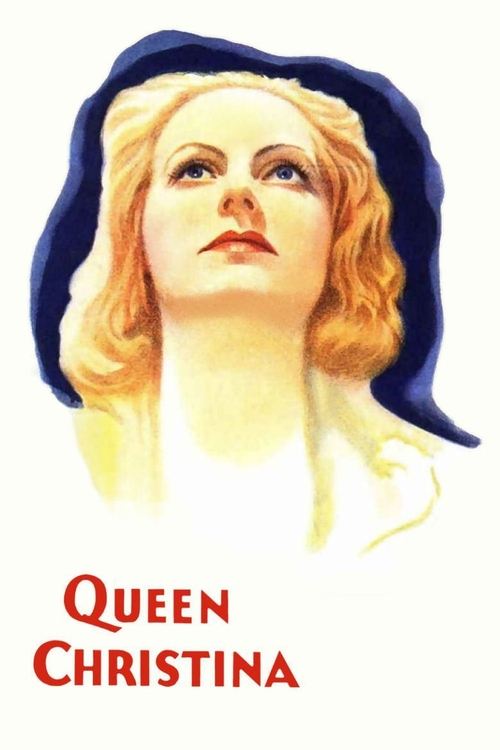
Queen Christina (1934)
Directed by Rouben Mamoulian
influenced Blue Is the Warmest Color (2013)
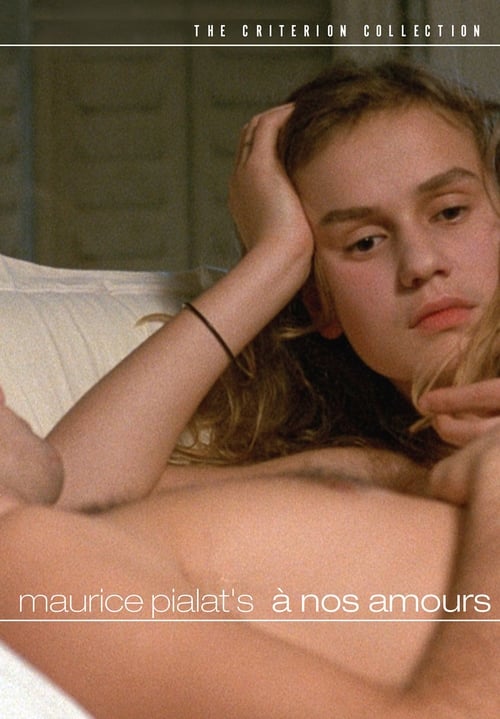
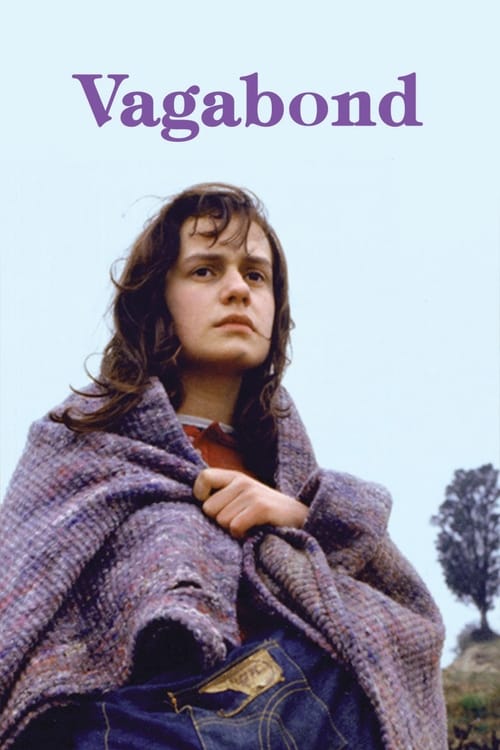
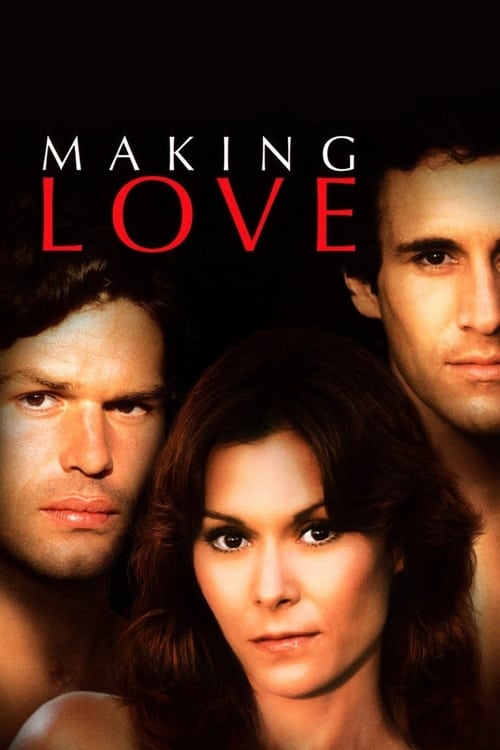
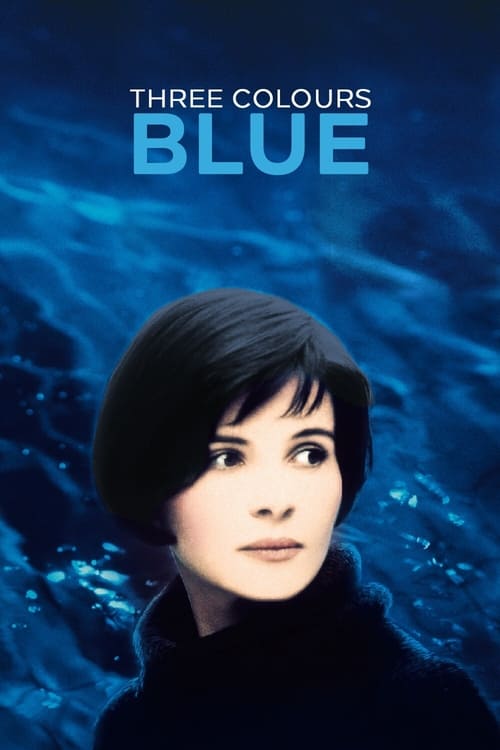
Three Colors: Blue (1993)
Directed by Krzysztof Kieślowski
influenced Blue Is the Warmest Color (2013)
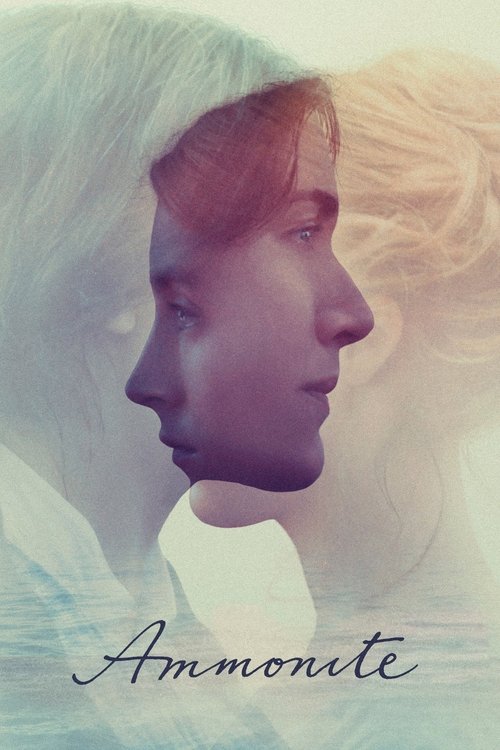
Ammonite (2020)
Directed by Francis Lee
influenced by Blue Is the Warmest Color (2013)
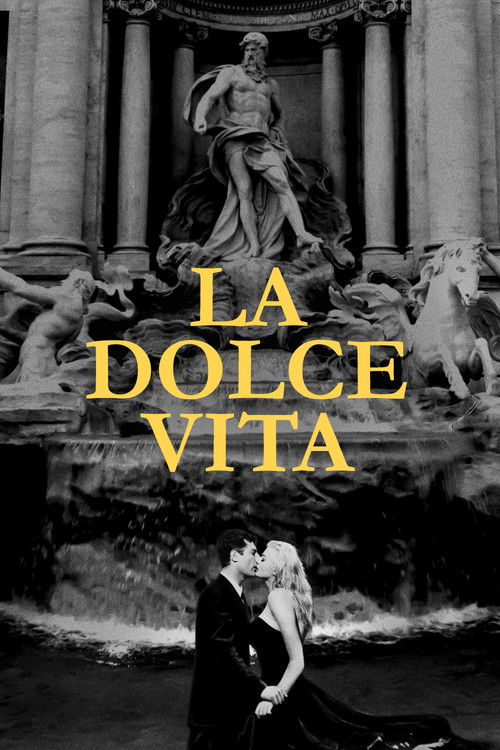
La Dolce Vita (1960)
Directed by Federico Fellini
influenced Blue Is the Warmest Color (2013)
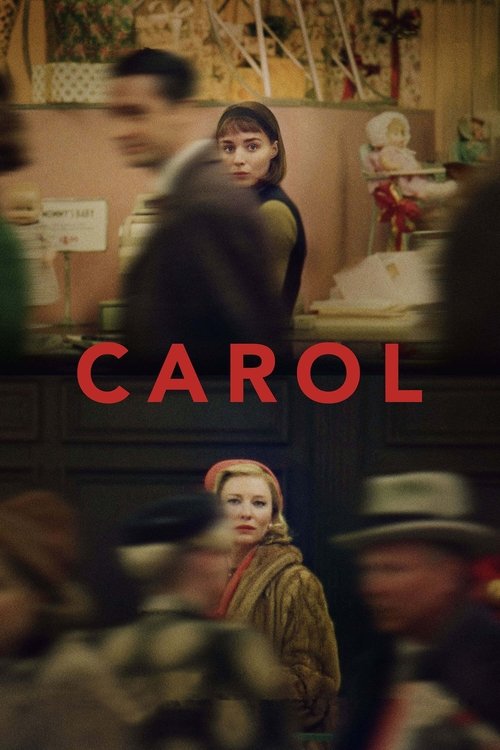

BPM (Beats per Minute) (2017)
Directed by Robin Campillo
influenced by Blue Is the Warmest Color (2013)