
Julia Ducournau
55 connections found
Filmography

View:
Connections, in both directions
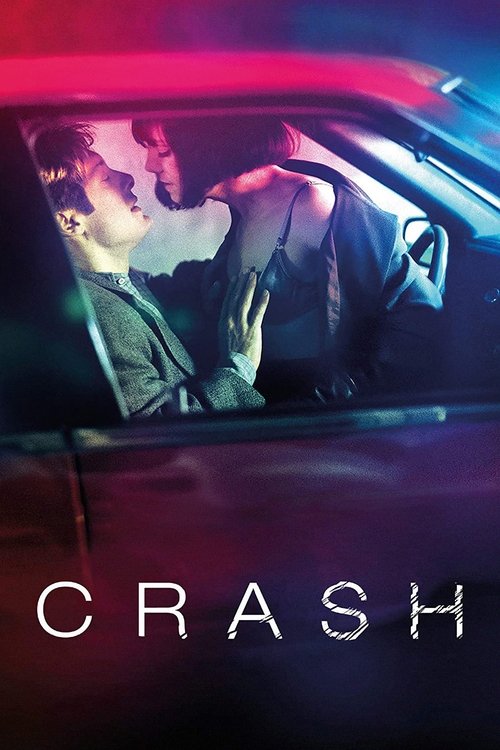


Here we are, then, revisiting David Cronenberg’s Crash, one might be tempted to think.
Ducournau openly plays with themes of gender identity, sexuality, queerness, violence and unconditional love, barreling down the highway like David Cronenberg's "Crash" with its pedal to the metal.
“Titane” is determined to make David Cronenberg’s “Crash,” its biggest inspiration, look tame.
With its mix of extreme violence and auto-eroticism (so to speak), Titane will inevitably draw comparisons to David Cronenberg’s Crash.
It’s a daringly queer and undoubtedly controversial ride, resulting in a most uncommon monster movie — a cross between David Cronenberg’s “Crash” and the uterine horrors of Takashi Miike’s “Gozu,” perhaps — where the main character hardly ever speaks and what Ducournau is trying to say is wildly open to interpretation.
In J.G. Ballard’s seminal 1973 cult novel Crash, infamously adapted in 1996 by David Cronenberg, the author rationalizes the morbid predilections of a character collecting grisly curios as items which “formed the key to a new sexuality, born from perverse technology.”
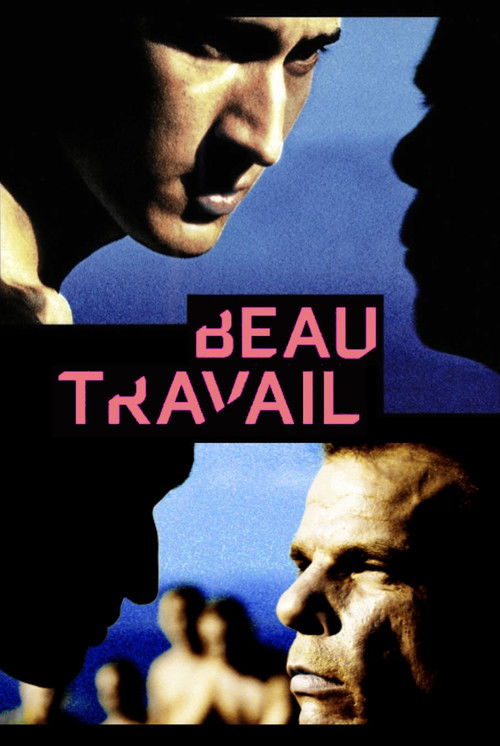
Cutting her hair and performing a radical act of impromptu auto-rhinoplasty, Alexia presents herself as a boy, then forms an increasingly perverse father-son bond with Vincent (Lindon), the troubled, body-pumping, steroid-shooting den daddy to a squadron of firefighters - whose all-male dance sessions suggest a flashier tribute to Claire Denis’s homoerotic images of the Foreign Legion in Beau Travail .
Nodding to Cronenberg and anime and Claire Denis (there’s “Beau Travail” in the many men-with-men dancing scenes, and there’s a little “High Life” fuckbox in the car-intercourse scenes) and “Holy Motors” and Nicolas Winding Refn (if he had the stones), “Titane” is bold in its reference points, no-holds-barred in its approach to some of the hottest-button issues of the day, and brash – and often very funny – in its deliciously grisly and inventive image-making.
Plus, a gaggle of bro-y firefighters let it all loose to some disco in the most rapturous dance scene since Claire Denis’ “Beau Travail.”
It may not be long before Titane is programmed as a double feature alongside Beau Travail.
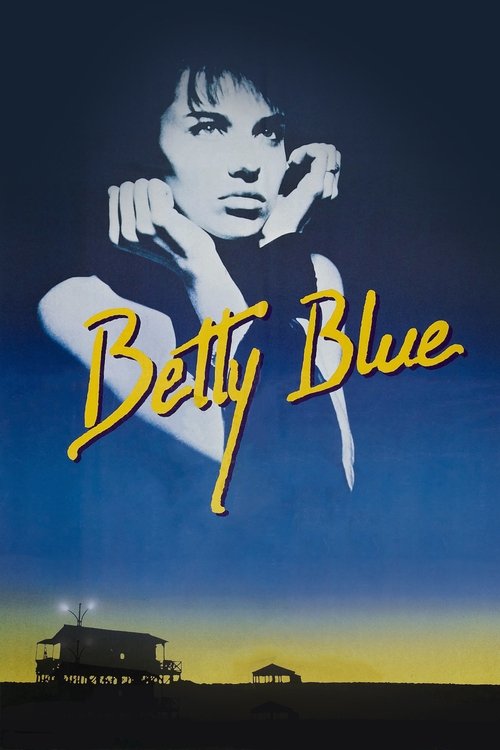
In a kind of devilish performance duet, she’s ably matched by a punky live-wire turn from Rumpf, who channels an unholy blend of Béatrice Dalle in “Betty Blue” and Fairuza Balk’s signature 1990s role in “The Craft.”

Some have compared the film to past Cannes Palme d'Or winner Titane by Julia Ducournau, which is a far superior film, but the gulf between the two is illustrative.
Filmmakers like David Cronenberg and Julia Ducournau – the king and queen of body horror (and two of my favorite directors of all time) – have found fascinating, unique ways to implement these elements to a plethora of themes, whether it is the 80s obsession with violence on the media in Videodrome or finding unconditional love in Titane.
The last time I had a similar reaction was when I saw Titane, the provocative body horror film by Julia Ducournau (and, ironically, another French filmmaker).
This lends The Substance a greasy, trashy sheen, which eventually evens out as the film's tone becomes more exaggerated, earning comparison to Julia Ducournau's Titane (2021).
Coralie Fargeat’s The Substance is a body horror film that takes after Julia Ducournau's Titane.
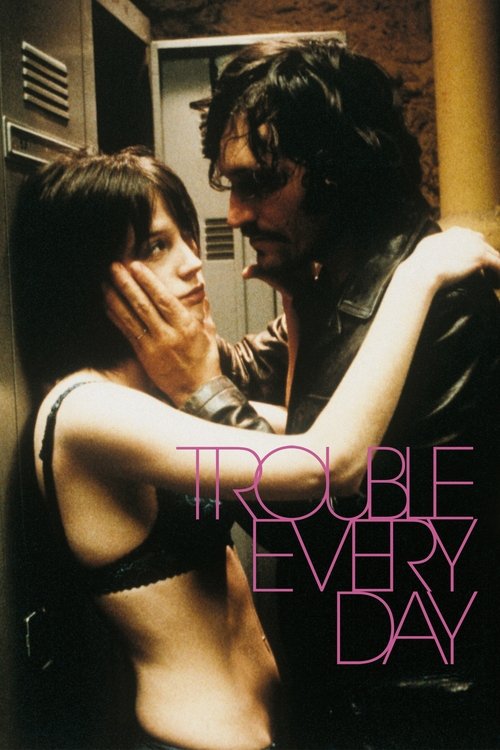
Previous foreign movies, including Claire Denis' Trouble Every Day and Jorge Michel Grau's We Are What We Are, have attempted similar feats by combining B-grade genre tropes like cannibalism with more upscale filmmaking, though Raw both does that and adds a welcome layer of Hollywood-style polish straight out of Craven or Carpenter.
If not the devilish, post-apocalyptic romp, “Delicatessen” (1991), perhaps Claire Denis’ “Trouble Every Day” (2001) would make a great double bill with “Raw.”
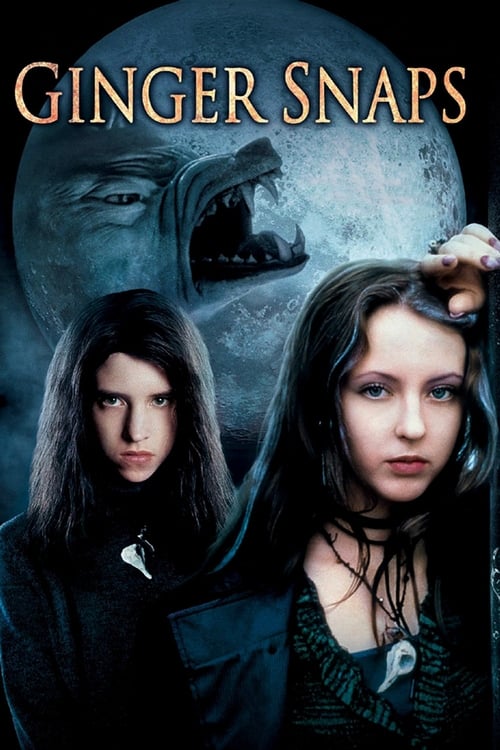
As in Ginger Snaps , which Raw thematically recalls, the protagonist's supernatural awakening is linked predominantly to sex.
While it may be easy to draw parallels between Ducournau’s Raw and films like Ginger Snaps or anything from David Cronenberg’s early career, her harshly poignant examination of youth culture is told with such a defiant voice that there’s no doubt that her scorching vision on display here is undeniably a distinct one that’s all her own.
This cannibal coming-of-age drama is a helluva horror story that joins the ranks of the modern pop feminist nightmares that have come before: What Ginger Snaps did with lycanthropy and The Craft did with its witchy teens, Raw does for the cannibal subgenre by aligning Justine’s burgeoning appetite with her sexual awakening.
"Suspiria" meets "Ginger Snaps" in a muscular yet elegant campus cannibal horror from bright new talent Julia Ducournau.
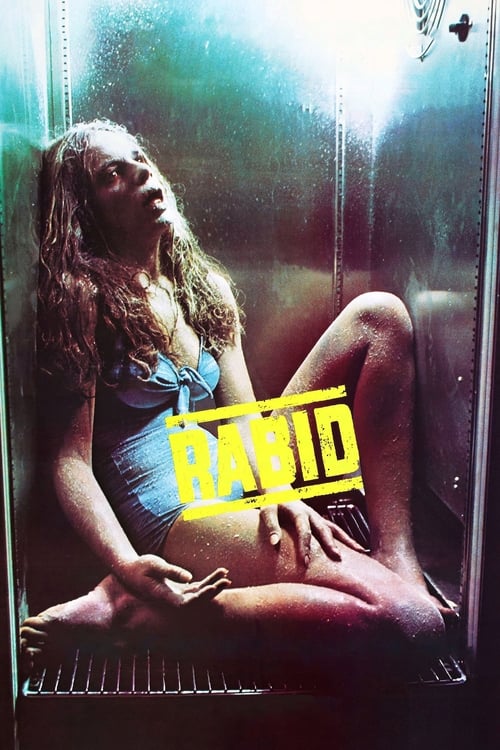
However, I found myself just as much reminded of such early Cronenberg works as Rabid or The Brood.
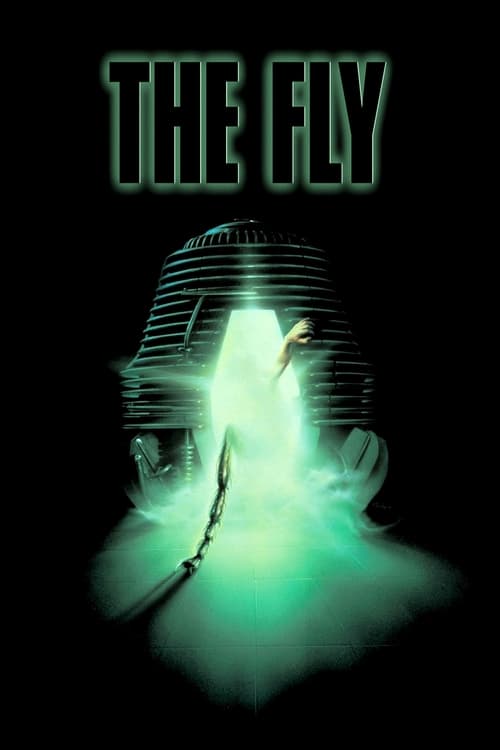
Even Cronenberg's The Fly and Quentin Dupieux's films, Rubber, Mandibles and Keep an Eye Out, take their refreshing concepts in more interesting and surprisingly profound directions.
The hosts of Cronenbergian body horror are typically men—think James Woods in Videodrome , Jeff Goldblum in The Fly , Peter Weller in Naked Lunch —while Ducournau has seized the opportunity to explore women’s bodies, much as fellow Frenchwoman Marina de Van did in her little-seen (but superb) 2002 film In My Skin .
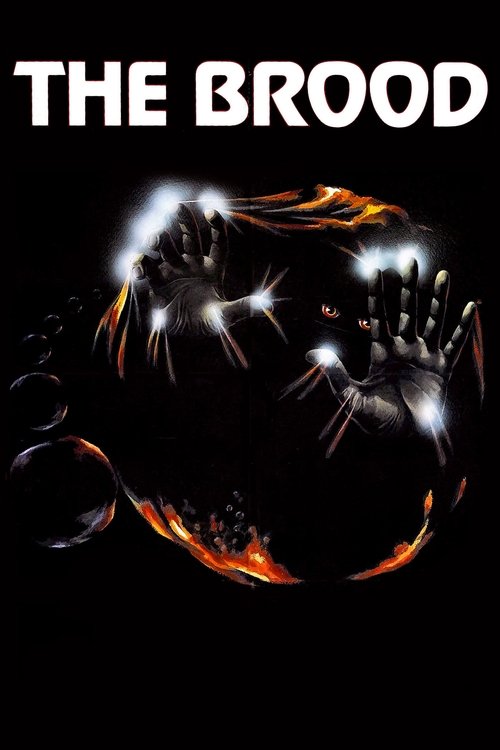
However, I found myself just as much reminded of such early Cronenberg works as Rabid or The Brood.
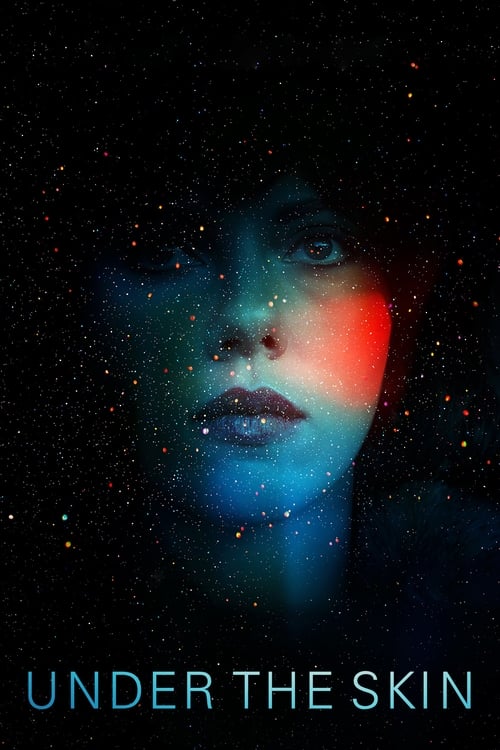
Cut to: The present, when Alexia is a terse and severe thirtysomething car model embodied by newcomer Agathe Rousselle (in an unforgettable performance that often evokes a gender-fluid take on the murderous vulnerability Scarlett Johansson brought to “Under the Skin”).
While Crash is a starting point, Ducournau’s fresh take on body horror leads into Under the Skin (2013) territory, and frames the growing divinity of Rousselle as a face reminiscent of Falconetti’s anguish in Dreyer’s 1928 landmark The Passion of Joan of Arc (significantly in her final sequences with Lindon).

While Crash is a starting point, Ducournau’s fresh take on body horror leads into Under the Skin (2013) territory, and frames the growing divinity of Rousselle as a face reminiscent of Falconetti’s anguish in Dreyer’s 1928 landmark The Passion of Joan of Arc (significantly in her final sequences with Lindon).
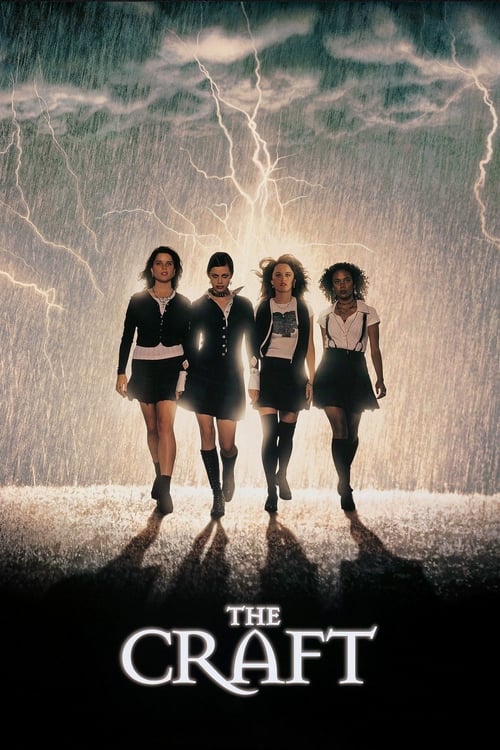
In a kind of devilish performance duet, she’s ably matched by a punky live-wire turn from Rumpf, who channels an unholy blend of Béatrice Dalle in “Betty Blue” and Fairuza Balk’s signature 1990s role in “The Craft.”
This cannibal coming-of-age drama is a helluva horror story that joins the ranks of the modern pop feminist nightmares that have come before: What Ginger Snaps did with lycanthropy and The Craft did with its witchy teens, Raw does for the cannibal subgenre by aligning Justine’s burgeoning appetite with her sexual awakening.

Back in 2014, it was The Babadook ; in 2015 it was The Witch ; and last year, it was Under the Shadow .
Horror fans grow apoplectic when we snooty-pants critics take a movie like The Babadook or The Witch and call them “elevated”—but the truth is that when you compare something like Raw to the dross certain VOD channels pump out each week, there really is a necessary threshold for taking this genre seriously.
A troubled kid, Alexia accidentally causes her father to gravely crash their car (in a “holy shit, kids are the worst” scene rivaling The Babadook ), resulting in emergency surgery to implant a titanium plate in her skull.

Even Cronenberg's The Fly and Quentin Dupieux's films, Rubber, Mandibles and Keep an Eye Out, take their refreshing concepts in more interesting and surprisingly profound directions.

This strange, sadistic movie is for that rare adventurer who considers Salo (1975) essential cinema, whose idea of a wholesome, feel-good family film is Let the Right One In (2008).
Blending Cronenbergian Crash vibes with Bart Layton’s documentary The Imposter , Titane is intriguing—but unfortunately, it falls short when it comes to emotional engagement.
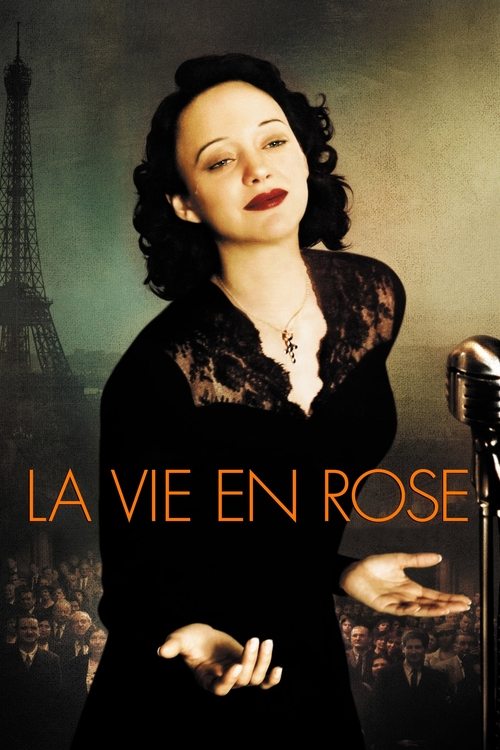
It’s a performance strangely reminiscent of a young Marion Cotillard in “La Vie en Rose,” and one that earmarks Marillier as talent to keep an eye on.
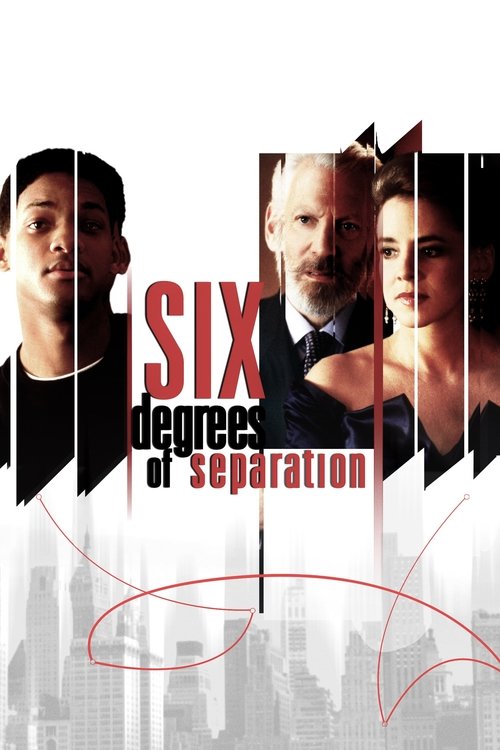
At that point, “Titane” enters the territory of John Guare and Fred Schepisi’s 1993 movie “Six Degrees of Separation,” wherein a young scammer introduces himself to a couple as their long lost son.
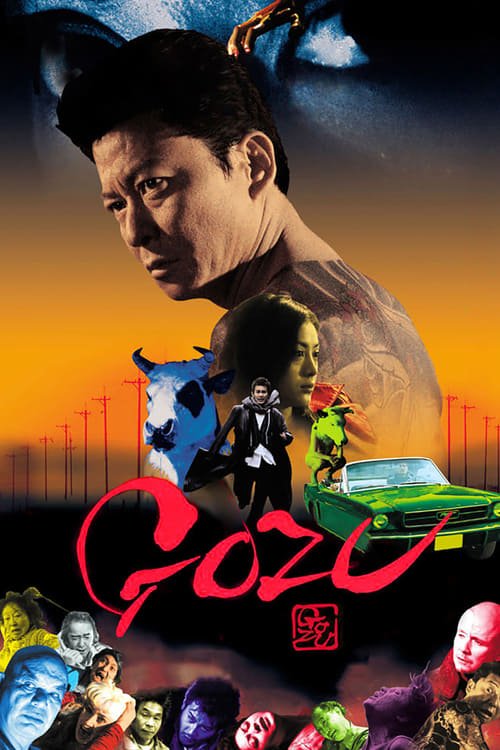
It’s a daringly queer and undoubtedly controversial ride, resulting in a most uncommon monster movie — a cross between David Cronenberg’s “Crash” and the uterine horrors of Takashi Miike’s “Gozu,” perhaps — where the main character hardly ever speaks and what Ducournau is trying to say is wildly open to interpretation.
This location is key to what follows: Like the dance academy in Dario Argento’s “Suspiria” (or the school in 2014’s Critics’ Week triumph “The Tribe”), the college appears to be a placeless, hermetically sealed environment permeated with heightened emotion; a kind of twisted dream-logic dominates and permits events to get suitably out of hand.