
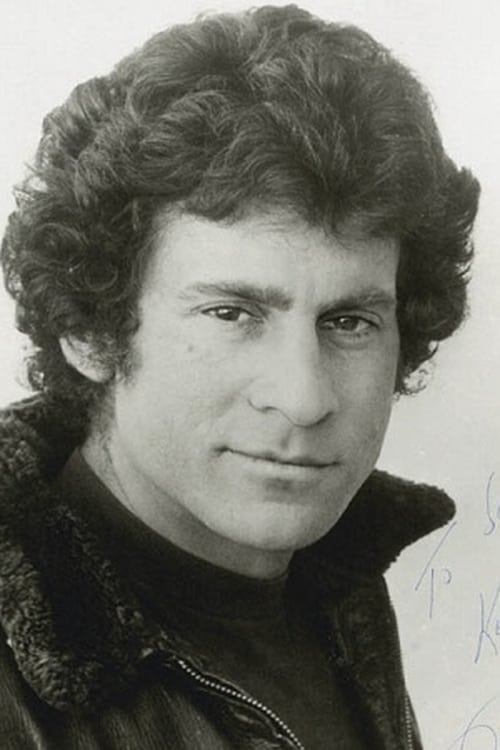
Paul Michael Glaser
22 connections found


View:
Connections, in both directions
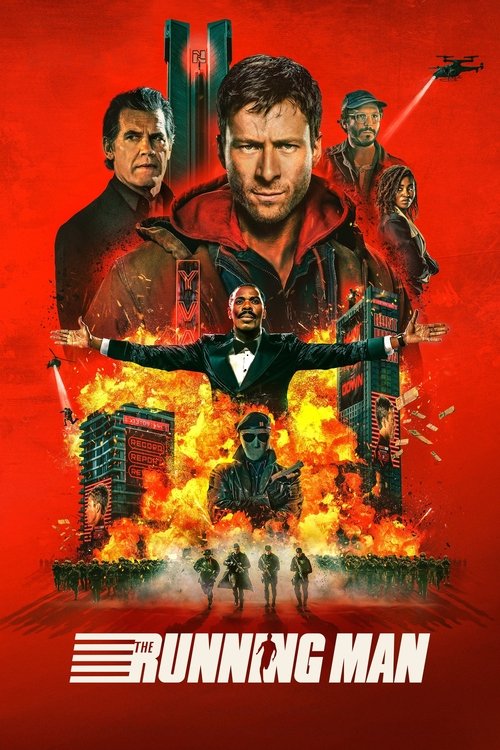
The Running Man (2025)
Directed by Edgar Wright
influenced by The Running Man (1987), The Cutting Edge (1992)
Themes Plot


In this way, Wright does show his love of the 1987 film.
This take on The Running Man is far more faithful to its source material than the Arnold Schwarzenegger film…
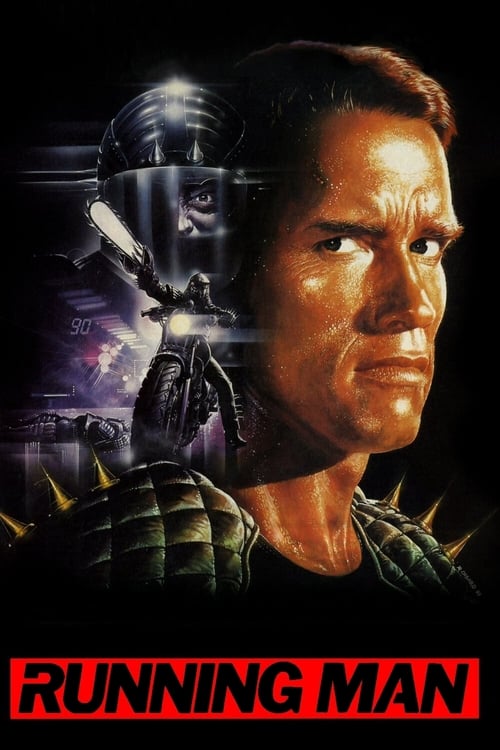
In the ’87 version, Ben Richards (Schwarzenegger), a military captain framed for opening fire on unarmed protestors, draws the attention of Damon Killian (Richard Dawson), the host of The Running Man…
I was just a teenager when I saw The Running Man on the big screen in 1987…
“The Running Man” (2025) is the second adaptation of Stephen King’s novel that he wrote under his pseudonym, Richard Bachman, and director and cowriter Edgar Wright’s most recent film.
“The Running Man” was first adapted to the big screen as a gloriously campy cult classic starring Arnold Schwarzenegger that was predictive in its own way…

The books have a devoted following, and although they’re often compared to Stephenie Meyer’s Twilight (for no other reason than they’re bestsellers written for teens), there’s the possibility that done right, the films could have huge crossover appeal for people who have enjoyed everything from Japanese author Koushun Takami’s cult novel and resulting movie Battle Royale to William Golding’s The Lord of the Flies to Stephen King’s The Running Man .
Adults will be familiar with the skeleton of the storyline, which echoes not only Shirley Jackson's short story "The Lottery" but also the much-maligned but creepily prescient Stephen King story/Arnold Schwarzenegger movie, The Running Man.
The Running Man (Paul Michael Glaser, 1987), Battle Royale (Koushun Takami, 2000) and Series 7: The Contenders (Daniel Minahan, 2001) were all set in either the future or an alternate reality where disenfranchised people are forced to take part in a violent competition where they must fight for their survival.
Ironically, the kill-to-win ethos that dominates movies from 1987's prophetic The Running Man to the undiluted brutality of Japan's Battle Royale in 2000, may find its largest viewership in The Hunger Games.
The gimmick of widespread murder as televised entertainment proscribed by the government to sate and distract the increasingly jaded masses would later turn up in films such as the classic 1975 Roger Corman production "Death Race 2000" and the 1987 Stephen King adaptation "The Running Man" (which, in a brilliant stroke of casting, deployed none other than game show staple Richard Dawson, in the role of his career, as the malevolent emcee).
We balked at the sort of show depicted in Stephen King’s The Running Man , but whereas death as entertainment is still an exaggeration, it’s no longer the leap it was once was; not at a time when almost any indignity is transmitted, while the stuff that can’t be for legal reasons is freely available, unedited on the internet.
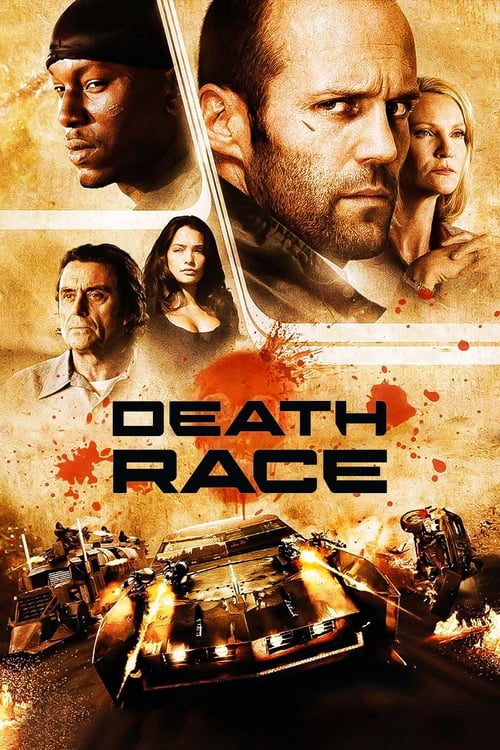
It's more variation-on-a-theme (by way of "The Running Man") than remake of producer Roger Corman and director Paul Bartel's campy 1975 drive-in classic, "Death Race 2000."
It's not a unique idea, having provided the backstory for more than one action movie (the most famous of which may be Arnold Schwarzenegger's The Running Man).
The year is 2012 and, in a mish-mashing of Rollerball and The Running Man, TV audiences crave death and destruction to keep them happy in a world in which - and how ominous is this? - the financial system has collapsed.
Skip it: Not only does "Death Race" recycle much of Arnold Schwarzenegger's "The Running Man" and 2007's horrible Steve Austin vehicle "The Condemned," but it doesn't even offer a character who thinks killing cops or broadcasting violence online is wrong.
As reconceived by writer/director Paul W. S. Anderson—the architect of such thematically vapid exercises in stylistic excess as Alien vs. Predator, Event Horizon, Mortal Kombat, Soldier and Resident Evil—Death Race now actually more closely resembles a cross between The Running Man and The Road Warrior, though even those comparisons offer it far too much flattery.
"Death Race" is a loose reimagining of 1975's "Death Race 2000," but it is just as derivative of any number of films, from 1987's "The Running Man" to 2007's " The Condemned ."
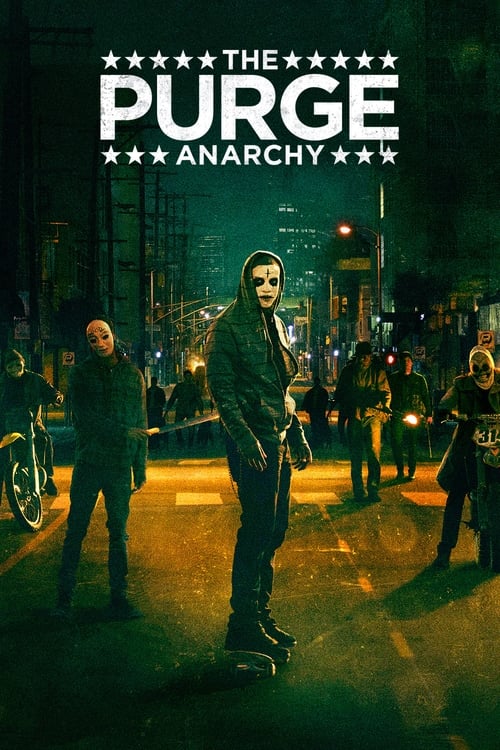
In what quickly begins to resemble a new age version of The Running Man, we follow the enigmatic and vengeful Sergeant ( Frank Grillo ) as he dares to head out into the streets during the Purge.
In a strange way, I was reminded of Schwarzenegger's The Running Man and there's a sequence in The Purge: Anarchy that seems designed to pay homage to The Hunger Games .
Instead, The Purge: Anarchy becomes a blend of The Running Man and any wackadoo government conspiracy movie ever made, still refusing to grasp everything The Purge has to offer.
The sequel not only stays out of suburban homes for long periods of time; it refuses to stay anywhere for more than 29 seconds — because if your goal is to make a movie that evokes films like The Warriors, Escape from New York, Invasion of the Body Snatchers and The Running Man, it only makes sense to keep the story moving at a brisk clip.

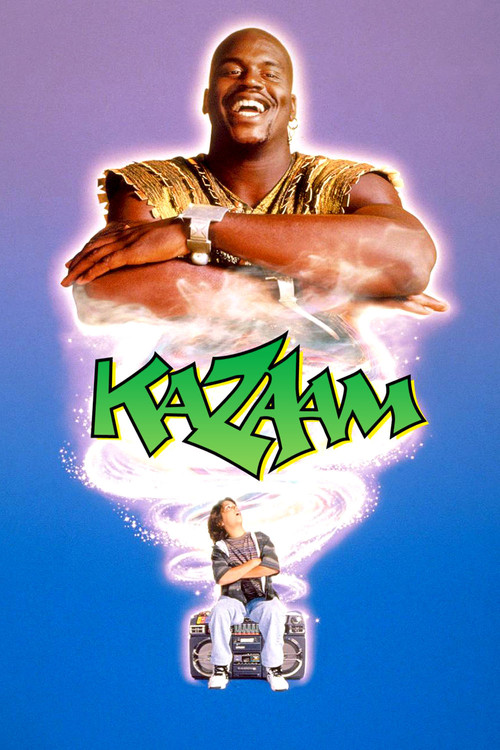
What works: There are some amusing '80s references in there, and Shaquille O'Neal 's acting has come a long way since 1996's "Kazaam."
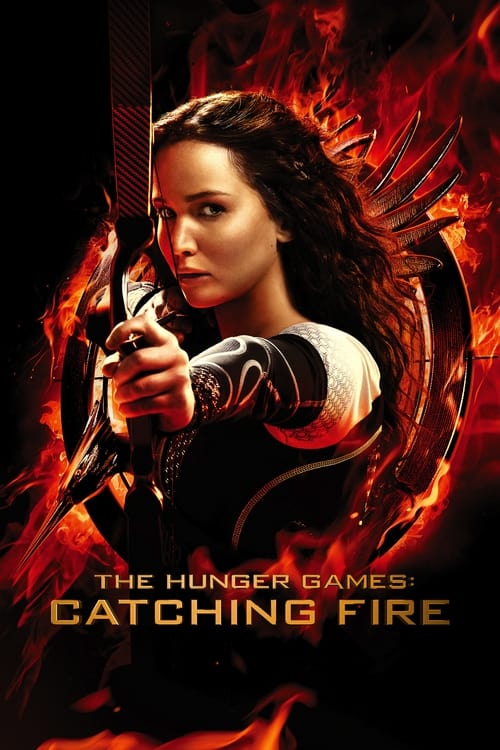
The Hunger Games: Catching Fire (2013)
Directed by Francis Lawrence
influenced by The Running Man (1987)
Visuals
It is difficult to enjoy a film when you are checking off all the sources it references—"Lost" and "Survivor" from television, Star Wars (what is with the Stormtrooper ripoffs?) and " The Running Man " from movies, and Roman and Greek myths.

The others were 1992’s The Cutting Edge and 1993’s Cool Runnings, both of which are about unlikely competitors achieving greatness (although The Cutting Edge was as much a romance as a sports movie).
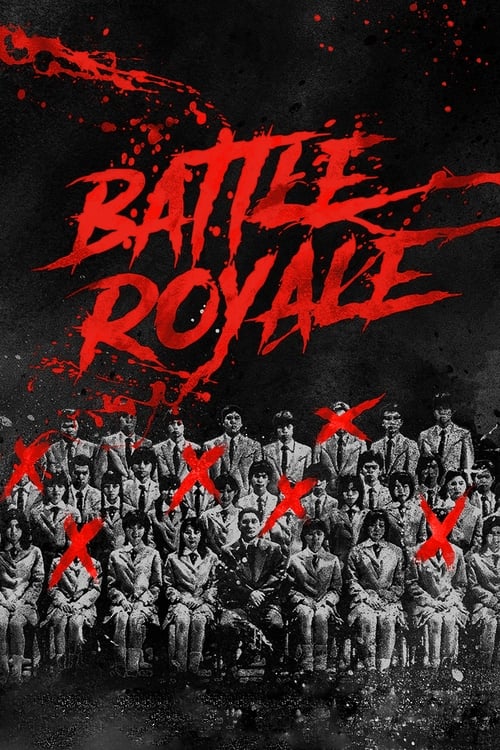
Battle Royale refers to a survival contest, in the vein of The Running Man, Lord of the Flies, and The Most Dangerous Game, in which ninth grade students are sent to an island and given three days to reduce their number to one.
Either way, Kinji Fukasaku’s hilariously energetic Battle Royale -- a jazzed-up hybrid of Lord of the Flies, The Running Man, and “Survivor†based on the novel by Koshun Takami -- races along with the swift, brutal precision of a samurai sword cutting through cotton.
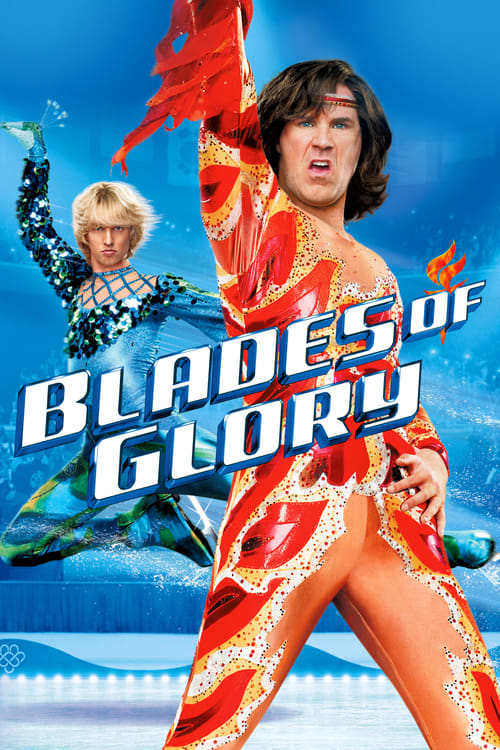
With its frilly, glittered unitards and grave disposition, figure skating is so close to self-parody that it doesn't take much to turn a film about the sport into uproarious comedy — just look at the accidentally hilarious drama "The Cutting Edge" (1992).
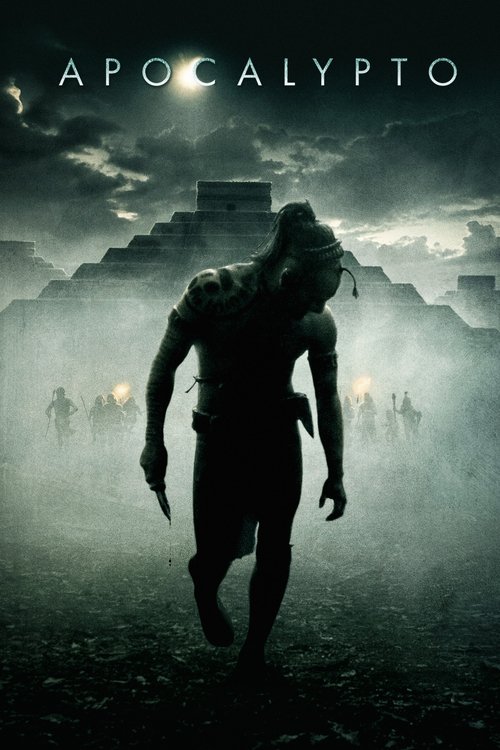
But there are also liberal extractions from all three Mad Max films (the Mayan city seems a lot like Thunderdome on steroids) as well as the Schwarzenegger flicks The Running Man and Predator, from which the grand finale draws considerable inspiration.
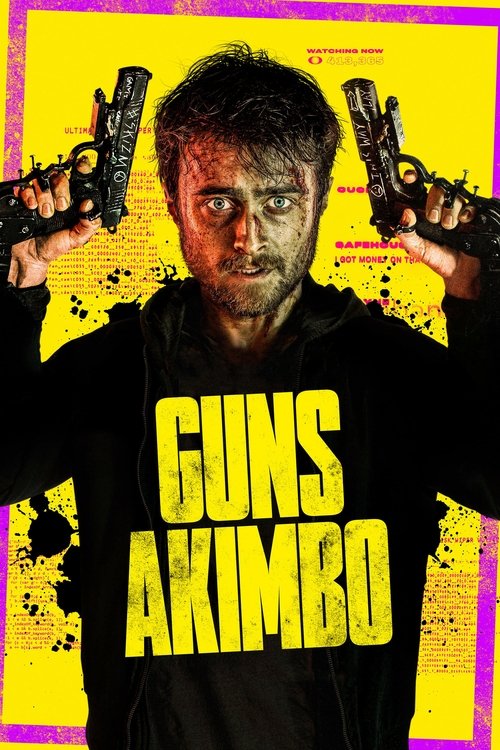
Guns Akimbo (2020)
Directed by Jason Lei Howden
influenced by The Running Man (1987)
Themes Plot Characters
The World , the frenetic, punk-rock direction of Crank , and the violent social commentary of The Running Man , you’d get something like the neon-soaked, morbidly comic, cleverly violent Guns Akimbo from writer/director Jason Lei Howden.
Filled with visceral violence, copious car-nage and pitch black humour (much comedy is mined from Miles' attempts to do seemingly simple tasks with his new enhancements), Guns Akimbo feels like the mutated offspring of The Running Man , Escape From New York and Edwards Scissorhands, with a side-order sensibility borrowed from Jason Statham's Crank .
Nix is the "star" of a web-series called "SKIZM" that is essentially The Running Man playing out on city streets like a bloodier "Pokémon GO".
The film’s Skizm villains feel like they’re right out of The Running Man or Avenging Force and that’s a good thing, trust me.
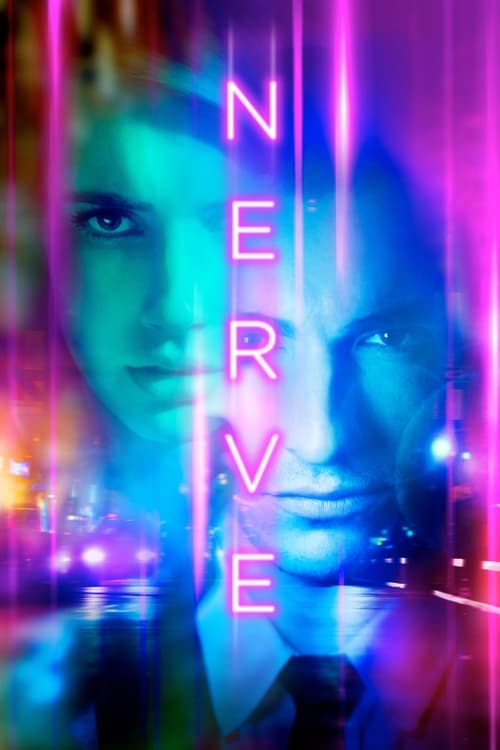
Earlier films such as The Hunger Games (and its precursor, 2000’s Battle Royale), 2009’s Gamer, 1987’s The Running Man and 1975’s Rollerball reverberate – but here, the puppet master pulling the strings isn’t some overarching corporate villain.
Sort of a teen-friendly combination of Crank, The Game, Unfriended, The Running Man, and the highly underappreciated indie gut-punch Cheap Thrills, Nerve is about a high-tech internet game in which average Joes and Janes agree to do all sorts of crazy “dares” in return for an escalating series of bank deposits.
The Running Man (1987) and Death Race (2008) imagine death and destruction as part of public entertainment.
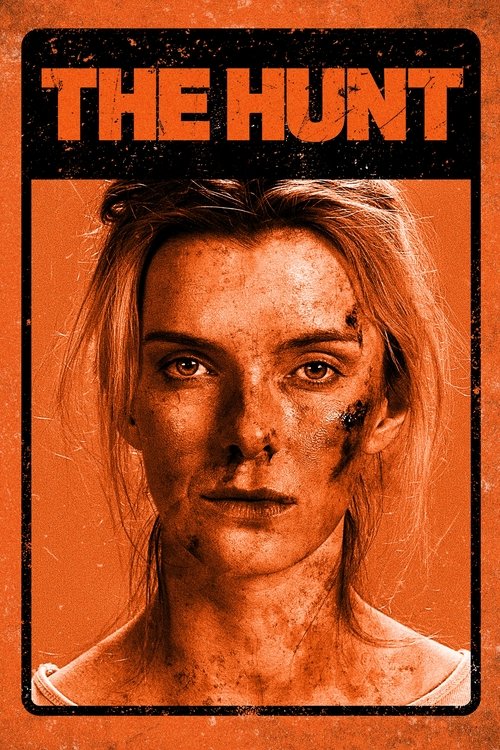
We are at the beginning of yet another variation on the sturdy 'humans hunting fellow humans' model provided by The Most Dangerous Game aka The Hounds of Zaroff , a story written by Richard Connell in 1924 and providing the spur for everything from Arnold Schwarzenegger in The Running Man (1987) to the Reality TV satire Series 7: The Contenders (2001) – with plenty of outdoorsy, Z-grade action flicks in-between.
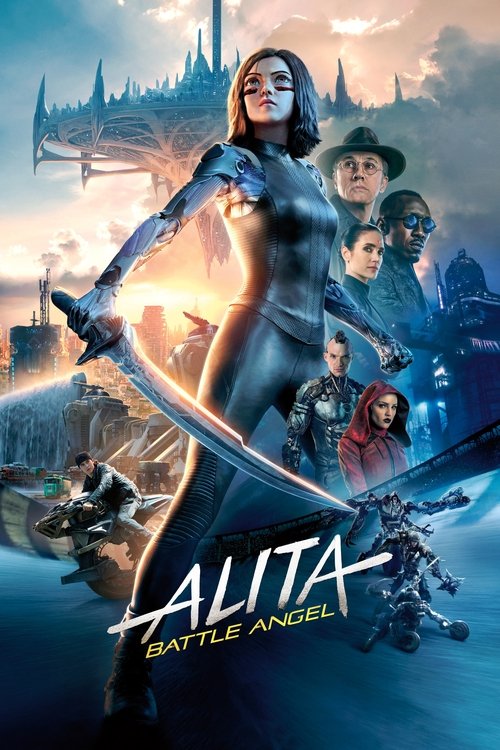
Fans of the genre will certainly recognise story beats and ideas from the likes of Elysium , The Running Man , Oblivion and Ghost in the Shell (Salazar's character even sounds similar to Scarlett Johansson's Major), but this doesn't leave you cold in the way that latter anime adaptation did.
It's an undoubtedly silly hybrid of "Rollerball" and "The Running Man," but at least the smash-em-up action is wild.
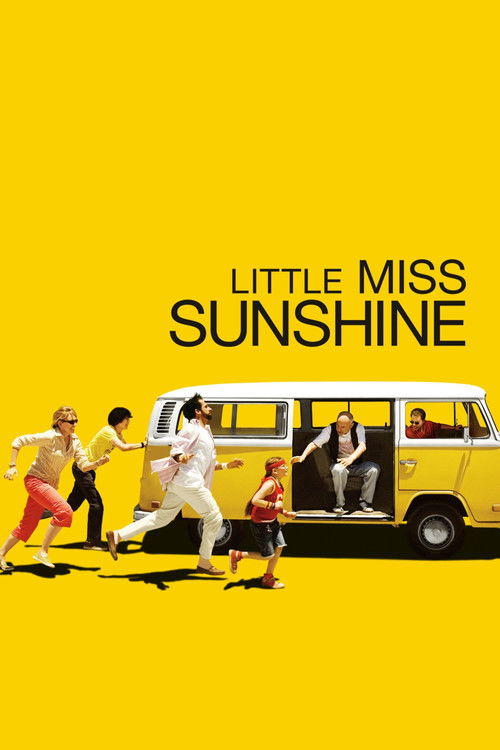
The husband and wife video directing team of Jonathan Dayton and Valerie Faris (MTV's "The Cutting Edge") make their feature debut with Michael Arndt's 'by the numbers plus quirks' screenplay and knock it out of the park.
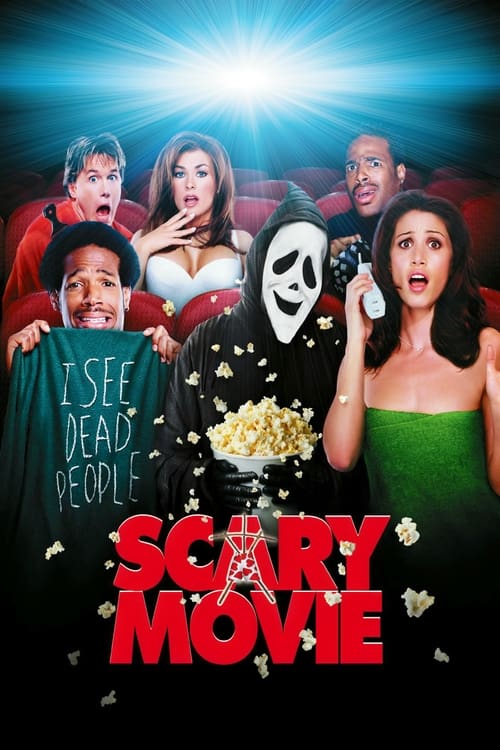
(She tells the killer that her favorite scary movie is Kazaam with Shaquille O'Neal.)

The Hunger Games: Mockingjay - Part 2 (2015)
Directed by Francis Lawrence
influenced by The Running Man (1987)
Themes
I mean, take your pick: This movie is a little bit “Star Wars” and a little bit “The Running Man,” or maybe it’s the love child of a three-way between “The Giver,” “The Matrix” and “A Wrinkle in Time.”
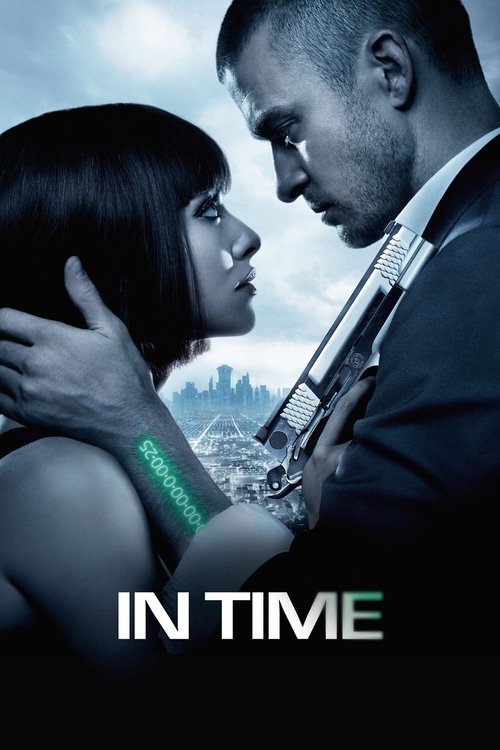
) Niccol was almost certainly thinking more about the ’70s and ’80s dystopian tradition of “Logan’s Run,” “Soylent Green” and “The Running Man” than about contemporary politics.
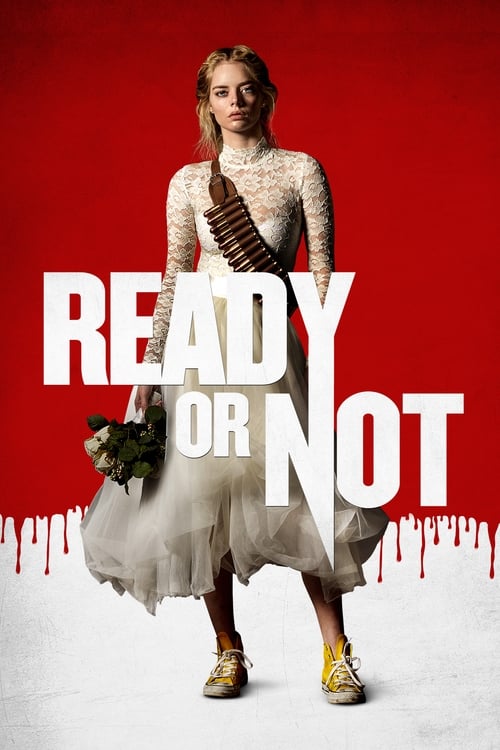
Ready or Not joins the pantheon of people being hunted movies alongside classics like Battle Royale , The Most Dangerous Game , The Running Man (it’s a classic!), and Hard Target .

…more in line with The Green Mile, Shawshank Redemption or The Running Man than his typical horror forward catalog.