
David Moore
13 connections found
Filmography
View:
Connections, in both directions
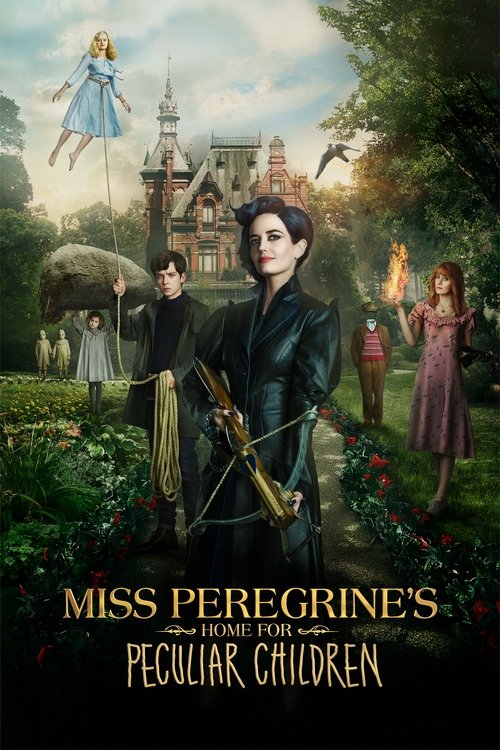
Miss Peregrine's Home for Peculiar Children (2016)
Directed by Tim Burton
influenced by Sweeney Todd (2006)
Visuals


Working from a screenplay by Jane Goldman (“The Woman in Black”), Burton delivers his most ambitious and engaging film since “Sweeney Todd” (2007).
Showing restraint is unusual for him, and letting the inherent weirdness of the story do the work, he has turned out his best film since “Sweeney Todd” (2007).
A quick jaunt through the catalog of the famous filmmaker more than suggests synchronicity with that worldview, although there have been exceptions – though both his “Alice in Wonderland” and “Sweeney Todd” earned accolades from the general public, neither could be regarded in the same way as many of his earliest successes (“Batman,” “Beetlejuice” and “Edward Scissorhands,” for instance).
Though its cabinet-of-wonders aesthetic and meticulously appointed visuals announce it as a Burton movie through and through, this is easily the director’s finest work since his masterful 2007 screen adaptation of “Sweeney Todd,” and a striking reminder of what an unfettered gothic imagination can achieve with the right focus and an infusion of discipline.
Not since “Sweeney Todd,” and before that all the way back to “Sleepy Hollow,” have the studios found such a perfect match of material for Hollywood’s most iconic auteur.
Alice in Wonderland, Sweeney Todd, and Charlie and the Chocolate Factory were all visually daring, but emotionally vacant.
With rare exceptions, Tim Burton’s movies in the past decade have involved existing properties given the Tim Burton polish, with the veteran filmmaker adding his goth-cute aesthetic on top of familiar source material like Planet of the Apes , Charlie and the Chocolate Factory , Sweeney Todd and Alice in Wonderland .
In addition to being his eighth collaboration with his cinematic muse Johnny Depp (“Ed Wood,” “Sleepy Hollow”), the film also re-teams him with his real-life partner Helena Bonham Carter (“Sweeney Todd,” “Alice in Wonderland”), his longtime composer Danny Elfman (“Pee Wee’s Big Adventure”) and his decade-long producer Richard Zanuck (“Planet of the Apes,” “Big Fish”).
It is beautifully sculpted, staged and shaded in ways reminiscent of his version of "Sweeney Todd," albeit with less attention to detail and zero surprises.
After a dockside Liverpool opening that makes it look like Burton is still making Sweeney Todd, a five-minute prologue tells the tale of the Collins family's voyage to America, their establishment of a fishing empire in Maine and heir Barnabas' tragic love for the exquisite Josette (Bella Heathcote).
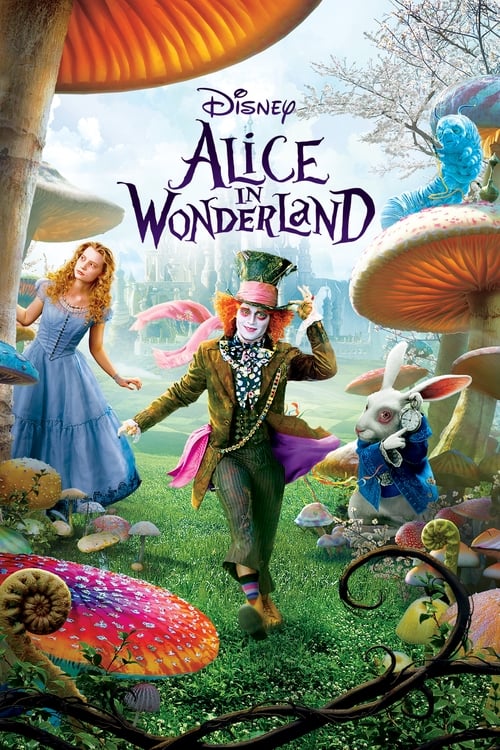
It seemed like he might have been back on track, visually at least, with Sweeney Todd in 2007, but then, that was a bloody movie for adults, not a corporate tentpole family picture.
The middling results are especially puzzling since, like Sondheim�s blood-splattered arias in Sweeney Todd , Lewis Carroll�s topsy-turvy dreamscapes would appear to be a perfect fit for Burton�s own phantasmagoric gifts.
The "Sweeney Todd" actress is such a force here that she could make James Cameron's more visually impressive Pandora wilt in the background.
But I never expected that to be the strongest part of the film, considering this is Tim Burton we're talking about — director of "Ed Wood," "Beetle Juice," "Edward Scissorhands," "Corpse Bride" and "Sweeney Todd," and writer/producer of "The Nightmare Before Christmas."
In fact, there has been a quality of sameness in Depp's most recent three live-action collaborations with Burton (with Sweeney Todd and Charlie and the Chocolate Factory preceding this one).
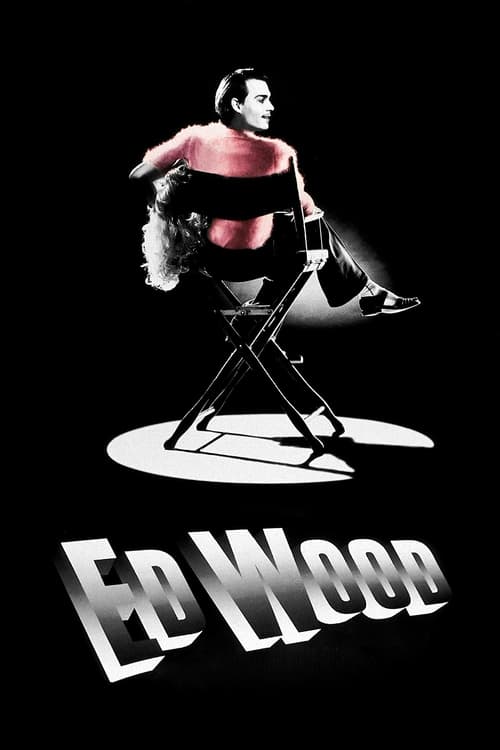
This latest collaboration between director Tim Burton and actor Johnny Depp is easily the best thing they’ve done together since “Sweeney Todd” and before that, “Ed Wood.”
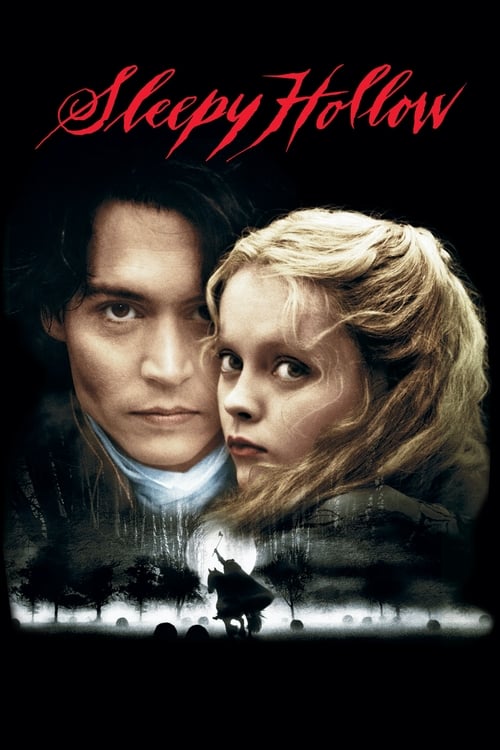
This is no surprise: Rick Heinrichs won his Oscar for his brilliant set design on Burton's Sleepy Hollow, while Colleen Atwood won one of hers for her elaborate costumes for Burton's Alice in Wonderland (and received additional nods for his Sweeney Todd and Sleepy Hollow).
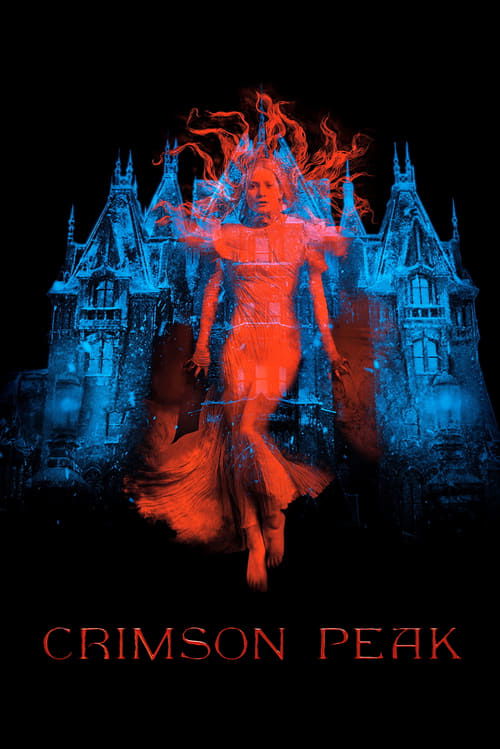
The film combines the gloomy aesthetics of “Wuthering Heights,” the apparitions, family secrets and betrayals of “The Woman in Black” with the murderous straight razor chills of “Sweeney Todd.”
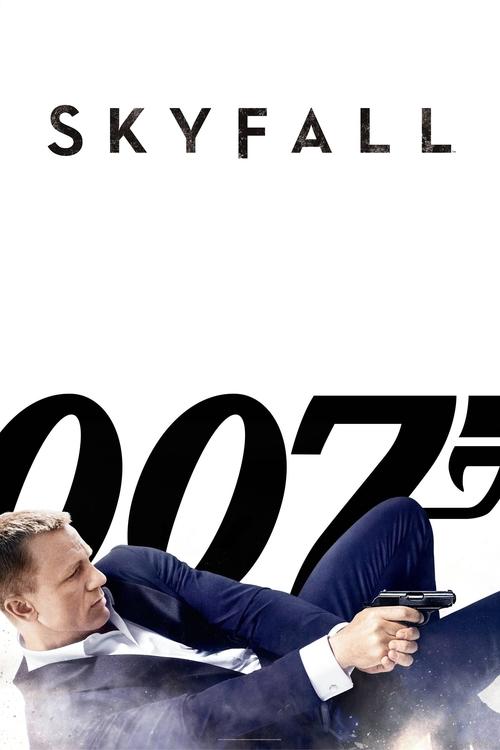
The script, by old Bond hands Neal Purvis and Robert Wade, with emendations by John Logan (Rango, Hugo, Sweeney Todd), nicely recasts its indomitable adventurer as a middle-age salaryman in a rut.
Logan, a playwright by first trade, wrote screenplays for “Gladiator,” “Hugo,” “Rango,” “Sweeney Todd” and “Any Given Sunday,” among others, but he and Mendes take advantage of their shared theatrical background.
The first two were co-writers for “Casino Royale” while Logan is an Oscar-nominated writer who has written/co-written the screenplays for such great films as “Gladiator,” “The Last Samurai,” “Hugo,” “Sweeney Todd,” and “The Aviator.”
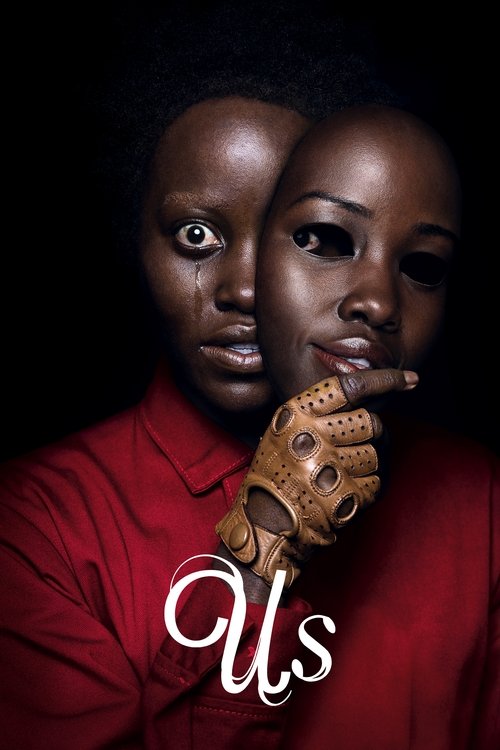
(I remember guessing Us was going to be some kind of Steampunk Sweeney Todd .
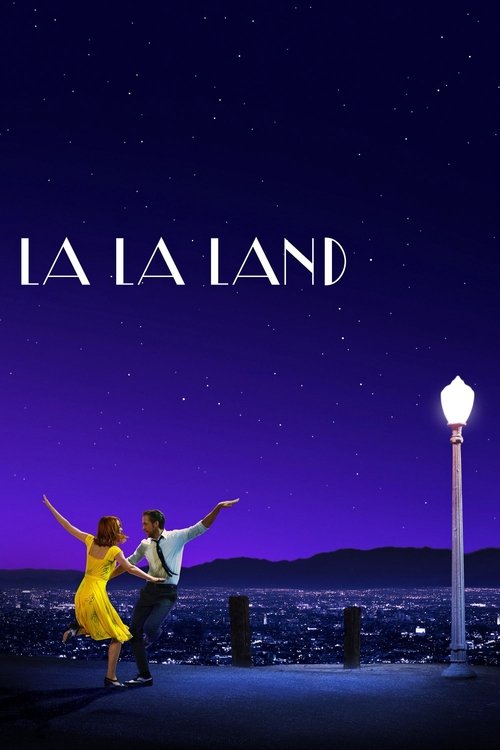
Their voices make them odd choices for a full-scale musical: Gosling's is gravelly and shy, and Stone's is mostly the kind of high, thready whisper that earned Helena Bonham Carter so much disdain in Tim Burton's Sweeney Todd.
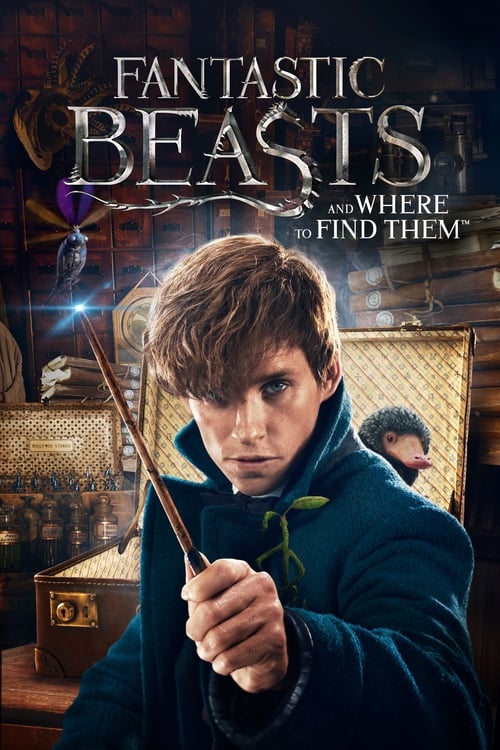
Fantastic Beasts and Where to Find Them (2016)
Directed by David Yates
influenced by Sweeney Todd (2006)
Visuals
“Fantastic Beasts” delivers the most satisfying period fantasy since Tim Burton’s “Sweeney Todd,” but its layers of sophistication are what yield one of the best Hollywood blockbusters of the year.
But Olaf has some funny moments, and the Lopezes give him a superb comic number, “In Summer,” that’s a denialist fantasy on par with “By the Sea” in “Sweeney Todd.”
Shot by expert cinematographer Dariusz Wolski (“Dark City,” “Sweeney Todd,” “Alice in Wonderland”), “Prometheus” has a crisp, cold look that’s appropriately otherworldly, often beautiful to behold.
His devoted and loving wife, Elizabeth (Helena Bonham Carter from “Sweeney Todd” and “The Wings of the Dove”), procures the services of Logue.